
Imagine your grandmother, carefully selecting colors for an intricate mandala. As she stays within the lines, her hand movements strengthen. This simple act of coloring not only fosters creativity but also enhances dexterity, which is often a concern for older adults. What if you could help someone improve their fine motor skills while also boosting their mood? Let’s explore how this engaging activity can make a significant difference.
Key Takeaways
- Coloring enhances fine motor skills by strengthening hand muscles through repetitive motion, improving overall dexterity in older adults.
- The activity promotes hand-eye coordination as individuals focus on staying within lines, enhancing spatial awareness and control.
- Engaging in intricate designs encourages careful attention and practice, leading to improved precision with coloring tools.
- Using smaller tools and varying grip techniques during coloring helps refine dexterity and coordination in older adults.
- Coloring fosters mindfulness, reduces stress, and provides emotional well-being, contributing to a positive experience while enhancing dexterity.
The Connection Between Dexterity and Aging
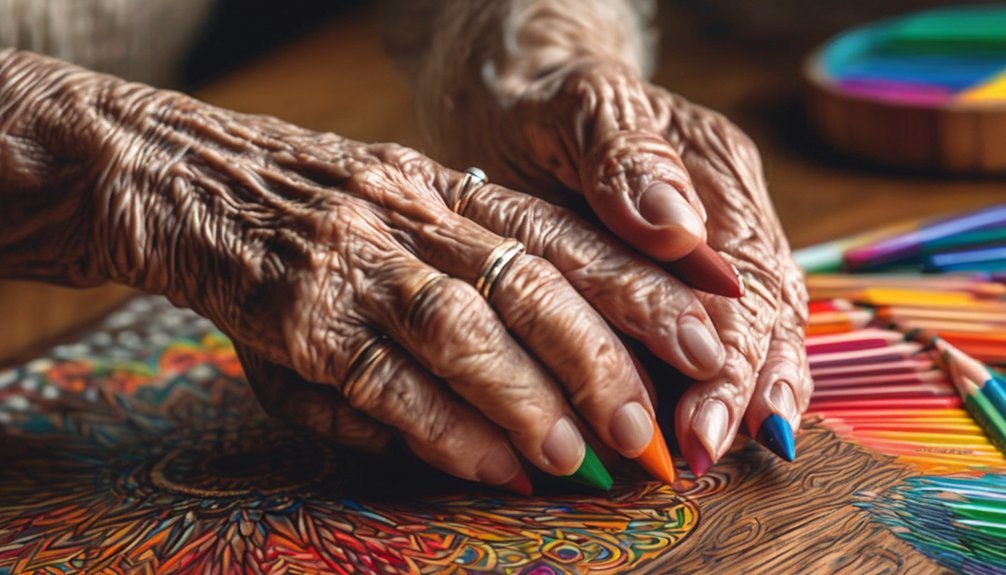
As you age, it’s common to notice changes in your dexterity, which refers to your ability to coordinate your hands and fingers with precision. This decline can stem from various factors, including muscle weakness, joint stiffness, and decreased coordination.
You may struggle with everyday tasks like buttoning shirts, tying shoelaces, or even holding utensils. These changes can affect your independence and confidence in performing activities you once found easy.
Maintaining dexterity is essential for keeping your daily life smooth and enjoyable. Engaging in activities that challenge your hand movements can help slow down the decline.
Benefits of Coloring for Older Adults
Coloring offers numerous benefits for older adults, especially in enhancing dexterity and fine motor skills. As you engage in this creative activity, you’ll find that the repetitive motion of coloring helps strengthen your hand muscles. This not only improves your grip but also promotes better control over your movements.

Additionally, coloring can serve as a relaxing escape, reducing stress and anxiety. You’ll enjoy the meditative quality of focusing on colors and patterns, which can elevate your mood.
Moreover, it encourages self-expression and creativity, allowing you to explore your artistic side. By incorporating coloring into your routine, you’re actively participating in a fun, therapeutic exercise that contributes to your overall well-being and dexterity.
Improving Hand-Eye Coordination
Engaging in coloring not only strengthens hand muscles but also significantly improves hand-eye coordination.
When you focus on staying within the lines, your brain and hands work in unison, enhancing your ability to coordinate movements. This practice can help you in daily tasks and boost your confidence in your skills.
Here are some ways coloring helps improve your hand-eye coordination:
- You develop better spatial awareness.
- It encourages focus and concentration.
- You practice fine motor skills while selecting colors.
- It aids in hand movement precision as you navigate intricate designs.
- You build muscle memory through repetitive actions.
Enhancing Control and Precision
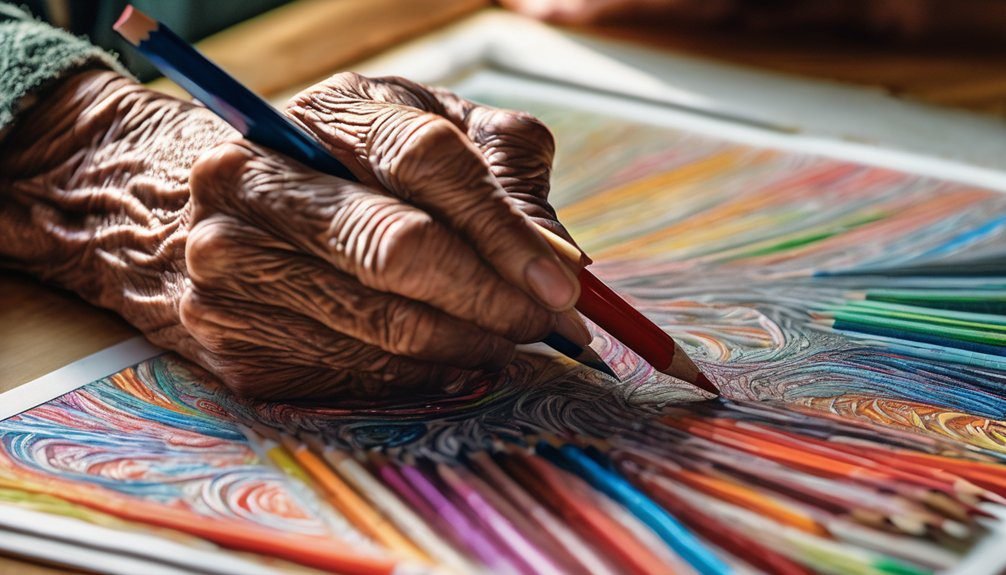
While you immerse yourself in the world of coloring, you’ll notice an improvement in your control and precision. Each stroke of your pencil or marker requires focus, allowing you to gain better command over your hand movements.
As you navigate intricate designs, you’ll train your fingers to work with greater accuracy. This practice encourages you to slow down and be deliberate, fostering a sense of mindfulness that enhances your control.
You’ll find that coloring within the lines becomes easier, and your ability to manage pressure and speed improves. Over time, these skills translate to everyday tasks, making activities like writing, buttoning shirts, and using utensils more manageable.
Therapeutic Effects of Coloring
As you refine your control and precision through coloring, you may also discover its therapeutic effects. Engaging in this creative activity can significantly boost your mental well-being.
Refining your coloring skills not only enhances precision but also offers therapeutic benefits that uplift your mental wellness.
Here are some benefits you might experience:
- Stress Relief: Coloring can help you unwind and reduce anxiety levels.
- Mindfulness: Focusing on colors and patterns encourages you to be present in the moment.
- Creativity Boost: Experimenting with different color combinations sparks your imagination.
- Sense of Accomplishment: Completing a coloring page gives you a satisfying sense of achievement.
- Social Connections: Joining a coloring group fosters friendships and shared experiences.
Choosing the Right Coloring Materials
When choosing the right coloring materials, it’s essential to consider your personal preferences and comfort. Start with selecting coloring books that feature larger designs; they allow for easier coloring and help improve your dexterity.
Next, opt for colored pencils or markers that feel comfortable in your hand. Consider using ergonomic tools designed specifically for those with reduced grip strength, as they can make a significant difference. Test different brands to find the ones that glide smoothly and provide vibrant colors.
Lastly, don’t forget about the paper quality; thicker paper reduces bleed-through and enhances your coloring experience. Ultimately, choose materials that inspire you and make the activity enjoyable, ensuring you stay engaged and motivated.
Techniques to Maximize Dexterity Gains
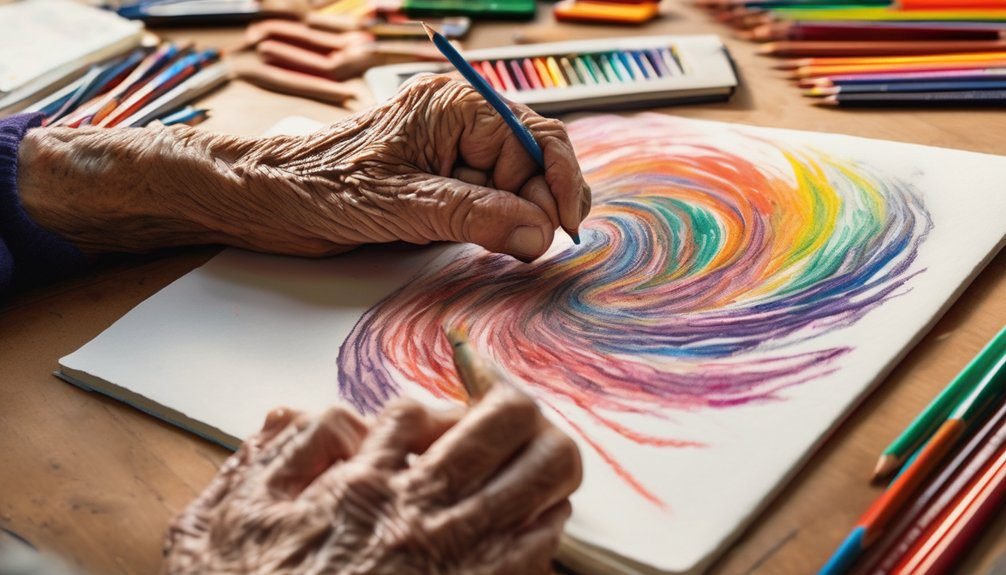
To maximize dexterity gains through coloring, it’s crucial to incorporate specific techniques into your practice. By focusing on these methods, you’ll not only enjoy the process but also enhance your motor skills.
Maximize your dexterity through coloring by incorporating specific techniques that enhance your motor skills while enjoying the process.
- Use smaller tools: Opt for fine-tipped markers or colored pencils to engage your fingers more.
- Practice grip variations: Switch between holding your coloring tools in different ways to challenge your grip strength.
- Color within intricate designs: Choose detailed patterns that require careful attention and precision.
- Engage your non-dominant hand: Try coloring with your non-dominant hand to improve coordination and brain activity.
- Take breaks: Rest your hands periodically to avoid fatigue and maintain focus on your dexterity goals.
These techniques can make your coloring sessions more effective and enjoyable!
Incorporating Coloring Into Daily Routines
Incorporating coloring into your daily routine can seamlessly complement the dexterity techniques you’ve practiced. Set aside a specific time each day, perhaps in the morning or before bed, to enjoy this creative activity.
Keep your coloring supplies easily accessible, so you’re more likely to engage with them. Start with simple designs to warm up your hands, gradually moving to more intricate patterns as you build confidence and skill.
You might even combine coloring with relaxation techniques like deep breathing to enhance focus. Consider setting a timer for short, dedicated sessions to keep your practice consistent.
Social Benefits of Group Coloring Activities
Participating in group coloring activities not only fosters creativity but also promotes social interaction, which is vital for older adults. Engaging in these collaborative sessions can enhance your well-being and help you build meaningful connections.
Here are some social benefits you might experience:
- Increased Communication: Share stories and ideas as you color together.
- Strengthened Bonds: Build friendships and support networks within your community.
- Shared Laughter: Enjoy light-hearted moments that boost your mood.
- Team Spirit: Work towards common goals, like completing a large mural.
- Sense of Belonging: Feel included and valued in a group setting.
Success Stories: Real-Life Impact of Coloring on Dexterity
Engaging in group coloring activities not only enhances social connections but also leads to remarkable improvements in dexterity for older adults.
Take, for instance, the story of Margaret, who struggled with fine motor skills due to arthritis. After joining a local coloring group, she noticed a significant increase in her ability to grip and control her coloring tools.
Similarly, John, who’d previously found it challenging to hold a pencil, experienced improved coordination within weeks.
Their success is echoed by many others who’ve found coloring not just therapeutic, but a fun way to regain control over their movements.
These stories highlight how simple activities like coloring can make a real difference in the lives of older adults, fostering both dexterity and joy.
Frequently Asked Questions
Can Coloring Improve Cognitive Function in Older Adults?
Yes, coloring can improve cognitive function in older adults. It stimulates the brain, enhances focus, and boosts creativity. Engaging in such activities keeps your mind sharp and encourages better mental health overall.
What Colors Are Best for Enhancing Mood During Coloring?
Bright colors like yellow, orange, and blue often enhance mood during coloring. They evoke feelings of happiness and calmness. Experiment with different shades to see which ones resonate with you and boost your creativity!
How Often Should Older Adults Color for Best Results?
You should color daily if you want those colorful vibes to stick! Just fifteen minutes can brighten your mood and keep your fingers nimble. Who knew crayons could work wonders? Grab those colors and unleash your inner artist!
Are There Any Risks Associated With Coloring for Older Adults?
Yes, there are some risks. You might strain your eyes or develop hand fatigue if you color for too long. It’s important to take breaks and ensure good lighting to avoid discomfort or injury while coloring.
Can Digital Coloring Apps Provide Similar Benefits as Traditional Coloring?
Digital coloring apps can indeed provide similar benefits as traditional coloring. You’ll find they engage your creativity, enhance focus, and offer a modern twist, much like how Picasso embraced new mediums to express his artistic vision.
Conclusion
Just like a skilled gardener nurturing their plants, you can cultivate your dexterity through coloring. Each stroke of the crayon is a step in your journey toward improved hand control and coordination. Embrace the vibrant world of colors as you tend to your skills, watching them blossom with every mindful moment spent on the page. So grab your coloring tools, and let your hands dance across the paper, growing stronger and more precise, one shade at a time.