
Imagine sitting quietly with a set of colored pencils, your mind drifting as you fill in the intricate patterns of a mandala. This simple act can transform your stress into tranquility, but what makes mandalas so uniquely calming? As you explore their historical significance and psychological benefits, you might discover why these designs have been cherished for centuries as a pathway to relaxation and mindfulness.
Key Takeaways
- Mandalas feature intricate, repetitive patterns that help quiet the mind, promoting relaxation and reducing stress and anxiety.
- Their circular design symbolizes wholeness and unity, creating a calming visual effect that enhances focus and tranquility.
- Engaging in mandala coloring encourages self-expression, allowing individuals to reflect their emotions and boost mood through color choices.
- The structured layout of mandalas invites effortless eye movement, contributing to a meditative state and fostering deeper concentration.
- Coloring mandalas in a group setting enhances social interaction, creating a sense of community and shared enjoyment, further amplifying relaxation benefits.
The Historical Significance of Mandalas
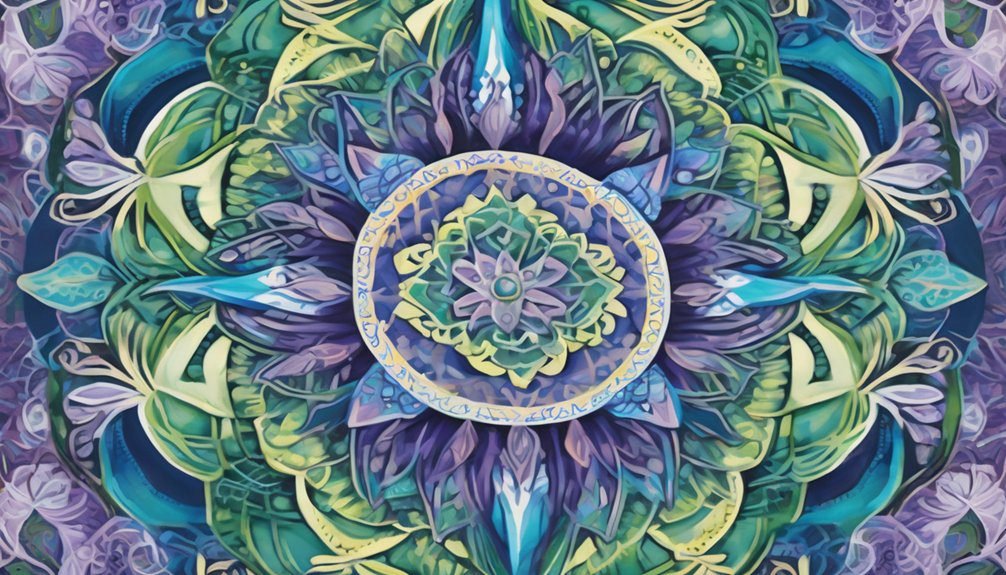
Mandalas have captivated cultures across the globe, as they represent not just art but also spiritual significance. You’ll find that these intricate designs have roots in ancient India, where they were utilized in Hindu and Buddhist practices. They served as tools for meditation, guiding individuals toward a deeper understanding of the universe and themselves.
In this context, mandalas symbolize wholeness and unity, reflecting the cosmos in a circular form. You might also notice their appearance in various religious traditions, such as Native American rituals and Western art. Each culture imbues mandalas with its own meanings, yet they all convey a sense of connection and tranquility.
This historical richness adds layers to the experience of coloring mandalas, enhancing your relaxation.
Understanding the Structure of Mandalas
While exploring the world of mandalas, you’ll notice that their structure plays a crucial role in their calming effect. Mandalas are typically circular, symbolizing wholeness and unity. This symmetrical design invites your eye to move effortlessly around the shape, creating a sense of balance.

You’ll find intricate patterns radiating from the center, drawing your focus inward. Each layer often represents different elements or themes, allowing you to engage with the artwork on multiple levels. The repetitive patterns can help quiet your mind, making it easier to relax.
As you color, you’ll appreciate the harmony in these designs, which fosters a meditative state. Understanding this structure can deepen your connection to the mandalas, enhancing your overall experience.
The Psychological Benefits of Coloring Mandalas
Coloring mandalas not only enhances your appreciation of their intricate designs but also offers numerous psychological benefits. Engaging in this creative activity can significantly improve your mental well-being.
Here are some key advantages you might experience:
- Reduces stress and anxiety, providing a calming effect.
- Enhances focus and concentration, sharpening your mind.
- Boosts mood and promotes feelings of happiness.
- Encourages self-expression, helping you connect with your emotions.
- Fosters a sense of accomplishment as you complete each piece.
How Mandalas Promote Mindfulness and Focus
As you immerse yourself in the process of coloring mandalas, you’ll find that it naturally encourages mindfulness and enhances your focus.
The intricate designs invite your attention, pulling you away from distractions and into the present moment. Each stroke of color demands your awareness, allowing your mind to settle and find clarity.
This act of creation becomes a form of meditation, where your thoughts align with the rhythmic flow of your hand. As you concentrate on filling in the patterns, you cultivate a deeper connection to your inner self.
You may notice your stress dissipating, replaced by a sense of calm and focus. Ultimately, coloring mandalas transforms a simple activity into a powerful tool for enhancing mindfulness in your daily life.
The Therapeutic Effects of Repetitive Patterns
Repetitive patterns in mandalas offer unique therapeutic benefits that complement the mindfulness gained from coloring. Engaging with these patterns can help you unwind and find a sense of calm.
As you immerse yourself in the rhythm of coloring, your mind shifts focus, allowing stress to fade away. Here are some ways these patterns can enhance your experience:
- Soothes anxiety: The predictability of patterns can reduce feelings of worry.
- Enhances concentration: Repetition encourages deeper focus on the task at hand.
- Boosts creativity: Repetitive designs inspire new ideas as you explore color choices.
- Promotes relaxation: The act of coloring can lower heart rates and induce tranquility.
- Encourages self-expression: You can personalize patterns, reflecting your mood and thoughts.
Mandalas and Their Connection to Meditation
While many people seek solace in meditation, incorporating mandalas into your practice can deepen your experience and enhance your focus.
These intricate designs serve as visual anchors, helping you to center your thoughts and quiet your mind. As you color or gaze at a mandala, you invite a sense of calm that complements your meditation. The repetitive patterns draw your attention, allowing distractions to fade away.
This connection between coloring mandalas and meditation creates a flow state, where time seems to stand still and stress melts away. By integrating mandalas into your routine, you cultivate mindfulness and presence, ultimately enriching your spiritual journey.
Embrace the beauty of mandalas, and watch your meditation practice flourish.
Choosing the Right Mandala for Your Mood
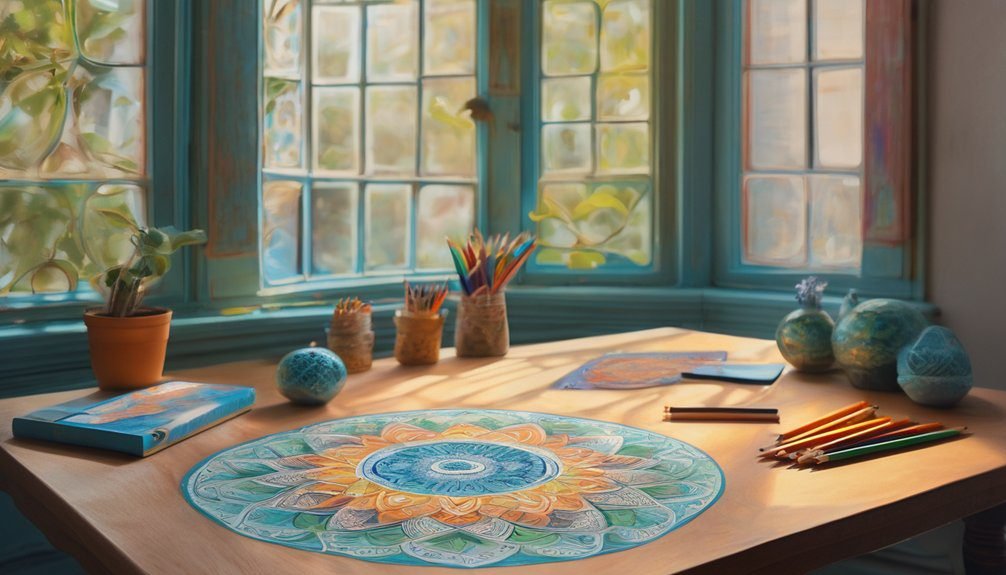
How do you choose the right mandala to match your mood? Picking the perfect design can enhance your coloring experience and foster relaxation.
Choosing the right mandala can elevate your coloring journey and deepen your relaxation.
Consider these points when selecting your mandala:
- Intricacy: More detailed patterns can engage your focus if you’re feeling restless.
- Size: Large mandalas offer a calming rhythm, while smaller ones can provide quick satisfaction.
- Symmetry: Balanced designs evoke harmony, perfect for when you need to unwind.
- Theme: Nature-inspired mandalas can uplift your spirit, while geometric ones may ground you.
- Color Palette: Consider colors that resonate with your emotions; soothing blues for calmness or vibrant reds for energy.
Tips for Enhancing Your Mandala Coloring Experience
Enhancing your mandala coloring experience can transform it from a simple activity into a deeply relaxing ritual.
Start by creating a comfortable space; choose a quiet corner with good lighting and your favorite music or nature sounds playing softly. Gather high-quality coloring materials—think vibrant markers, colored pencils, or gel pens that glide smoothly.
Set a timer to help you focus on the process without distractions. As you color, take deep breaths and let your mind wander. Embrace the repetitive motions of coloring as a form of meditation.
Don’t rush; let your intuition guide your color choices. Finally, celebrate your completed mandala by displaying it where you can admire your work, reinforcing the joy and relaxation you’ve cultivated through this creative practice.
Incorporating Color Theory Into Mandala Art
Incorporating color theory into your mandala art can elevate your coloring experience and deepen your emotional connection to the artwork.
Incorporating color theory into your mandala art enhances your creative journey and strengthens your emotional bond with your creation.
Understanding how colors interact can transform your mandala into a vibrant expression of your feelings. Here are some ways to use color theory effectively:
- Complementary Colors: Pair colors opposite each other on the color wheel for striking contrasts.
- Analogous Colors: Use colors next to each other for a harmonious look.
- Warm vs. Cool: Experiment with warm colors to evoke energy and cool colors for calmness.
- Color Psychology: Choose colors based on the emotions they represent—blue for tranquility, red for passion.
- Shading Techniques: Add depth and dimension by blending shades of the same color.
These techniques can make your mandala truly unique and meaningful.
Sharing the Joy: Community and Mandala Coloring
While you immerse yourself in the calming world of mandala coloring, sharing the experience with others can amplify the joy and creativity it brings. Whether you join a local group or connect online, coloring together fosters a sense of community. You can exchange tips, techniques, and inspiration, enhancing your own artistic journey.
Hosting a mandala coloring party at home invites friends to unwind and explore their creativity alongside you. As everyone colors, you’ll share laughs, stories, and perhaps even a few snacks.
The vibrant colors on paper reflect not just individual expression but also the collective energy of your group. This shared experience can deepen friendships and create lasting memories, making the process of coloring even more fulfilling.
Frequently Asked Questions
Can Anyone Create Their Own Mandala Designs?
Yes, anyone can create their own mandala designs! Just grab some paper and a pencil, start with a simple shape, and let your creativity flow. You’ll discover how fun and rewarding it can be!
What Materials Are Best for Coloring Mandalas?
You’ll find colored pencils, gel pens, and markers work best for coloring mandalas. They offer vibrant colors and precision. Experiment with different materials to discover what makes your mandala creations truly pop and feel satisfying.
How Long Does It Typically Take to Complete a Mandala?
It usually takes anywhere from an hour to several days to complete a mandala. While some enjoy the quick satisfaction of finishing fast, others relish the journey, savoring each detail and color choice along the way.
Are There Specific Colors That Enhance Relaxation?
Yes, specific colors can enhance relaxation. Soft blues, greens, and pastel shades often promote calmness. Experimenting with these colors while coloring can help you feel more centered and tranquil, making your experience more enjoyable.
Can Mandalas Be Colored Digitally?
You can definitely color mandalas digitally! It’s a whole new ballgame, offering endless color options and tools. Dive into your creativity, and you’ll find digital mandalas just as relaxing and enjoyable as traditional ones.
Conclusion
In the gentle embrace of a mandala, you can find a serene escape from the chaos of daily life. As you immerse yourself in the intricate patterns and soothing colors, let the world fade away, leaving only peace and creativity in its wake. Each stroke is a step towards tranquility, where your mind can wander freely. So grab your colors, breathe deeply, and let the calming magic of mandalas guide you to a blissful oasis of relaxation.