
Imagine sitting by a serene lake, the water’s surface calm, reflecting the world around it. Just like that, coloring can create a tranquil space in your mind. As you engage in this simple act, you might find unexpected benefits unfolding. The process goes beyond mere relaxation; it taps into deeper emotional layers and cognitive functions. What if this creative outlet could transform your daily stress into a moment of peace?
Key Takeaways
- Coloring promotes mindfulness, allowing individuals to focus on the present moment and reduce anxiety through creative expression.
- The repetitive nature of coloring acts as a meditative practice, helping to lower stress levels and create a sense of calm.
- Engaging in coloring activates various brain areas, enhancing concentration and leading to increased feelings of satisfaction and well-being.
- Techniques like gradient blending and stippling encourage deeper engagement, enhancing both relaxation and the overall coloring experience.
- Coloring stimulates dopamine release, which contributes to a pleasurable experience, promoting relaxation and improving mood.
The Therapeutic Benefits of Coloring
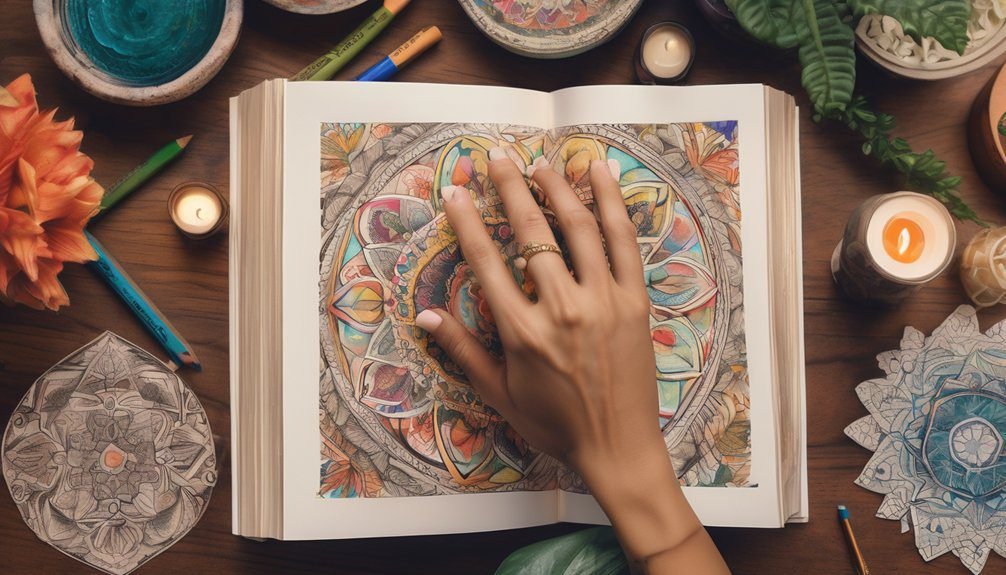
Coloring isn’t just for kids; it offers therapeutic benefits that can enhance your mental well-being. When you pick up a colored pencil or marker, you engage in an activity that promotes mindfulness.
Focusing on colors and patterns helps you escape daily stressors, allowing your mind to relax and recharge. You’ll find that the repetitive motions of coloring can be meditative, reducing anxiety and improving your mood.

Additionally, this creative outlet boosts your self-expression, letting you explore feelings and emotions in a safe space. As you immerse yourself in coloring, you may also notice an increase in your concentration and overall satisfaction.
How Coloring Engages the Brain
When you pick up a coloring tool, your brain engages in a fascinating dance of creativity and focus. As you choose colors and decide where to apply them, different areas of your brain light up. The prefrontal cortex, responsible for decision-making, gets activated as you make choices about your artwork.
Simultaneously, your motor cortex works to guide your hand movements, enhancing fine motor skills. This combination of thought and action creates a mental flow, allowing you to escape everyday stressors.
The rhythmic motion of coloring can also trigger the release of dopamine, a neurotransmitter associated with pleasure and reward. So, as you immerse yourself in coloring, you’re not just creating art; you’re stimulating your brain and promoting a sense of well-being.
Mindfulness and Focus Through Art
As you delve into the world of art, mindfulness naturally emerges, allowing you to be fully present in the moment. Engaging in creative activities like coloring helps you focus your mind, filtering out distractions. This process cultivates a sense of calm and clarity.
Here are three ways art promotes mindfulness and focus:
- Concentration: You tune into the details of your artwork, enhancing your ability to concentrate on the task at hand.
- Emotional Release: Art acts as a therapeutic outlet, helping you express emotions without words and providing mental relief.
- Visual Engagement: The colors and patterns draw your attention, anchoring you in the present and reducing anxiety.
The Connection Between Creativity and Relaxation
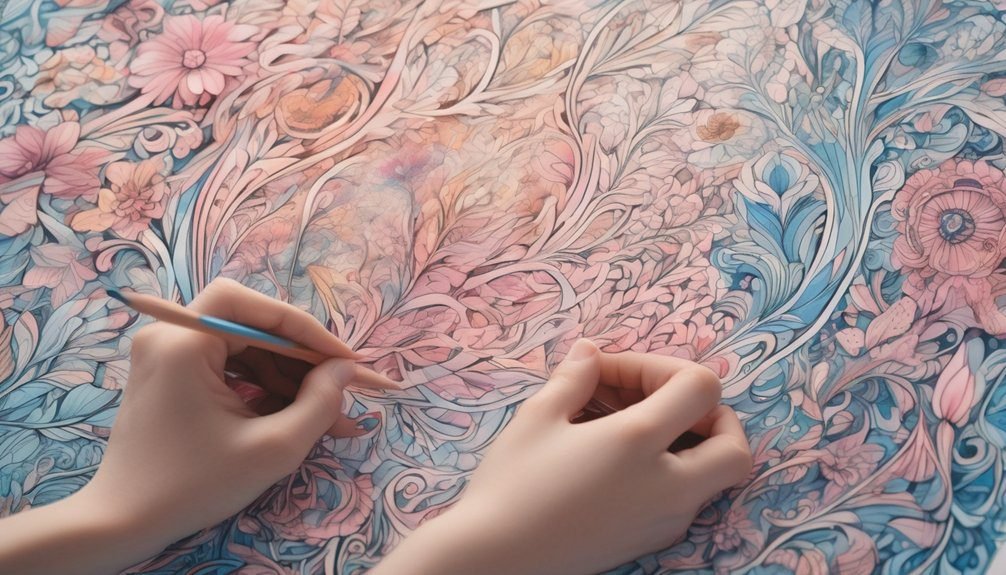
Creativity offers a powerful pathway to relaxation, allowing you to unwind and recharge. When you engage in creative activities like coloring, your mind shifts focus from daily stressors to the vibrant colors and patterns before you. This mental shift helps release tension and encourages a sense of calm.
As you immerse yourself in the creative process, you tap into your imagination, fostering a flow state that promotes relaxation. This is because creativity stimulates the release of endorphins, enhancing your mood and reducing anxiety.
Exploring Different Coloring Techniques
While many people might think of coloring as simply filling in spaces, exploring different coloring techniques can elevate your experience and enhance relaxation.
By trying out various methods, you can find what resonates with you and brings joy to your coloring sessions. Here are three techniques to consider:
- Gradient Blending: Use colored pencils to create smooth transitions between colors. This technique adds depth and visual interest to your artwork.
- Stippling: Instead of solid colors, experiment with dots. This technique can be meditative, allowing you to focus on each small mark.
- Zentangle Patterns: Combine coloring with doodling. Fill spaces with intricate patterns to unleash your creativity and keep your mind engaged.
Experimenting with these techniques can make your coloring experience more fulfilling and relaxing.
Incorporating Coloring Into Your Daily Routine
To make coloring a regular part of your life, you need to find moments throughout your day where you can easily integrate this calming activity. Start small—keep a coloring book and some pencils in your bag, so you can pull them out during your lunch break or while waiting for appointments.
Dedicate a few minutes each evening to unwind; coloring can serve as a great transition from your busy day to a more relaxed evening. You might even consider setting a specific time, like right before bed, to help establish a routine.
Invite friends or family to join you for a coloring night, making it a fun, shared experience. This simple practice can significantly enhance your well-being and creativity.
Frequently Asked Questions
What Materials Are Best for Adult Coloring Books?
You’ll want quality colored pencils, gel pens, or markers for adult coloring books. Look for vibrant colors, smooth application, and minimal bleed-through. A thick paper enhances your experience, making each stroke satisfying and enjoyable.
Can Children Benefit From Coloring as Well?
Yes, children can definitely benefit from coloring. It helps them express creativity, develop fine motor skills, and enhances focus. When you encourage them to color, you’re supporting their emotional and cognitive growth in a fun way.
How Long Should I Color for Relaxation?
You should color for at least 15 to 30 minutes to truly relax. This time allows your mind to unwind, letting go of stress and helping you focus on the colors and patterns in front of you.
Are There Specific Colors That Promote Relaxation?
Think of a serene sunset—soft blues, gentle greens, and warm pastels. These colors promote relaxation. So, when you color, choose hues like lavender, aqua, or pale yellow to soothe your mind and elevate your spirit.
Is It Okay to Color Outside the Lines?
Yes, it’s perfectly okay to color outside the lines! Embrace your creativity and express yourself freely. Coloring should be a fun and relaxing experience, so don’t worry about perfection—just enjoy the process.
Conclusion
Incorporating coloring into your life can transform your mental landscape. Embrace the soothing strokes of your pencil, relish the vibrant hues you choose, and find joy in each intricate pattern. As you let your creativity flow, you’ll discover a refuge from stress, a gateway to mindfulness, and a canvas for self-expression. So, pick up those colors, take a deep breath, and let the art of coloring guide you to a place of peace and relaxation.