
Just as a painter prepares their canvas, you can set the stage for your child’s future by introducing them to coloring. This simple activity does much more than keep them entertained. It lays the groundwork for essential skills they’ll need later on. By exploring how coloring influences their development, you’ll uncover valuable insights into fostering their growth. So, what exactly happens when children pick up those crayons?
Key Takeaways
- Coloring strengthens fine motor skills, essential for gripping pencils and forming letters needed for writing and reading tasks.
- Engaging in coloring activities enhances hand-eye coordination, which is crucial for reading fluency and comprehension.
- It supports letter formation and grip development, laying the groundwork for confident writing capabilities.
- Coloring fosters color recognition and vocabulary expansion, enriching language skills that are fundamental for reading comprehension.
- The focus and concentration developed during coloring activities improve children’s ability to attend to reading and writing tasks effectively.
The Importance of Fine Motor Skills
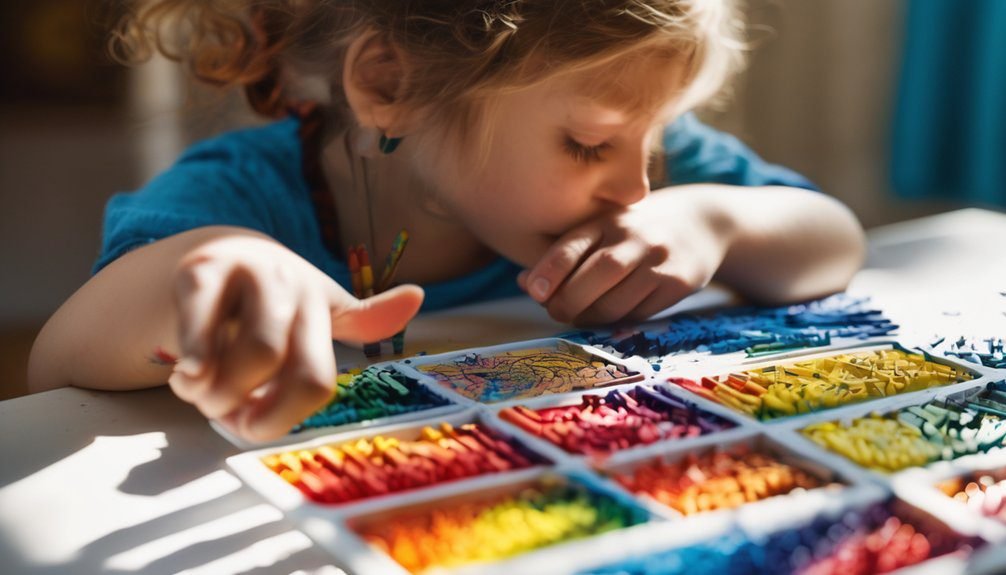
Fine motor skills are essential building blocks for children’s development, especially when it comes to writing and reading. You mightn’t realize it, but these skills help your child grip a pencil, turn pages, and form letters.
As they practice coloring, they’re actually strengthening the tiny muscles in their hands and fingers. This control is crucial when they start writing, allowing them to form letters clearly and with confidence.
Engaging in activities that promote fine motor skills, like coloring, also improves hand-eye coordination, which is vital for reading. By nurturing these skills early on, you’re setting your child up for success in their academic journey.

Enhancing Creativity Through Coloring
While many people think of coloring as just a fun pastime, it actually plays a significant role in enhancing creativity in children. When you encourage your child to color, you’re giving them a canvas to express their thoughts and emotions. They can choose colors, shapes, and designs, fostering their imagination and individuality.
As they experiment with different combinations, they learn to think outside the box. This process helps them develop original ideas and solutions, skills that are crucial for future learning.
Furthermore, coloring allows kids to visualize concepts, making abstract ideas more tangible. By engaging in this artistic activity, your child not only enjoys themselves but also builds a foundation for creative thinking that lasts a lifetime.
Building Focus and Concentration
Coloring can significantly enhance your child’s focus and concentration skills. When your little one engages in coloring activities, they’re not just filling in shapes; they’re honing their ability to concentrate on a single task. This focused attention helps them ignore distractions and stay engaged.
As they choose colors and stay within lines, they develop patience and persistence, which are crucial for later academic tasks. Additionally, coloring sessions can provide a calming effect, allowing your child to settle down and concentrate better.
Letter Formation and Grip Development
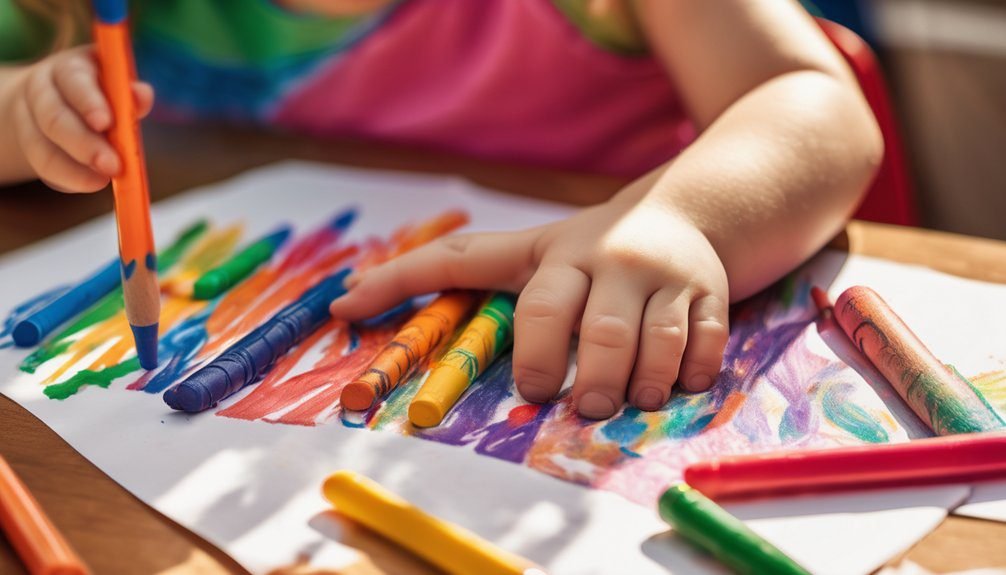
Engaging in coloring activities naturally supports your child’s letter formation and grip development. As your little one holds crayons or markers, they’re practicing the fine motor skills essential for writing. These movements help strengthen the small muscles in their hands, promoting better grip and control.
When they trace shapes or letters while coloring, they’re laying the groundwork for proper letter formation.
Encouraging your child to use different tools, like colored pencils or chalk, not only keeps things fun but also enhances their dexterity. By experimenting with various strokes and pressures, they learn how to manipulate writing instruments effectively.
This hands-on experience builds confidence, making the transition to writing smoother and more enjoyable. Remember, every doodle counts in their learning journey!
Color Recognition and Vocabulary Expansion
As children immerse themselves in coloring, they naturally enhance their color recognition skills and vocabulary. By identifying and naming colors, kids expand their language while engaging their creativity. You’ll notice how they start using more descriptive words, transforming simple conversations into rich dialogues.
Here’s a quick table to illustrate the connection between colors and vocabulary:
| Color | Vocabulary Example |
|---|---|
| Red | Apple, Fire, Rose |
| Blue | Sky, Ocean, Jeans |
| Green | Grass, Leaf, Frog |
| Yellow | Sun, Banana, Lemon |
| Purple | Grape, Lavender, Plum |
Encouraging your child to describe colors and objects helps reinforce both their color awareness and language skills, laying a strong foundation for reading and writing.
Encouraging Self-Expression and Confidence
When kids dive into the world of coloring, they not only express their creativity but also build confidence in their abilities. Each stroke of the crayon allows them to explore their emotions and ideas freely.
Coloring empowers children to express their creativity while building confidence in their unique abilities and emotions.
As they choose colors and create unique designs, they learn that their choices matter, fostering a sense of ownership over their work. This self-expression encourages them to take risks and experiment, which is vital for developing resilience.
When they see their finished work, it boosts their self-esteem, showing them that they can create something beautiful. This newfound confidence can translate to other areas, such as writing and reading, where expressing thoughts and ideas becomes easier.
Coloring truly empowers kids to believe in themselves.
Frequently Asked Questions
At What Age Should Children Start Coloring Activities?
Children can start coloring activities as early as 18 months. At this age, you’ll notice their interest in colors and shapes. It’s a fun way for them to express creativity and develop fine motor skills.
How Can Parents Encourage Coloring at Home?
Coloring’s like planting seeds in a garden; nurture them, and they’ll blossom. Encourage coloring at home by providing diverse materials, setting dedicated time, joining in the fun, and celebrating their creations to spark enthusiasm.
What Materials Are Best for Young Children to Color With?
For young children, use thick crayons, washable markers, and large sheets of paper. These materials are easier to grip and control, making coloring more enjoyable and helping them express their creativity effectively.
Are Digital Coloring Apps Effective for Skill Development?
Digital coloring apps can be effective for skill development, just like a virtual canvas. They engage kids’ creativity and fine motor skills, but balance with traditional coloring methods ensures a well-rounded experience for their growth.
How Often Should Children Engage in Coloring Sessions?
Children should engage in coloring sessions several times a week. Aim for at least two to three times weekly, allowing them to explore creativity while developing fine motor skills and enhancing their concentration.
Conclusion
In conclusion, coloring isn’t just a fun activity; it’s like a superhero training camp for your child’s writing and reading skills! Every stroke of the crayon strengthens tiny hand muscles, making gripping a pencil feel like wielding a magic wand. As their creativity soars, so does their focus, turning them into concentration champions. With each splash of color, they’re not just creating art; they’re building a literacy fortress that will support their future adventures in reading and writing!