
You might have noticed your grandmother enjoying a quiet afternoon with her coloring book, carefully choosing colors and staying within the lines. This simple activity does more than just entertain; it actively supports her hand-eye coordination. As you explore the various ways coloring engages fine motor skills and enhances mental well-being, you’ll uncover the profound benefits it can offer to seniors seeking to maintain their independence and cognitive health.
Key Takeaways
- Coloring enhances hand-eye coordination by requiring precise movements to stay within the lines and control the coloring tool.
- Engaging in coloring activities activates small muscles in the hands, improving dexterity crucial for daily tasks.
- The focus needed for coloring improves concentration and attention, supporting overall cognitive function.
- Choosing colors and blending techniques requires decision-making, further strengthening mental coordination skills.
- Regular coloring sessions promote practice in coordination, helping maintain independence in daily living activities.
The Importance of Hand-Eye Coordination in Aging
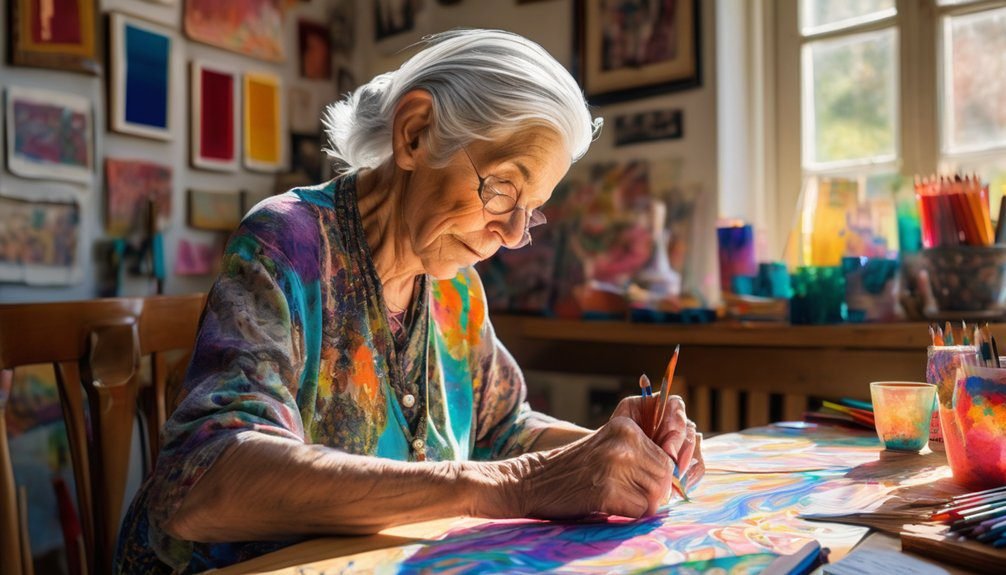
As you age, maintaining hand-eye coordination becomes crucial for daily activities and overall independence. Good coordination allows you to navigate your environment safely, whether you’re cooking, driving, or engaging in hobbies.
When your hand-eye coordination declines, simple tasks can become challenging, leading to frustration and a loss of confidence. You might find it harder to catch a ball, pour a drink, or even button your shirt.
By focusing on activities that promote coordination, you can enhance your dexterity and keep your mind sharp. Staying active and engaged not only improves your physical skills but also boosts your mental well-being.

Engaging in coordination-enhancing activities sharpens your dexterity and mental acuity, promoting overall well-being and vitality.
Prioritizing hand-eye coordination is essential for enjoying life and maintaining your autonomy as you grow older.
How Coloring Engages Fine Motor Skills
Coloring sparks creativity while simultaneously engaging your fine motor skills. As you grip a crayon or colored pencil, you activate the small muscles in your hands and fingers. This action improves your dexterity and control, essential for daily tasks.
When you focus on staying within the lines, you’re honing your precision and coordination. Each stroke requires careful attention, allowing you to practice hand movements and improve your grip strength.
Additionally, choosing colors and blending them can enhance your decision-making skills while keeping your hands busy. By making coloring a regular activity, you’ll notice a positive shift in your fine motor abilities, leading to greater independence in your everyday life.
Mental Benefits of Coloring for Seniors
While you might think of coloring as just a fun pastime, it offers significant mental benefits for seniors. Engaging in this creative activity can improve focus, reduce stress, and even boost mood. As you immerse yourself in colors and patterns, your mind gets a break from daily worries.
Here’s a quick look at some of these mental benefits:
| Benefit | Description | Impact |
|---|---|---|
| Enhanced Focus | Coloring requires concentration, honing your attention skills. | Improved clarity |
| Stress Reduction | The repetitive nature of coloring can be meditative, lowering anxiety. | Increased relaxation |
| Mood Boost | Creating art releases endorphins, promoting happiness. | Elevated spirits |
Incorporating coloring into your routine can be a simple yet effective way to enhance mental well-being.
Choosing the Right Coloring Materials
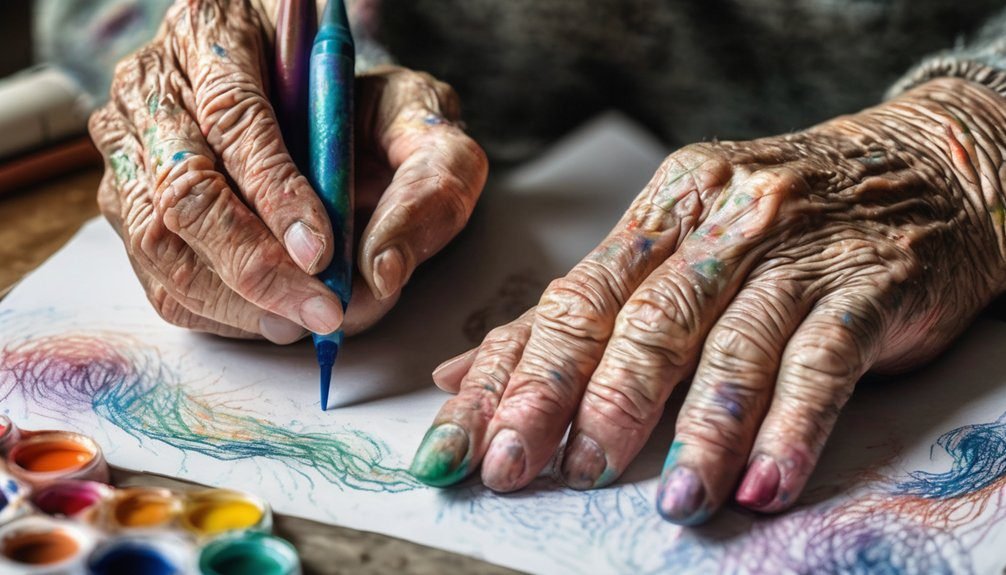
Selecting the right coloring materials can significantly enhance your experience and enjoyment. When choosing coloring books, opt for larger designs with bold outlines that make it easier for you to stay within the lines. Look for paper that can handle various mediums, like colored pencils or markers, without bleeding through.
For coloring tools, consider using ergonomic pencils or markers designed for comfort, especially if you have limited grip strength. You might also enjoy gel pens or watercolor pencils for added creativity.
Don’t forget about the color palette; vibrant colors can inspire you and keep your mood elevated. Ultimately, the right materials can make coloring a more enjoyable and fulfilling activity for you, enhancing both your creativity and coordination skills.
Tips for Encouraging Regular Coloring Sessions
Finding the right materials sets the stage for a rewarding coloring experience, but making it a regular habit can further enhance your hand-eye coordination and overall enjoyment.
To encourage consistency, set a specific time each week dedicated to coloring. Create a cozy coloring nook with your supplies easily accessible; this invites creativity.
You can also join a coloring group, either in-person or online, to share your progress and stay motivated. Try themed coloring challenges or select a new page each week to keep things fresh.
Lastly, consider incorporating your favorite music or podcasts during sessions to make it enjoyable.
With these tips, you’ll look forward to coloring regularly and reaping all its benefits.
Frequently Asked Questions
Can Coloring Help Reduce Anxiety in Seniors?
Yes, coloring can help reduce anxiety in seniors. It offers a calming activity that allows you to focus, express creativity, and escape daily stressors, leading to a more relaxed and peaceful state of mind.
What Types of Coloring Techniques Are Beneficial for Seniors?
You’ll love using techniques like shading, blending, and outlining. These methods sharpen your focus and improve dexterity. Plus, experimenting with different styles can keep your creative juices flowing and make coloring even more enjoyable!
How Often Should Seniors Color for Optimal Benefits?
You should color several times a week to reap optimal benefits. Even 15 to 30 minutes per session can enhance your skills, boost relaxation, and foster creativity, making it a rewarding and enjoyable activity.
Are There Specific Coloring Books Designed for Seniors?
Yes, there are specific coloring books designed for seniors! These often feature larger images, simpler designs, and themes that resonate with older adults. You’ll find many options that cater to your interests and preferences.
Can Group Coloring Sessions Enhance Social Interaction Among Seniors?
Yes, group coloring sessions can definitely enhance social interaction among seniors. You’ll find that sharing creativity fosters connections, sparks conversations, and builds friendships, making the experience enjoyable and enriching for everyone involved in the activity.
Conclusion
Coloring isn’t just a fun pastime; it’s a powerful tool for improving hand-eye coordination in seniors. Did you know that studies show engaging in activities like coloring can reduce the risk of cognitive decline by up to 30%? By incorporating regular coloring sessions into your routine, you’re not only boosting your dexterity but also keeping your mind sharp. So grab those coloring tools and start creating—your hands and brain will thank you for it!