
Did you know that nearly 75% of adults find coloring to be a relaxing activity? This trend isn’t just for kids; it opens up a world of creativity for anyone willing to explore. By transforming simple coloring book pages into unique art pieces, you can express your individuality. So, how do you start this artistic journey and elevate your coloring experience? Let’s explore the steps to create something truly personal.
Key Takeaways
- Select coloring book pages that resonate with you and spark joy for a more personal artistic experience.
- Choose a color palette based on the mood you want to convey, using warm or cool tones accordingly.
- Experiment with different mediums like watercolors, acrylics, and pastels to achieve diverse textures and effects in your artwork.
- Add depth and texture by layering colors, utilizing patterns, and employing blending techniques for a more dynamic piece.
- Share your completed art on platforms like Instagram or Pinterest, using relevant hashtags and stories to connect with others.
Selecting the Right Coloring Book Pages
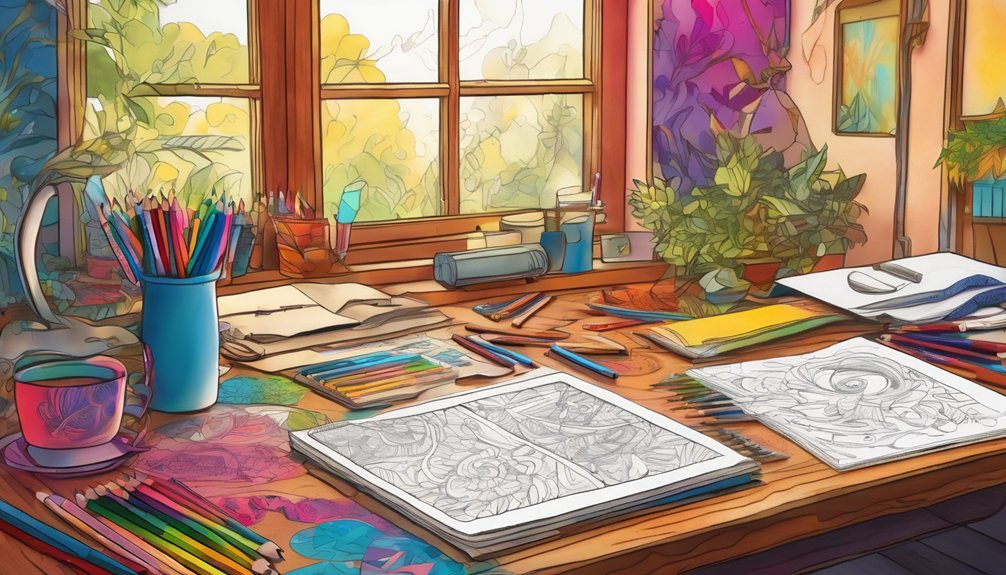
When choosing coloring book pages, how do you know which ones will inspire your creativity? Start by looking for designs that resonate with you personally.
Whether it’s intricate mandalas or whimsical animals, pick pages that spark joy or intrigue. Don’t shy away from different styles; exploring various themes can lead to unexpected artistic breakthroughs.
Choose coloring pages that ignite your passion and curiosity; exploring diverse styles can unlock new creative possibilities.
Consider the complexity of the designs, too. If you’re feeling adventurous, go for detailed pages that challenge your skills. On the other hand, if you want a relaxing experience, simpler designs might be more suitable.
Lastly, trust your instincts—if a page makes you excited to color, it’s likely a perfect choice for unleashing your creativity.

Happy coloring!
Choosing Your Color Palette
As you dive into your coloring project, choosing the right color palette can elevate your artwork from simple to striking. Start by considering the mood you want to convey—warm tones for energy, cool tones for calm. You can also draw inspiration from nature or existing artworks.
Here’s a simple way to organize your color choices:
| Color Category | Suggested Colors |
|---|---|
| Warm Tones | Red, Orange, Yellow |
| Cool Tones | Blue, Green, Purple |
| Neutral Tones | Brown, Gray, Beige |
| Accent Colors | Gold, Silver, White |
Experimenting With Different Mediums
While you might be accustomed to using colored pencils or markers, experimenting with different mediums can unlock new dimensions in your coloring book art.
Try watercolors for a soft, blended look, or acrylics for vibrant, opaque colors. Don’t shy away from pastels, which can add a beautiful, chalky texture. You can even combine mediums; for instance, use colored pencils over watercolor to add fine details.
Ink pens can help define outlines and add a bold contrast, while gel pens can introduce metallic or glitter effects. Each medium brings its own unique feel and character to your artwork.
Adding Texture and Depth
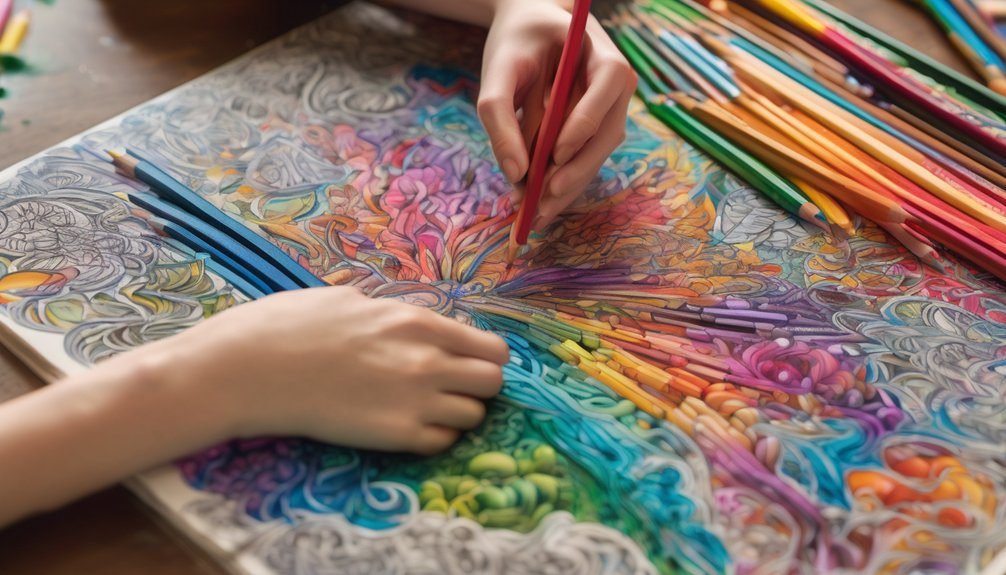
To enhance your coloring book pages, adding texture and depth can transform flat images into captivating works of art.
Start by layering your colors. Use lighter shades as a base and gradually add darker tones to create shadows. This technique adds dimension and makes your artwork pop.
You can also experiment with stippling or cross-hatching using your colored pencils to generate a tactile quality. Try incorporating patterns or lines to suggest textures like fur or fabric.
Additionally, consider using a blending tool, like a blending stump, to smooth out colors and create depth.
Don’t forget to highlight certain areas with white gel pens or metallic markers for extra contrast, drawing the viewer’s eye to focal points in your composition.
Incorporating Mixed Media Techniques
Building on the texture and depth you’ve added, incorporating mixed media techniques can elevate your coloring book pages even further. You can blend various materials like watercolors, markers, and collage elements to create a dynamic look.
Start by applying a wash of watercolor to the background, letting it dry before adding colored pencil details. Consider layering cut-out images or patterned paper to add interest and dimension.
Don’t shy away from using gel pens or acrylic paints to highlight specific areas. Experiment with different textures by gluing fabric or using modeling paste for a three-dimensional effect.
Enhancing With Patterns and Designs
Patterns and designs can transform your coloring book pages from simple to stunning. Start by adding intricate patterns within the larger shapes. Use fine liners or gel pens to create textures that draw the eye, like stripes, polka dots, or swirls.
You can also layer designs by coloring one area and then overlaying another pattern with a different color. Don’t hesitate to mix geometric shapes with organic ones for a unique look. Stencils can be a helpful tool, allowing you to create consistent patterns effortlessly.
Experiment with varying opacities and colors to add depth. The key is to let your creativity shine, turning each page into a personalized piece of art that reflects your style and imagination.
Framing and Displaying Your Artwork
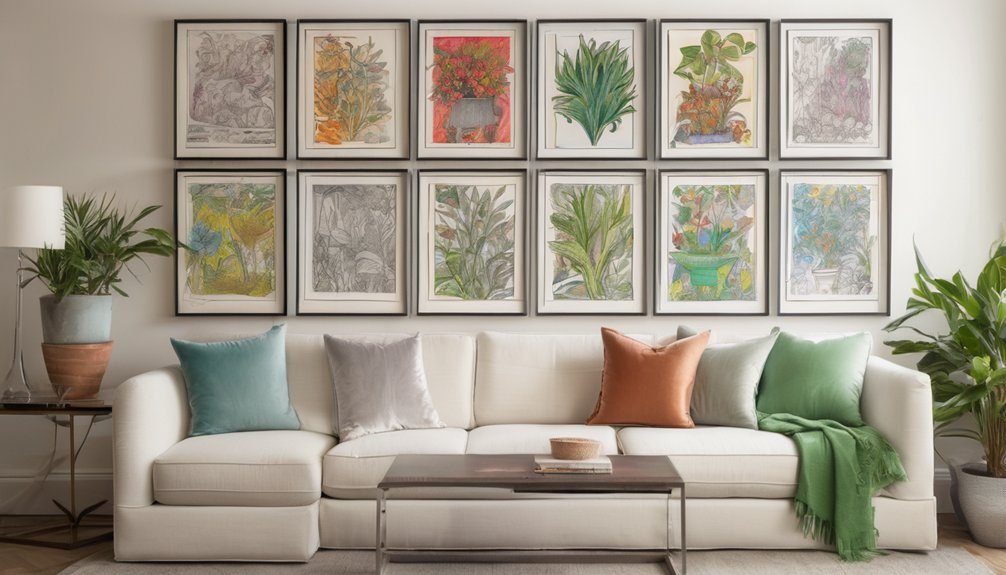
Displaying your artwork can elevate its impact and showcase your creativity in a whole new light. Start by selecting a frame that complements your piece; consider colors and styles that enhance your artwork’s theme. A simple black or white frame often works well, but don’t shy away from bold choices if they match your vision.
Next, find the right spot for display. Whether it’s a gallery wall or a cozy nook, ensure the lighting highlights your art without causing glare. Consider using clipboards or washi tape for an informal look, allowing easy swapping of new pieces.
Finally, step back and admire your work. Framing and displaying your creations not only beautifies your space but also inspires you and others around you.
Sharing Your Creations Online
How can you effectively share your creations online and connect with a broader audience? Start by taking high-quality photos of your artwork. Good lighting and clear images make a big difference.
Next, choose the right platforms—Instagram, Pinterest, and Facebook are great for visual art. Use relevant hashtags to increase your visibility and attract followers who appreciate your style.
Consider joining online art communities or groups where you can post your work and engage with others. Don’t forget to share the story behind each piece; it helps create a personal connection.
Lastly, encourage feedback and interaction by asking questions or hosting small contests. By actively sharing and engaging, you’ll build a supportive network around your artistic journey.
Collaborating With Other Artists
While collaborating with other artists can be a rewarding experience, it also opens up new avenues for creativity and growth. You’ll discover fresh perspectives and techniques that can enhance your coloring book art.
Reach out to artists whose work inspires you, whether through social media or local art groups. Consider combining your styles on a single piece or creating a series together. This exchange of ideas can spark innovative concepts and push you out of your comfort zone.
Don’t hesitate to share your coloring book pages and invite input; constructive feedback can elevate your work. Remember, collaboration isn’t just about merging styles; it’s about building connections that can lead to new opportunities and friendships in the art community.
Exploring New Artistic Styles and Themes
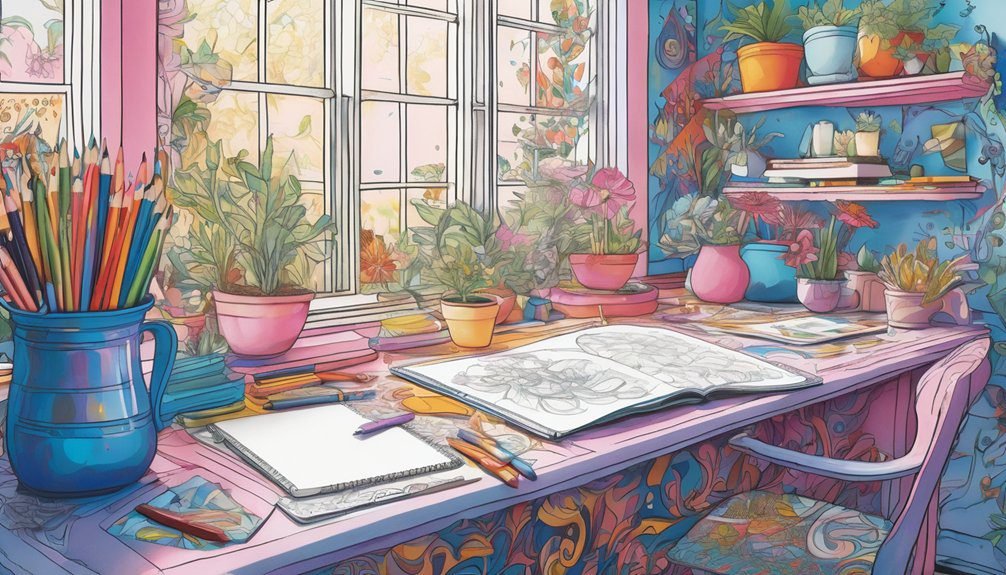
As you venture into exploring new artistic styles and themes, you’ll find that experimenting can invigorate your coloring book pages in unexpected ways.
Consider trying different techniques, like watercolor, pastels, or even digital tools to add depth and texture. Embrace diverse themes—think surrealism, abstract, or even pop culture—to give your pages a fresh perspective.
Mix and match styles; for instance, combine intricate line work with bold, vibrant colors. Don’t shy away from incorporating your own personal flair—add doodles, quotes, or mixed media elements. Each page becomes a canvas for your imagination.
Frequently Asked Questions
Can I Sell My Artwork Created From Coloring Book Pages?
Yes, you can sell your artwork created from coloring book pages, but make sure you check for copyright restrictions. Many coloring books have specific rules about commercial use, so always verify before selling.
What Are the Copyright Implications of Using Coloring Book Pages?
Using coloring book pages can lead to copyright issues since they’re often protected. You can’t sell your altered artworks without permission from the original artist or publisher, so always check the copyright terms beforehand.
Are There Specific Coloring Book Brands Recommended for Artists?
You’ll love brands like Johanna Basford and Creative Haven. Their intricate designs spark creativity and invite exploration. Dive into these captivating pages, and you might just discover unexpected inspiration waiting for you to unleash your artistic flair.
How Do I Choose a Theme for My Artwork?
To choose a theme for your artwork, think about what inspires you. Consider personal experiences, nature, or emotions. Exploring different themes will help you find a direction that resonates with your creative vision.
Can I Use Digital Coloring Book Pages for My Art?
Yes, you can absolutely use digital coloring book pages for your art! They offer versatility and convenience, allowing you to experiment with colors and styles while creating unique pieces that reflect your personal artistic vision.
Conclusion
Now that you’ve transformed your coloring book pages into vibrant works of art, don’t hesitate to share your journey with others. Each piece tells a story, like a whisper of your creativity waiting to be heard. Embrace the joy of collaboration and explore new styles to keep your artistic flame alive. Remember, art is a bridge connecting hearts and minds, so let your creations shine and inspire fellow enthusiasts around the world!