
Using coloring as a tool to teach kids about seasons can be both effective and enjoyable. By selecting themed pages that highlight seasonal features, you can guide discussions about nature’s changes. This method not only engages their creativity but also reinforces their understanding of different seasons. Want to discover how to choose the right coloring pages and integrate hands-on activities that make learning more impactful? Let’s explore the possibilities.
Key Takeaways
- Select seasonal-themed coloring pages that illustrate distinct characteristics of each season to enhance learning engagement.
- Encourage discussions while kids color to deepen understanding of seasonal changes and elements.
- Create a coloring station with various seasonal activities to stimulate creativity and hands-on learning.
- Integrate seasonal art projects that allow kids to express their understanding of nature’s cycles through different mediums.
- Use coloring to reinforce color recognition and seasonal symbols, solidifying knowledge through visual and active processing.
The Benefits of Coloring for Learning About Seasons
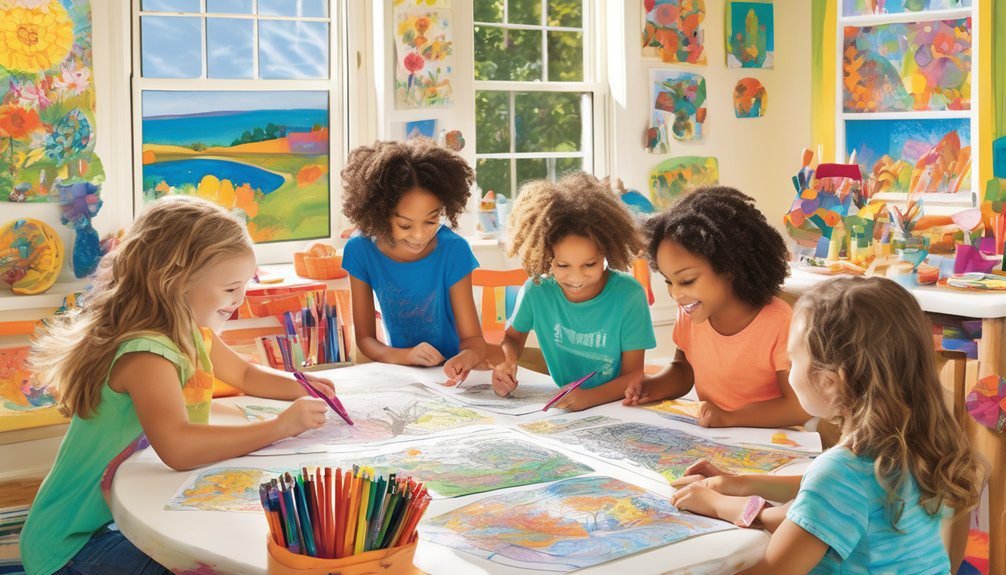
Coloring can be a powerful tool for teaching kids about the seasons, especially when you consider how engaging it’s for them. Through coloring, you’re not just providing an artistic outlet; you’re helping them understand the distinct characteristics of each season.
As they color images of blooming flowers in spring or falling leaves in autumn, they begin to associate colors and themes with specific times of the year. This hands-on activity can enhance memory retention and make learning enjoyable.

Plus, it encourages creativity and fine motor skills, which are crucial for their development. By connecting art with seasonal themes, you’re fostering a deeper understanding of nature’s cycles while keeping their interest piqued.
Seasonal Coloring Pages: Ideas and Themes
When it comes to seasonal coloring pages, there are endless ideas and themes that can spark kids’ imagination and enhance their understanding of each season.
For spring, consider pages featuring blooming flowers, butterflies, and baby animals. In summer, opt for sunny beach scenes, ice cream cones, or outdoor activities like picnics and camping.
Autumn can be represented with colorful leaves, pumpkins, and Halloween fun. Finally, winter offers snowmen, cozy fireplaces, and holiday celebrations.
Autumn brings vibrant leaves and festive pumpkins, while winter delights with snowmen and warm holiday gatherings.
You can also create themed pages with seasonal activities, like sledding in winter or planting seeds in spring. These engaging illustrations not only entertain but also help kids connect with the characteristics and joys of each season, making learning fun and interactive.
Integrating Coloring Activities Into Seasonal Lessons
Incorporating coloring activities into seasonal lessons can make learning more dynamic and enjoyable for kids. Start by selecting themes that align with the current season, like autumn leaves or winter snowflakes.
As you introduce the topic, hand out coloring pages that reflect the lesson’s focus, allowing kids to express their understanding through art. Encourage them to discuss what they’re coloring, reinforcing vocabulary related to the season.
You might also create a coloring station where kids can explore different seasonal elements, like flowers in spring or beach scenes in summer. This hands-on approach not only reinforces learning but also keeps students engaged and excited about their lessons.
Encouraging Creativity Through Seasonal Art Projects
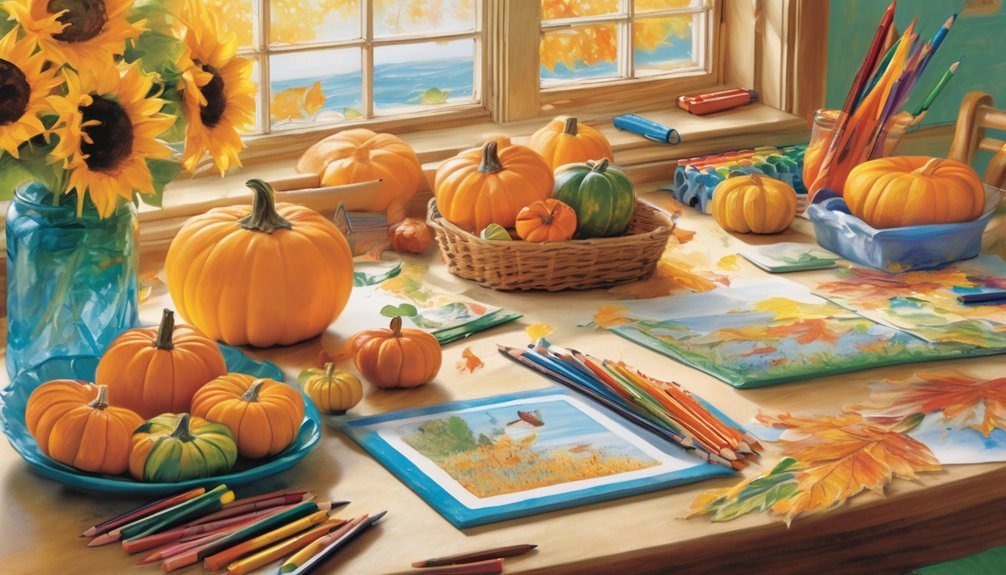
Building on the excitement of coloring activities, seasonal art projects can further inspire creativity and self-expression in kids. You can encourage them to create artwork that reflects the unique features of each season.
For instance, during spring, they might use vibrant colors to paint flowers or craft butterflies from paper. In summer, let them make sun catchers or beach-themed collages. As autumn arrives, they can collect leaves and create a nature-inspired mural, while winter could inspire snowflake cutouts or holiday decorations.
Assessing Understanding: How Coloring Reinforces Seasonal Concepts
Coloring can be a powerful tool for reinforcing kids’ understanding of seasonal concepts, as it allows them to engage with the visual elements that define each time of year. When kids color seasonal scenes, they actively process information, making connections between colors, symbols, and the characteristics of each season.
This hands-on activity helps solidify their knowledge in several ways:
- Color Recognition: Kids associate specific colors with seasons, like green for spring or orange for autumn.
- Symbol Identification: They learn to identify seasonal symbols, such as snowflakes for winter or flowers for spring.
- Conceptualization: Coloring encourages them to think about seasonal changes, like temperature shifts and daylight variations.
Frequently Asked Questions
What Age Group Is Best Suited for Seasonal Coloring Activities?
Kids aged 3 to 8 are best suited for seasonal coloring activities. At this age, they’re curious, enjoy creative expression, and can grasp basic concepts of seasons, making learning fun and engaging through coloring.
How Can I Create My Own Seasonal Coloring Pages?
Did you know that 80% of children learn best through hands-on activities? To create your own seasonal coloring pages, sketch seasonal scenes, use vibrant colors, and incorporate fun elements like weather or holidays to engage kids creatively.
Are There Any Online Resources for Seasonal Coloring Pages?
Yes, you can find plenty of online resources for seasonal coloring pages. Websites like Crayola, Education.com, and Pinterest offer a variety of free printables that’ll keep your kids engaged and learning about the seasons.
What Materials Are Best for Coloring Activities?
For coloring activities, you’ll want quality crayons, colored pencils, or markers. Thick paper helps prevent bleed-through, and a good eraser can fix mistakes. Don’t forget a clean workspace to keep everything organized and enjoyable!
How Can I Assess a Child’s Progress in Seasonal Understanding?
You can assess a child’s progress by observing their ability to identify seasonal changes; studies show kids grasp concepts better through hands-on learning. Ask questions and encourage discussions to evaluate their understanding effectively.
Conclusion
Incorporating coloring into your lessons about seasons is like planting seeds in a garden of knowledge. As kids color and create, they’re not just having fun; they’re nurturing their understanding of nature’s cycles. By exploring seasonal themes and engaging in hands-on projects, you’re helping them grow a deeper appreciation for the world around them. So, grab those crayons and let their imaginations bloom as they learn about the beauty of each season!