
Coloring can be a simple yet effective way for kids to manage stress and anxiety. When they engage in this creative activity, they can momentarily escape their worries and express their feelings through colors. This process not only calms their minds but also enhances their emotional well-being. Discovering the best ways to incorporate coloring into their lives can make a significant difference in their overall happiness and resilience. What are some strategies you can explore together?
Key Takeaways
- Coloring provides a calming focus, helping children relax and reduce stress through a simple, enjoyable activity.
- Engaging in coloring allows children to express their emotions and thoughts creatively, promoting emotional well-being.
- The repetitive motions involved in coloring can have a soothing effect, helping to alleviate anxiety.
- Coloring activities can be social, fostering connections with peers and family, which further enhances stress relief.
- Mindfulness coloring encourages children to stay present, supporting self-reflection and positive emotional processing.
The Importance of Creative Expression for Children
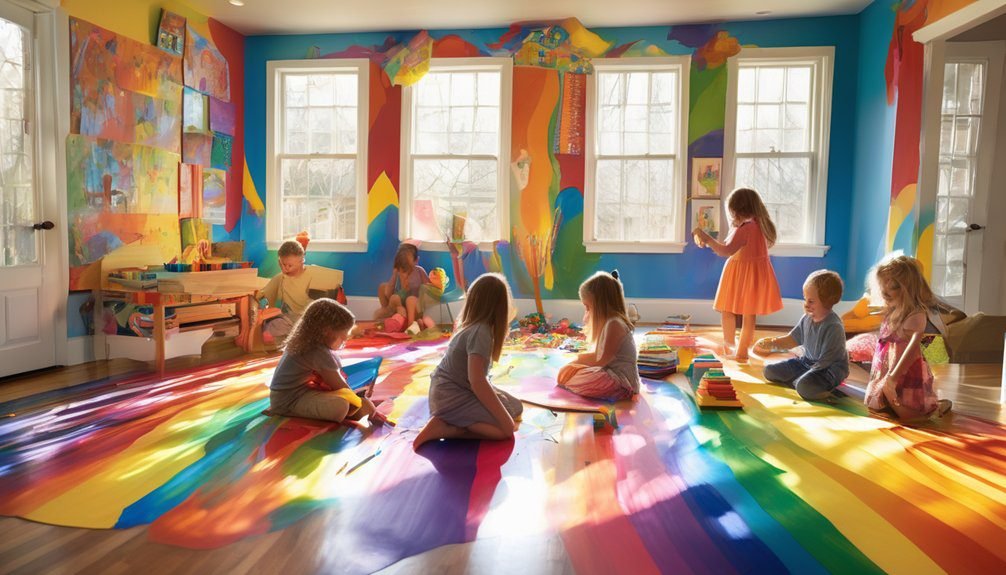
While kids often find themselves overwhelmed by daily pressures, creative expression offers them an essential outlet for their feelings and thoughts. Engaging in activities like drawing, painting, or crafting allows you to explore your emotions and communicate in ways that words sometimes can’t capture.
When you create, you gain a sense of control over your environment, which can be incredibly empowering. This process not only fosters self-esteem but also encourages problem-solving skills as you experiment with different materials and techniques.
Moreover, creative expression nurtures imagination, helping you develop a unique perspective on the world. So, whether you’re doodling in a notebook or building with blocks, remember that these creative moments are vital for your emotional well-being and personal growth.

How Coloring Reduces Stress and Anxiety
Creative expression not only helps kids communicate their feelings but also serves as a powerful tool for reducing stress and anxiety. When you encourage your child to color, you’re providing them with a fun, engaging way to unwind.
Encouraging your child to color fosters emotional expression and helps reduce stress, offering a delightful way to relax and unwind.
Here’s how coloring can help:
- It promotes relaxation by focusing the mind on a simple task.
- The repetitive motions of coloring can have a calming effect.
- Choosing colors allows for personal expression, fostering a sense of control.
- It distracts from negative thoughts, encouraging a more positive mindset.
- Coloring can be a social activity, building connections with peers or family.
The Therapeutic Benefits of Mindfulness Coloring
Have you ever noticed how focusing on a simple activity can shift your mood? Mindfulness coloring is a fantastic way to enhance your emotional well-being. As you immerse yourself in choosing colors and filling in designs, you anchor yourself in the present moment. This process helps clear your mind of distractions and worries, promoting relaxation.
You might find that this creative expression allows for deeper self-reflection, helping you process emotions in a constructive way. Plus, it’s an excellent opportunity to practice gratitude as you appreciate each stroke of color.
Motor Skill Development Through Coloring Activities

Engaging in coloring activities not only promotes relaxation but also significantly aids in motor skill development. As you encourage your child to color, they enhance their fine motor skills, which are crucial for everyday tasks.
Coloring helps improve hand-eye coordination and dexterity, setting a strong foundation for future skills like writing and typing.
Consider these benefits of coloring for motor skill development:
- Strengthens grip and control of writing instruments
- Encourages precise hand movements and coordination
- Develops spatial awareness through staying within lines
- Boosts focus and concentration during intricate tasks
- Fosters creativity while exercising fine motor skills
Incorporating coloring into your child’s routine can be a fun way to build essential skills while providing a soothing outlet for stress relief.
Choosing the Right Coloring Materials
While selecting the right coloring materials can enhance your child’s experience, it’s essential to consider their age and preferences. For younger kids, opt for thick crayons or washable markers, as these are easier to grip and less likely to create a mess.
As they grow, introduce colored pencils or gel pens for more detailed work.
Also, think about the type of paper. Heavyweight paper can handle various mediums without tearing. If your child loves vibrant colors, look for high-quality markers that won’t bleed through.
Finally, let their interests guide your choices—whether it’s characters from their favorite show or nature scenes, having materials that resonate with them will keep them engaged and excited to color.
Setting Up a Relaxing Coloring Space
Creating a calming coloring space can significantly enhance your child’s focus and enjoyment. By setting the right atmosphere, you can foster creativity and reduce stress.
Start by choosing a quiet area in your home where distractions are minimal. Make sure the space is well-lit, whether by natural sunlight or soft lamps.
Consider including the following items to create a soothing environment:
- Comfortable seating that supports good posture
- A sturdy table or surface for coloring
- Soft background music or nature sounds for relaxation
- Organized storage for coloring supplies to minimize clutter
- A few plants or calming decorations to add a touch of nature
With these elements in place, your child can fully immerse themselves in their coloring journey.
Incorporating Coloring Into Daily Routines

Incorporating coloring into your child’s daily routine can be a simple yet effective way to promote relaxation and creativity. Set aside a specific time each day, like after school or before bedtime, to engage in coloring.
You might create a cozy nook with their favorite supplies, making it an inviting ritual. Encourage them to express feelings through colors, helping them process emotions.
Use short sessions, around 15-20 minutes, to keep it enjoyable without overwhelming them. You can also pair coloring with calming music or a favorite story to enhance the experience.
Encouraging Group Coloring Activities for Social Interaction
Group coloring activities can be a fantastic way to boost social interaction among kids, as they allow for teamwork and creativity in a relaxed setting. When kids color together, they not only engage their artistic skills but also build essential social bonds.
Here are some benefits of encouraging group coloring:
- Enhanced Communication: Kids learn to express ideas and collaborate on designs.
- Problem-Solving Skills: They navigate color choices and layout, promoting critical thinking.
- Emotional Support: Coloring together can ease anxiety and foster a sense of belonging.
- Conflict Resolution: Kids practice resolving disagreements over color selections or designs.
- Shared Accomplishments: Completing a large mural boosts collective pride and strengthens friendships.
Encouraging group coloring can help your kids thrive socially while having fun!
Frequently Asked Questions
What Age Is Best for Introducing Coloring to Children?
You can introduce coloring to children as young as 18 months. At this age, they start developing fine motor skills. Keep it fun and simple, and watch their creativity blossom as they grow!
How Often Should Children Engage in Coloring Activities?
To keep the creative juices flowing, you should encourage your kids to color several times a week. Regular coloring helps develop their fine motor skills and boosts concentration, making it a fun and beneficial activity!
Can Coloring Help With Behavioral Issues in Children?
Yes, coloring can help with behavioral issues in children. It encourages focus, boosts creativity, and provides a calming outlet for emotions. By engaging in coloring, you’ll notice improvements in their behavior and overall emotional regulation.
What Themes Are Most Popular for Children’s Coloring Books?
Popular themes for children’s coloring books include animals, fantasy worlds, superheroes, and nature. You’ll find that characters from movies and shows also captivate kids, making their creativity flourish as they color their favorite scenes.
Are There Specific Techniques to Enhance the Coloring Experience?
Yes, you can enhance your coloring experience by using different coloring techniques like blending, shading, or layering colors. Experiment with various tools like colored pencils, markers, or gel pens to create unique effects and textures.
Conclusion
Incorporating stress relief coloring into your child’s routine can boost creativity, enhance focus, and promote relaxation. By providing the right materials and setting up a calming space, you can encourage your child to express themselves freely. Whether they’re coloring solo or with friends, this simple activity can lead to stronger connections and happier hearts. So grab those crayons, unleash their imagination, and watch as they find joy in every stroke of color!