
Did you know that interactive coloring can significantly boost a child’s cognitive and emotional development? This modern twist on a classic activity not only allows kids to express their feelings through color but also enhances their fine motor skills. As you explore the various platforms available, you’ll discover how these tools foster creativity and collaboration among young artists. What other benefits could arise from incorporating technology into this age-old pastime?
Key Takeaways
- Interactive coloring enhances creativity, allowing children to express themselves and explore their artistic talents.
- Digital platforms like Colorfy and Pigment offer diverse designs and realistic tools for engaging coloring experiences.
- Coloring improves fine motor skills and hand-eye coordination, essential for children’s physical development.
- Collaborative features in apps promote social skills as children share and discuss their creations with peers.
- Future trends like AR coloring experiences will make interactive coloring even more dynamic and engaging for children.
The Evolution of Coloring: From Crayons to Digital Apps
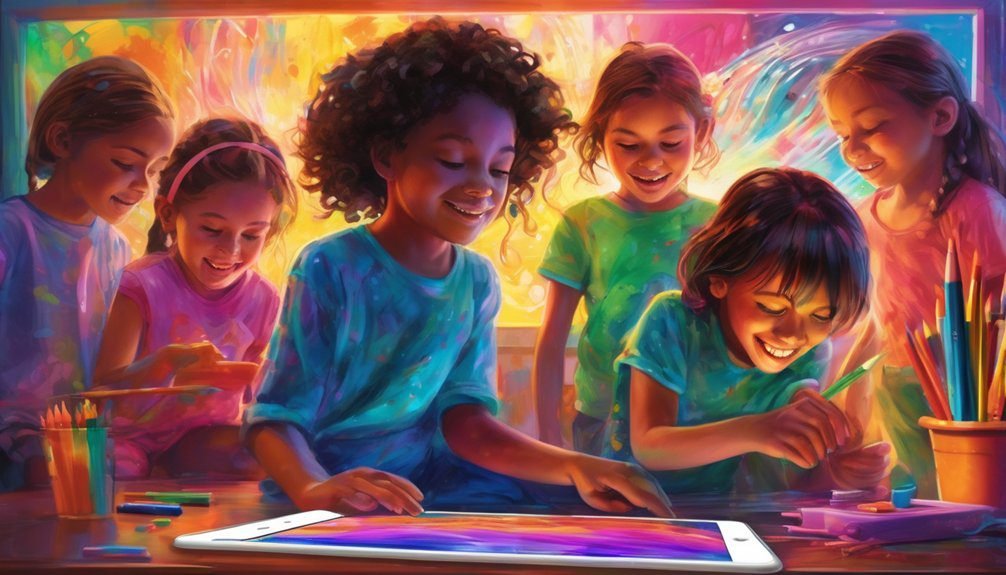
As you explore the world of coloring, you’ll notice how it has transformed from simple crayons in your childhood to advanced digital apps today.
What began with a box of colorful wax sticks has evolved into a vibrant digital landscape filled with endless possibilities. You might recall the satisfaction of filling in a drawing with your favorite colors, but now, you can tap and swipe to create stunning masterpieces on a tablet or smartphone.
These apps not only offer a vast array of colors but also interactive features like animations and sound effects. You can even share your creations instantly with friends and family.

This evolution showcases how technology has enriched the coloring experience, making it more engaging and accessible than ever before.
Benefits of Interactive Coloring for Child Development
While some may think coloring is just a fun pastime, interactive coloring actually plays a crucial role in child development. It enhances creativity and self-expression, allowing kids to experiment with colors and designs in a safe environment.
Moreover, it helps improve fine motor skills as they navigate their digital tools or crayons, refining their hand-eye coordination.
- Cognitive Development: Interactive coloring stimulates problem-solving skills as children decide how to fill in spaces and choose colors.
- Emotional Growth: Engaging in coloring activities can help kids express their feelings and reduce anxiety.
- Social Skills: When coloring with peers or family, children learn to collaborate and share ideas, fostering teamwork.
Popular Interactive Coloring Platforms and Apps
Interactive coloring not only supports child development but also has evolved with technology, offering various platforms and apps that enhance the coloring experience. You can explore these engaging tools that make coloring both fun and educational. Here are some popular interactive coloring platforms and apps you might enjoy:
| App/Platform | Features |
|---|---|
| Colorfy | Offers intricate designs and patterns to color digitally. |
| Pigment | Provides realistic coloring tools and a variety of palettes. |
| Happy Color | Features a multitude of images and a number system for easy coloring. |
| Recolor | Allows you to share your artwork and discover others’ creations. |
Each of these platforms offers unique features that can spark your creativity while making coloring a delightful experience!
Enhancing Creativity Through Color Choices
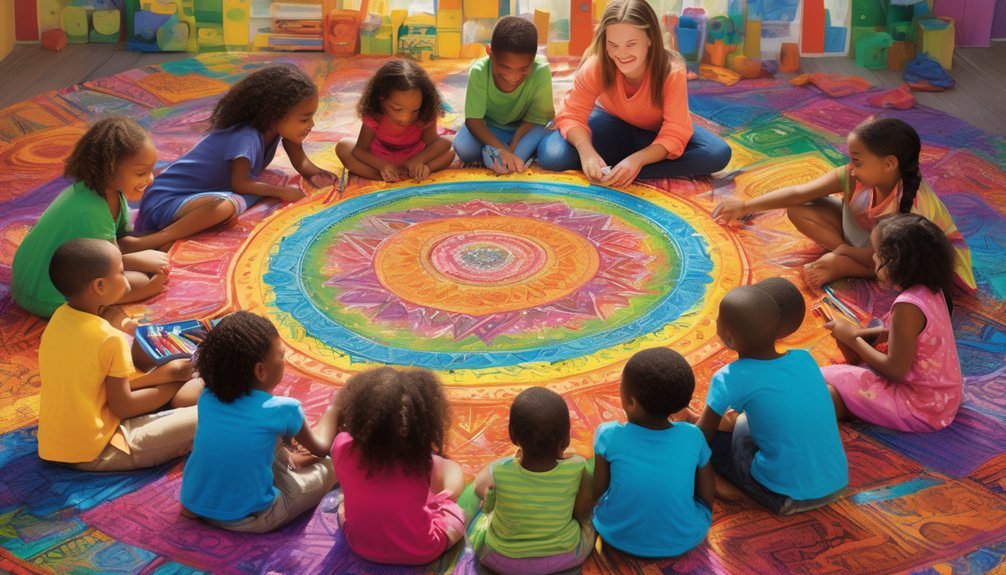
Color choices can dramatically influence a child’s creative expression and emotional connection to their artwork. By encouraging children to explore various colors, you help them develop their unique artistic voice.
Allowing them to choose colors freely fosters independence and self-confidence in their creative process.
Encouraging free color choice nurtures children’s independence and boosts their self-confidence in creativity.
- Emotional Impact: Different colors evoke different feelings, helping children articulate emotions through their art.
- Cultural Significance: Colors can carry cultural meanings, enabling children to explore diversity and inclusivity in their artwork.
- Mixing and Matching: Experimenting with color combinations enhances problem-solving skills, as they learn what works together and what doesn’t.
The Role of Technology in Modern Art Education
As technology continues to evolve, it transforms how art education is delivered, making it more accessible and engaging for children.
With digital tools and platforms, you can introduce your child to various artistic techniques and styles, right from the comfort of home. Interactive apps and online courses allow kids to experiment with colors and create art projects without the mess of traditional materials.
Virtual reality experiences can immerse them in famous art pieces, fostering a deeper appreciation for creativity. Additionally, social media platforms enable children to share their artwork and receive feedback from a wider audience, boosting their confidence.
Tips for Parents to Encourage Interactive Coloring
One effective way to spark your child’s interest in coloring is to create a dedicated art space at home. This space should be inviting and filled with supplies that inspire creativity.
Creating a dedicated art space at home can ignite your child’s passion for coloring and unleash their creativity.
To further encourage interactive coloring, consider these tips:
- Offer a variety of materials: Include colored pencils, markers, and watercolors to keep things exciting and allow for different techniques.
- Join in the fun: Show your child that coloring is enjoyable by participating alongside them, sharing ideas, and exploring themes together.
- Celebrate their creations: Display their artwork around the house, making them feel proud and motivated to continue expressing themselves through art.
Future Trends in Interactive Coloring Experiences
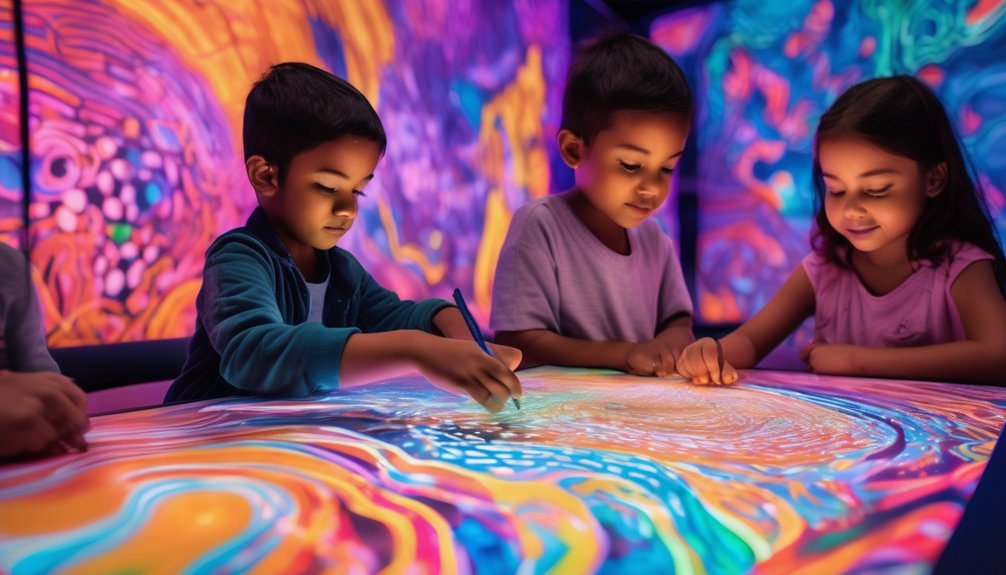
While traditional coloring remains a beloved pastime, the future of interactive coloring experiences is set to transform how children engage with art.
You’ll soon see a surge in augmented reality (AR) applications that bring coloring pages to life, allowing kids to see their creations in 3D. Imagine your child coloring a butterfly, then watching it flutter around their room!
Additionally, AI-driven platforms will personalize coloring suggestions based on your child’s preferences, making art more engaging.
Collaborative online coloring sessions will also emerge, enabling kids to connect with friends while they color together, regardless of distance.
With these innovations, interactive coloring won’t only spark creativity but also enhance social interactions, making art a more dynamic experience for your little ones.
Frequently Asked Questions
What Materials Are Best for Traditional Interactive Coloring?
For traditional interactive coloring, you’ll want quality colored pencils, markers, and crayons. Choose thick paper to prevent bleed-through. Don’t forget to have erasers handy for mistakes; they help keep your artwork looking sharp and clean!
How Can I Create My Own Coloring Pages?
Start by sketching your designs on paper, then scan or photograph them. Use digital tools like Procreate or Adobe Illustrator to refine your pages. Finally, save and print them for your coloring adventures!
Are There Age Recommendations for Interactive Coloring Apps?
Yes, age recommendations for interactive coloring apps typically range from 2 to 12 years. You should check app descriptions for specific age guidelines, as they ensure appropriate content and features for your child’s developmental stage.
Can Interactive Coloring Improve Fine Motor Skills?
Yes, interactive coloring can improve fine motor skills. As you engage with the app, you’ll enhance hand-eye coordination, precision, and control. These activities encourage your child’s dexterity while making learning enjoyable and creative.
How Do I Choose the Right Coloring Platform for My Child?
Choosing the right coloring platform for your child’s like picking the perfect paintbrush. Look for engaging designs, age-appropriate features, and user-friendly interfaces. Test a few to see what sparks their creativity and keeps them entertained.
Conclusion
In the delightful world of interactive coloring, you’re not just watching your child create; you’re witnessing their imagination blossom. As they swirl colors and shape stories, you’re nurturing their creativity and emotional growth. With technology as their canvas, every digital stroke becomes a stepping stone to self-expression. So, embrace this colorful adventure together and let their artistic spirit soar, because in this vibrant journey, the possibilities are as limitless as their imagination.