
You might not realize it, but coloring can be a surprisingly effective way to manage stress in your daily life. As you engage with colors and patterns, you’ll find a unique escape from your routine pressures. This simple act can shift your focus, promote relaxation, and even boost your mood. But what’s the science behind this? Let’s explore how this creative outlet can transform your approach to stress management.
Key Takeaways
- Coloring provides a mental break, allowing adults to step away from daily stressors and worries.
- Engaging in coloring promotes mindfulness, helping individuals focus on the present moment and reduce anxiety.
- The rhythmic motion of coloring can sync with breathing, enhancing relaxation and calming the mind.
- Completing a coloring project offers a sense of accomplishment, boosting mood and overall mental well-being.
- Choosing colors and shapes taps into creativity, providing a creative outlet that helps relieve stress.
The Science Behind Stress and Its Impact on Adults
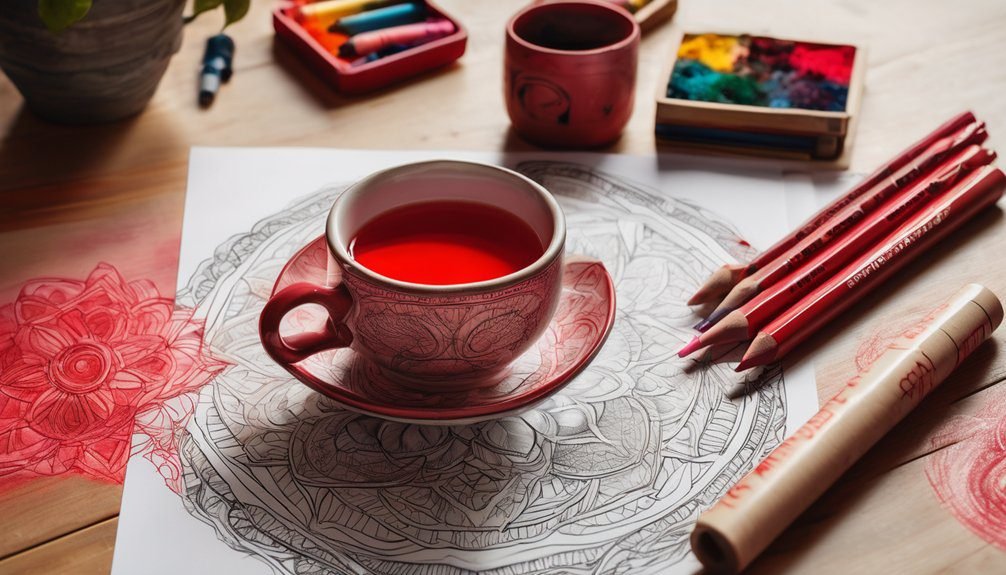
When you consider the fast-paced demands of modern life, it’s no surprise that stress has become a common experience for many adults.
Your body reacts to stress by releasing hormones like cortisol and adrenaline, which can lead to physical symptoms such as headaches, muscle tension, and fatigue. Chronic stress can impair your immune system, making you more susceptible to illness.
It also affects your mental well-being, contributing to anxiety and depression. You might find it challenging to focus or make decisions when you’re stressed, impacting your work and relationships.
Understanding the underlying science of stress helps you recognize its effects, empowering you to seek effective coping strategies to regain balance and improve your overall quality of life.

The Therapeutic Benefits of Coloring
Coloring isn’t just a childhood pastime; it can be a powerful tool for reducing stress in adults. When you pick up those colored pencils or markers, you engage your mind in a creative process that encourages relaxation.
Focusing on colors and patterns allows you to escape daily worries, providing a mental break. As you fill in shapes, you may notice a sense of accomplishment and satisfaction, boosting your mood.
Plus, the act of coloring can enhance fine motor skills, which is beneficial for overall brain health. Whether you choose intricate designs or simple patterns, coloring can serve as a calming ritual, helping you release pent-up tension.
Embrace this therapeutic activity and watch as your stress melts away.
How Coloring Promotes Mindfulness
Engaging in coloring can transport you into a state of mindfulness, where your attention shifts away from distractions and worries.
Coloring can help you achieve mindfulness by redirecting your focus from distractions to the present moment.
This simple yet powerful activity encourages you to focus on the present moment. Here are four ways coloring promotes mindfulness:
- Concentration: You concentrate on colors, shapes, and lines, diverting your mind from stressors.
- Breath Awareness: The rhythmic motion of coloring can help sync your breath, enhancing relaxation.
- Sensory Experience: Engaging with textures and colors stimulates your senses, grounding you in the now.
- Creative Flow: As you immerse yourself, you enter a flow state, allowing thoughts to drift, while you remain engaged in the task.
Enhancing Creativity Through Coloring
Fostering mindfulness through coloring not only calms the mind but also opens the door to enhanced creativity. When you immerse yourself in the act of coloring, your brain shifts into a more relaxed state, allowing new ideas to flow freely.
You’ll find that the repetitive motions of coloring can spark your imagination, helping you think outside the box. As you choose colors and shapes, you tap into your subconscious, revealing hidden thoughts and inspirations.
This creative release can lead to innovative solutions in other areas of your life, whether at work or in personal projects. Embracing this simple activity can significantly boost your creative potential, making it a powerful tool for self-expression.
The Role of Color Choice in Emotional Well-Being
While you mightn’t realize it, the colors you choose to surround yourself with can significantly impact your emotional well-being. Each color evokes different feelings, influencing your mood and mindset.
The colors in your environment can profoundly affect your emotions and overall mindset.
Here are some colors and their associated emotional effects:
- Blue: Promotes calmness and reduces anxiety.
- Yellow: Encourages happiness and boosts energy levels.
- Green: Represents nature, fostering relaxation and balance.
- Red: Increases excitement and can stimulate feelings of passion.
Creating a Relaxing Coloring Environment
Creating a relaxing coloring environment is essential for maximizing the stress-relief benefits of this activity. Start by choosing a quiet space where you won’t be interrupted.
Lighting plays a crucial role, so opt for natural light if possible, or use soft, warm lamps to create a cozy atmosphere. Surround yourself with calming elements, like soothing music or nature sounds, to enhance your experience.
Make sure your coloring tools are easily accessible and organized, so you can focus without frustration. Consider adding comfortable seating and a nice table to support your posture and create a pleasant workspace.
Finally, keep your area clutter-free, as a tidy environment can help clear your mind and enhance your creativity while you color.
Different Coloring Techniques for Stress Relief
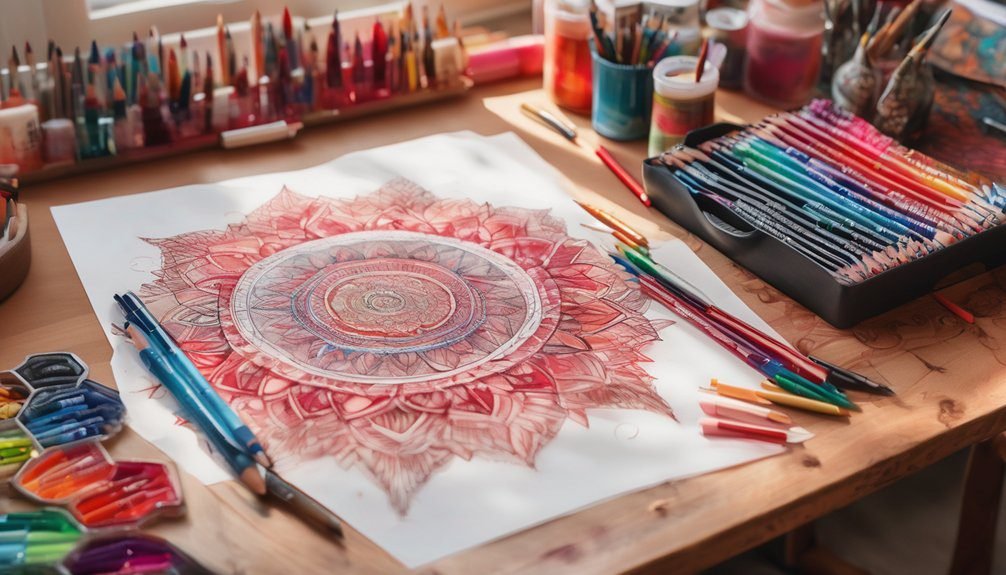
Exploring different coloring techniques can significantly enhance your stress relief experience. By experimenting with various methods, you can find what resonates with you the most.
Here are four effective techniques to try:
- Color Gradation: Blend colors gradually to create a soothing effect. This technique promotes mindfulness and calms your mind.
- Mandala Coloring: Focus on intricate patterns, which can distract you from stress and encourage relaxation.
- Abstract Coloring: Let your imagination run wild! Use random colors and shapes to express emotions, freeing your mind from tension.
- Nature-Inspired Palettes: Choose colors from nature to create a serene atmosphere, evoking feelings of tranquility.
These techniques can help you engage fully in the process, making coloring an even more rewarding experience.
Incorporating Coloring Into Daily Routines
Incorporating coloring into your daily routine can transform mundane moments into opportunities for relaxation and creativity. Start by setting aside just five to ten minutes each day. You might choose to color during your morning coffee or unwind after a long day.
Keep a small coloring book and some colored pencils handy in your bag or at your desk. This way, you can engage in a quick coloring session whenever you feel stressed. You can also join a group or use online platforms to share your creations, adding a social element to your practice.
Success Stories: Real-Life Benefits of Adult Coloring
Have you ever wondered how something as simple as coloring can lead to meaningful changes in stress levels? Many adults have experienced significant benefits from incorporating coloring into their lives.
Coloring can transform stress levels, offering significant benefits that many adults have found invaluable in their daily lives.
Here are a few success stories that illustrate these positive outcomes:
- Improved Focus: You might find that coloring helps sharpen your concentration, allowing you to tackle work tasks more efficiently.
- Enhanced Creativity: Engaging in coloring can spark inspiration, leading to creative breakthroughs in your personal and professional projects.
- Relaxation Before Sleep: Many people report better sleep quality after using coloring as a calming bedtime ritual.
- Social Connection: Joining a coloring group can foster friendships, creating a supportive environment that combats loneliness.
These real-life benefits show how coloring can be a powerful tool for stress reduction.
Frequently Asked Questions
Can Coloring Help With Anxiety and Depression Symptoms?
Yes, coloring can help with anxiety and depression symptoms. It engages your mind, promotes relaxation, and encourages mindfulness. By focusing on colors and patterns, you create a calming experience that can uplift your mood.
How Long Should I Color for Stress Relief?
You should color for at least 15 to 30 minutes to effectively relieve stress. This timeframe helps you focus and unwind, allowing your mind to reset while engaging in a creative and enjoyable activity.
Is Adult Coloring Suitable for Everyone?
Yes, adult coloring’s suitable for many. It encourages creativity, fosters relaxation, and promotes mindfulness. Whether you’re stressed, seeking focus, or just enjoying art, you’ll find a space to unwind and express yourself through colors.
What Materials Are Best for Coloring?
You’re best off using quality colored pencils or markers for coloring. They provide vibrant colors and smooth application. Don’t forget to grab some thick paper to prevent bleed-through and enhance your overall experience!
Are There Specific Coloring Books Recommended for Stress Relief?
Yes, you’ll find intricate mandala designs, nature scenes, and inspirational quotes in stress-relief coloring books. Look for ones specifically labeled for relaxation, as they often feature soothing patterns that help calm your mind effectively.
Conclusion
In a world where stress can feel like a relentless tidal wave, coloring is your secret weapon! Just grab those colored pencils, unleash your inner artist, and watch as your worries fade into a kaleidoscope of vibrant hues. With each stroke, you’re not just filling in lines—you’re crafting a sanctuary of calm amidst chaos. So why not dive headfirst into this colorful adventure? Your mind will thank you, and you’ll wonder how you ever lived without it!