
Teaching kids to color within the lines is like unlocking a secret superpower that sets the stage for their artistic journey. It’s not just about staying inside the lines; it’s about fostering essential skills that will benefit them in countless ways. As you explore the techniques and activities that can help them master this art, you’ll discover the deeper impact it has on their development and creativity.
Key Takeaways
- Start with simple templates to help children practice color control gradually before progressing to more complex designs.
- Use thick, easy-to-grip crayons to enhance their grip and control while coloring.
- Encourage tracing over dotted lines to refine hand movements and dexterity, making it easier to color within the lines.
- Celebrate small successes, like coloring within the lines, to boost their confidence and motivation.
- Emphasize the importance of patience and focus, reminding them that practice leads to improvement over time.
Understanding the Importance of Coloring in the Lines
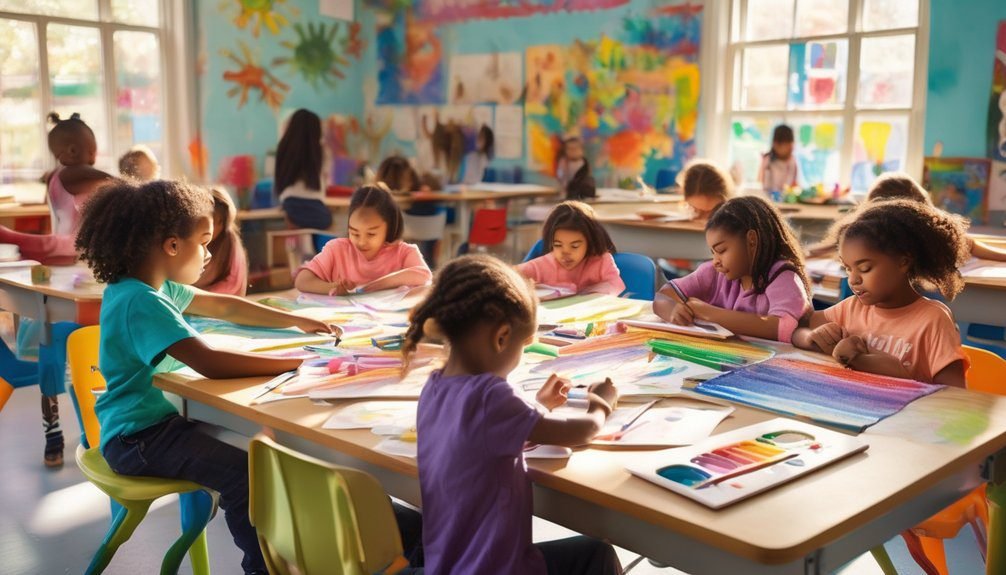
While you might think coloring outside the lines is just a fun expression of creativity, teaching kids to color within the lines actually serves several important developmental purposes.
It helps them develop fine motor skills, as they learn to control their hand movements and grip the crayon or pencil properly. By focusing on the lines, kids practice concentration and attention to detail, which are crucial in many aspects of learning.
Additionally, coloring within the lines encourages a sense of discipline and patience. It teaches kids the value of following guidelines, which can translate into other areas of life.
The Developmental Benefits of Coloring
Coloring offers a wealth of developmental benefits that go beyond mere entertainment. When your child colors, they’re not just having fun; they’re enhancing their fine motor skills. Gripping crayons and controlling movements helps strengthen hand muscles, crucial for future tasks like writing.
Additionally, coloring fosters creativity and self-expression, allowing kids to explore their imagination freely. It also improves focus and concentration as they learn to pay attention to details and stay within the lines.

This activity can boost emotional well-being, providing a calming effect and an outlet for feelings. Moreover, coloring can serve as a social activity, encouraging teamwork and sharing when kids color together.
Tools and Materials to Encourage Coloring
To spark your child’s interest in coloring, having the right tools and materials is essential. The right supplies can make the experience more enjoyable and engaging, fostering creativity and skill development.
Here are some must-have items to encourage coloring:
- Crayons: Opt for thick, easy-to-grip crayons perfect for little hands.
- Coloring Pencils: These allow for finer details and blending of colors.
- Markers: Washable markers can add vibrant colors without the worry of stains.
- Coloring Books: Choose books with varied themes and difficulty levels to keep them intrigued.
- Drawing Paper: High-quality paper enhances the coloring experience and helps prevent tearing.
With these tools, your child will be excited to explore their artistic side!
Fun Coloring Activities for Kids
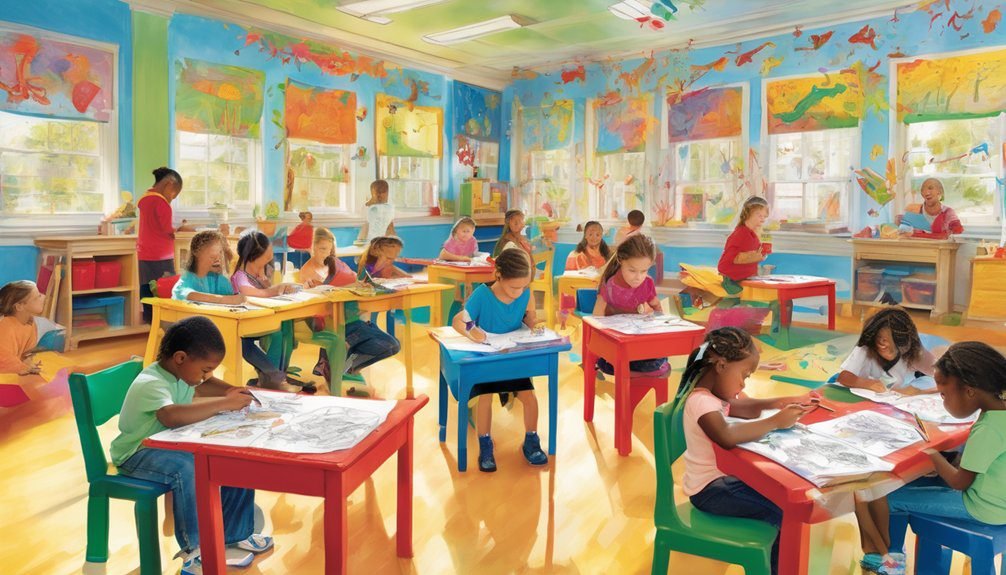
Five fun coloring activities can transform a simple art session into an exciting adventure for kids.
First, try a scavenger hunt where they color items they find outdoors, like leaves or flowers.
Next, create a storybook, encouraging them to illustrate their favorite tales.
You can also organize a color-by-numbers game, making it a challenge to complete the picture accurately.
Another fun idea is to host a collaborative mural where everyone adds their touch to a large sheet of paper.
Lastly, use glow-in-the-dark crayons for nighttime coloring sessions, adding a magical twist.
These activities not only spark creativity but also keep kids engaged, making coloring a delightful experience they’ll look forward to again and again.
Techniques to Improve Hand-Eye Coordination
While mastering hand-eye coordination takes practice, there are several enjoyable techniques you can use to help kids improve this essential skill. Engaging in fun activities not only keeps them entertained but also enhances their focus and dexterity.
Here are some techniques to consider:
- Coloring within templates: Start with simple outlines before progressing to more detailed designs.
- Playing catch: Tossing a ball back and forth develops timing and coordination.
- Building blocks: Stacking and arranging blocks encourages precise movements.
- Puzzles: Completing jigsaw puzzles sharpens visual-spatial skills.
- Tracing shapes: Have kids trace over dotted lines to refine their control.
Incorporating these activities into their routine will make practicing hand-eye coordination enjoyable and effective!
Incorporating Music and Movement Into Coloring Time
After honing hand-eye coordination through various activities, you can make coloring even more engaging by incorporating music and movement.
Play upbeat songs that encourage your child to dance while they color. You can assign specific dance moves to different colors—like jumping for red or spinning for blue. This way, they’ll not only enjoy coloring but also exercise their bodies.
You might also create a fun routine where you pause the music, and when it stops, they must freeze in a funny pose until it starts again. This keeps their energy up and makes coloring a dynamic experience.
Setting Up a Colorful and Inspiring Workspace

Creating a colorful and inspiring workspace can significantly enhance your child’s coloring experience. A vibrant environment not only sparks creativity but also keeps your child engaged.
Enhancing your child’s coloring experience with a vibrant workspace can ignite their creativity and keep them engaged.
Here are some tips to set up that perfect space:
- Brightly colored walls: Choose cheerful colors to stimulate their imagination.
- Well-lit area: Ensure plenty of natural light or use soft lamps to create a cozy atmosphere.
- Organized supplies: Keep crayons, markers, and paper neatly stored yet easily accessible.
- Inspiring artwork: Hang up their previous creations or motivational art to encourage their creativity.
- Comfortable seating: Provide a cozy chair or cushion to make them feel at ease while coloring.
With these elements, you’ll create a workspace that fuels your child’s passion for coloring!
Tips for Parents on Encouraging Creativity
Encouraging creativity in your child is essential for their development, and there are several effective ways to do it. Start by providing a variety of art supplies, from crayons to watercolors, allowing them to explore different mediums.
Set aside dedicated time for creative activities, free from distractions. Instead of focusing solely on the end result, celebrate their process and experimentation.
Encourage open-ended questions and discussions about their artwork, fostering critical thinking and self-expression. You can also involve them in creative projects around the house, like decorating their space or creating handmade gifts.
Lastly, be a role model—share your own creative endeavors, showing them that creativity is a lifelong journey worth exploring.
Using Technology to Enhance Coloring Skills
Incorporating technology into your child’s coloring practice can make the experience even more engaging and educational.
By using various digital tools, you can help your child develop their coloring skills in fun ways. Here are some ideas to consider:
Using digital tools can make coloring a fun and skill-building experience for your child.
- Coloring Apps: Explore interactive apps that allow kids to color virtually, providing endless designs and colors.
- Digital Tablets: Utilize a stylus and tablet for a more realistic coloring experience, helping improve hand-eye coordination.
- Online Tutorials: Find videos that teach coloring techniques and tips, enhancing their understanding.
- Interactive Games: Introduce games that focus on color recognition and line following to strengthen their skills.
- Printable Templates: Download and print different coloring sheets, offering variety while practicing their skills.
With technology, your child can learn and have fun simultaneously!
Celebrating Progress and Building Confidence

Celebrating progress is essential in nurturing your child’s confidence as they learn to color within the lines. When your child successfully stays within the lines, make sure to acknowledge their effort. A simple “Great job!” or a high-five can work wonders.
Share their artwork with family and friends, letting them know how proud you’re of their achievements. This not only boosts their self-esteem but also reinforces positive behavior.
Encourage them to set small goals, like coloring a specific section neatly, and celebrate each accomplishment. Remember, it’s about the journey, not just the end result.
Frequently Asked Questions
What Age Should Kids Start Learning to Color in Lines?
Kids typically start learning to color in lines around age 3 to 4. At this age, they develop fine motor skills and coordination, making it easier for them to control crayons and stay within boundaries.
How Can I Tell if My Child Is Struggling With Coloring?
If you notice your child frequently colors outside the lines or avoids coloring altogether, they might be struggling. Pay attention to their frustration levels and willingness to try, as these can indicate difficulty with the task.
Are There Specific Colors That Help With Focus While Coloring?
Yes, cool colors like blue and green often promote calmness and focus. You might also try softer shades to enhance concentration. Experiment with different hues to see which ones help your child stay engaged while coloring.
How Often Should I Encourage My Child to Color?
You should encourage your child to color daily if possible. Regular practice helps develop fine motor skills and creativity. Just make sure to keep it fun and engaging, so they look forward to it!
Can Coloring Be Used to Teach Other Skills, Like Math?
Absolutely! Coloring can help you teach your child math skills by incorporating counting, shapes, and patterns. You can create fun activities where they color specific numbers or shapes, making learning engaging and enjoyable.
Conclusion
As you guide your child in learning to color within the lines, remember that every stroke is a step toward mastery, much like a budding artist honing their craft. Celebrate each small victory, turning their canvas into a vibrant tapestry of confidence and creativity. By nurturing their skills now, you’re not just teaching them to stay within the lines; you’re helping them navigate the colorful complexities of life, much like a painter crafting their magnum opus.