
When you think about printing, have you considered its environmental impact? Koko Modo offers a fresh perspective by integrating sustainable practices into its operations. Their commitment to using recycled materials and biodegradable inks sets them apart in the industry. This approach not only benefits the planet but can also enhance your brand’s appeal. Curious about how these eco-friendly methods can transform your projects? Let’s explore what makes Koko Modo a leader in sustainable printing.
Key Takeaways
- Koko Modo utilizes recycled materials in its printing process to significantly reduce waste and environmental impact.
- The company employs biodegradable inks that decompose quickly and are non-toxic, offering vibrant colors sustainably.
- Energy-efficient printing technologies are integrated, lowering costs and carbon footprints while enhancing operational efficiency.
- Koko Modo implements print-on-demand services to minimize excess inventory and reduce material waste.
- The organization fosters a culture of sustainability by educating its team on waste reduction strategies and eco-friendly practices.
The Importance of Eco-Friendly Printing

As the world becomes increasingly aware of environmental issues, the importance of eco-friendly printing can’t be overstated. You mightn’t realize how traditional printing methods can harm the environment, from excessive waste to harmful chemicals.
By choosing eco-friendly printing, you contribute to reducing pollution and conserving natural resources. It’s about making smarter choices that benefit both your projects and the planet.
Choosing eco-friendly printing helps reduce pollution and conserve resources, benefiting both your projects and the planet.
Using sustainable materials, like recycled paper and vegetable-based inks, minimizes your carbon footprint. Plus, eco-friendly practices can enhance your brand image, appealing to environmentally conscious consumers.
You’ll find that adopting these practices not only helps the earth but can also lead to cost savings in the long run. Embracing eco-friendly printing is a step toward a healthier future for everyone.

Koko Modo’s Commitment to Sustainability
Koko Modo champions sustainability by integrating eco-friendly practices into every aspect of its printing process. You’ll find that they prioritize recycled materials, minimizing waste while ensuring high-quality prints.
Their commitment goes beyond just materials; they embrace energy-efficient technologies that reduce carbon footprints. When you choose Koko Modo, you’re opting for a partner that values the planet as much as you do.
They constantly seek innovative solutions to decrease environmental impact, from sourcing responsibly to implementing eco-conscious logistics. By aligning their operations with sustainable principles, Koko Modo makes it easier for you to contribute to a greener future.
Together, you can make responsible choices that reflect your values while still achieving outstanding print results.
Biodegradable Inks: A Game Changer
While many printing companies still rely on traditional inks that can harm the environment, the rise of biodegradable inks is revolutionizing the industry. These inks break down naturally, eliminating long-term waste. By choosing biodegradable options, you’re making a positive impact on the planet.
| Benefit | Traditional Inks | Biodegradable Inks |
|---|---|---|
| Environmental Impact | High | Low |
| Decomposition Time | Years | Months |
| Toxicity | Often toxic | Non-toxic |
Switching to biodegradable inks isn’t just a trend; it’s a smart choice for anyone who cares about sustainability. You get vibrant colors without compromising the environment, making your prints both beautiful and eco-friendly.
Energy-Efficient Printing Processes
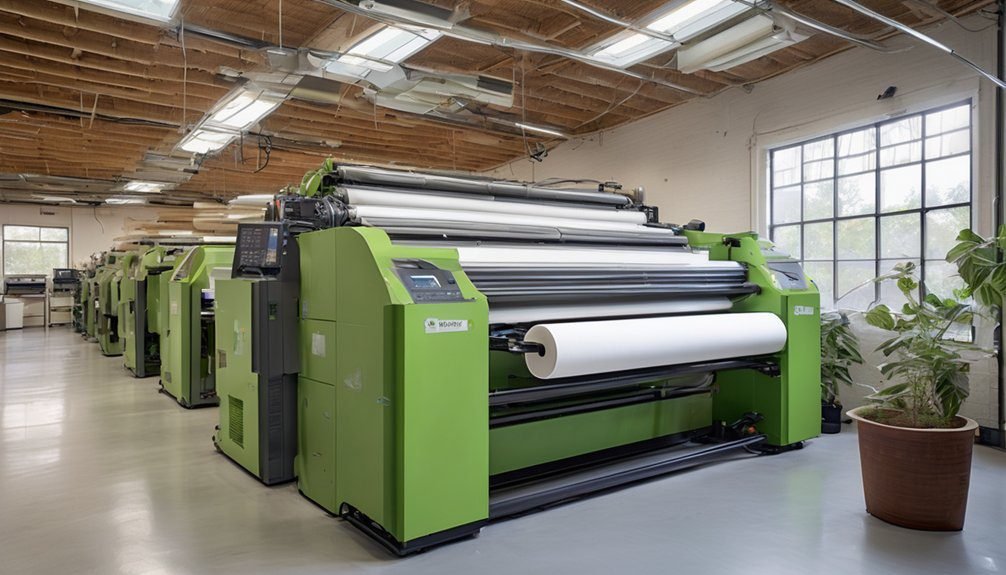
Implementing energy-efficient printing processes not only reduces costs but also significantly lowers your carbon footprint. By choosing modern printers that consume less power and utilizing energy-saving settings, you can make a notable impact.
Adopting energy-efficient printing not only cuts costs but also significantly reduces your carbon footprint.
Consider optimizing your print jobs by using the right paper size, which minimizes unnecessary ink usage and energy expenditure.
Additionally, investing in high-quality, durable equipment can lead to fewer breakdowns and less energy waste over time. Regular maintenance of your printers ensures they run efficiently, prolonging their lifespan and saving you money.
Lastly, explore digital alternatives when possible; they often require less energy and can deliver results without the need for physical prints. Embracing these practices is a step toward sustainability and smarter resource management.
Reducing Waste in the Printing Industry
As you strive for sustainability in the printing industry, reducing waste should be a top priority.
Start by assessing your current practices. Are you overprinting? Look for ways to optimize your print runs and avoid excess. Implement digital proofs to catch errors before printing—this saves materials and time.
Consider using print-on-demand services, which minimize leftover inventory and reduce waste. Invest in efficient equipment that uses less paper and ink.
You can also recycle unused materials and encourage clients to return old printed items for reuse.
Lastly, educate your team about waste reduction strategies. By fostering a culture of sustainability, you’ll not only lessen your environmental impact but also enhance your brand’s reputation in the eco-conscious market.
Sustainable Materials and Sourcing
Choosing sustainable materials and sourcing practices can significantly impact your printing business’s environmental footprint. By opting for recycled paper, you’re not just reducing waste; you’re also supporting responsible forestry.
Opting for recycled paper not only reduces waste but also supports responsible forestry practices in your printing business.
Look for suppliers who prioritize eco-friendly materials, such as soy-based inks and biodegradable plastics. These materials minimize harmful emissions during production and disposal.
Additionally, consider local suppliers to reduce transportation emissions. Building strong relationships with these vendors ensures you’re getting high-quality materials while supporting your community.
Remember, transparency in your supply chain is crucial. It’s essential to know where your materials come from and how they’re produced.
Innovative Techniques for Eco-Conscious Design
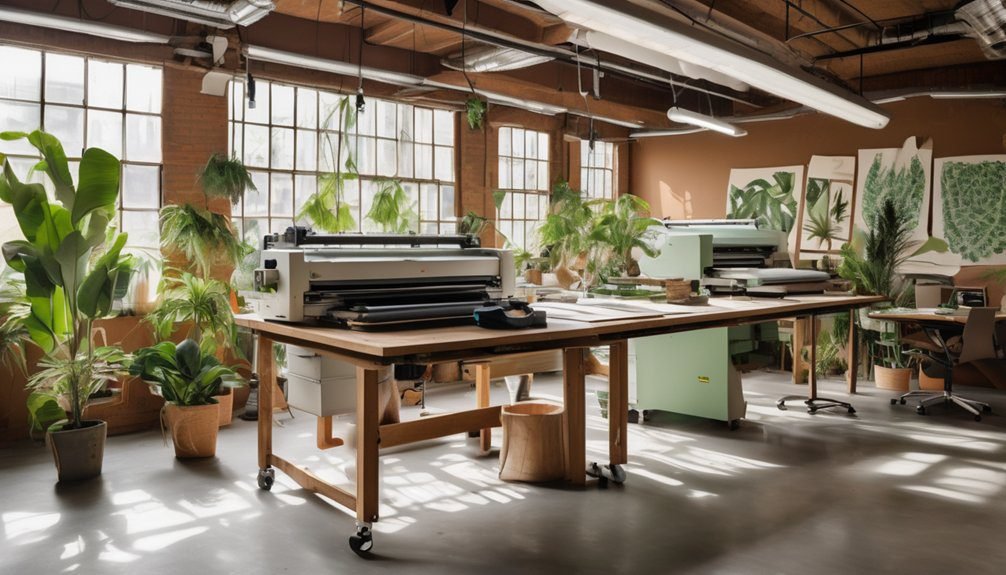
While creating designs that resonate with your audience, you can also prioritize eco-conscious techniques that minimize environmental impact. Start by using digital design tools, which reduce paper waste and allow for easy modifications.
Incorporate minimalist design principles to limit material usage while maintaining visual appeal. Consider incorporating recycled or upcycled materials, which not only reduce waste but also tell a unique story.
Experiment with eco-friendly inks, like soy or vegetable-based options, that deliver vibrant colors without harmful chemicals. Lastly, focus on energy-efficient printing practices and local production to cut down on transportation emissions.
The Impact of Eco-Friendly Printing on Businesses
Eco-friendly printing can significantly boost your business’s reputation and bottom line. By adopting sustainable practices, you not only attract environmentally-conscious consumers but also reduce costs in the long run.
Here’s how eco-friendly printing can make a difference for your business:
- Enhanced Brand Image: Show customers you care about the planet.
- Cost Savings: Use less energy and materials, cutting operational costs.
- Increased Customer Loyalty: Build trust with eco-conscious consumers who prefer sustainable brands.
- Competitive Edge: Stand out in a crowded market by promoting your commitment to sustainability.
Embracing eco-friendly printing isn’t just a trend; it’s a smart business strategy that aligns with modern consumer values and can lead to long-term success.
How Individuals Can Benefit From Koko Modo’s Services
When you opt for Koko Modo’s services, you’re not just making a choice for quality printing; you’re also embracing a sustainable approach that benefits both you and the environment.
You’ll find that their eco-friendly materials and processes ensure your projects look great while minimizing waste.
Whether you need business cards, brochures, or custom packaging, Koko Modo offers personalized solutions that align with your values.
Frequently Asked Questions
What Types of Materials Are Used in Eco-Friendly Printing?
In eco-friendly printing, you’ll find materials like recycled paper, soy-based inks, and biodegradable substrates. These choices help reduce environmental impact while still delivering high-quality prints that meet your needs and expectations.
Can Eco-Friendly Printing Be Cost-Effective for Small Businesses?
Sure, eco-friendly printing’s only for the big players, right? Actually, it can be surprisingly cost-effective for small businesses. You’ll save on materials and attract eco-conscious customers, boosting your brand’s reputation and bottom line.
How Long Do Biodegradable Inks Last Compared to Traditional Inks?
Biodegradable inks generally last a bit shorter than traditional inks, typically about three to five years. However, they provide an eco-friendly option that aligns with sustainable practices, making them worth considering for your projects.
Is Eco-Friendly Printing Available for All Types of Products?
You’d think eco-friendly printing’s only for tree-huggers, right? Surprisingly, it’s available for almost all products! From packaging to promotional items, you can make sustainable choices without sacrificing style or quality.
What Certifications Should I Look for in Eco-Friendly Printing Services?
You should look for certifications like FSC, SFI, or Green Seal in eco-friendly printing services. These ensure sustainable sourcing and environmentally responsible practices, helping you make informed choices for your printing needs.
Conclusion
By choosing Koko Modo’s eco-friendly printing services, you’re not just enhancing your brand; you’re also contributing to a greener planet. Did you know that using recycled materials can save up to 60% of energy compared to traditional methods? This means each print project you undertake helps reduce your carbon footprint while maintaining quality. Embrace sustainability today and show your customers that you care about the environment as much as they do. Together, we can make a difference!