
It’s interesting how a simple activity like coloring can have such a profound impact on early childhood learning. As you explore the various benefits, you might find yourself surprised by how much it contributes to fine motor skills and emotional expression. Understanding these connections could change the way you approach learning activities with young children. What other advantages might coloring offer in their developmental journey?
Key Takeaways
- Coloring enhances fine motor skills by improving hand coordination and muscle strength through grasping and manipulating crayons or markers.
- Engaging in coloring fosters creativity, allowing children to express themselves and develop narrative skills through their artwork.
- Focused coloring activities promote concentration, helping children improve their attention span and ability to follow instructions.
- Coloring serves as an emotional outlet, enabling children to identify and express feelings while providing a calming space for emotional processing.
- Group coloring activities enhance social skills, teaching teamwork, communication, and empathy as children collaborate and share ideas.
The Importance of Fine Motor Skills Development

As you watch young children explore their world, you might notice how crucial fine motor skills are to their development. These skills involve the coordination of small muscles in hands and fingers, enabling tasks like grasping, pinching, and manipulating objects.
When kids engage in activities like stacking blocks or threading beads, they not only strengthen these muscles but also enhance their hand-eye coordination. Fine motor skills lay the groundwork for writing, drawing, and self-care tasks, such as buttoning shirts or tying shoelaces.
Enhancing Creativity Through Coloring
Coloring can significantly enhance a child’s creativity, as it allows them to express their thoughts and emotions freely. When your child picks up a crayon or marker, they dive into a world of imagination.

Here’s how coloring can spark their creativity:
- Personal Expression: Your child chooses colors that resonate with their feelings, showcasing their unique perspective.
- Narrative Development: Each drawing tells a story, encouraging them to think beyond the page and create narratives.
- Problem Solving: Deciding how to fill a blank space requires critical thinking, fostering innovative solutions.
- Confidence Building: Completing a coloring project boosts their self-esteem, empowering them to explore more creative ventures.
Embrace coloring as a tool to unlock your child’s imaginative potential!
Boosting Focus and Concentration
While many activities can capture a child’s attention, engaging in focused tasks like coloring can significantly boost their concentration.
When kids sit down with coloring books and crayons, they immerse themselves in the task, honing their ability to focus on details. This practice helps them learn to block out distractions and devote their energy to one activity.
As they choose colors and stay within lines, they develop patience and persistence, essential skills for later learning. You’ll notice your child becoming more adept at following instructions and completing tasks as they practice.
Encouraging Emotional Expression
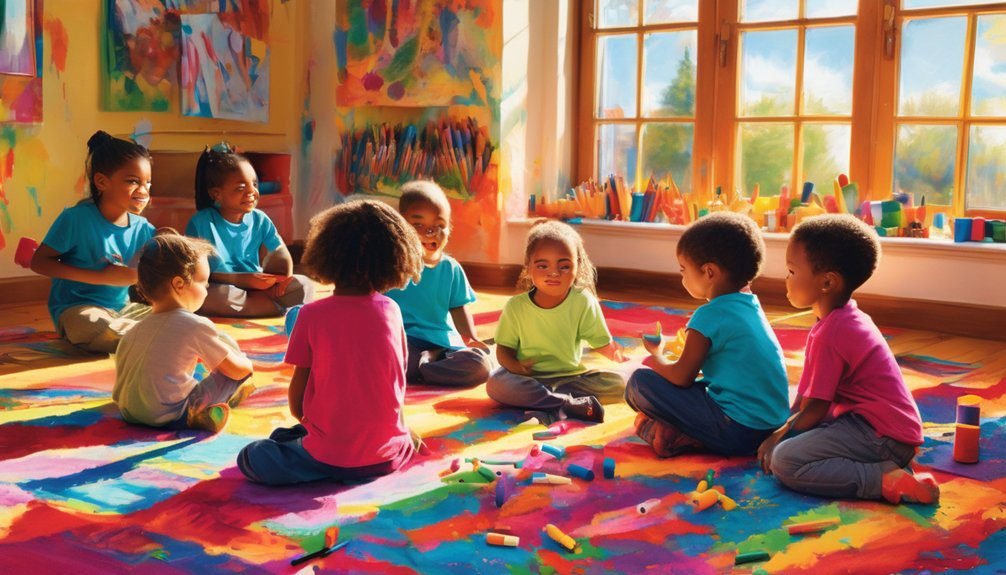
Encouraging children to express their emotions is crucial for their overall development, since it helps them understand and manage their feelings.
Coloring can be a powerful tool in this process. Through it, children can explore their emotions in a safe space.
Here are four ways coloring supports emotional expression:
- Color Choices: Different colors can represent various emotions, helping kids identify their feelings.
- Creative Freedom: Coloring allows children to express themselves without judgment, fostering confidence.
- Storytelling: Kids can create narratives around their artwork, giving their emotions a voice.
- Relaxation: The act of coloring can be calming, helping children process overwhelming feelings.
Color Recognition and Cognitive Growth
How can recognizing colors enhance your child’s cognitive growth? When your child learns to identify colors, it boosts their ability to categorize and differentiate objects. This fundamental skill lays the groundwork for more complex cognitive tasks, like problem-solving and critical thinking.
By engaging with colors during activities, your child develops memory and attention skills as they recall and associate colors with specific items.
Engaging with colors helps your child enhance memory and attention by linking colors to specific objects.
Using colors in play, like sorting or matching games, fosters creativity and enhances brain development. As they explore different shades and hues, they become more aware of their surroundings, sharpening their observational skills.
Ultimately, color recognition not only enriches your child’s learning experience but also supports their overall cognitive growth, preparing them for future educational challenges.
Social Skills Development in Group Activities
Engaging in group activities provides a fantastic opportunity for children to develop social skills alongside their cognitive abilities.
When kids collaborate, they learn essential interpersonal skills that will serve them well throughout life. They experience:
- Teamwork: Working with peers fosters a sense of belonging and teaches the value of cooperation.
- Communication: Sharing ideas and expressing feelings helps children articulate their thoughts and listen to others.
- Conflict Resolution: Navigating disagreements teaches kids how to find common ground and compromise.
- Empathy: Understanding others’ perspectives nurtures emotional intelligence and strengthens friendships.
The Role of Coloring in Language Development

While many people view coloring as just a fun activity, it actually plays a significant role in enhancing language development in early childhood. When children engage in coloring, they often describe their artwork, fostering vocabulary growth. They learn to express their feelings and thoughts, making connections between colors and concepts.
Here’s how coloring aids in language skills:
| Benefits | Examples |
|---|---|
| Vocabulary Expansion | Naming colors, objects, and feelings |
| Storytelling Skills | Creating narratives about their art |
| Communication Practice | Discussing their work with others |
Integrating Coloring Into Early Learning Environments
Coloring can be seamlessly integrated into early learning environments to enhance children’s educational experiences. By incorporating coloring activities, you can create a vibrant and engaging atmosphere that promotes learning.
Here are some emotional benefits you’ll witness:
- Fosters Creativity: Children express themselves and explore their imagination through colors.
- Builds Confidence: Completing a coloring project gives kids a sense of accomplishment.
- Encourages Collaboration: Group coloring activities help children bond and learn teamwork.
- Enhances Focus: Coloring requires concentration, helping kids develop their attention span.
Frequently Asked Questions
At What Age Should Children Start Coloring?
Children can start coloring around 18 months. At this age, they’ll enjoy exploring colors and textures. You’ll notice their fine motor skills improving as they experiment with crayons and paper, fostering creativity and expression.
What Materials Are Best for Young Children to Use?
Crayons and washable markers are your best bets for young kids. They’re like the tools of a budding artist, fostering creativity without the mess. Plus, the vibrant colors ignite imagination and encourage exploration.
How Can Parents Encourage Coloring at Home?
You can encourage coloring at home by providing a variety of coloring materials, setting up a dedicated space, joining your child during the activity, and celebrating their artwork to boost their confidence and creativity.
Are There Any Risks Associated With Coloring for Young Children?
While 70% of kids enjoy coloring, it can pose risks like choking on small items or using non-toxic but potentially harmful materials. Always supervise and provide appropriate tools to ensure a safe, enjoyable experience for your child.
How Often Should Children Engage in Coloring Activities?
You should encourage children to engage in coloring activities several times a week. Regular practice helps develop their fine motor skills, creativity, and focus, making it a fun and beneficial part of their routine.
Conclusion
In conclusion, coloring cultivates critical skills that shape young minds. By developing fine motor finesse, enhancing imaginative expression, and encouraging emotional exploration, you’re not just providing a pastime; you’re planting the seeds for success. So, grab those crayons and let creativity flow! Embrace the vibrant world of coloring, where fun meets fundamental learning, and watch as your child flourishes in focus, friendship, and fantastic self-expression.