
Coloring activities in the classroom can offer a gentle respite from the chaos of daily lessons. You might find that these sessions not only spark creativity but also promote relaxation among students. By incorporating mindful coloring techniques, you can create an environment that nurtures emotional well-being. What specific strategies can you use to transform typical coloring into a calming experience for your students?
Key Takeaways
- Incorporate mandala coloring sheets to promote mindfulness and reduce anxiety through their intricate patterns and repetitive motions.
- Utilize seasonal-themed coloring activities to create a calming atmosphere while reinforcing learning concepts and encouraging discussions.
- Schedule regular coloring sessions as warm-ups or transitions to foster focus and provide a break from traditional learning.
- Create a peaceful environment with soft music and calming scents to enhance concentration during coloring activities.
- Allow students freedom in color selection and personal expression to encourage creativity and emotional investment in their artwork.
The Benefits of Coloring for Students
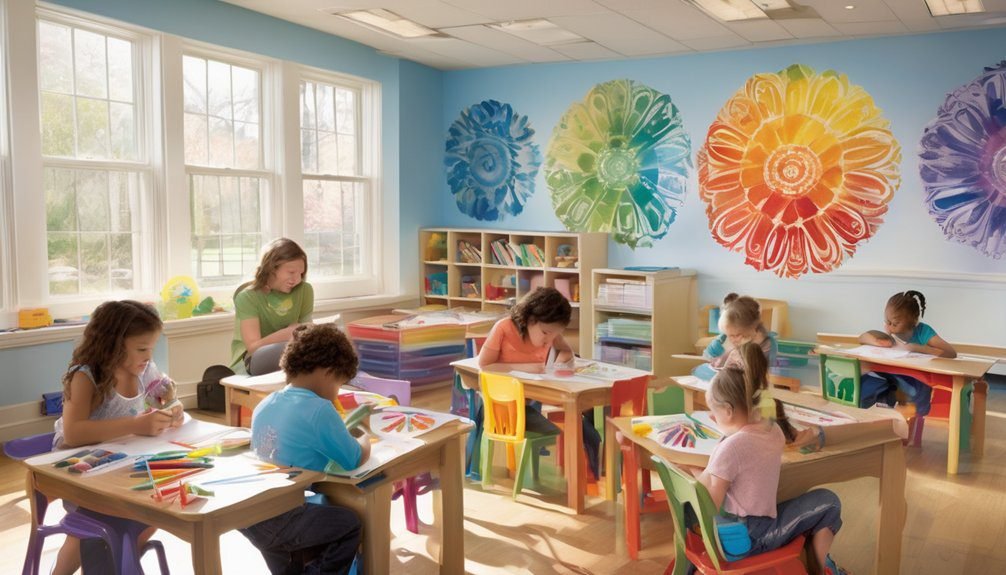
Coloring isn’t just a fun activity; it offers numerous benefits for students’ development. When you engage in coloring, you’re not only expressing creativity but also enhancing fine motor skills. Holding crayons or markers helps improve hand-eye coordination, which is essential for writing and other tasks.
Additionally, coloring can boost concentration and focus, allowing you to stay engaged and attentive for longer periods. It also provides a sense of accomplishment as you complete each piece, fostering confidence. Moreover, it encourages decision-making skills as you choose colors and designs.
Mandala Coloring: A Mindful Experience
Engaging in mandala coloring takes the benefits of traditional coloring to another level by introducing elements of mindfulness and relaxation. As you focus on intricate patterns and vibrant colors, you’ll find a sense of calm enveloping you.
Mandala coloring elevates traditional coloring by fostering mindfulness and relaxation, enveloping you in a calming experience.
Here are three ways mandala coloring enhances your experience:

- Promotes Focus: Concentrating on the details helps clear your mind, allowing you to be present in the moment.
- Reduces Anxiety: The repetitive motion of coloring can serve as a soothing activity, easing nervousness and stress.
- Encourages Creativity: You can express yourself through color choices and patterns, fostering a sense of personal accomplishment.
Themed Coloring Sheets for Seasonal Learning
As the seasons change, themed coloring sheets can enrich your classroom experience by tying art to learning. You can introduce autumn leaves in October or snowflakes in December, allowing students to engage with the themes around them. By incorporating seasonal elements, you help kids connect their art projects with real-world experiences.
For instance, during spring, use flowers and butterflies to spark discussions on growth and life cycles. In summer, beach scenes can inspire conversations about weather and ecosystems.
These coloring sheets not only promote creativity but also deepen understanding of seasonal changes. Encourage students to share their thoughts while they color, creating a calming atmosphere that fosters both relaxation and learning.
Themed coloring sheets can truly enhance your classroom’s seasonal engagement.
Collaborative Mural Projects to Foster Teamwork

When students collaborate on a mural project, they not only express their creativity but also build essential teamwork skills. This engaging activity fosters communication, encourages responsibility, and strengthens relationships among classmates.
Here are three key benefits of working on a mural together:
- Enhanced Communication: Students learn to share ideas and listen to each other’s perspectives effectively.
- Shared Responsibility: Each participant takes ownership of their part, promoting accountability and cooperation.
- Conflict Resolution: Collaborating on creative decisions helps students navigate disagreements and find common ground.
Using Coloring to Enhance Focus and Concentration
Coloring can significantly boost your focus and concentration, especially in a classroom setting where distractions abound. Engaging in coloring activities allows you to immerse yourself in a task that requires attention to detail, helping to block out external noise.
As you choose colors and fill in shapes, your mind enters a state of flow, making it easier to concentrate on lessons or discussions. You’ll find that the repetitive motion of coloring can also ease anxiety, creating a calm environment conducive to learning.
Try dedicating a few minutes each day to coloring, either as a warm-up or a transition between subjects. This practice not only enhances your focus but also fosters a more productive classroom atmosphere.
Incorporating Art Therapy Techniques in the Classroom
Incorporating art therapy techniques in the classroom can transform how students express themselves and cope with emotions. By integrating these approaches, you create a safe space for creativity and healing.
Incorporating art therapy in the classroom fosters emotional expression and creates a nurturing environment for creativity and healing.
Here are three effective techniques you can use:
- Mindful Coloring: Allow students to color mandalas or nature scenes, promoting relaxation and focus.
- Emotion Wheel: Introduce a visual emotion wheel, encouraging students to select colors that represent their feelings and share with peers.
- Art Journaling: Encourage students to keep a journal where they can draw or paint their thoughts, fostering self-reflection and emotional release.
Color by Number: A Fun Twist on Traditional Coloring
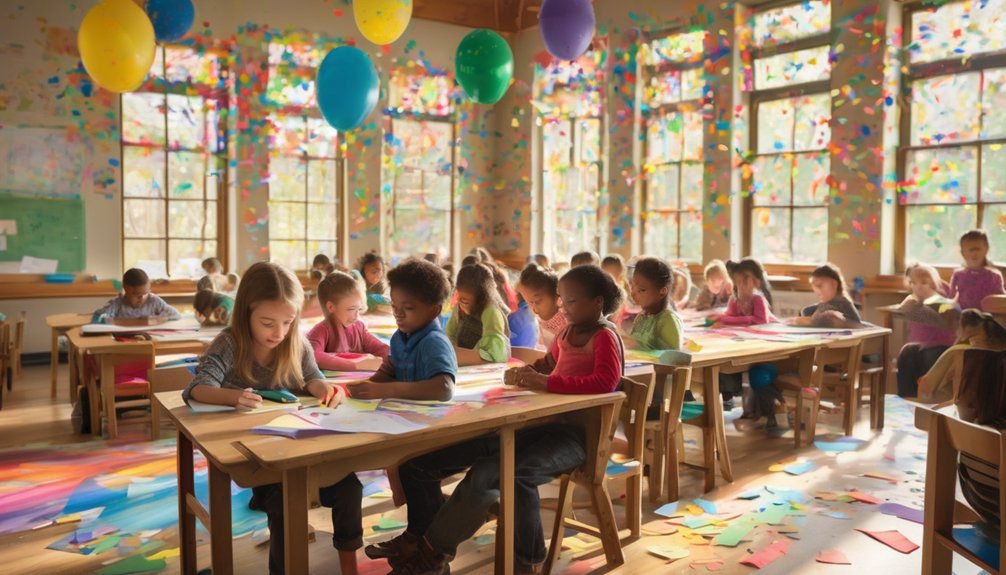
A fun twist on traditional coloring, color by number engages students in a structured yet creative way. Each section of the image is labeled with a number that corresponds to a specific color, guiding you as you fill in the spaces.
This activity not only sparks creativity but also reinforces number recognition and color matching skills. As you focus on the patterns, you’ll find it calming and meditative, allowing your mind to unwind.
Plus, it’s a fantastic way to foster teamwork if you choose to do it in groups. You’ll enjoy sharing techniques and completing a larger piece together.
Color by number is a simple yet effective way to bring relaxation and enjoyment into the classroom.
Nature-Inspired Coloring Activities for Stress Relief
Engaging with nature can significantly enhance your well-being, and nature-inspired coloring activities provide a perfect avenue for relaxation and stress relief.
These activities not only spark creativity but also help you unwind after a long day. Here are three nature-themed ideas to get you started:
- Floral Mandalas: Color intricate mandalas featuring flowers, leaves, and vines to promote mindfulness.
- Scenic Landscapes: Bring to life beautiful landscapes like mountains, forests, or oceans, allowing your imagination to wander freely.
- Animal Illustrations: Choose detailed drawings of your favorite animals, which can evoke feelings of joy and connection to the natural world.
Dive into these activities, and you’ll find yourself feeling more centered and at peace.
Creating a Calm Classroom Environment With Color
While creating a calm classroom environment, the colors you choose can significantly influence students’ mood and focus.
Soft, cool tones like blues and greens promote relaxation and concentration, helping students feel more at ease. Incorporating these colors into your classroom’s walls, furniture, or decor can set a tranquil atmosphere.
Soft blues and greens create a calming classroom atmosphere, enhancing relaxation and concentration for better student focus.
Additionally, warm colors like soft yellows can add a cheerful vibe without overwhelming energy. You might also consider using color-coded organization systems to help students feel secure and focused.
Remember, the goal is to create a space that encourages learning while reducing anxiety. By thoughtfully selecting colors, you can foster a calming environment that supports both emotional well-being and academic success.
Consider experimenting with different shades to find what works best for your classroom.
Tips for Implementing Coloring Activities Effectively

To effectively implement coloring activities in your classroom, start by setting clear goals that align with your lesson plans. This helps you stay focused and ensures students benefit from the activity.
Here are three tips to enhance your coloring sessions:
- Choose Relevant Themes: Select coloring pages that relate to your current topics or subjects. This reinforces learning while keeping students engaged.
- Create a Relaxing Atmosphere: Use soft music or calming scents to set a peaceful mood, allowing students to unwind and concentrate.
- Encourage Individual Expression: Allow students to choose colors and styles freely, fostering creativity and personal investment in their work.
Frequently Asked Questions
What Age Group Benefits Most From Coloring Activities?
Children aged 3 to 10 benefit most from coloring activities. They develop fine motor skills, enhance creativity, and find relaxation through these engaging tasks. You’ll notice their focus and enjoyment increasing as they color.
How Much Time Should Be Allocated for Coloring Sessions?
Picture a serene classroom filled with soft colors. You’ll want to allocate about 20 to 30 minutes for coloring sessions. This allows enough time for creativity to flow without feeling rushed or distracted.
Can Coloring Be Integrated Into Other Subjects?
Yes, you can definitely integrate coloring into other subjects! It enhances creativity and reinforces learning. Try using coloring activities with math, science, or literature to engage students and make lessons more enjoyable and memorable.
What Supplies Are Essential for Effective Coloring Activities?
You’ll need quality colored pencils for precision, vibrant markers for boldness, and sturdy paper to withstand it all. Don’t forget erasers for mistakes, scissors for creativity, and a fun storage solution to keep everything organized!
How Can I Assess Students’ Engagement During Coloring Activities?
You can assess students’ engagement by observing their focus, asking questions about their choices, and noting their interactions with peers. Additionally, consider using quick check-ins to gauge their enjoyment and involvement during the activity.
Conclusion
Incorporating coloring activities in your classroom isn’t just about filling in shapes; it’s about painting a path to tranquility and creativity. As you watch your students immerse themselves in these calming sessions, remember that a little color can brighten their minds and soothe their souls. So, why not embrace this vibrant tool? With just a splash of color, you can turn your classroom into a sanctuary of focus and relaxation, nurturing both their artistic spirit and emotional well-being.