
Did you know that over 15% of children are considered neurodivergent, facing unique challenges in focus and concentration? For these kids, coloring can be more than just a pastime; it can serve as a therapeutic tool that enhances their ability to concentrate. By understanding the benefits and techniques of coloring, you can help foster a more focused and creative environment for them. Let’s explore how you can effectively integrate coloring into their daily lives.
Key Takeaways
- Coloring activities create a calming environment, helping neurodivergent kids concentrate and reduce anxiety through repetitive motion and self-expression.
- Choosing thicker crayons or high-quality colored pencils enhances grip and control, making it easier for kids to focus on their coloring tasks.
- Incorporating short coloring sessions into daily routines provides structured breaks, allowing neurodivergent kids to recharge and maintain concentration during other activities.
- Using calming colors like blues and greens in coloring promotes focus, making the activity more engaging and soothing for neurodivergent children.
- Setting up a quiet, clutter-free coloring space minimizes distractions, providing a dedicated environment that enhances concentration and creativity.
The Therapeutic Effects of Coloring on Focus

While many activities can help improve focus, coloring stands out as a particularly effective tool for neurodivergent kids. When you engage in coloring, you create a calming environment that encourages concentration.
The repetitive motion of coloring can soothe anxious thoughts, allowing your mind to settle and focus on the task at hand. Moreover, choosing colors and patterns can spark creativity, making the experience enjoyable and fulfilling. This joy can lead to increased engagement and a sense of accomplishment.

As you color, your brain releases dopamine, a chemical that enhances motivation and focus. By incorporating coloring into your routine, you not only help improve attention but also provide a therapeutic outlet for self-expression and relaxation.
Choosing the Right Coloring Materials
Selecting the right coloring materials can significantly enhance the coloring experience for neurodivergent kids. By choosing tools that resonate with their unique needs, you can foster focus and creativity.
Here are some options to consider:
- Crayons: Opt for thicker crayons that are easier to grip and control.
- Colored Pencils: Choose high-quality colored pencils for smooth application and blending.
- Markers: Use washable markers in various tip sizes for versatility.
- Paper: Provide sturdy, smooth paper that can handle different mediums without tearing.
- Coloring Books: Select books with varied themes and designs that cater to their interests.
Creating a Calm Coloring Environment
After you’ve gathered the right coloring materials, the next step is to create a calm coloring environment that encourages focus and creativity. Start by choosing a quiet, well-lit space free from distractions. Consider soft lighting, such as lamps or natural light, to set a soothing mood.
Here’s a simple table to visualize your ideal setup:
| Element | Description | Purpose |
|---|---|---|
| Comfortable Chair | Cushioned, supportive | Ensures comfort during coloring |
| Soft Music | Nature sounds or melodies | Promotes relaxation |
| Minimal Clutter | Organized workspace | Reduces distractions |
| Cool Colors | Blues and greens | Creates a calming atmosphere |
| Personal Touch | Favorite decorations | Makes the space inviting |
With these elements in place, you’ll create a sanctuary for creativity.
Incorporating Coloring Into Daily Routines
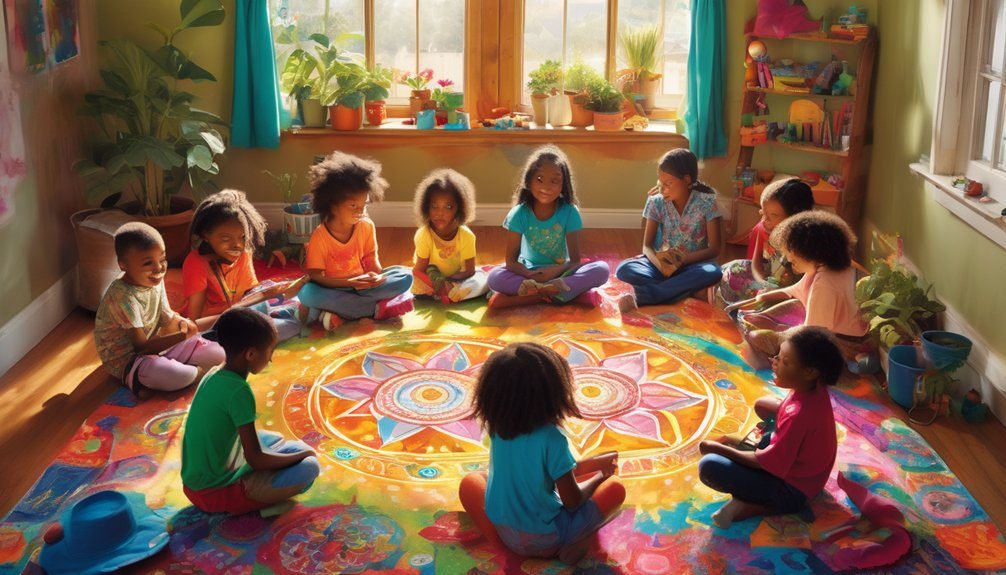
Incorporating coloring into daily routines can enhance focus and provide a creative outlet for neurodivergent kids. By weaving coloring into everyday activities, you can create a calming and enjoyable experience that breaks up tasks and fosters creativity.
Here are some ideas to get started:
- Morning Routine: Include a short coloring session after breakfast to set a positive tone for the day.
- Homework Breaks: Use coloring as a reward during study breaks to recharge and refocus.
- Transition Times: Offer coloring materials during transitions between activities to ease anxiety.
- Family Time: Plan family coloring nights to strengthen bonds while encouraging creativity.
- Relaxation Periods: Incorporate coloring before bedtime to help wind down and prepare for sleep.
Make coloring a regular part of your child’s day for improved focus and enjoyment!
Effective Coloring Techniques for Improved Concentration
Coloring can be more than just a fun activity; it can also serve as a powerful tool for enhancing concentration in neurodivergent kids. To maximize its benefits, consider choosing calming colors like blues and greens, which promote focus.
Encourage your child to create a dedicated coloring space, free from distractions. Introduce timed sessions, starting with short intervals and gradually increasing them as their focus improves.
Use coloring books with intricate designs or themes that interest them, making the experience engaging. Let them explore different coloring materials, like colored pencils or markers, to discover what they enjoy most.
Lastly, celebrate their progress, reinforcing the positive connection between coloring and concentration. This approach can turn a simple activity into a valuable skill-building exercise.
Frequently Asked Questions
Can Coloring Help With Sensory Processing Issues in Neurodivergent Kids?
Yes, coloring can help with sensory processing issues in neurodivergent kids. It provides a calming activity, allowing them to express themselves, improve focus, and develop fine motor skills while enjoying the tactile experience of coloring.
What Age Is Appropriate to Start Coloring for Focus?
You can start introducing coloring to kids around 2 to 3 years old. At this age, they’re developing fine motor skills, and coloring can enhance focus while providing a fun, creative outlet for expression.
Are There Specific Coloring Books for Neurodivergent Children?
Yes, there are specific coloring books designed for neurodivergent children. While some focus on calming patterns, others incorporate engaging themes. You’ll find options that spark creativity and promote focus, catering to varied interests and needs.
How Long Should a Coloring Session Last for Best Results?
A coloring session should last around 20 to 30 minutes for best results. This duration keeps you engaged without overwhelming you, allowing focus to thrive while still providing a satisfying sense of accomplishment.
Can Digital Coloring Apps Be as Effective as Traditional Coloring?
Yes, digital coloring apps can be just as effective as traditional coloring. They offer versatility, engaging features, and convenience that might enhance focus and creativity, depending on your child’s preferences and comfort with technology.
Conclusion
In a world buzzing with distractions, coloring offers a serene escape for neurodivergent kids. While chaos looms outside, a simple set of crayons can transform anxiety into creativity. By embracing colors and patterns, they not only find focus but also express themselves in ways words often can’t capture. So, as you weave coloring into their daily routine, remember: amidst the noise, these moments of calm can spark joy and clarity, painting a brighter path forward.