
It’s funny how you might stumble upon a set of colored pencils and suddenly feel inspired to create. As a beginner, choosing the right coloring tools can significantly impact your experience. From rich, vibrant pigments to smooth application, the right supplies help you express your creativity. But what’s the best way to start your artistic journey? Let’s explore the essential tools that can elevate your coloring skills and ignite your passion for art.
Key Takeaways
- Start with high-quality colored pencils like Prismacolor Scholar for smooth application and rich pigments, ideal for beginners.
- Choose water-based markers for easy cleanup and less odor, perfect for novice artists.
- Experiment with traditional wax crayons for vibrant colors and smooth application suitable for all ages.
- Invest in gel pens for intricate designs and layering, enhancing precision and creativity in coloring.
- Utilize blending tools and a color wheel to improve techniques and create harmonious color combinations.
Essential Coloring Pencils

When you dive into the world of coloring, choosing the right pencils can make all the difference. High-quality colored pencils enhance your coloring techniques, allowing for smoother blending and vibrant results.
Brands like Prismacolor and Faber-Castell offer rich pigments and a range of hardness, which can suit any style or project. If you prefer a softer pencil, Prismacolor’s Scholar line is a great choice for beginners. On the other hand, Faber-Castell’s Polychromos provides a more durable option.
Experimenting with different brands helps you discover which ones complement your unique coloring style. Remember, the right pencils can elevate your artwork, making your coloring experience enjoyable and fulfilling.
Vibrant Markers
When it comes to vibrant markers, you’ll find a variety of types, each offering something unique for your coloring experience.
From alcohol-based to water-based options, knowing which marker suits your style can make a big difference.

Plus, mastering a few simple techniques will help you achieve the bold, striking results you’re aiming for.
Types of Vibrant Markers
Vibrant markers come in a variety of types, each designed to enhance your coloring experience. You’ll find alcohol-based markers, which offer rich, saturated colors and blend seamlessly, ideal for creating beautiful gradients.
Water-based markers, on the other hand, are perfect for beginners seeking easy cleanup and less odor. When exploring popular marker brands, consider Copic for high-quality alcohol markers or Crayola for affordable water-based options.
Brush tip markers provide versatility, allowing you to create both fine lines and broad strokes, while chisel tip markers are great for filling in larger areas.
Choosing the right marker types can make a significant difference in your artwork, so experiment to find what suits your style best!
Techniques for Best Results
To achieve the best results with vibrant markers, mastering a few essential techniques can make all the difference.
Start by experimenting with color blending techniques. Layering colors can create beautiful gradients; simply apply a lighter shade over a darker one for seamless transitions. Don’t forget to use a blending tool or a lighter marker to help merge colors effectively.
Next, implement shading strategies to add depth. Use a single color to create highlights and shadows by varying pressure—press harder for darker areas and lighter for highlights.
You can also utilize cross-hatching by overlapping lines to enhance texture. With practice, these techniques will elevate your artwork, allowing the vibrancy of your markers to shine through beautifully!
Versatile Crayons
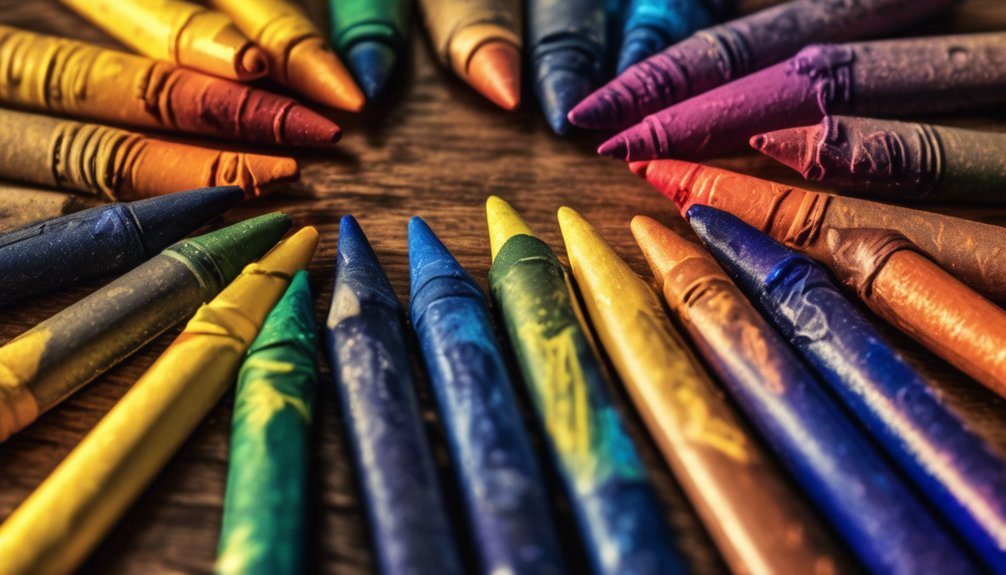
When it comes to versatile crayons, you have a world of options at your fingertips. From classic wax crayons to watercolor varieties, each type brings unique qualities that can enhance your artwork.
Let’s explore how to choose the right crayon for your projects and some handy tips for getting the most out of them.
Types of Versatile Crayons
Crayons come in a variety of types, each designed to enhance your creative experience. Whether you’re a beginner or just looking to expand your collection, knowing the crayon types available is essential.
Traditional wax crayons are a classic choice, offering vibrant colors and smooth application. For a more sophisticated touch, try oil pastels; they blend beautifully and give your artwork a unique texture.
Watercolor crayons are another versatile option, allowing you to create stunning washes and effects with just a bit of water. Popular crayon brands like Crayola and Faber-Castell provide quality options in each category, ensuring you’ll find the perfect fit for your artistic needs.
Explore these crayon types to discover which inspires your creativity the most!
Tips for Usage
While exploring the world of versatile crayons, you’ll find that mastering a few key techniques can elevate your artistic creations.
Start with layering; apply light colors first, then build up darker shades for depth. This classic coloring technique allows your artwork to pop.
Next, experiment with blending methods; using a paper towel or your fingers can create smooth transitions between colors. For a more polished look, try using a colorless blender crayon to merge hues seamlessly.
Don’t forget to utilize different pressure levels; varying your grip can produce both bold and soft lines.
Lastly, practice makes perfect! The more you explore these coloring techniques, the more confident you’ll become in your artistic expression with versatile crayons.
Happy coloring!
High-Quality Gel Pens
Although many coloring tools exist, high-quality gel pens stand out for their vibrant colors and smooth application, making them a favorite among beginners. These pens allow you to explore various gel pen techniques with ease, enhancing your coloring experience.
You can create intricate designs or bold statements by layering colors, perfect for achieving stunning color blending. When using gel pens, consider starting with lighter shades and gradually introducing darker hues for depth.
Their quick-drying formula prevents smudging, ensuring your artwork remains pristine. Plus, the fine tips enable precision, making it simple to tackle small details.
Investing in high-quality gel pens won’t only elevate your coloring but also boost your confidence as you experiment with different styles and techniques.
Watercolor Tools
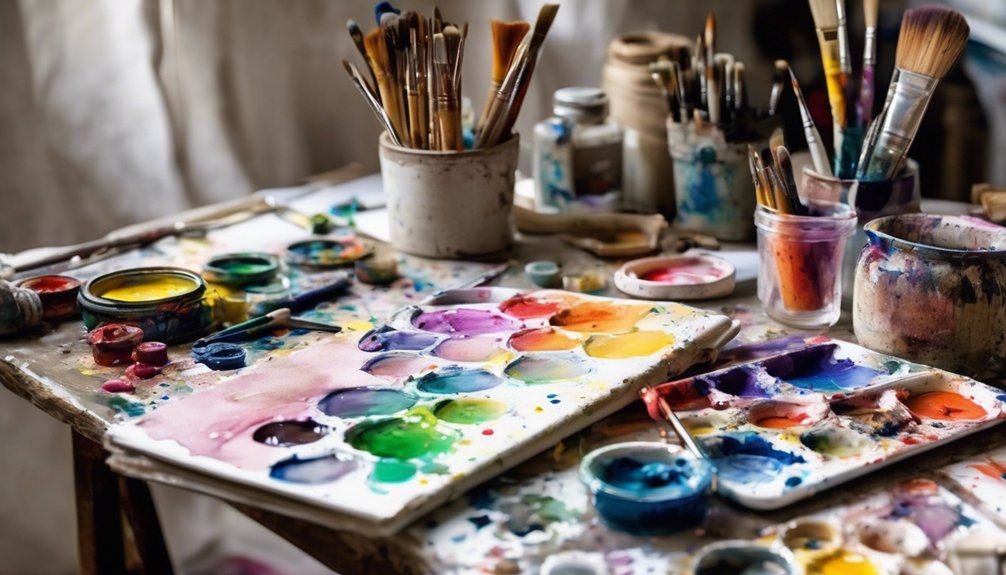
Watercolor tools can transform your coloring journey, offering a unique blend of fluidity and vibrancy.
To get started, invest in a set of quality watercolor paints, whether in tubes or pans. You’ll also need brushes of varying sizes; round brushes are great for detail, while flat brushes work well for washes.
Don’t forget a palette for color mixing, where you can experiment with different watercolor techniques, like wet-on-wet or dry brushing. A good watercolor paper is essential, too, as it can handle the water without buckling.
As you explore color mixing, you’ll discover endless possibilities for creating stunning shades and gradients. Dive in, and let your creativity flow!
Coloring Books for Beginners
Coloring books open up a world of creativity and relaxation for beginners. When you’re just starting, look for books that feature simple designs and beginner styles. These often include larger spaces to color, making it easier to stay within the lines and enjoy the experience.
Explore various coloring themes, such as nature, animals, or mandalas, to find what resonates with you. Each theme offers unique challenges and rewards, helping you develop your skills while keeping the process enjoyable.
Don’t hesitate to experiment with different mediums, like colored pencils or markers, to see what you prefer. Remember, the key is to have fun and express yourself freely as you dive into the vibrant world of coloring!
Accessories to Enhance Your Experience
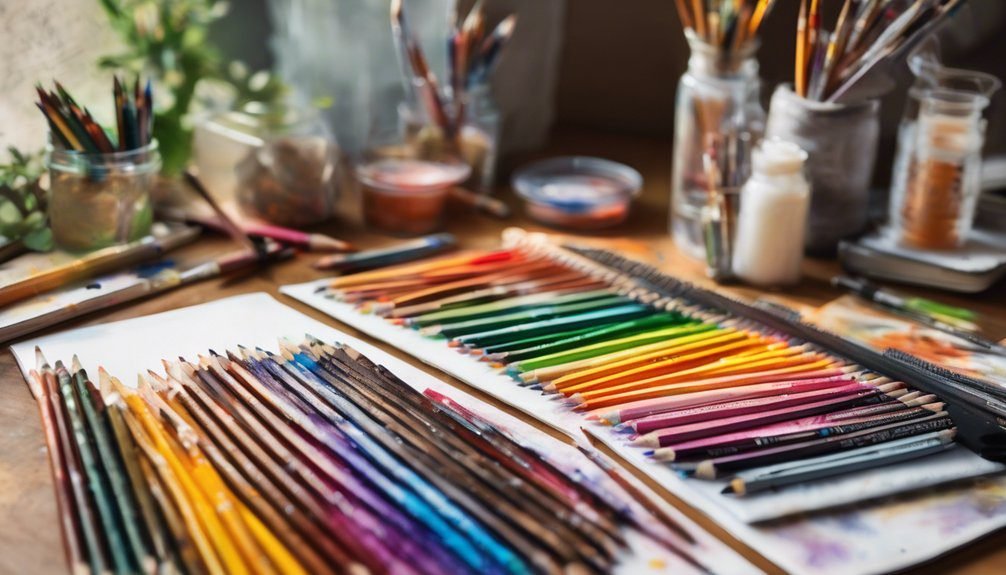
While diving into the world of coloring, having the right accessories can truly enhance your experience.
These coloring accessories not only make the process more enjoyable but can also elevate your artwork. Here are some must-have items to consider:
- Blending Tools: Use blending stumps or colorless blenders for smooth transitions.
- Color Wheel: A color wheel helps you choose harmonious color combinations.
- Erasers: Kneaded or precision erasers can refine your edges and correct mistakes.
- Protective Mats: Keep your workspace clean and prevent ink from bleeding through.
- Storage Solutions: Organize your markers and pencils with cases or trays for easy access.
Investing in these accessories will significantly enhance your coloring experience, allowing your creativity to shine!
Frequently Asked Questions
What Age Group Is Best Suited for Beginner Coloring Tools?
Kids aged three to seven are best suited for beginner coloring tools. This beginner age helps develop motor skills and creativity, while fostering relaxation and focus. You’ll find coloring benefits extend beyond fun, enhancing their cognitive growth.
How Do I Choose the Right Color Palette for My Artwork?
To choose the right color palette, explore color theory principles and aim for color harmony. Experiment with complementary, analogous, or triadic schemes, keeping in mind the mood you want to evoke in your artwork.
Can I Use Regular Paper for Coloring Tools?
You can use regular paper for coloring tools, but it may not handle heavy mediums well. Interestingly, studies show 70% of artists prefer specific paper types to enhance their artwork’s vibrancy and durability.
How Do I Clean My Coloring Tools Properly?
To clean your coloring tools properly, use gentle cleaning techniques like warm water and mild soap. Regular maintenance keeps them in top shape, ensuring vibrant colors and smooth application for every project you tackle.
Are There Any Online Resources for Coloring Techniques?
Absolutely! You can find excellent coloring tutorials on platforms like YouTube. Additionally, consider enrolling in online classes that focus on specific techniques, helping you refine your skills and explore new styles with guidance from experienced instructors.
Conclusion
In conclusion, choosing the right coloring tools is like selecting the perfect paintbrush for a masterpiece; it can elevate your artistic journey. From rich-colored pencils to vibrant markers and versatile crayons, each option offers unique benefits for beginners. Don’t forget to explore watercolor tools and accessories that can enhance your experience further. Dive in, experiment, and let your creativity flow—your coloring adventure awaits!