
A good coloring book can be a small key that opens a child’s focus and creativity. When you choose by age, you’ll find that toddlers need thick outlines, preschoolers need simple scenes, and older kids thrive on more detail and variety. The right match can support fine motor growth, attention, and confidence. But how do you tell when a book is too easy—or too demanding?
Key Takeaways
- Toddlers ages 1–3 need coloring books with thick outlines, large spaces, familiar images, and sturdy pages.
- Preschoolers ages 3–5 do best with simple scenes, familiar themes, thick paper, and room for conversation.
- Kids ages 5–7 enjoy more detailed books with favorite characters, longer scenes, and paper suited for markers.
- Ages 7–9 and 9–12 prefer complex books like mandalas, fantasy scenes, fashion, nature, and comics.
- Choose books that match skill level, rotate themes often, and add stickers or shared coloring for more engagement.
How to Choose a Coloring Book by Age
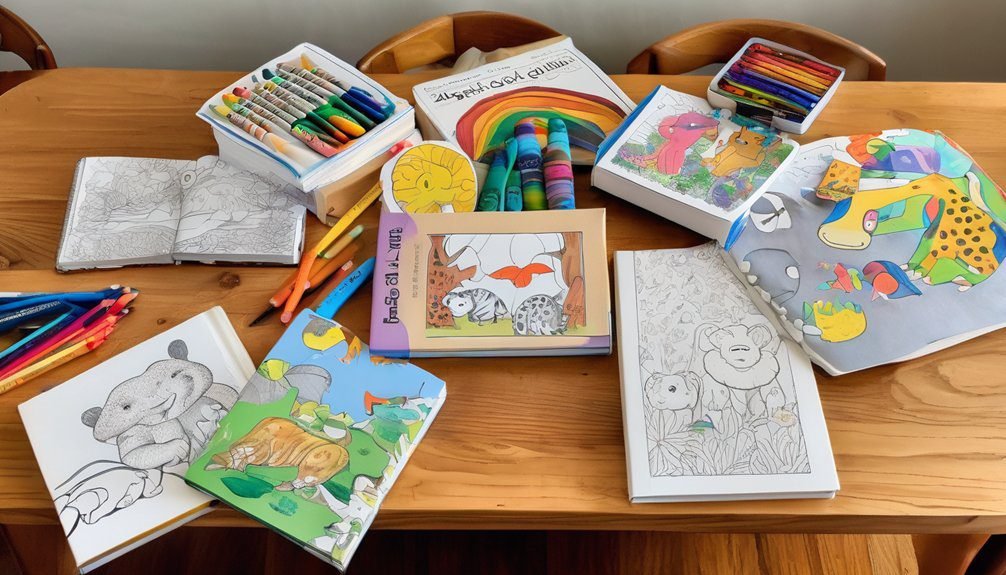
When you choose a coloring book by age, match the book’s complexity to a child’s fine motor skills, attention span, and interests. You’ll help them succeed when you pick coloring book types that fit their stage, from bold outlines to more detailed scenes.
Choose a coloring book that matches a child’s age, skills, and interests for the best creative success.
For younger children, age appropriate designs with large shapes and simple images support control and confidence. As children grow, you can offer pages with finer lines, richer themes, and small patterns that invite patience and careful coloring.
Research shows kids engage more when subjects reflect what they love, like animals, vehicles, or fairy tales. You’ll also want sturdy pages and clear layouts so the experience stays satisfying, not frustrating.
The right choice builds joy, focus, and a lasting love of art.

Best Coloring Books for Toddlers Ages 1–3
For toddlers ages 1–3, the best coloring books keep things very simple: thick outlines, large open spaces, and familiar images like animals, balls, cars, and everyday objects.
You’ll want sturdy pages that can handle crayons, finger smudges, and eager little hands. Books with interactive designs, like lift-the-flap moments or texture cues, can help your child stay engaged without feeling overwhelmed.
Research on early motor development shows that simple shapes support grasp practice, visual tracking, and early hand-eye coordination.
Choose books with a few images per page so your toddler can focus, point, and name what you see together. You’ll build confidence fastest when the activity feels playful, safe, and calm, not demanding.
Best Coloring Books for Preschoolers Ages 3–5
Preschoolers ages 3–5 are ready for coloring books that add a little more challenge without feeling frustrating: bigger scenes, slightly narrower outlines, and familiar themes like letters, animals, dinosaurs, vehicles, and simple story pages.
You can match coloring book features to preschooler preferences by choosing pages that invite focus, conversation, and pride. Research shows children this age benefit from clear shapes and relatable subjects.
Choose pages with clear shapes and familiar subjects to spark focus, conversation, and a sense of pride.
- Thick paper for crayon pressure
- Simple backgrounds with room to color
- Bold, clean outlines
- Everyday themes they recognize
- Pages that encourage naming and talking
You’ll support fine motor growth while keeping the experience warm and fun.
Pick books that feel welcoming, not busy, so your child can finish a page and feel successful.
Best Coloring Books for Ages 5–7
As children move into ages 5–7, they’re ready for coloring books that offer more detail, longer scenes, and a bit more independence. You can look for pages with clear outlines, familiar themes, and enough variety to keep them engaged without frustration.
At this age, kids often enjoy books tied to favorite characters, animals, vehicles, or everyday adventures. Research suggests they benefit from choices that support hand control, visual attention, and early planning skills.
You’ll want thicker paper for markers and pages that invite coloring techniques like blending, patterning, and staying inside the lines. Choose books that feel fun, not schoollike, so your child stays motivated.
The best picks grow confidence, spark creativity, and let your child practice skill-building through play.
Best Coloring Books for Ages 7–9
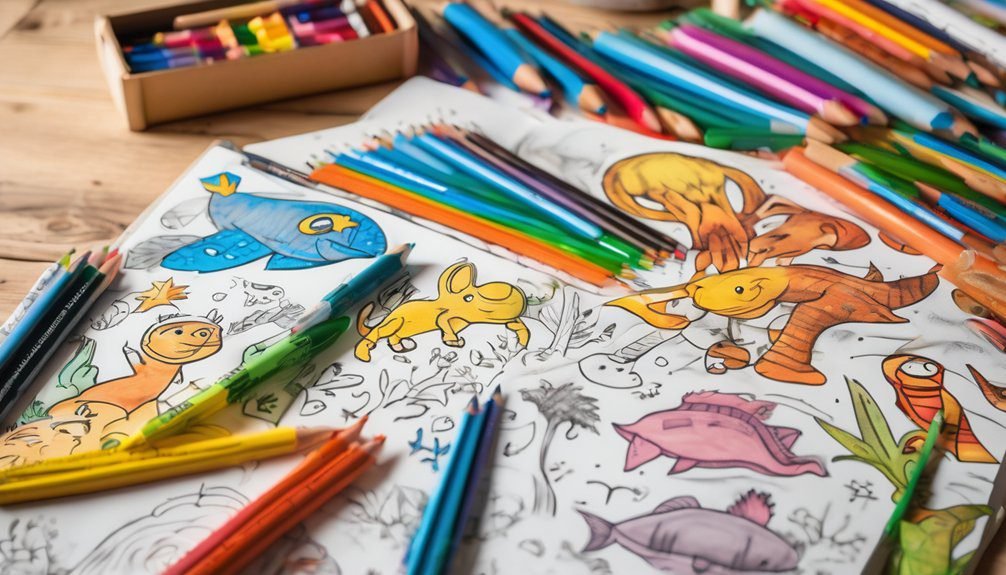
By ages 7–9, kids usually want coloring books that offer more complexity, stronger themes, and room to show their own style. You’ll likely see them enjoy pages with clearer scenes, richer details, and choices that invite creative expression.
- Nature and animal books
- Fantasy and adventure scenes
- Sports, vehicles, and machines
- Simple mandalas and patterns
- Story-based character books
At this age, coloring supports motor skills as your child controls pressure, stays within lines, and plans color choices. You can look for books with varied page density, because that keeps them engaged without overwhelming them.
Research shows kids this age often build confidence when their art feels personal, so let them pick books that match what they love. When you choose well, coloring becomes more than fun—it becomes a quiet way for your child to practice focus, skill, and self-expression.
Best Coloring Books for Ages 9–12
Between ages 9 and 12, many kids start wanting coloring books that feel more sophisticated, with sharper themes, finer details, and artwork that lets them make stronger creative choices. You’ll notice they often enjoy pages that support creative expression and skill development through patterns, scenes, and characters with layered textures.
| Type | Best for | Appeal |
|---|---|---|
| Mandalas | Focus | Calm detail |
| Fantasy scenes | Imagination | Rich storytelling |
| Fashion designs | Style play | Personal flair |
| Nature pages | Observation | Realistic color |
| Comics | Visual narration | Bold energy |
Research shows this age group often stays engaged longer with images that invite patience and self-direction. You can look for books with varied line thickness, open-ended scenes, and enough detail to feel grown-up without feeling overwhelming.
How to Pick the Right Skill Level
The right skill level keeps kids interested without making them feel stuck, so it helps to match the book to how they actually color, not just their age. You can look for signs of readiness and choose a page that fits their current skill progression.
- Simple shapes suit newer colorers.
- Smaller spaces challenge steady hands.
- Bold outlines support early coloring techniques.
- Varied patterns help older kids grow.
- Open layouts reward confident control.
Research shows children stay engaged when tasks sit just above comfort level. For ages 4–6, pick large areas and few details. For ages 7–9, choose mixed shapes and moderate precision. For ages 10–12, offer finer lines and layered coloring techniques.
When you meet them where they are, you protect confidence and make practice feel warm, doable, and personal.
Coloring Themes Kids Love Most
Once you’ve matched the coloring book to your child’s skill level, the next step is picking themes they’ll actually want to open again and again.
For preschoolers, favorite characters and simple nature scenes keep attention focused, while bold art styles support early hand control.
Ages 5 to 7 often love seasonal themes, animals, and imaginative play pages that invite storytelling.
Older kids usually respond to cultural diversity, fantasy worlds, and more detailed interactive elements like mazes or hidden objects.
You’ll also notice educational benefits when themes weave in letters, numbers, habitats, or maps without feeling like work.
The best books feel personal to your child’s interests, so they’re more likely to stay engaged, build confidence, and enjoy coloring as a creative habit they truly own.
Tips to Keep Kids Coloring
To keep kids coloring, make the activity easy to start, easy to finish, and easy to enjoy again tomorrow. You’ll keep little hands engaged when you match tasks to age and attention span. Preschoolers often prefer big shapes, while older kids like details and choice.
Use coloring techniques that build confidence, not pressure. Try these simple supports:
- Offer thick crayons for toddlers
- Set out 3 to 5 colors only
- Use creative prompts, like “color the happiest dog”
- Break pages into small sections
- Praise effort, not perfection
Research shows kids stay longer when they feel control, success, and novelty. So rotate books, add stickers, and color beside them when you can.
Your calm presence turns coloring into a shared ritual they’ll want to return to.
Frequently Asked Questions
Which Coloring Book Paper Works Best With Markers?
You’ll want thick, smooth paper that resists marker bleeding, like a soft white shield beneath bright strokes. For kids, heavier paper around 70–100 lb gives cleaner pages, fewer tears, and happier coloring.
Are Reusable Coloring Books Better for Travel?
Yes, reusable coloring books can be better for travel because you get portable options and easy cleanup. You’ll notice more travel benefits for toddlers and preschoolers, since they can reuse pages, stay engaged, and avoid mess.
How Do I Clean Crayon From Book Pages?
Use a white vinyl eraser or gentle tape lift for crayon removal, then brush away crumbs. You’ll protect page preservation by testing first, working slowly, and choosing methods kids can handle safely.
Can Coloring Books Support Learning Letters and Numbers?
Yes, you can use coloring books to support letters and numbers. You’ll build color recognition and motor skills while kids trace, match, and name shapes. For ages 3-6, you’ll keep learning playful, age-appropriate, and child-centered.
What Signs Show a Child Has Outgrown a Coloring Book?
You’ll notice they finish pages quickly, ignore simple designs, and prefer more detailed art, coloring preferences, or free drawing. You can also see stronger creative expression, frustration with basic pictures, and interest in age-appropriate challenges.
Conclusion
The right coloring book is like a key that opens your child’s creativity. When you match simple shapes to toddlers, playful scenes to preschoolers, and richer designs to older kids, you give them the right challenge at the right time. You’ll help build fine motor skills, confidence, and focus while keeping coloring fun. Choose books that fit their age, and you’ll turn every page into a small, bright step in their growth.