
When you choose bold pictures, thick pages, and simple themes, you give your toddler a coloring book they can actually use and enjoy. You want pages that match their hand control, support their focus, and build confidence without frustration. The best options for ages 2 to 5 aren’t just cute—they’re age-matched, durable, and skill-building, and the difference shows in ways you may not expect.
Key Takeaways
- Choose books with thick outlines, large shapes, and familiar pictures to match toddlers’ short attention spans and growing skills.
- For ages 2 to 3, pick simple, durable pages with bold images, sturdy paper, and interactive tracing or sticker elements.
- For ages 4 to 5, select slightly more detailed books with larger scenes, trace-and-color pages, and clear images they can finish proudly.
- Animal and mess-free coloring books work well because they use engaging, simple scenes, reusable pages, or clean-touch tools.
- Match books to ability and pair them with chunky crayons or washable markers to reduce frustration and support confidence.
What Makes a Great Toddler Coloring Book?
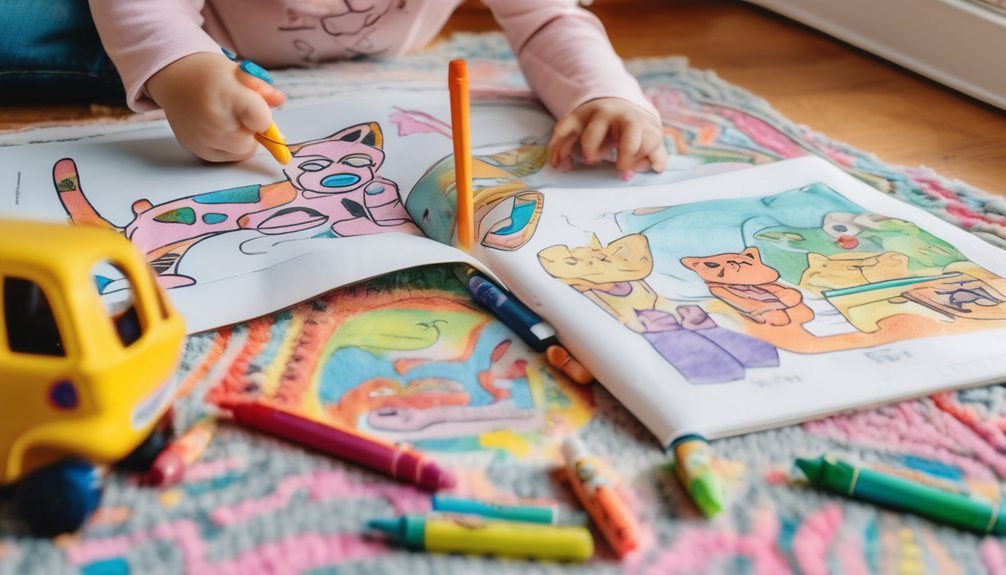
A great toddler coloring book keeps things simple, fun, and age-appropriate. You want thick outlines, large shapes, and familiar pictures that help your child stay focused without frustration.
Look for sturdy pages that hold up to crayons and eager little hands. Strong engagement techniques, like animal scenes, stickers, or traceable paths, can keep your toddler interested a little longer.
Simple prompts also support color recognition by inviting you to name red apples, blue skies, or yellow suns together. Choose books with one clear image per page, so your child can learn control, enjoy quick success, and build confidence.
When you pick well, coloring becomes more than play; it becomes a calm, encouraging way for you to support early learning and connection.

Best Coloring Books for Toddlers Ages 2 to 3
For ages 2 to 3, the best coloring books are simple, durable, and built for short attention spans. You’ll do best with thick pages, bold outlines, and large images your toddler can fill without frustration.
Look for books with simple patterns, familiar objects, and a few choices per page so you can keep the activity calm and successful. Interactive coloring, like stickers, tracing, or matching prompts, can help your child stay engaged without overwhelming them.
You don’t need advanced themes or busy scenes; your little one learns more from repetition, hand control, and quiet praise. Choose books that lay flat and survive crayon pressure, so you can hand them over with confidence and enjoy those early creative moments together.
Best Coloring Books for Toddlers Ages 4 to 5

At ages 4 to 5, your child is ready for coloring books that offer a little more detail without losing the fun. You can look for bold outlines, larger scenes, and creative themes that invite storytelling, pretend play, and early decision-making.
Books with interactive elements, like trace-and-color pages, simple mazes, stickers, or color-by-number prompts, can keep your child engaged while building hand strength and focus. Choose books with sturdy paper so crayons or markers won’t bleed through easily.
You’ll also want pages that support success, not frustration, so your child can finish pictures and feel proud. At this age, coloring should still feel playful, calming, and personal, helping your child practice patience while expressing ideas in a way that’s just right for growing skills.
Best Animal Coloring Books for Toddlers
Animal coloring books give toddlers an easy way to connect pictures with real-world creatures, which can make coloring feel exciting and familiar. You can choose books with simple animal shapes, vibrant illustrations, and character based designs that invite gentle focus. Look for interactive features like lift flaps or texture touches, because they add sensory experiences without overwhelming small hands.
| Feature | Why it helps | Feelings |
|---|---|---|
| Big animals | Easier grip | Calm |
| Soft scenes | Less clutter | Safe |
| Nature pages | Nature exploration | Curious |
| Creative activities | Builds confidence | Proud |
These educational themes support early observation while keeping fun at the center. When you sit beside your toddler, you turn coloring into a warm, shared moment.
Best Alphabet and Number Coloring Books
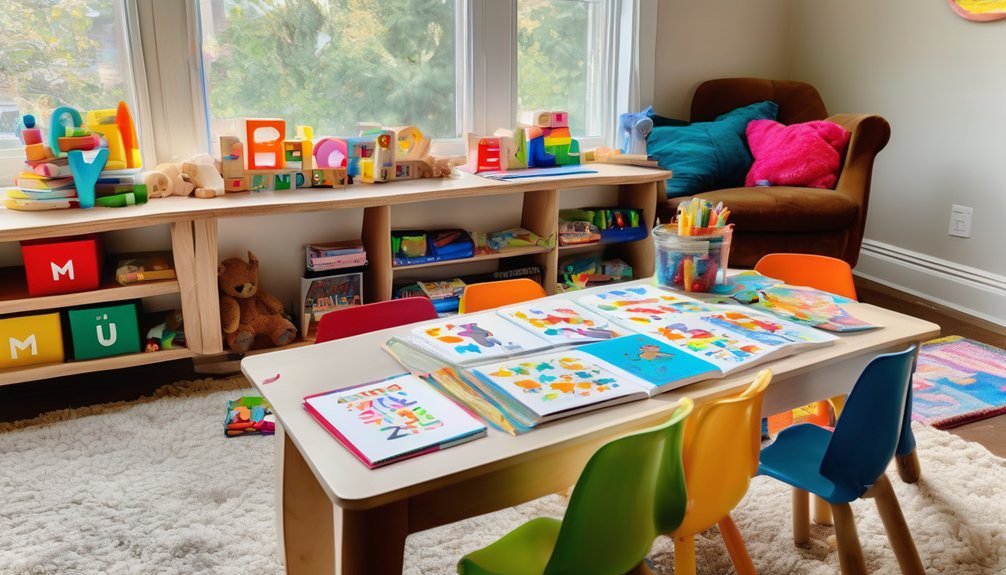
Alphabet and number coloring books help your toddler connect letters and counting with simple, hands-on practice. You can choose pages with bold outlines, friendly fonts, and large spaces that support early alphabet recognition without pressure.
These books also build number tracing skills, letting your child follow strokes, name numerals, and count objects with confidence. When you sit beside your toddler, you make learning feel warm and familiar, and that support matters.
- Pick books with one letter or number per page.
- Look for traceable paths and clear visual cues.
- Pair each page with quick counting or sound games.
You’ll notice that repetition helps your toddler remember shapes and sequences. Keep sessions short, celebrate effort, and let your child color at their own pace.
Best Mess-Free Coloring Books for Toddlers
Mess-free coloring books can turn busy moments into calm, low-stress play because they let your toddler color without stains, spills, or constant cleanup.
You’ll love options made with mess free materials, like water-reveal pages, reusable markers, or clean-touch crayons that keep hands and furniture safe. These books support creative expression while helping your child practice grip, focus, and hand control.
Choose sturdy pages with simple shapes and bold outlines so your toddler feels successful, not frustrated. You can sit nearby and encourage color choices, naming, and pointing as they work.
That little shared moment builds confidence and connection, and it makes coloring feel joyful, not messy.
Best Coloring Books for Cars, Dinosaurs, and More
From roaring dinosaurs to speedy cars and friendly farm scenes, themed coloring books can spark your toddler’s interest and keep them engaged a little longer. You can pick books with simple car designs, bold vehicle illustrations, and dinosaur adventures that invite your child to explore without frustration.
Look for prehistoric scenes with fun characters, since these creative themes make it easier for you to turn coloring time into imaginative play. These books also help your toddler practice grip control, follow shapes, and stay focused through short activity bursts.
Prehistoric scenes with fun characters turn coloring into imaginative play while helping toddlers build focus and grip control.
- Choose pages with clear outlines and familiar objects.
- Pick themes that match your child’s current obsessions.
- Use them to start tiny adventure stories together.
How to Choose Coloring Book Size
After you’ve picked a theme your toddler loves, size is the next thing to check. Aim for coloring book dimensions that fit tiny hands and your storage space.
Smaller books are easy to hold, but they can feel cramped if your child likes big arm movements. Larger books give more room for scribbles, stickers, and confident strokes, though they may be harder to keep steady.
You know your toddler best, so choose a size that matches their toddler grip and attention span. If your child still switches hands often, a medium format usually works well.
It gives enough space to color without overwhelm, and it supports early control. When the book feels manageable, your toddler can relax, focus, and enjoy the page.
Best Paper and Pages for Little Hands
For little hands, choose pages that are thick, sturdy, and easy to turn. You’ll make coloring calmer when the book uses durable paper that resists tearing and feels easy to hold. Your toddler can press, scribble, and try again without frustration, and that freedom helps confidence grow.
- Pick pages with a smooth surface so crayons glide without slipping.
- Look for sturdy binding that keeps sheets from loosening.
- Choose paper weight that limits bleed-through and mess.
When you offer strong pages, you support early grip, hand control, and steady focus. Your child can enjoy the picture, stay engaged longer, and feel proud of each mark.
Little hands need materials that welcome practice, not perfection, so a well-made page can turn simple coloring into a warm, reassuring routine.
Best Coloring Books by Skill Level
Choose a coloring book that matches your toddler’s current skill level, so the activity feels fun instead of frustrating. If your child is just starting, pick big pictures, thick outlines, and simple scenes with fewer details.
These books support grasping, staying inside broad spaces, and learning basic coloring techniques without pressure. As your toddler grows, you can move to books with smaller shapes, more varied themes, and simple patterns that invite better control.
For advanced toddlers, look for pages with mixed sizes and gentle challenges that build focus. Pair the book with easy art supplies like chunky crayons or washable markers.
When you match the book to your child’s abilities, you help them feel capable, calm, and eager to keep creating.
Frequently Asked Questions
Are Coloring Books Safe for Toddlers Who Still Mouth Objects?
Not always; you should choose coloring book materials that are non-toxic and large enough to resist tearing, then follow toddler safety tips by supervising closely, offering chew-safe toys, and removing pages if your child mouths them.
Can Coloring Books Help Toddlers With Speech Development?
Yes, you can support speech development with coloring books; they encourage speech skills through naming colors, objects, and actions. You’ll also nurture creative expression while chatting, labeling, and describing pictures together every day.
How Often Should Toddlers Use Coloring Books Each Week?
You can offer coloring books 3 to 5 times weekly, for 10 to 15 minutes each. This coloring frequency supports creative expression, builds fine motor skills, and keeps your toddler engaged without pressure.
What Crayons Work Best for Left-Handed Toddlers?
You’ll do best with thick, short crayons that fit your toddler’s crayon grip. Left handed techniques work well when you choose triangular or jumbo crayons, since they help little hands hold, steer, and color comfortably.
Should Toddlers Color Alone or With Adult Supervision?
You should color with your toddler nearby, offering coloring guidance as needed. Supervision keeps them safe and builds toddler independence. Let them try solo moments, but stay close, reassure them, and join in when they need help.
Conclusion
Choosing the best coloring books for toddlers ages 2 to 5 helps you support your child’s growth in a fun, low-pressure way. When you pick sturdy pages, simple pictures, and familiar themes, you’re giving little hands the right tools to build confidence and fine motor skills. Think of the right coloring book like a gentle stepping stone—it helps your toddler move forward one small, creative step at a time while having fun.