
When you choose bold, easy coloring books for young children, you give them more than a quiet activity—you give them a chance to build confidence with every thick line they fill in. Large shapes and simple scenes help little hands stay on track, while familiar themes like animals and vehicles keep interest high. The best part is how quickly a child can feel successful, and that changes what comes next.
Key Takeaways
- Choose coloring books with bold outlines and large shapes for easier focus and control.
- Pick simple designs with less crowded pages to reduce overwhelm and frustration.
- Match the book to the child’s age, using thicker lines for toddlers and preschoolers.
- Animal and vehicle themes work well because they are familiar, fun, and easy to recognize.
- Use short coloring sessions in a calm space to build confidence and keep children engaged.
Why Bold, Simple Coloring Pages Help Kids

Bold, simple coloring pages help kids stay focused because the shapes are easy to see and the choices feel manageable. You give your child a clear starting point, and that small relief can lower frustration fast.
Thick outlines invite steady hand movements, so your child practices motor skills while staying within the picture. You also notice more coloring benefits when the page isn’t crowded: your child can choose colors, finish sections, and feel proud without getting overwhelmed.
Thick outlines help little hands stay steady, making coloring feel manageable, rewarding, and fun.
That sense of success builds confidence and encourages longer attention. When you sit nearby, you can gently guide without taking over, which keeps the experience warm and supportive.
Simple pages don’t ask for perfection; they invite progress, and that’s often what your child needs most.

Best Coloring Books by Age Group
Choosing coloring books by age helps you match the page to your child’s current skills, interests, and attention span. For toddlers, you’ll want thick outlines, large shapes, and just a few details so little hands can succeed quickly.
As your child grows, you can offer pages with more pattern, more room for coloring techniques, and chances to stay with one picture a bit longer. Preschoolers often love simple scenes that invite creative expression without overwhelming them.
Early school-age kids may enjoy books with stronger themes and slightly finer lines, because they’re ready for patience and choice. You know your child best, so watch what feels inviting, then adjust the challenge gently.
The right book can make coloring feel comforting, proud, and deeply personal.
Animal Coloring Books for Young Kids
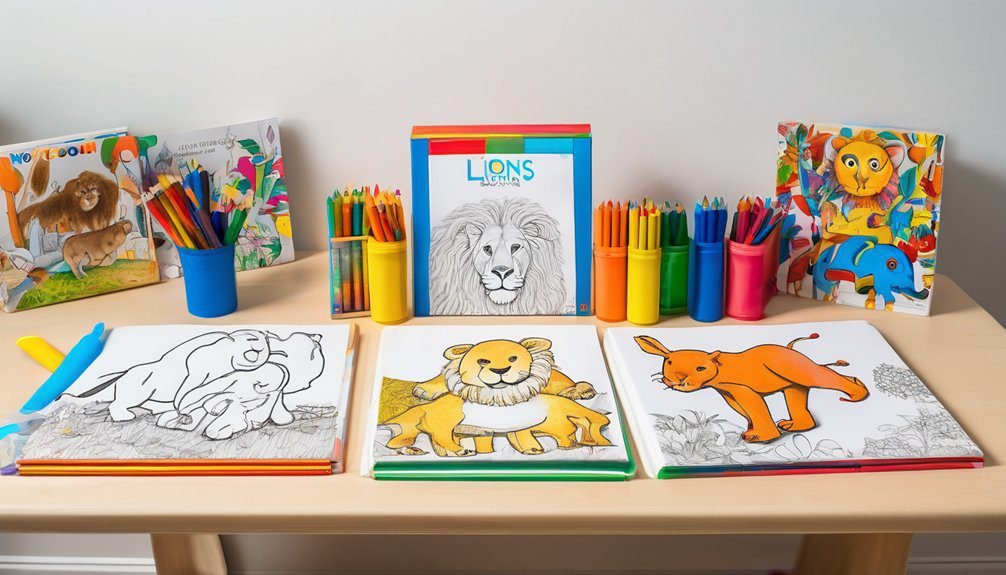
Animal coloring books can be a great first choice because kids usually connect with animals quickly, from familiar pets to jungle and farm creatures.
You’ll notice your child often relaxes when the animal shapes are bold, simple, and easy to follow. That ease helps little hands build control without feeling pressured.
You can also choose books with fun facts beside each picture, because a tiny detail about a lion, rabbit, or whale can spark curiosity and make coloring feel personal.
When you sit nearby, you give your child comfort and gentle encouragement. Together, you turn each page into a small, satisfying win.
These books support focus, naming skills, and quiet confidence while keeping the experience warm and playful.
Vehicle Coloring Books With Big Shapes
If your child enjoys big, easy animal shapes, vehicle coloring books can offer the same kind of comfort with a new subject to explore. You’ll see cars, trucks, buses, and trains drawn with wide outlines that invite relaxed coloring.
These vehicle themes feel friendly and familiar, and they support shape recognition as your child notices wheels, windows, and boxy bodies. You can choose books that keep details simple so little hands won’t feel overwhelmed.
These vehicle themes feel friendly and familiar, with simple shapes that help little hands color with ease.
- Big tires and bold frames
- Clear roads, rails, and sky scenes
- Open spaces for confident coloring
You may notice your child slowing down, choosing colors carefully, and feeling proud of each page. That quiet focus can make coloring time feel warm and reassuring for both of you.
Learning-Themed Coloring Books for Toddlers
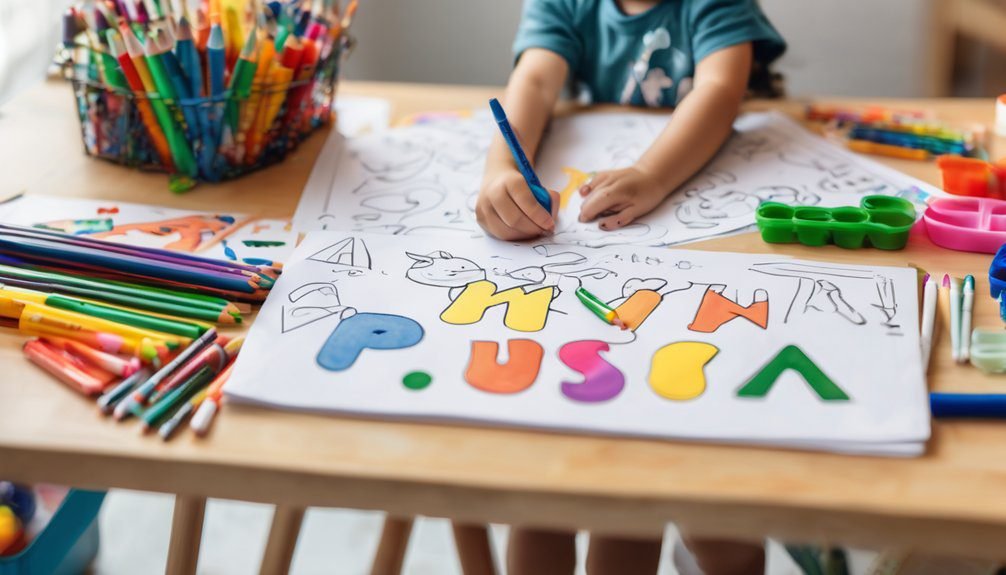
Learning-themed coloring books can turn quiet coloring time into a gentle way to explore early skills. You can sit beside your toddler and notice how each page invites naming shapes, matching objects, and tracing simple lines.
Bold pictures of letters, numbers, animals, and everyday items help your child stay engaged while they’re learning colors and building early literacy. As you color together, you’ll see small wins: a finger pointing to a red apple, a voice repeating a letter, a smile after finding a favorite truck.
These books feel warm and reassuring because they meet your child where they are, letting curiosity lead. With each page, you support confidence, attention, and joyful practice without pressure.
How to Choose the Right Coloring Book
Once you’ve seen how much toddlers enjoy pages with letters, numbers, and simple pictures, it gets easier to narrow down the right book for your child.
Look for coloring book features that match your child’s age and current skills, like bold outlines, large shapes, and familiar scenes. These choices support child engagement without overwhelming little hands or eyes.
You can use this quick guide:
- Pick thick pages that handle crayons well.
- Choose images with clear spaces to color.
- Notice themes your child already loves, such as animals or vehicles.
When you choose with care, you’re honoring how your child learns best. The right book invites focus, builds confidence, and keeps the experience warm, personal, and developmentally gentle.
Tips for Easier Coloring Time
To make coloring time feel easier for young children, set up a calm, simple space with just a few crayons or markers within reach. You can choose bold pages with large shapes so little hands don’t get overwhelmed.
Show one or two coloring techniques, like staying inside broad outlines or filling spaces with slow strokes, then let your child explore at their own pace. Your gentle parental involvement matters most when you notice effort, not perfection.
If your child tires quickly, pause and return later; short sessions often work best for growing attention spans. You can also offer choices between colors or pages, which helps them feel capable and calm.
When you keep the experience predictable, coloring can feel safe, joyful, and encouraging.
Frequently Asked Questions
Are Washable Crayons Better for Young Children?
Yes, washable crayons can be better for young children because you’ll stress less about messes while they explore. You still need to check crayon safety and color variety, since your child’s developmental needs matter.
How Many Pages Should a Starter Coloring Book Have?
A starter coloring book should have about 12 to 24 pages—enough to delight, not overwhelm. You’ll want starter book essentials and the ideal page count so your child can build confidence gently, page by page.
Can Coloring Books Help Left-Handed Toddlers?
Yes, coloring books can help your left-handed toddler by supporting motor skills and celebrating left handed advantages. You’ll notice better grip, control, and confidence as they explore lines, shapes, and colors at their own pace.
What Paper Thickness Prevents Marker Bleed-Through?
You’ll want at least 80 gsm paper; 120 gsm often gives better bleed prevention. Since 70% of parents notice marker seep-through, choose sturdy paper quality, and you’ll keep your child’s art calm, clean, and confident.
Should Coloring Books Include Stickers or Rewards?
Yes, you can include stickers or rewards if they support sticker motivation and reward systems without replacing your child’s own enjoyment. You’ll notice they help when you keep them simple, warm, and developmentally appropriate.
Conclusion
You’ll see your child grow with every bold, broad brush of color. Simple shapes support small hands, while sturdy outlines steady their confidence and spark steady success. Whether you choose animal, vehicle, or learning-themed pages, you’re giving them a calm, creative space to explore. Keep it easy, encouraging, and age-appropriate, and you’ll help little artists build fine motor skills, focus, and joyful self-expression—one bright, beautiful page at a time.