
When you choose a coloring book for your child, start with their age, interests, and fine motor skills. You’ll want pages that feel manageable now but still offer room to grow. The right theme can keep them engaged, while the right paper and format can make coloring easier and more enjoyable. A thoughtful choice can do more than entertain, and the next details may matter more than you think.
Key Takeaways
- Choose a coloring book that matches your child’s age and motor skill level to keep it fun and manageable.
- Pick themes your child loves, such as favorite characters, animals, or hobbies, to boost interest and focus.
- Select page complexity based on control level, starting with simple shapes and moving to more detailed designs.
- Consider the book format, including size, variety, and interactive features, for your child’s attention span and independence.
- Look for thick, sturdy paper that reduces bleed-through and supports crayons, markers, or colored pencils.
Start With Age and Skill Level
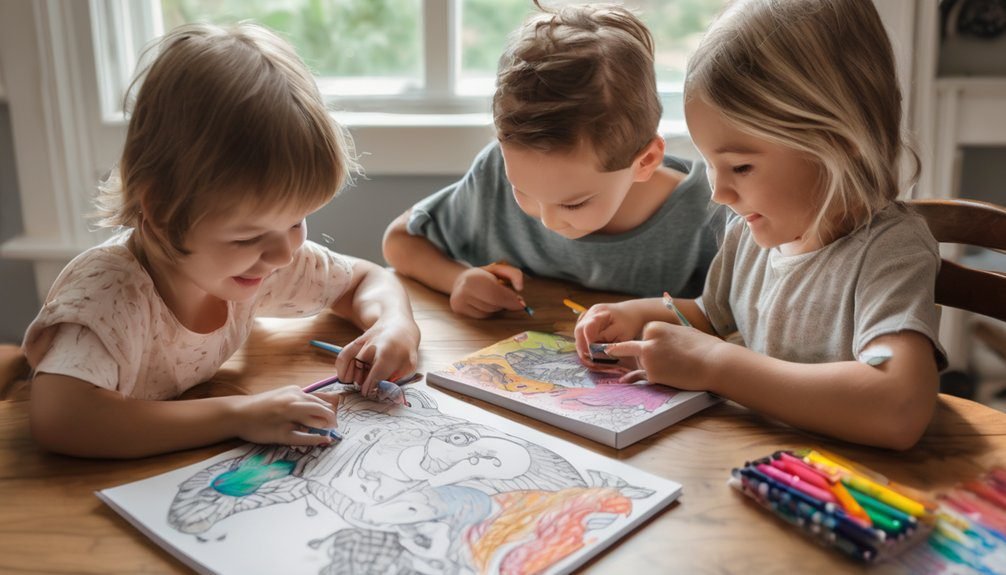
Start with your child’s age and skill level, because the right coloring book should match what they can realistically do and enjoy. You’ll support confidence when you choose pages with simple shapes for beginners and more detail for children with steadier control.
Match the coloring book to your child’s age and skill level, so each page feels doable and enjoyable.
This fit matters because coloring benefits grow when your child can finish pages without frustration. You’re also encouraging artistic expression by giving them space to experiment with color choices and mark-making.
For younger children, thick lines and large spaces reduce strain; for older ones, finer patterns can deepen focus. When the task feels manageable, you invite emotional release and strengthen cognitive development through attention, planning, and hand-eye coordination.

Choose a level that challenges gently, not one that overwhelms or bores.
Choose Themes Your Child Loves
Choose themes your child already loves, because interest is what turns coloring from a task into an engaging activity. When you pick books around favorite characters, animals, vehicles, or seasonal themes, you tap into your child’s natural curiosity and make practice feel personal.
You’ll likely notice more enthusiasm, longer focus, and a stronger desire to return to the page. If your child adores superheroes, princesses, dinosaurs, or holiday scenes, start there and build from what feels familiar.
You can also offer a few options and let your child choose, which supports confidence and ownership. The best coloring book doesn’t just entertain; it connects with your child’s world and invites them to express it.
Match Page Detail to Motor Skills
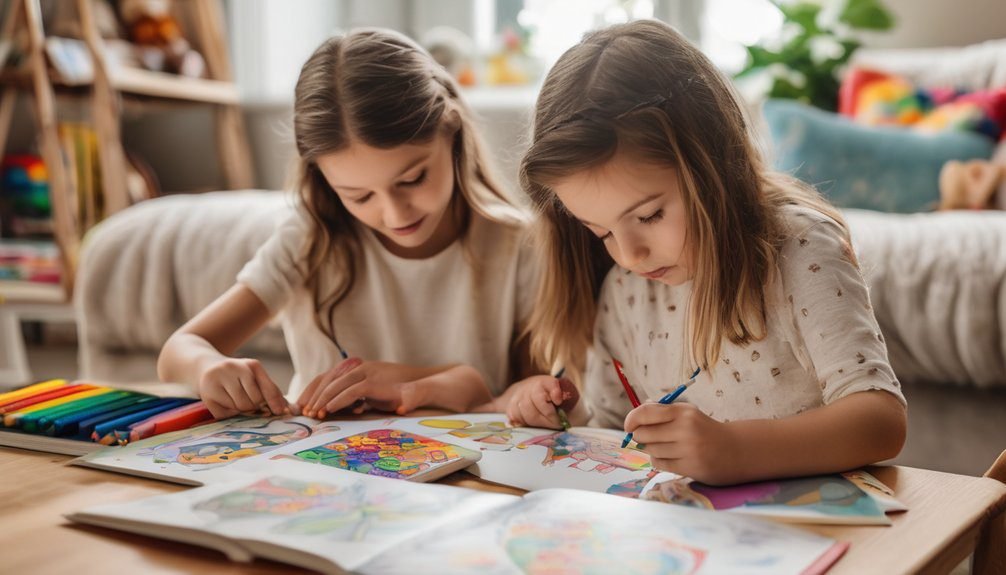
As your child’s hand control grows, match the page detail to what they can handle comfortably. Simple shapes support early motor skill development, while tighter lines challenge fine motor skills without frustrating them.
You can gently increase complexity as control improves, letting coloring techniques become more intentional and confident.
- Broad areas invite sensory exploration and calm focus.
- Medium details strengthen coordination and steady pressure.
- Small patterns encourage precision and patience.
- Varied pages keep artistic expression lively and help give a creativity boost.
Choose pages that feel achievable, then watch your child stretch. When the design fits their current ability, they stay engaged, build confidence, and enjoy each coloring session more fully.
Pick the Best Coloring Book Format
The right coloring book format can make it easier for your child to stay focused, feel successful, and enjoy the activity. You can compare coloring book styles to match your child’s attention span and interests. Smaller books work well for quick sessions, while larger collections give more variety.
If your child likes surprises, look for interactive features like stickers, lift-flaps, or simple prompts that invite conversation and creativity. You may also choose themed books that connect to animals, letters, or favorite stories, because familiar topics often boost engagement.
When you pick a format your child can handle independently, you support confidence and build positive habits. Trust your observations, and let your child help decide what feels exciting and manageable.
Choose Books With Better Paper

Once you’ve picked a format your child can enjoy, it’s worth checking the paper quality too. Thicker pages help your child color with confidence, so markers won’t bleed through and crayons won’t tear the sheet easily.
Better paper also supports stronger color vibrancy, which makes each finished page look brighter and more rewarding.
- Choose pages with a smooth, sturdy feel.
- Look for paper that handles markers and pencils well.
- Test whether colors stay bold without feathering.
- Pick books with pages that turn easily in little hands.
When you choose better paper, you give your child a calmer, more satisfying coloring experience. That small upgrade can keep frustration low and creativity flowing.
Turn Coloring Time Into Learning Time
While your child colors, you can turn the activity into a simple learning moment by naming colors, shapes, and objects on the page. You help build color recognition when you ask, “What shade is this?” and support cognitive development by counting items or comparing sizes.
As your child shades within lines, you strengthen fine motor control and focus improvement without pressure. You can also invite creative expression by asking how a sky might look or what story the picture tells, which encourages imaginative play.
If your child feels frustrated, pause and breathe together; coloring can support emotional regulation. Offer textures like crayons, markers, or pencils to deepen sensory exploration.
Stay present, gently curious, and let each page become a warm chance to learn together.
Look for Books Kids Want to Keep Using
Choose a coloring book your child will want to revisit, not just finish once. You’ll keep them engaged longer when pages match their coloring preferences and invite creative expression.
Look for themes your child already loves, like animals, space, or fairies, because familiar subjects encourage repeat use. Varied page styles also help, since some days they may want simple shapes and other days more detail.
- Pick sturdy paper that handles crayons and markers.
- Choose designs with both easy and challenging pages.
- Look for open-ended scenes that spark imagination.
- Check whether the book leaves room for adding stickers or doodles.
When you choose books with lasting appeal, you support confidence, focus, and joyful practice.
Frequently Asked Questions
How Do I Know if a Coloring Book Is Educational Enough?
You’ll know it’s educational enough if it includes educational themes, matches age appropriateness, and sparks questions, counting, and creativity. Choose books that teach while keeping your child engaged, challenged, and excited to learn.
Are Reusable Coloring Books Better for Long-Term Use?
Yes—reusable coloring books often last longer, like a sketchbook that returns after every tide. You’ll save paper, reduce environmental impact, and support artistic freedom, though some children may prefer fresh pages for new adventures.
What Coloring Supplies Work Best With Different Book Paper Types?
Colored pencils suit thin paper; gel pens and watercolor markers need paper thickness. You’ll love oil pastels on rough pages, choosing crayon types wisely, exploring blending techniques, and noticing texture differences for richer results.
How Can I Tell if a Book Is Too Simple or Too Challenging?
You can gauge it by watching your child’s skill assessment: if pages feel effortless, it’s too simple; if frustration rises, it’s too hard. Match age appropriateness, creativity enhancement, and interest alignment for growth.
Should I Choose Coloring Books With Stories or Captions?
Yes—choose books with short stories or captions if you want story engagement and a creativity boost. You’ll help your child connect scenes, practice language, and imagine more, but keep text light so coloring stays enjoyable.
Conclusion
As you choose a coloring book, you’re shaping more than quiet time—you’re opening a small door to confidence, creativity, and growth. Start with your child’s age and skills, then follow their interests so every page feels like an invitation. When the paper, format, and detail level fit just right, coloring becomes more than play. It can feel a bit like opening Pandora’s box—in the best way—unlocking imagination, learning, and joy that keeps them coming back.