
Coloring transcends age, creating a unique platform where you can connect with family members across generations. As you pick up crayons or colored pencils, you might notice how older relatives share their techniques while younger ones introduce their vibrant ideas. This simple act can spark conversations that reveal family stories and traditions, but there’s more to this artistic exchange than meets the eye. What deeper connections can emerge as you explore this shared creative journey?
Key Takeaways
- Coloring fosters collaboration between generations, allowing older relatives to share techniques while younger ones introduce fresh ideas.
- Shared coloring experiences create a platform for storytelling, bridging generational gaps and encouraging meaningful conversations.
- Each completed coloring page reflects collective artistic expression, strengthening emotional bonds among family members.
- Regular coloring sessions can become cherished family traditions, building lasting memories and connecting past experiences with present creativity.
- Engaging in coloring together promotes inclusivity, enhancing communication and mutual respect across different age groups.
The Timeless Appeal of Coloring
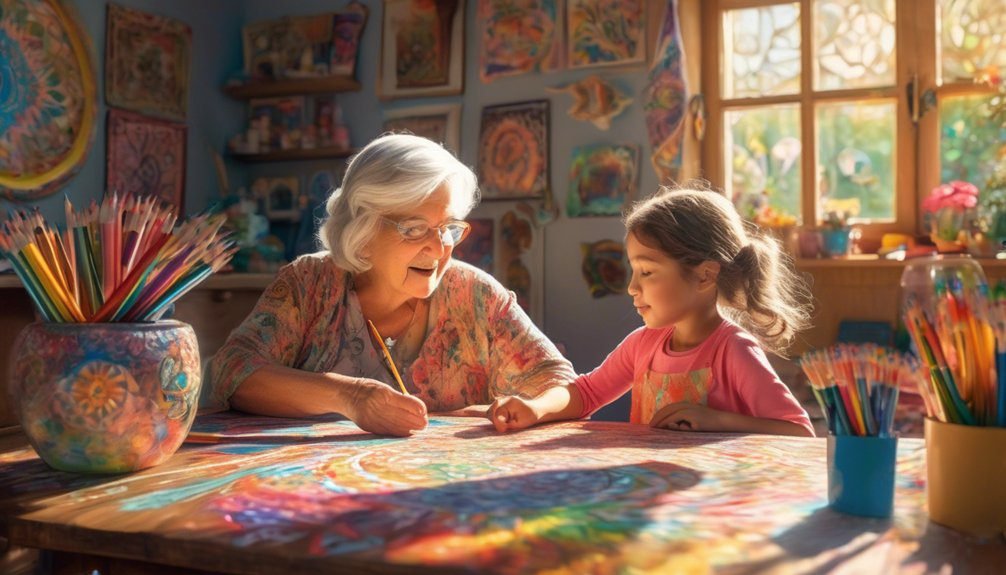
While you might think of coloring as a simple pastime reserved for children, its appeal spans generations, drawing in people of all ages. You may find that the act of coloring evokes a sense of coloring nostalgia, reminding you of carefree moments spent with crayons or colored pencils.
As you explore various coloring techniques, from shading to blending, you uncover a deeper connection to artistry that transcends mere recreation. This creative outlet allows you to express emotions and thoughts, making it more than just a hobby.
You might notice how sharing this experience with others transforms it into a bonding activity, enriching relationships across generations. Ultimately, coloring serves as a bridge, linking past memories with present creativity, inviting everyone to join in the fun.
Strengthening Family Bonds Through Art
Art has a unique way of bringing families together, especially when it comes to coloring. You can watch as family members gather around the table, each contributing their own strokes of color to a shared canvas.

Art unites families through the joy of coloring, where each person’s unique strokes create a beautiful shared canvas.
This simple act of coloring fosters family creativity, allowing everyone, regardless of age, to express themselves artistically. As you share stories and laughter while coloring, you deepen connections and create lasting memories.
It’s fascinating how a few crayons can spark conversations that bridge generational gaps. Each completed page becomes a testament to your collective artistic expression, reflecting unique perspectives and styles.
In these moments, you realize that art isn’t just about the final product—it’s about the bonds formed along the way.
Encouraging Creativity Across Ages
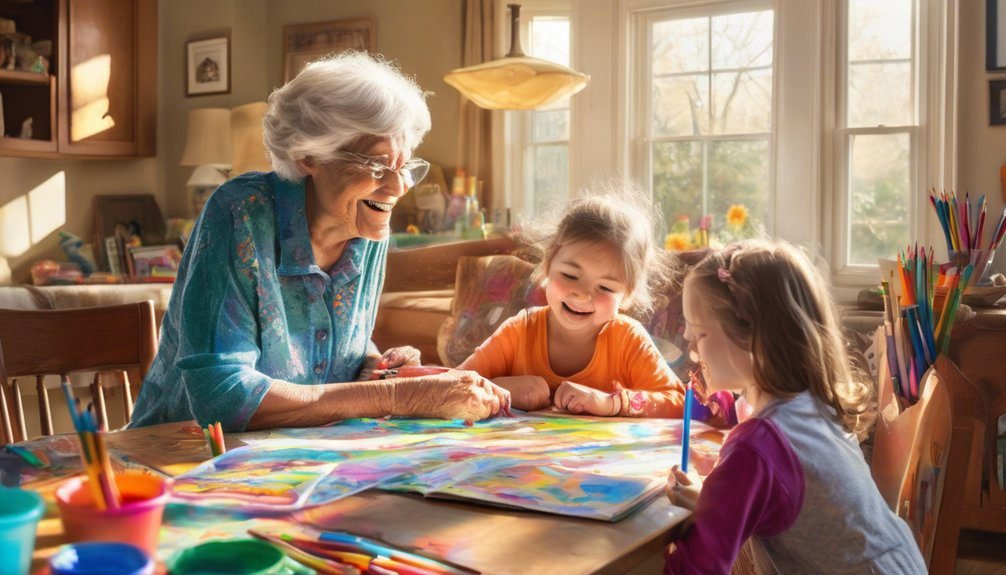
When you engage in coloring with family, you unlock a world of creativity that transcends age differences. Each generation brings unique coloring techniques, from the meticulous shading of the older family members to the bold, free strokes of the younger ones.
As you collaborate, you’ll notice how these diverse styles merge, fostering an atmosphere of creative expression. This shared activity not only allows you to learn from one another but also encourages experimentation, pushing boundaries of what you think is possible.
You might find that an older relative introduces you to a new method, while you inspire them with fresh ideas. Ultimately, coloring becomes a canvas for collaboration, bridging generational gaps and igniting a collective imagination.
Sharing Stories and Memories While Coloring
Coloring together naturally invites storytelling, as each stroke of color can spark memories and shared experiences.
You might notice how a simple choice of color can lead to memory sharing, igniting conversations about favorite childhood moments or family traditions. As you and your companion engage in these storytelling sessions, you create a vibrant tapestry of narratives that connect your pasts.
This act of coloring becomes a bridge between generations, allowing you to explore lessons learned and laughter shared. Each color holds a story, a piece of history that enriches your bond.
The Therapeutic Benefits of Coloring Together
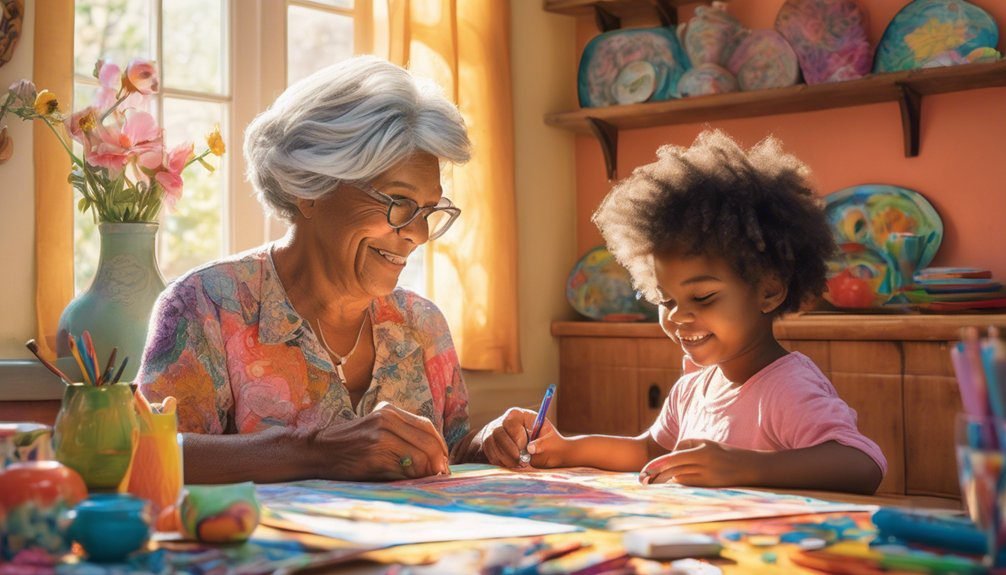
Engaging in a shared coloring session can significantly enhance your emotional well-being, as the simple act of coloring together provides a calming atmosphere that fosters relaxation.
Coloring together creates a serene environment that boosts emotional well-being and fosters relaxation.
When you pick up those colored pencils, you’re not just creating art; you’re also participating in a form of coloring therapy that promotes emotional connection. This collaborative experience allows you to express feelings and thoughts in a non-verbal way, bridging gaps between generations.
As you color side by side, you may find that the shared silence becomes a comfortable space for reflection or conversation. This therapeutic practice nurtures relationships and deepens bonds, allowing both you and your partner to feel validated and heard.
Ultimately, coloring together cultivates joy and strengthens the ties that connect you.
Organizing Community Coloring Events
When you organize community coloring events, you tap into the power of collaboration, bringing people of all ages together.
The shared experience fosters connections and creativity, creating a vibrant atmosphere where ideas flow freely.
Planning engaging activities around coloring not only enhances participation but also deepens the bonds formed within your community.
Benefits of Collaborative Coloring
While many might see coloring as a solitary pastime, organizing community coloring events reveals its potential to foster connections across generations.
You’ll notice how participants engage in lively discussions, sharing stories and experiences as they choose their color palette selections. The act of collaborating on a single piece encourages intergenerational engagement, allowing younger and older individuals to appreciate each other’s perspectives.
As you observe this dynamic, it becomes clear that coloring transcends age, serving as a bridge between different life experiences and cultural backgrounds. The simple act of coloring together cultivates a sense of belonging and community, reminding everyone that creativity knows no age limits.
Ultimately, these events create lasting bonds that enrich both individuals and the community as a whole.
Planning Engaging Activities
To create successful community coloring events, you’ll want to consider the diverse interests and needs of your participants. Engaging activities can foster connections and spark creativity.
Here are three ideas to elevate your coloring parties:
- Themed Art Challenges: Introduce themes like “Nature” or “Famous Landmarks” to inspire creativity and excitement.
- Collaborative Mural Creation: Encourage participants to contribute to a large mural, promoting teamwork and a sense of accomplishment.
- Intergenerational Storytelling: Invite participants to share stories related to their art, bridging generational gaps and enriching the experience.
Choosing the Right Coloring Materials for Everyone

How do you choose the right coloring materials that appeal to both young children and older adults?
Start by considering age-appropriate materials that cater to varying skill levels. For kids, opt for vibrant, washable markers and chunky crayons that are easy to grip.
Older adults might appreciate finer-tipped pens or colored pencils, allowing for more detailed work.
Look for coloring supplies that offer a mix of complexity—simple designs for younger artists and intricate patterns for seniors.
You’ll also want to consider sensory aspects; soft, non-toxic materials can enhance the experience for everyone.
Tips for Making Coloring a Family Tradition
Coloring can easily become a cherished family tradition when approached with intention and creativity. By establishing family rituals around coloring, you create lasting memories and strengthen bonds.
Here are some tips to make it special:
- Set a Regular Schedule: Choose a day each week for family coloring time. Consistency fosters connection and anticipation.
- Create Coloring Challenges: Introduce fun themes or competitions. Perhaps everyone colors the same picture and votes on the most creative interpretation.
- Share Your Artwork: Exhibit completed pieces in a family gallery. This not only celebrates individual efforts but also inspires pride and collaboration.
As you engage in these activities, you’ll discover the profound impact coloring has on your family’s unity, transforming simple moments into cherished traditions.
Frequently Asked Questions
How Can Coloring Help With Intergenerational Communication?
Coloring sessions create shared experiences that bridge generational gaps. You’ll find that as you color together, conversations flow more easily, fostering deeper connections and understanding, while making memories that enrich both your lives.
What Types of Coloring Books Are Best for All Ages?
You’ll find that nature designs and adult-themed coloring books bridge age gaps beautifully. They invite creativity and discussion, allowing you to explore intricate patterns while connecting with others over shared experiences and insights, fostering deeper understanding.
Are There Specific Coloring Techniques for Different Age Groups?
Yes, specific coloring techniques vary by age. Younger kids thrive with bold strokes and simple shapes, while older individuals might enjoy detailed shading and intricate patterns. Adapting coloring styles enhances engagement and skill development across all ages.
How Do Cultural Differences Influence Coloring Preferences?
Cultural differences shape your coloring preferences like a vibrant tapestry. You’ll find that color psychology influences emotions, while cultural symbolism adds layers of meaning, guiding your choices and reflecting your unique heritage and experiences.
Can Coloring Be Adapted for Individuals With Disabilities?
Absolutely, you can adapt coloring for individuals with disabilities by using adaptive materials. These tools enhance sensory experiences, making coloring accessible and enjoyable, allowing everyone to express creativity and engage meaningfully with art.
Conclusion
So, as you sit around the table, crayons in hand, it might seem silly to think you’re just coloring. Yet, with each stroke, you’re weaving a tapestry of family history, one vibrant shade at a time. What appears as mere play transforms into a bridge connecting generations, where laughter replaces silence and stories unfold like the most colorful of wallpapers. Ironically, in a world racing toward screens, it’s the simple act of coloring that truly brings you closer together.