
Have you ever considered coloring as a way to unwind over the weekend? This simple activity can offer you more than just fun; it can enhance your mental well-being and foster creativity. By using vibrant colors and intricate designs, you can immerse yourself in a world of relaxation. But how do you get started, and what materials do you need to make the most of this experience? Let’s explore the therapeutic benefits and more.
Key Takeaways
- Coloring provides a therapeutic escape, allowing for stress relief and emotional release after a busy week.
- Engage in nature-inspired themes to promote calmness and creativity during your weekend coloring sessions.
- Create a relaxing environment with soft lighting, calming music, and a comfortable seating arrangement to enhance your experience.
- Set aside dedicated time each weekend for coloring to establish a rewarding and mindful routine.
- Join online coloring communities to share your work and gain inspiration from others, enriching your weekend relaxation.
The Therapeutic Benefits of Coloring
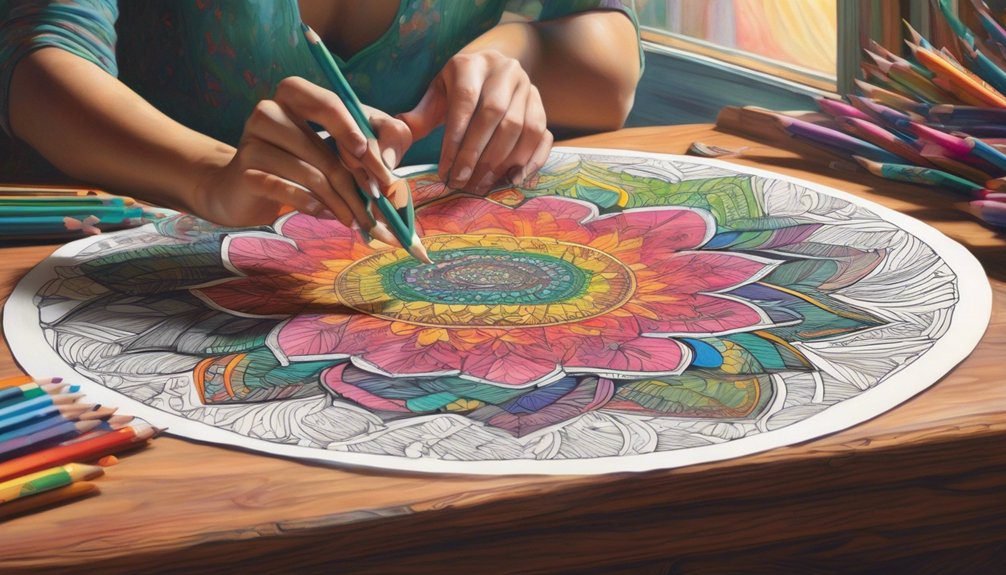
Coloring can serve as a powerful tool for relaxation, especially when you need a break from the stresses of daily life. Engaging in coloring therapy allows you to focus your mind on the simple act of filling in shapes and patterns.
This process can lead to an emotional release, helping you to let go of anxiety and tension. As you immerse yourself in vibrant colors, you might find your thoughts quieting, creating a meditative state.
The rhythmic movements of coloring can also stimulate your creativity, boosting your mood and fostering a sense of accomplishment. Whether you choose intricate designs or simple shapes, the act of coloring can become a therapeutic escape, supporting your overall well-being and promoting a sense of calm.
Choosing the Right Coloring Materials
When it comes to coloring, the right materials can make all the difference in your experience.
You’ll want to explore various types of coloring tools, consider the quality of paper, and choose a color palette that resonates with you.

Types of Coloring Tools
Choosing the right coloring tools can significantly enhance your relaxation experience. You’ve got plenty of options to explore!
Colored pencils offer precision, allowing for fine details, while gel pens add vibrant shine and smooth application. If you enjoy blending colors, watercolor paints can create stunning effects with just a brush and water.
Markers are perfect for bold hues and quick fills, whereas chalk pastels provide a soft, dreamy finish. Don’t forget about crayons, which can evoke a sense of nostalgia and simplicity.
For a modern twist, digital apps offer endless possibilities for adult coloring, letting you create anywhere. Each tool brings a unique texture and feeling, so choose what resonates with you and enjoy your coloring journey!
Paper Quality Considerations
The right paper can make all the difference in your coloring experience. Choosing the right paper involves considering both paper thickness and texture variety. Here are some key points to keep in mind:
- Paper Thickness: Thicker paper can handle more ink and prevent bleed-through, making it ideal for markers.
- Texture Variety: Different textures can affect how colors appear and blend, so explore smooth, textured, or even watercolor paper.
- Weight: Heavier paper (at least 200 gsm) is often more durable for various coloring tools.
- Acid-Free: Opt for acid-free paper to ensure your artwork lasts without fading or yellowing over time.
With these considerations, you can elevate your coloring sessions, transforming them into a truly relaxing activity!
Color Palette Selection
Selecting the right color palette can transform your coloring experience, allowing you to express your creativity and enhance your relaxation.
Start with a color wheel selection to help you choose complementary or analogous colors. This not only makes your artwork visually appealing but also contributes to the overall mood.
Consider incorporating mood colors that resonate with how you want to feel—soft pastels for calmness, vibrant hues for energy, or earthy tones for grounding.
Gather a variety of coloring materials, like colored pencils, markers, or watercolors, to see what feels best for you.
Experiment with different palettes, and don’t hesitate to mix and match until you find a combination that sparks joy.
Enjoy the process, and let your creativity flow!
Finding Inspiration: Themes and Designs
When you’re ready to find inspiration for your coloring, consider exploring nature-inspired patterns or abstract color schemes.
These themes can spark your creativity and enhance your relaxation experience.
Let your imagination run wild as you bring these designs to life with your unique color choices!
Nature-Inspired Patterns
Nature-inspired patterns offer a wealth of creative possibilities that can truly enhance your coloring experience. By incorporating elements from the natural world, you can immerse yourself in a calming and imaginative activity.
Here are some themes to explore:
- Flora motifs: Bring to life various flowers, leaves, and plants, allowing you to experiment with vibrant colors and intricate details.
- Wildlife designs: Color in animals like birds, butterflies, and foxes, capturing their beauty and essence.
- Seascapes: Dive into ocean themes, featuring waves, shells, and marine life for a refreshing twist.
- Landscapes: Explore mountains, forests, and fields, creating serene scenes that transport you to nature’s tranquility.
These patterns not only inspire creativity but also provide a relaxing escape from daily stress.
Enjoy the journey!
Abstract Color Schemes
Exploring abstract color schemes can open up a whole new realm of creative expression in your coloring journey. By tapping into color theory, you can discover how different hues interact and create mood.
Think about using bold, contrasting colors for energy or soft pastels for tranquility.
When you experiment with color harmony, you’ll find that certain combinations evoke emotions, enhancing your overall experience.
Try pairing complementary colors to create striking visuals or analogous colors for a softer blend.
Don’t shy away from unconventional choices; let your creativity flow! Use abstract themes to inspire unique designs that resonate with you.
Creating a Relaxing Coloring Environment
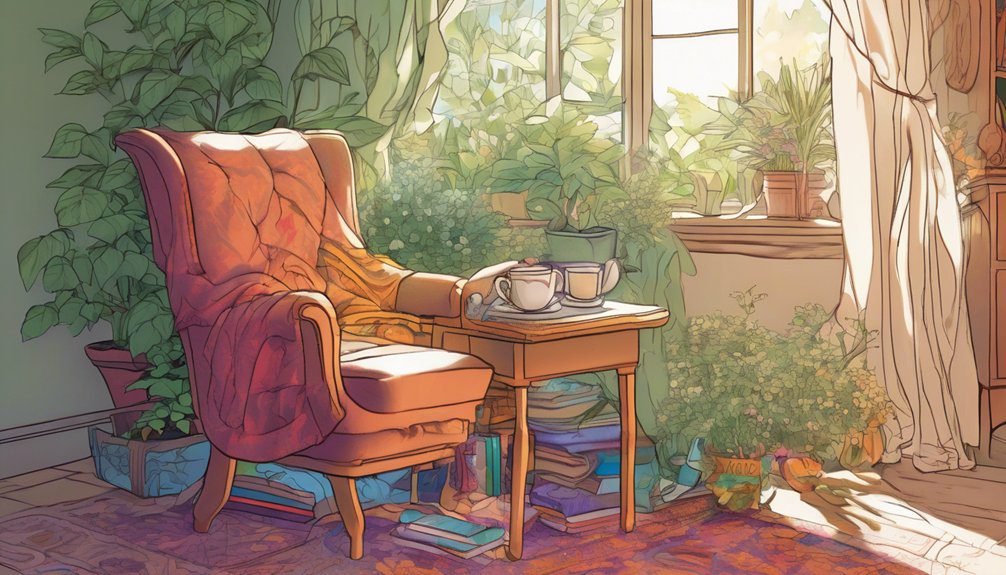
To create a relaxing coloring environment, you’ll want to focus on setting the right atmosphere that promotes tranquility and creativity. Here are a few tips to help you:
- Use ambient lighting: Soft, warm lights can create a cozy space that eases tension.
- Play calming music: Gentle melodies or nature sounds can help you unwind and maintain focus.
- Choose a comfortable spot: Find a chair or cushion that supports you while you color, ensuring you’re at ease.
- Eliminate distractions: Turn off your phone notifications and create a clutter-free space so you can fully immerse yourself in the experience.
Setting Aside Time for Coloring
Once you’ve created that calming environment, the next step is to carve out regular time for coloring.
Establishing a coloring schedule is essential for making this activity a consistent part of your routine. Consider setting aside a specific time each weekend for your coloring session. Treat it as a weekend ritual—something you look forward to and cherish.
Whether it’s Saturday morning or Sunday afternoon, find a slot that works for you and stick to it. This dedicated time allows you to escape from daily stresses and immerse yourself in creativity.
Coloring Techniques for Mindfulness

Many find that integrating mindfulness into coloring enhances the experience significantly.
Mindful coloring can be a powerful tool for stress relief, allowing you to focus on the moment and let go of distractions. Here are some techniques to make your coloring practice more mindful:
- Breathe deeply: Take slow, deep breaths before you start to center yourself.
- Choose colors intuitively: Let your emotions guide your color choices instead of overthinking them.
- Focus on the process: Pay attention to the texture of the paper, the feel of the pencil, and the movement of your hand.
- Limit distractions: Find a quiet space, put away your phone, and immerse yourself in the coloring experience.
These techniques can deepen your relaxation and enhance your creative journey.
Sharing Your Artwork: The Joy of Community
Sharing your artwork can amplify the relaxation and joy you’ve experienced through mindful coloring. When you engage in art sharing, you not only celebrate your creativity but also connect with others who appreciate your efforts.
By joining online groups or local meetups, you foster community engagement that enriches your coloring journey. Sharing your pieces invites feedback and encouragement, making the experience even more rewarding.
You’ll discover that others resonate with your style and story, creating a supportive environment where everyone thrives. Plus, seeing diverse interpretations and techniques can inspire your future projects.
Incorporating Coloring Into Your Weekly Routine
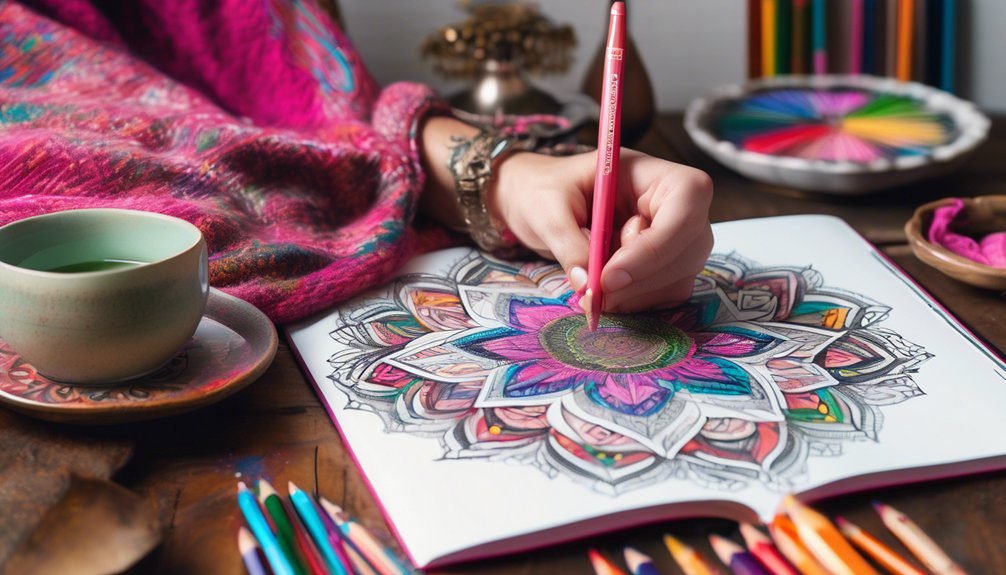
Incorporating coloring into your weekly routine can transform your downtime into a cherished ritual. By setting up a coloring schedule, you can ensure that you take those much-needed creative breaks throughout the week.
Here are some tips to help you integrate coloring seamlessly into your life:
- Designate specific days for coloring, like every Wednesday evening.
- Set a timer for 20-30 minutes to keep it manageable.
- Create a cozy space in your home dedicated to coloring.
- Explore different coloring styles or themes each week for variety.
With these strategies in place, you’ll find that coloring not only relaxes you but also sparks your creativity, making it an enjoyable part of your routine.
Frequently Asked Questions
Can Coloring Help With Anxiety and Stress Relief?
Yes, coloring can help with anxiety and stress relief. It encourages mindfulness practice and creative expression, allowing you to focus on the present moment while channeling your thoughts into vibrant colors and designs.
What Age Groups Benefit Most From Coloring Activities?
Children often find joy in coloring, enhancing their creativity and focus. Adults, on the other hand, use it for mindfulness, reducing stress. Both age groups experience valuable benefits, fostering emotional well-being and relaxation through this simple activity.
How Long Should I Color for Maximum Relaxation?
For maximum relaxation, aim for a coloring duration of 30 to 60 minutes. This optimal time lets you unwind, immerse yourself in creativity, and enjoy the calming effects, making it a rejuvenating experience.
Are There Specific Colors That Promote Relaxation?
Soft blues and greens promote relaxation, embodying calmness and nature. Think of a gentle ocean breeze; color psychology suggests these hues symbolize tranquility, helping you unwind. Incorporating them into your coloring can enhance your stress relief experience.
Can Digital Coloring Apps Provide the Same Benefits?
Yes, digital coloring apps can provide similar benefits. With engaging app features, you can explore digital creativity, allowing relaxation and stress relief. You’ll find it just as enjoyable and therapeutic as traditional coloring.
Conclusion
Incorporating coloring into your weekend routine can truly enhance your well-being. Did you know that studies show coloring can reduce anxiety levels by up to 60%? Taking just a little time to immerse yourself in this creative escape not only sparks joy but also helps you unwind and recharge. So grab your favorite coloring tools, find a cozy spot, and let those colors flow. Embrace the calming benefits of coloring—it’s your time to relax and create!