
Did you know that coloring can significantly boost a child’s creativity? It provides a unique outlet for self-expression and imagination, allowing children to explore their thoughts and feelings through art. As they choose colors and create scenes, they’re not just having fun— they’re developing important skills. Understanding how this simple activity influences their cognitive and social growth can reshape how you approach creative play with kids. Let’s explore this fascinating connection further.
Key Takeaways
- Coloring allows children to express personal feelings and ideas through color choices and scene selection, enhancing their creative thinking.
- Engaging in coloring activities develops narrative skills and storytelling abilities, fostering imaginative play and exploration.
- The process of creating characters and themes encourages empathy and diverse perspectives, enriching children’s creativity.
- Experimenting with different coloring supplies and techniques nurtures originality and boosts confidence in self-expression.
- Regular coloring sessions provide structured opportunities for practice, enhancing focus and fine motor skills essential for creative tasks.
The Importance of Creativity in Child Development
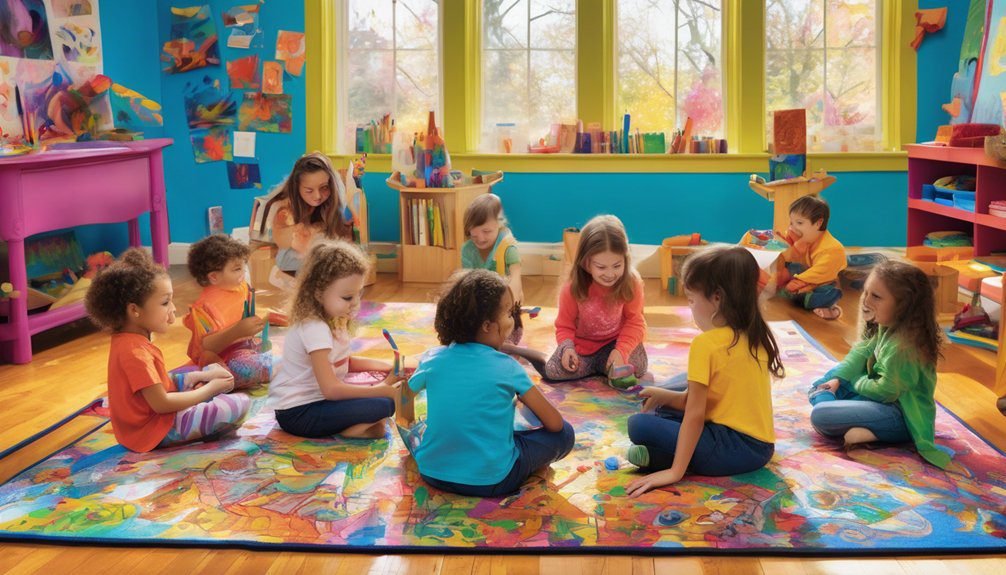
While you might think of creativity as simply a fun pastime for kids, it plays a crucial role in their overall development. Engaging in creative activities fosters creative thinking, allowing children to explore new ideas and solutions.
Research shows that this type of thinking enhances cognitive development, improving problem-solving skills and critical thinking. When kids express themselves creatively, they’re not just playing; they’re building neural connections that support their learning processes.
Additionally, creativity helps them develop emotional intelligence, as they learn to express their feelings and understand others.
How Coloring Stimulates Imagination
Coloring not only entertains kids but also actively stimulates their imagination, making it a vital tool for creative exploration. When children color, they engage in storytelling through color, creating imaginative scenarios that bring their inner worlds to life. This process encourages them to think creatively and express their thoughts visually.

Here’s how coloring enhances imaginative thinking:
| Aspect | Impact on Imagination |
|---|---|
| Color Choices | Sparks personal expression |
| Scene Selection | Develops narrative skills |
| Character Creation | Fosters empathy and role-play |
| Theme Exploration | Encourages diverse ideas |
| Artistic Freedom | Nurtures originality |
Fine Motor Skills and Coordination

Engaging in coloring activities plays a crucial role in developing fine motor skills and coordination in children. As your child colors, they enhance their hand-eye coordination and grip strength, which are vital for everyday tasks.
Here are some key benefits:
- Improved Grip Strength: Holding crayons or markers helps strengthen the muscles in their hands.
- Enhanced Hand-Eye Coordination: Coloring within lines requires precise movements, enhancing this crucial skill.
- Finger Dexterity: Manipulating writing instruments promotes agility in their fingers, essential for writing.
- Focus and Control: Concentrating on a coloring page teaches children to control their movements thoughtfully.
Problem-Solving and Critical Thinking
When your child colors, they’re not just filling in shapes; they’re also experimenting with colors and techniques.
This process encourages them to explore different possibilities and develop logical reasoning skills as they decide which approach works best.
Encouraging Experimentation and Exploration
While many might see coloring as a simple pastime, it actually serves as a powerful tool for fostering experimentation and exploration in children. Through coloring, your child experiences creative freedom, allowing them to make choices that encourage playful experimentation.
This process helps them to:
- Discover new color combinations, leading to unique outcomes.
- Experiment with different techniques, like shading or blending.
- Explore themes and subjects beyond their usual interests.
- Build confidence in their ability to express themselves creatively.
Developing Logical Reasoning Skills
Coloring isn’t just about filling in spaces with colors; it’s also a fantastic way for kids to develop logical reasoning skills. As they choose colors and plan their designs, they engage in decision-making similar to solving logical puzzles.
This process encourages them to think critically about how different colors and shapes interact, enhancing their problem-solving abilities. Integrating reasoning games into coloring activities can further stimulate their cognitive development.
For example, you might ask your child to figure out what color would best complement a particular shade or how to balance the colors across the page. Such challenges not only make coloring more engaging but also foster a mindset geared towards evaluating options and making informed choices, essential skills for future learning.
Emotional Expression Through Art
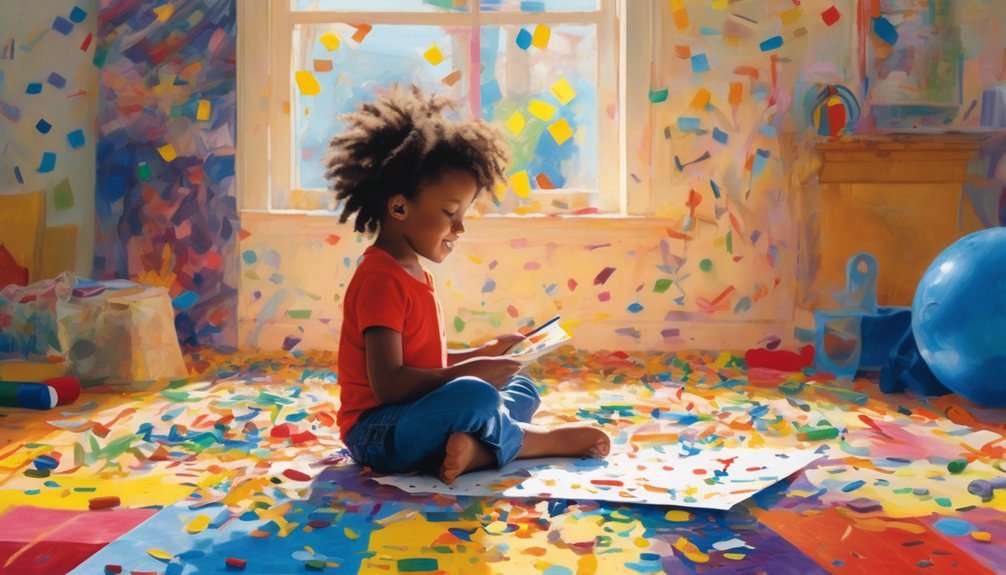
When kids engage in coloring, they often find a powerful outlet for their emotions.
The colors they choose can reflect their feelings—bright hues might signal joy, while darker shades may indicate sadness or frustration.
Understanding this connection can help you support their emotional development and encourage self-expression through their art.
Art as Emotional Outlet
Art serves as a powerful emotional outlet for kids, allowing them to express feelings that they might struggle to articulate verbally. This artistic release fosters an emotional connection, helping them process complex emotions.
Here are four key benefits of art as an emotional outlet:
- Self-Discovery: Kids explore their thoughts and feelings, gaining insight into their emotional landscape.
- Stress Relief: Engaging in creative activities reduces anxiety, providing a calming effect.
- Identity Formation: Through art, children express their unique perspectives and experiences, shaping their identity.
- Social Connection: Sharing their artwork can create bonds with peers and adults, enhancing communication and understanding.
Color Choices and Feelings
Choosing colors in art can significantly impact how kids express their emotions. Each color carries its own symbolism; for instance, red often symbolizes anger or passion, while blue can evoke feelings of calmness or sadness.
When children select colors, they often reflect their emotional responses, providing insight into their inner worlds. Research shows that engaging with colors can help kids articulate feelings they mightn’t fully understand. By encouraging them to explore various hues, you create a safe space for emotional expression.
This process not only enhances creativity but also fosters emotional intelligence, allowing children to connect their feelings with their art. So, let them choose freely, and watch how their artwork becomes a mirror of their emotions.
Social Interaction and Collaboration
While coloring is often seen as a solitary activity, it actually provides a unique opportunity for social interaction and collaboration among kids. Engaging in group activities allows them to develop essential interpersonal skills through peer collaboration.
Here are some ways coloring fosters collaboration:
- Sharing Ideas: Kids discuss color choices and themes, encouraging open communication.
- Team Projects: Collaborative coloring projects help them learn teamwork and compromise.
- Building Friendships: Working together on art fosters connections and strengthens friendships.
- Problem-Solving: They tackle creative challenges together, enhancing their critical thinking skills.
The Role of Color Theory in Creativity

Color plays a significant role in shaping creativity, especially for children engaged in coloring activities. By understanding color symbolism, kids can express emotions and ideas more vividly. For instance, red might symbolize passion, while blue can evoke calmness. When children explore these meanings, they enhance their creative expression.
Additionally, grasping color harmony fosters a sense of balance in their artwork. When they use complementary colors, they learn how different shades interact, creating visually appealing compositions. This understanding encourages experimentation, allowing their imaginations to flourish.
As they mix colors and discover new combinations, they develop critical thinking skills, which are essential for creative problem-solving. Ultimately, color theory serves as a powerful tool, enriching a child’s creative journey.
Tips for Encouraging Coloring at Home and School
To foster a love for coloring at home and school, creating an inviting environment is crucial. Here are some tips to encourage kids to explore their creativity through coloring:
- Provide Diverse Coloring Supplies: Stock up on various materials like crayons, colored pencils, and markers to keep things exciting.
- Set Up a Dedicated Coloring Space: Designate a cozy area with good lighting where children can comfortably color.
- Organize Guided Sessions: Schedule regular coloring times to engage kids in structured activities while allowing their creativity to flow.
- Celebrate Their Art: Display their completed works at home or school to boost their confidence and show appreciation for their efforts.
These strategies can help nurture a lasting passion for coloring, enhancing creativity in your children.
Frequently Asked Questions
What Age Is Best for Introducing Coloring to Children?
You can introduce coloring around 18 months, as children begin to develop fine motor skills. At this age milestone, they enjoy exploring colors, which helps boost their creativity and hand-eye coordination in a fun way.
How Do Different Coloring Materials Affect Creativity?
Different coloring materials spark creativity in unique ways. Crayon colors offer vibrant, bold choices, while a paint variety invites exploration. You’ll notice your child experimenting more, expressing ideas, and developing their artistic voice with each medium.
Can Coloring Help With Anxiety in Children?
Yes, coloring can help reduce anxiety in children. Engaging in this activity offers calming benefits, allowing them to express emotions and focus their minds, which ultimately promotes a sense of relaxation and emotional balance.
Are There Specific Coloring Books That Enhance Creativity?
Yes, themed coloring books can enhance creative expression. By offering diverse subjects, they inspire imaginative thinking and unique interpretations. Look for ones featuring nature, fantasy, or cultural themes to spark your child’s creativity effectively.
How Does Coloring Impact Cognitive Development in Preschoolers?
Coloring boosts cognitive development in preschoolers by enhancing color recognition and fine motor skills. As they engage in this activity, they improve hand-eye coordination and develop critical thinking, fostering a stronger foundation for future learning.
Conclusion
Coloring isn’t just about filling in shapes; it’s about unlocking a world of imagination, enhancing fine motor skills, and fostering emotional expression. As your child explores colors and scenes, they’re building problem-solving skills and developing social connections. By encouraging this creative outlet, you’re nurturing their growth in ways that extend beyond the page. So, hand them those crayons, watch their creativity bloom, and let their vibrant world of art inspire not just them, but you as well.