
Is it possible that something as simple as coloring can actually unlock your creativity? Many people find themselves surprised by the profound effects that this activity can have on their minds. As you engage with colors and patterns, you might discover a unique space where spontaneity thrives and rigid thoughts fade away. What if this playful practice holds the key to a deeper understanding of your creative potential?
Key Takeaways
- Coloring engages neurological processes that boost creativity by fostering cognitive flexibility and innovative thinking through color mixing and exploration.
- The act of coloring serves as a stress reliever, allowing individuals to shift focus from worries to creative expression and emotional well-being.
- Mindfulness achieved through coloring enhances focus and concentration, clearing mental clutter while nurturing presence in the moment.
- Embracing playfulness in coloring reconnects individuals with their inner child, promoting spontaneous creativity and self-expression.
- Incorporating coloring into daily routines provides opportunities for quick bursts of inspiration, leading to artistic breakthroughs and renewed passions.
The Science Behind Coloring and Creativity
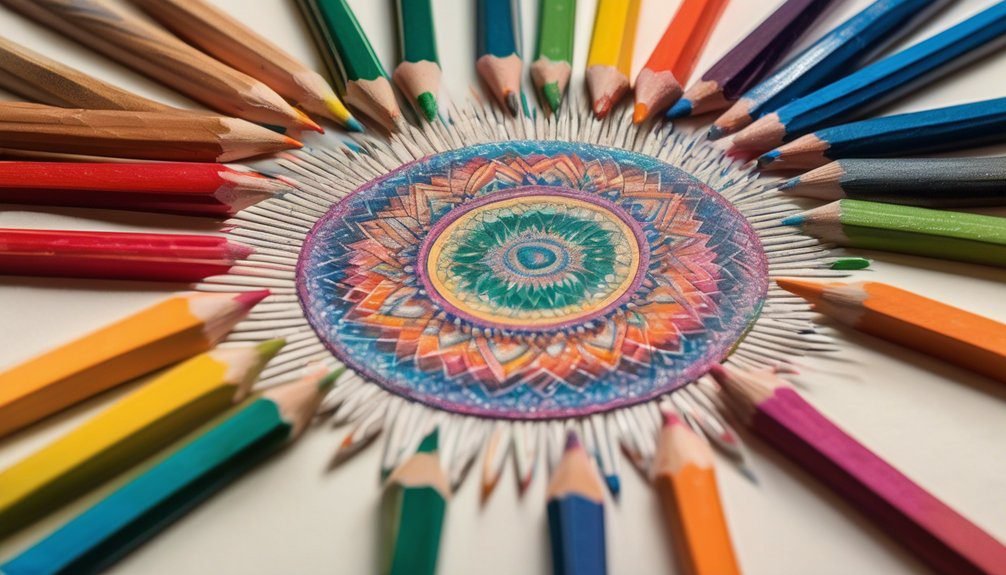
While you might think of coloring as a simple childhood activity, it actually taps into deeper neurological processes that can enhance your creativity. Engaging with color theory allows you to explore how different hues influence emotions and perceptions.
As you mix and match colors, you’re not just filling in shapes; you’re exercising cognitive flexibility. This dynamic thinking aids in problem-solving and innovating, encouraging you to see things from multiple perspectives.
Each stroke of your pencil or brush can ignite fresh ideas, helping you break free from rigid thought patterns. So, the next time you pick up those crayons, remember that you’re not just coloring—you’re unlocking a world of creative potential waiting to be explored within you.
Stress Relief Through Color
As you immerse yourself in coloring, you may find that the vibrant hues can serve as a soothing balm for stress. The simple act of choosing colors can shift your focus from worries to creativity, allowing your mind to relax.
You might notice how the calming blues evoke tranquility, while energizing yellows spark joy. These color associations can significantly enhance your mood, bringing a sense of peace amidst chaos.
Engaging in this creative outlet not only provides immediate stress relief but also nurtures your emotional well-being over time. The coloring benefits extend beyond the page, helping you cultivate a deeper connection with yourself.

Enhancing Focus and Concentration
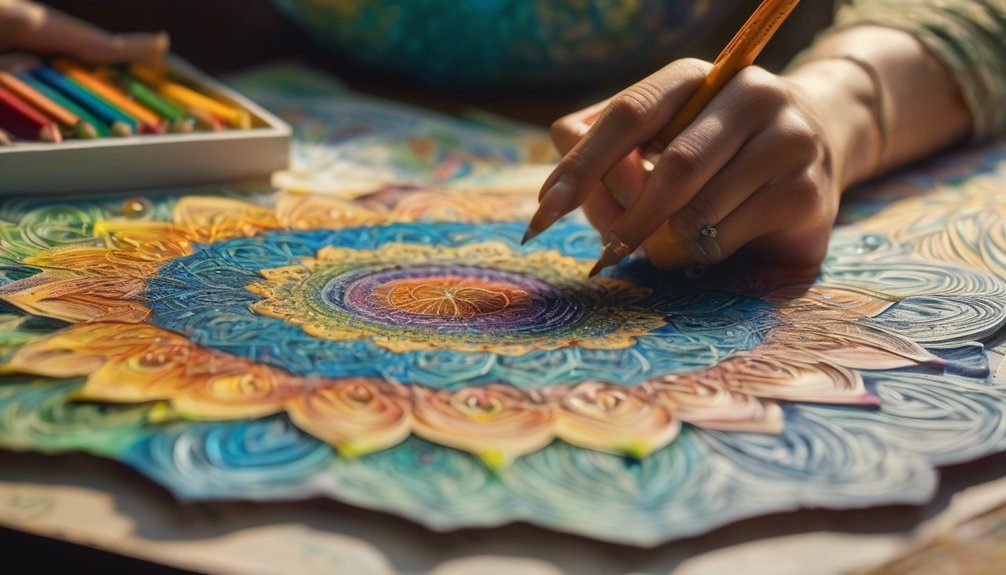
When you pick up those colored pencils, you’re not just creating art; you’re also sharpening your focus.
Mindfulness through coloring helps clear your mental clutter, allowing your thoughts to settle. As you immerse yourself in this creative process, you might find that your brain is more open to new ideas and connections than ever before.
Mindfulness Through Coloring
Coloring can be a powerful tool for enhancing focus and concentration, especially in our fast-paced world where distractions abound.
By engaging in mindful creativity, you allow yourself to immerse fully in the act of coloring. As you choose colors and apply various coloring techniques, you not only channel your artistic side but also cultivate a sense of presence.
This practice encourages you to slow down, breathe, and redirect your thoughts away from the noise around you. You might notice how your mind clears as you concentrate on the intricate details of your work.
In those moments, you create a space where creativity flourishes, enhancing your ability to focus and fostering a deeper connection with your own thoughts and emotions.
Reducing Mental Clutter
While life often bombards you with endless tasks and distractions, reducing mental clutter can significantly enhance your focus and concentration.
By incorporating mental decluttering techniques and creative visualization exercises into your routine, you can clear your mind and sharpen your attention. Here are some strategies to get you started:
- Set aside specific times for coloring to calm your thoughts.
- Practice deep breathing to ground yourself before focusing on tasks.
- Use creative visualization to imagine a clutter-free space.
- Prioritize your tasks, tackling one at a time to avoid overwhelm.
- Reflect regularly on your mental state to identify distractions.
Embracing these techniques can transform your mental landscape, allowing creativity to flourish in a clearer, more focused mind.
Boosting Neuroplasticity Benefits
Clearing mental clutter opens the door to new possibilities, particularly in the realm of neuroplasticity.
When you engage in coloring, you’re not just filling in shapes; you’re stimulating your brain to forge new connections. This creative act can enhance focus and concentration, allowing you to tap into neuroplasticity benefits.
As you immerse yourself in colors, your mind shifts from distractions to a state of flow, inviting fresh ideas and creative pathways. You might find that with each stroke, your ability to concentrate deepens, opening up new avenues for thought and innovation.
Embrace this mindful practice, and watch how it transforms your mental landscape, enriching your creativity and sharpening your focus.
Unlocking the Inner Child
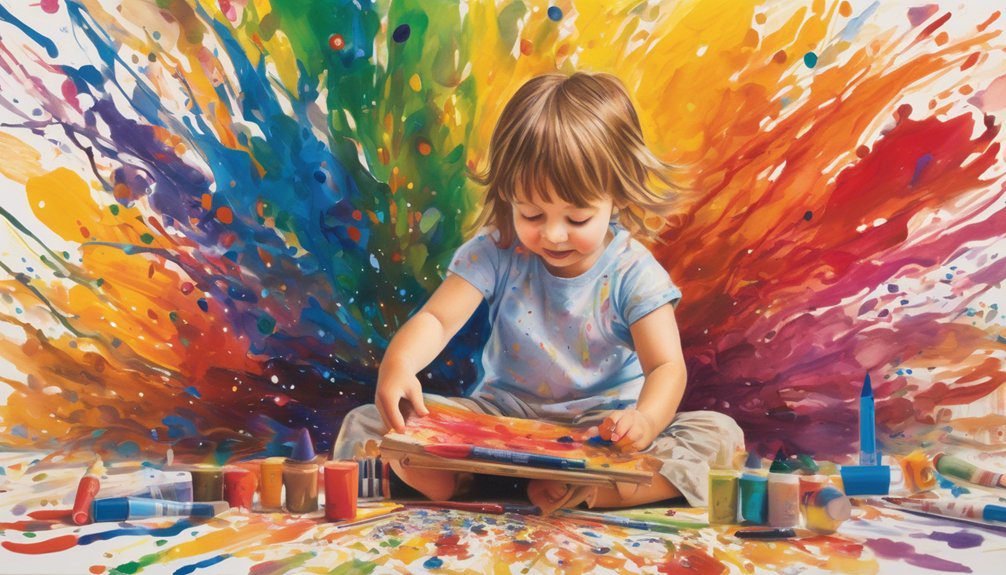
When you pick up those crayons or markers, you’re inviting your inner child to come out and play.
Embracing that playful spirit can open up a world of imagination, allowing you to explore ideas freely and without judgment.
As you reconnect with that sense of innocence, you might just discover new depths to your creativity.
Embracing Playfulness
How often do you let yourself embrace the joy of play? In a world that often prioritizes productivity, engaging in playful exploration can feel like a luxury.
Yet, it’s vital for nurturing your creativity and unlocking your inner child. Allow yourself to engage in spontaneous creation, where the journey is more important than the outcome.
Consider these simple ways to embrace playfulness:
- Doodle without a plan
- Experiment with colors you usually avoid
- Create art using unconventional materials
- Set a timer for a quick, fun drawing session
- Share your creations with friends, no matter how imperfect
Exploring Imagination Freely
Engaging in playful exploration naturally leads you to a space where imagination can flourish. When you allow yourself to dive into whimsical thoughts and spontaneous ideas, you tap into a wellspring of creative expression.
Think about how coloring outside the lines or blending colors can transform a simple image into a vivid story. This imaginative exploration invites you to embrace the unexpected, letting your inner child guide your choices.
You might find that the more you experiment, the more unique concepts emerge. By giving yourself permission to create without limits, you unlock pathways to innovation you never knew existed.
Reconnecting With Innocence
While the pressures of adulthood often overshadow it, reconnecting with your inner child can be a transformative experience. Embracing that childlike wonder allows you to tap into a world of imaginative play, where creativity flourishes.
Here are some ways to rekindle that connection:
- Color freely: Let your imagination guide your color choices without judgment.
- Play games: Engage in activities that spark joy and laughter.
- Explore nature: Discover the beauty and simplicity around you.
- Create stories: Allow your mind to wander and invent tales without limits.
- Try new things: Step outside your comfort zone and embrace spontaneity.
The Role of Color Psychology
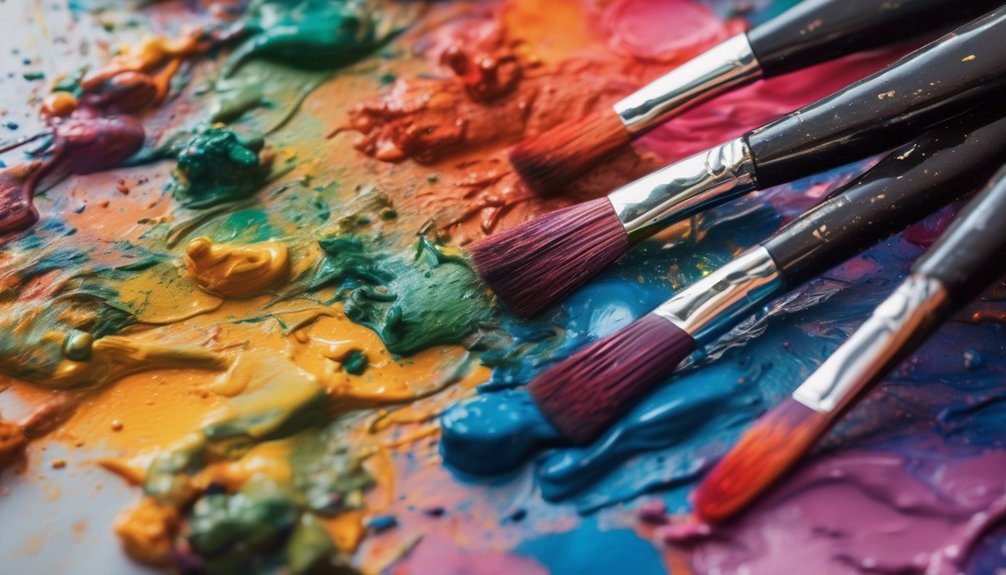
Color psychology plays a vital role in shaping our emotions and thoughts, often in ways we don’t consciously recognize. Every hue evokes distinct emotional responses, influenced by cultural significance and personal experiences.
You might find solace in blue’s calming nature or feel energized by vibrant yellow. These color meanings and associations shape your visual perception, guiding your artistic expression.
As you explore your color preferences, you might notice how certain shades harmonize with your feelings, creating a balance that feels right. Understanding the psychological effects and color symbolism can deepen your appreciation for art and life.
Techniques to Boost Creative Expression
Understanding how colors influence your emotions can be a powerful catalyst for enhancing your creative expression.
To elevate your artistry, try these techniques:
- Experiment with color choices that resonate with your feelings.
- Explore different artistic styles to broaden your perspective.
- Use creative prompts to spark new ideas and themes.
- Practice color blending and combinations for depth in your work.
- Engage in medium exploration to discover new textures and patterns.
Coloring as a Mindfulness Practice
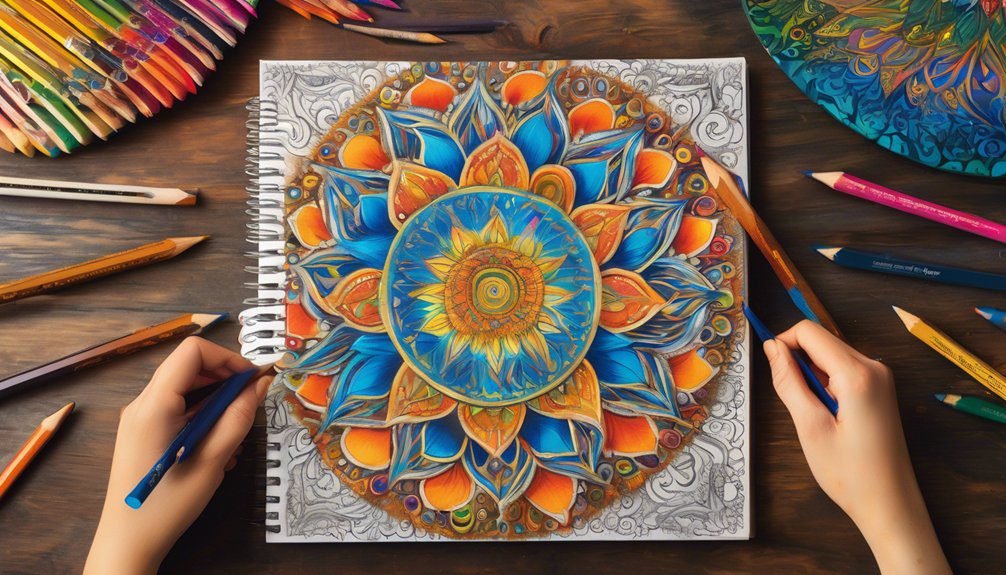
As you immerse yourself in the simple act of coloring, you may find it becomes a gateway to mindfulness, allowing you to focus on the present moment. The rhythm of coloring can quiet your mind, fostering a sense of peace and enhancing your creative mindfulness. You’ll experience various coloring benefits, such as reduced anxiety and improved concentration.
Here’s a quick table to highlight these benefits:
| Benefit | Description | Mindfulness Aspect |
|---|---|---|
| Reduced Anxiety | Calms racing thoughts | Encourages deep breathing |
| Enhanced Focus | Increases concentration | Engages your senses |
| Self-Expression | Frees your inner artist | Promotes personal insight |
| Stress Relief | Transforms negative energy | Creates a tranquil space |
Embrace this mindful practice and unlock your creativity.
Incorporating Coloring Into Your Routine
Finding ways to weave coloring into your daily life can transform it into a cherished ritual, enriching your routine with creativity and calm.
You don’t need to set aside hours; just a few minutes can make a difference. Here are some ideas to get you started:
- Morning Moments: Begin your day with a quick coloring session, using simple coloring techniques to awaken your mind.
- Lunch Break: Take a break from work and spend a few minutes coloring to refresh your focus.
- Evening Wind Down: Incorporate coloring into your night routine to relax before bed.
- Travel Companion: Bring a coloring book along for downtime during commutes.
- Family Time: Share this creative outlet with loved ones for quality bonding moments.
Inspiring Stories of Creative Breakthroughs Through Coloring
Have you ever noticed how a simple act like coloring can spark unexpected moments of inspiration? Many people share coloring experiences that transformed their creative journeys.
For instance, one artist rediscovered her passion for painting after doodling with vibrant markers. Another writer found clarity in his thoughts while coloring intricate patterns, leading to the completion of a long-overdue novel.
These stories remind us that coloring isn’t just a child’s pastime; it’s a powerful tool for unlocking creativity. As you immerse yourself in colors, allow your mind to wander and ideas to flow.
Each stroke can open doors to creativity you didn’t know existed, encouraging you to explore new artistic avenues and embrace the joy of self-expression.
Frequently Asked Questions
Can Coloring Improve Artistic Skills Over Time?
Yes, coloring can improve your artistic skills over time. You’ll grasp color theory and develop shading techniques, enhancing your understanding of light and depth, which ultimately refines your overall artistic expression and creativity.
What Age Group Benefits Most From Coloring?
You’ll find toddlers thrive through coloring, as it nurtures their development, while adults experience stress relief, discovering calm amidst chaos. Each stroke on paper reflects growth, weaving connection between ages, fostering creativity across life’s journey.
Are Digital Coloring Apps as Effective as Traditional Coloring?
Digital coloring apps can be just as effective as traditional methods for many people. They offer creative freedom through various digital tools, making the experience enjoyable and accessible for everyone, regardless of age or artistic skill.
How Long Should I Color to See Benefits?
To see creative benefits, you should color for at least 20 to 30 minutes. This duration allows your mind to relax and engage, enhancing your focus and imagination while you enjoy the process.
Can Coloring Help With Emotional Healing?
Yes, coloring can aid emotional healing. Through coloring therapy, you unlock emotional expression, allowing feelings to flow freely. This reflective process encourages self-discovery and can help you navigate complex emotions, fostering a sense of peace.
Conclusion
You might be surprised to learn that 75% of adults feel more creative after engaging in coloring activities. This simple yet powerful practice not only brings joy and relaxation but also taps into your innate creativity. By incorporating coloring into your routine, you’re allowing yourself to explore your imagination and embrace spontaneity. So, grab those colors and let your mind wander—it’s time to unlock the creative potential that’s been waiting for you all along.