
Art therapy offers a unique way for both kids and adults to navigate their emotions through creative expression. It’s not just about creating art; it’s about the journey and the feelings that emerge along the way. Whether you’re seeking to enhance self-awareness or simply find a safe outlet for stress, art therapy can be a valuable resource. But what specific techniques and benefits make it so effective? Let’s explore further.
Key Takeaways
- Art therapy combines creative expression with psychological insights, benefiting both children and adults in emotional healing and self-discovery.
- For children, it offers a safe outlet for emotions, promoting self-awareness and boosting self-esteem through creative exploration.
- Adults can use art therapy to express difficult emotions, reduce stress, and gain insight into personal thoughts and feelings.
- Common techniques include free drawing, collage-making, and painting, focusing on the creative process rather than artistic skill.
- Getting started involves finding a comfortable space, gathering basic supplies, and allowing free expression without pressure or judgment.
Understanding Art Therapy: An Overview
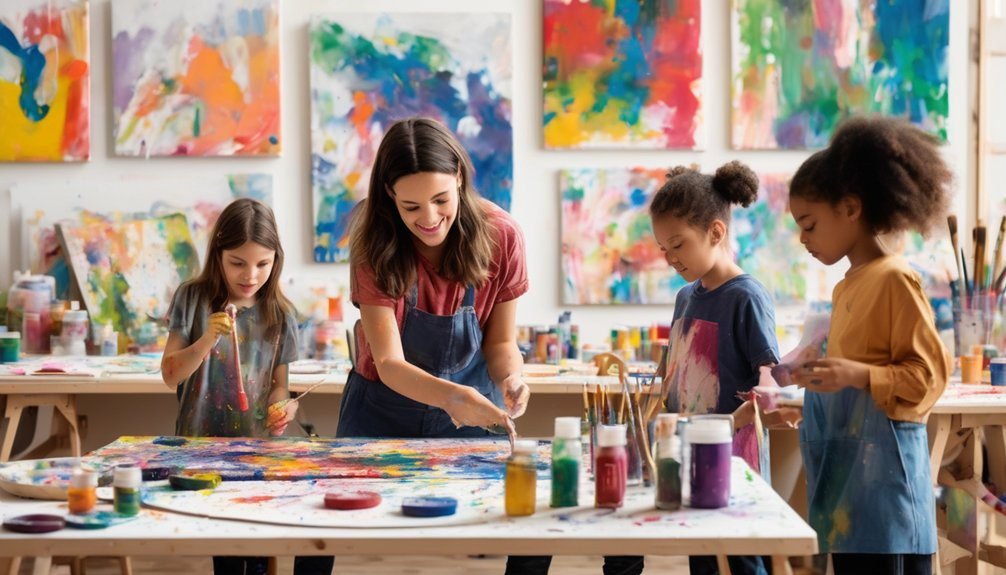
Art therapy is a powerful tool that can help you or your child express feelings and thoughts in a creative way. It combines traditional art practices with psychological principles to facilitate emotional healing and self-discovery.
Through activities like drawing, painting, or sculpting, you can explore emotions that might be difficult to verbalize. This form of therapy isn’t about artistic skill; it’s about the process of creation and expression. You’ll engage with various materials and techniques, allowing for a unique exploration of personal experiences.
Art therapy can also promote relaxation and mindfulness, making it easier to cope with stress. Whether you’re seeking personal growth or support for emotional challenges, art therapy offers a welcoming space for exploration and understanding.

Benefits of Art Therapy for Children
When children engage in art therapy, they can unlock a safe outlet for expressing their emotions and thoughts. This creative process helps them communicate feelings they might struggle to verbalize.
Through drawing, painting, or sculpting, kids can explore their inner world, which promotes self-awareness and emotional growth. Art therapy also encourages problem-solving skills, as children learn to navigate challenges in their artwork.
Additionally, it fosters a sense of accomplishment and boosts self-esteem when they create something meaningful. The non-judgmental environment of art therapy allows kids to feel validated, helping them manage anxiety and stress.
Benefits of Art Therapy for Adults
Engaging in art therapy can be just as transformative for adults as it’s for children. You’ll find that it offers a unique way to express emotions, especially those that are difficult to articulate verbally.
Art therapy encourages self-discovery, helping you gain insights into your thoughts and feelings. It can reduce stress and anxiety, providing a calming outlet for daily pressures.
Additionally, it promotes mindfulness, allowing you to focus on the present moment through creative expression. You may also experience improved self-esteem as you create and explore your artistic abilities.
Common Techniques Used in Art Therapy
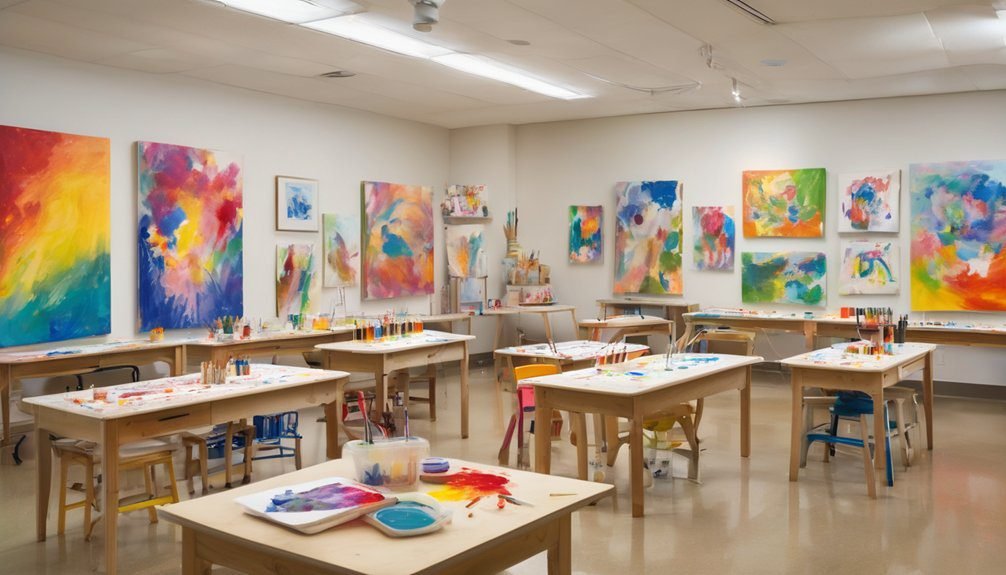
Many techniques in art therapy can help you explore your feelings and thoughts creatively. One common method is free drawing, where you let your hand move without restrictions, allowing emotions to flow onto the paper.
Collage-making encourages you to combine various images and materials, reflecting your inner world. Painting can also be powerful; using colors and brushstrokes can express feelings you might struggle to verbalize.
Collage-making and painting serve as powerful tools for expressing complex emotions and reflecting your inner self creatively.
Guided imagery often accompanies these activities, helping you visualize scenarios or emotions before creating art. Additionally, using clay or other tactile materials can ground you, making the experience more engaging.
Each technique offers a unique way to process emotions, fostering self-discovery and healing through artistic expression.
How to Get Started With Art Therapy
Getting started with art therapy can be an exciting journey toward self-exploration and healing.
First, find a quiet space where you feel comfortable and inspired. Gather basic supplies like colored pencils, markers, or paint—whatever you feel drawn to. You don’t need to be an artist; just let your creativity flow.
Start by expressing your feelings through colors and shapes. You might want to create a piece that represents your emotions or experiences. Consider journaling alongside your art to deepen your understanding.
If you’re unsure, look for local workshops or online resources to guide you. Remember, there’s no right or wrong in art therapy; it’s about discovering yourself and finding peace through creativity.
Enjoy the process!
Real-Life Success Stories
Art therapy has transformed countless lives, showcasing its profound impact on both kids and adults. You might be surprised by the stories of individuals who found healing through creativity. For instance, a young girl expressed her trauma through painting, leading to significant emotional breakthroughs. An adult veteran used sculpture to process PTSD, finding peace in each creation.
Here’s a quick look at some real-life success stories:
| Individual | Transformation |
|---|---|
| Young Girl | Overcame trauma through painting |
| Adult Veteran | Processed PTSD via sculpture |
| Teenager | Built self-esteem through collage |
| Adult with Anxiety | Found calm through drawing |
| Child with Autism | Improved communication via art |
These stories highlight art therapy’s unique ability to foster personal growth and healing.
Finding a Qualified Art Therapist
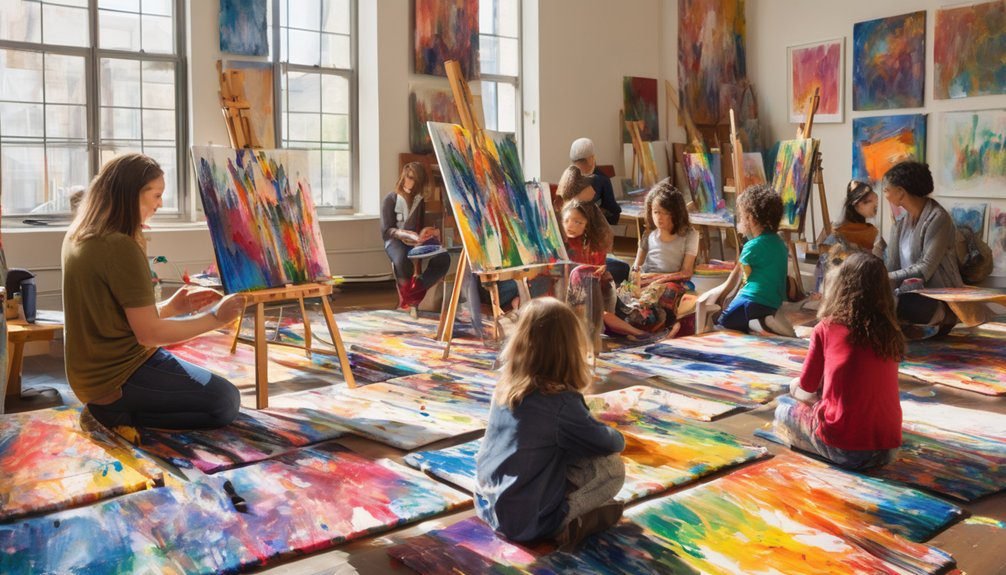
When you’re ready to explore art therapy, finding a qualified therapist is crucial for effective healing. Start by checking credentials; look for someone with a master’s degree in art therapy or a related field. Verify their licensure and ensure they’re registered with a professional organization, like the American Art Therapy Association.
Next, consider their experience and approach—different therapists specialize in various issues, so find one that aligns with your needs. You might also want to read reviews or ask for recommendations from trusted sources.
Schedule an initial consultation to gauge their style and comfort level. Remember, the right fit can make all the difference in your therapeutic journey, so trust your instincts when making your choice.
Frequently Asked Questions
Can Art Therapy Be Done at Home Without a Therapist?
Yes, you can practice art therapy at home without a therapist. Engaging in creative activities allows you to express emotions, relieve stress, and explore your thoughts. Just gather supplies and let your imagination guide you.
What Materials Are Recommended for Art Therapy Sessions?
For fantastic art therapy sessions, you’ll need fun supplies like colorful crayons, captivating canvases, playful paints, and sturdy scissors. Gather glossy glue, vibrant markers, and textured paper to spark creativity and self-expression during your artistic adventure!
How Long Does an Art Therapy Session Typically Last?
An art therapy session typically lasts about 45 to 90 minutes. It’s enough time for you to engage creatively, express emotions, and process experiences while enjoying the therapeutic benefits of art in a supportive environment.
Is Art Therapy Suitable for Individuals With No Artistic Skills?
Yes, art therapy’s suitable for everyone, regardless of skill. In fact, studies show that 75% of participants feel more relaxed after creative activities. You don’t need artistic talent; it’s about expression and healing.
Can Art Therapy Be Combined With Other Therapeutic Approaches?
Yes, you can definitely combine art therapy with other therapeutic approaches. Integrating techniques like cognitive-behavioral therapy or mindfulness can enhance your overall healing process, making it richer and potentially more effective for your unique needs.
Conclusion
In the world of art therapy, you’ll discover a canvas of possibility, much like Van Gogh found beauty in chaos. Whether you’re a child learning to express feelings or an adult seeking clarity, this journey is about more than just art—it’s about healing and self-discovery. So grab your brushes, let your emotions flow, and remember: every stroke is a step toward understanding yourself better. Embrace the process, and watch your inner landscape transform.