
Coloring books might seem like simple fun, but they offer profound benefits for early childhood development. As your child explores colors and designs, they’re enhancing creativity and honing fine motor skills. These activities also foster concentration and emotional expression, laying a foundation for confidence and social interaction. Curious about how these seemingly playful moments contribute to their growth? Let’s explore the various ways coloring can shape their early experiences.
Key Takeaways
- Coloring books enhance creativity and self-expression by allowing children to experiment with colors and develop unique artistic interpretations.
- Engaging in coloring activities improves fine motor skills and hand-eye coordination through grasping tools and practicing precision.
- Coloring fosters concentration and patience, teaching children to focus on details and complete tasks with dedication.
- The process of coloring promotes emotional expression, helping children identify their feelings and boosting their confidence through shared artistic experiences.
- Collaborative coloring activities enhance cognitive development and social skills by encouraging teamwork, communication, and problem-solving among peers.
Enhancing Creativity Through Color
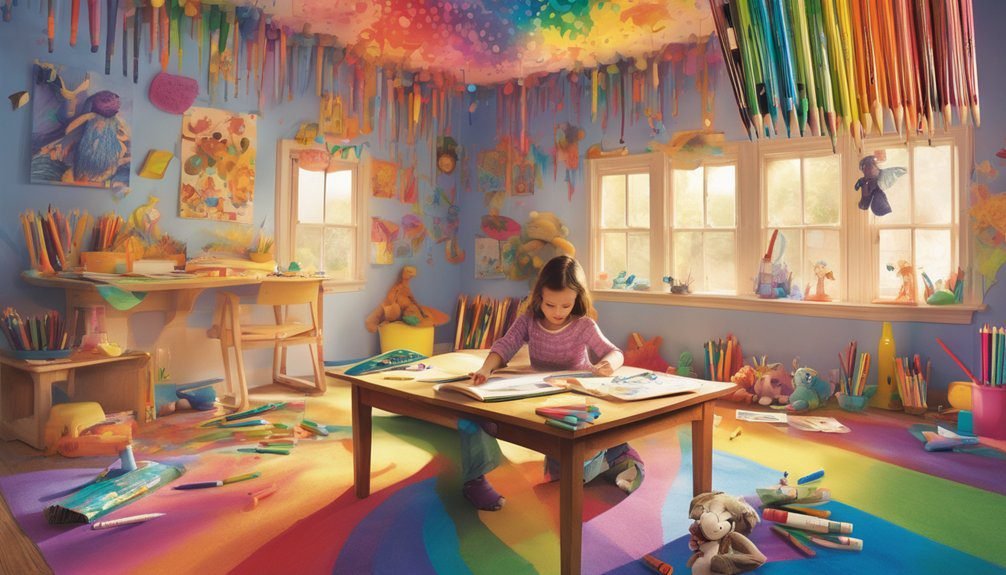
When children engage with coloring books, they not only enjoy the process but also tap into their innate creativity. Each blank page becomes a canvas where their imagination can run wild.
You’ll notice how they experiment with colors, choosing vibrant hues or soft pastels to express their feelings and ideas. This freedom fosters self-expression and encourages them to think outside the box.
As they color, they learn to visualize different combinations and themes, enhancing their artistic vision. You might find your child creating unique characters or scenes, combining elements in ways that surprise you.
Developing Fine Motor Skills
Coloring books play a crucial role in developing fine motor skills in young children. When your child holds crayons or colored pencils, they’re practicing grip strength, which is essential for other tasks like writing.

As they color within the lines, they’re honing their dexterity and control, improving their ability to manipulate small objects. This focused activity encourages precision and concentration, fostering the coordination needed for everyday actions, such as buttoning shirts or tying shoelaces.
Moreover, the variety of coloring tools and textures can enhance their tactile experience, further supporting fine motor development.
Improving Hand-Eye Coordination
Engaging in coloring activities significantly boosts your child’s hand-eye coordination. As they color within the lines, they learn to synchronize their hand movements with what they see on the page. This process requires focus and precision, helping them develop the ability to control their hands effectively.
Choosing different colors and tools encourages your child to navigate various motions, enhancing their dexterity. Moreover, as they switch between crayons, markers, or colored pencils, they practice gripping and manipulating these tools, further refining their coordination.
You’ll notice improvements not just in their coloring, but also in tasks like writing, cutting, or even playing sports. By incorporating coloring into their routine, you’re setting the foundation for better motor skills that will benefit them in many areas of life.
Fostering Concentration and Focus

As children immerse themselves in coloring activities, they naturally develop their ability to concentrate and focus. Each stroke of the crayon pulls them deeper into the task, sharpening their attention span.
You’ll notice them:
- Carefully selecting colors that fit their vision
- Mixing hues to create unique shades
- Staying within the lines, showcasing their dedication
- Repeating patterns, enhancing their memory
- Reflecting on their choices, promoting critical thinking
These moments of concentration not only boost their artistic skills but also lay the groundwork for future learning.
Encouraging Emotional Expression
While many people associate coloring with fun and creativity, it also serves as a powerful tool for children to express their emotions. When you provide a coloring book, you’re giving them a safe outlet for feelings they mightn’t yet understand or articulate.
As they choose colors and fill in the pages, they often reflect their mood—bright colors for happiness, darker shades for sadness or anger. This process helps them identify and process their emotions, facilitating emotional intelligence.
Encouraging your child to talk about their artwork can deepen this connection, allowing them to share their thoughts and feelings openly. Overall, coloring not only engages their creativity but also nurtures their emotional development in a gentle and supportive way.
Promoting Mindfulness and Relaxation
Coloring books can be a wonderful way for children to practice mindfulness and relaxation. As they immerse themselves in coloring, they learn to focus on the present moment, letting go of distractions.
The repetitive motions of coloring can help calm their minds and bodies, creating a soothing experience. Here are some benefits you might notice:
The calming motions of coloring create a soothing experience, promoting relaxation and focus for children.
- Vibrant colors dancing across the page, encouraging creativity.
- Gentle strokes of crayons or colored pencils, promoting fine motor skills.
- A quiet space where worries fade, fostering inner peace.
- A sense of accomplishment as each page comes to life.
- Deep breaths become easier as they engage in this meditative activity.
Incorporating coloring into their routine can truly enhance their overall well-being.
Supporting Cognitive Development
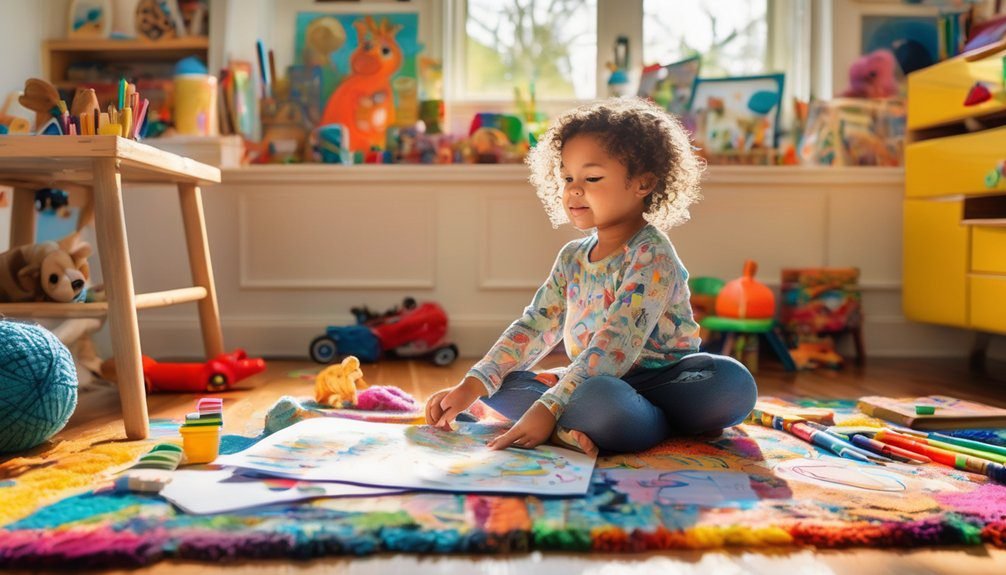
Engaging in coloring activities significantly supports cognitive development in young children. When you encourage your child to color, they’re not just having fun; they’re also enhancing their critical thinking skills. Choosing colors and deciding where to apply them helps improve their decision-making abilities.
As they focus on staying within the lines, they’re practicing hand-eye coordination, which is vital for future writing skills.
Moreover, coloring introduces concepts like shapes, patterns, and spatial awareness, laying the groundwork for mathematical understanding. It also fosters creativity, as children explore different ways to express their ideas visually.
Building Confidence and Self-Esteem
As children immerse themselves in coloring activities, they naturally build confidence and self-esteem. When they see their colorful creations come to life, it fosters a sense of achievement. Each stroke of the crayon or marker reinforces their abilities and encourages self-expression.
Coloring not only sparks creativity but also nurtures confidence and self-esteem in children as they express themselves through vibrant art.
Here are some ways coloring boosts their confidence:
- Choosing colors empowers them to make decisions.
- Completing a page gives a satisfying sense of accomplishment.
- Experimenting with techniques invites creativity and exploration.
- Sharing their artwork promotes pride and validation.
- Receiving positive feedback from peers or adults strengthens their self-worth.
These experiences not only enhance their artistic skills but also nurture a resilient self-image, setting the foundation for future challenges.
Let your child color their way to confidence!
Strengthening Parental Bonds
When you join your child in a coloring session, it creates a unique opportunity to strengthen your bond. As you both choose colors and discuss the characters on the page, you’ll find yourselves engaged in meaningful conversations.
This shared activity fosters trust and connection, allowing your child to express their thoughts and feelings freely. You can encourage creativity while also showing your support, which builds their confidence.
Plus, working side by side makes your child feel valued and heard. The laughter and joy that often accompany coloring sessions will deepen your relationship.
Encouraging Social Interaction and Collaboration
Coloring sessions can also serve as a fantastic way to encourage social interaction and collaboration among children. When you gather kids around a table with coloring books, you’ll notice them engaging with one another, sharing ideas, and working together. This teamwork nurtures essential social skills.
Imagine the scene as they:
Picture the joyful scene as children share crayons, ideas, and laughter, creating beautiful art together.
- Trade crayons, creating a vibrant palette.
- Discuss their favorite colors and patterns.
- Plan a colorful mural, merging their individual styles.
- Help each other stay within the lines, fostering patience.
- Celebrate each other’s masterpieces, boosting confidence.
These moments not only enhance their creativity but also build friendships.
Frequently Asked Questions
What Age Is Best to Introduce Coloring Books to Children?
You can introduce coloring books to children as early as 18 months. At this age, they start developing fine motor skills and enjoy the creative process, helping them express themselves while having fun with colors.
Are There Specific Coloring Books Recommended for Different Developmental Stages?
Yes, you can find coloring books tailored to different developmental stages. For toddlers, choose simple shapes and large images. For preschoolers, opt for themed books with more intricate designs that encourage creativity and fine motor skills.
How Often Should Children Use Coloring Books for Optimal Benefits?
You should have your child color every single day! Just a few minutes daily can unleash creativity and sharpen skills. So grab those crayons and watch them transform into miniature Picassos with each stroke!
Can Digital Coloring Apps Provide Similar Benefits as Traditional Coloring Books?
Yes, digital coloring apps can offer similar benefits as traditional coloring books. They foster creativity, improve fine motor skills, and enhance focus, especially when you encourage your child to explore both mediums for a balanced experience.
What Materials Are Best for Coloring to Enhance the Experience?
You’ll find that high-quality colored pencils, washable markers, and thick paper enhance your coloring experience. These materials allow for vibrant colors and easy blending, making your artwork more enjoyable and encouraging creativity in your projects.
Conclusion
In conclusion, coloring books are like a vibrant doorway to a world of growth for young children. By embracing this simple yet powerful activity, you’re not just handing them crayons and paper; you’re nurturing creativity, fine motor skills, and emotional expression. As they color outside the lines of their imagination, they build confidence and forge connections with others. So, grab those coloring books and watch as your child blossoms into a confident, expressive individual ready to take on the world!