
Coloring is like a gentle breeze that sweeps away the clutter of a child’s mind. It’s not just a fun pastime; it plays a crucial role in their development. As you explore the benefits, you’ll discover how this simple activity can enhance fine motor skills, boost concentration, and even foster emotional expression. The impact of coloring goes beyond the page—it’s a gateway to personal growth and well-being. What other surprising benefits might await?
Key Takeaways
- Coloring enhances fine motor skills and hand-eye coordination, essential for writing and daily tasks.
- Engaging in coloring boosts concentration, focus, and mindfulness, promoting mental clarity and emotional regulation.
- It encourages creativity and self-expression, allowing children to communicate feelings visually.
- Completing coloring projects builds self-esteem and confidence, reinforcing a positive self-image.
- Group coloring activities foster social skills, teamwork, and reduce stress through shared creativity.
Enhancing Fine Motor Skills

Coloring isn’t just a fun activity; it’s a powerful tool for enhancing your child’s fine motor skills. As your child colors, they’re developing essential hand-eye coordination, which helps them connect visual input with precise movements. This coordination is vital for everyday tasks, like writing and buttoning clothes.
Additionally, gripping crayons or markers strengthens their grip strength, essential for mastering pencil control later on. You’ll notice your child’s ability to manipulate tools improve as they practice coloring within lines and experimenting with different strokes.
This hands-on engagement lays a foundation for more complex skills, boosting their confidence as they gain control over their movements. By encouraging coloring, you’re not just providing a creative outlet; you’re actively supporting their developmental journey.
Boosting Concentration and Focus
While engaging in a coloring activity, your child finds an opportunity to enhance their concentration and focus. As they immerse themselves in choosing colors and staying within lines, they practice honing their attention spans. This focused engagement helps your child develop mental clarity, allowing them to filter out distractions and concentrate on the task at hand.
Coloring requires sustained effort, which trains their ability to focus over longer periods. This improved concentration can translate into other areas, such as schoolwork and daily tasks.

Encouraging Creativity and Imagination
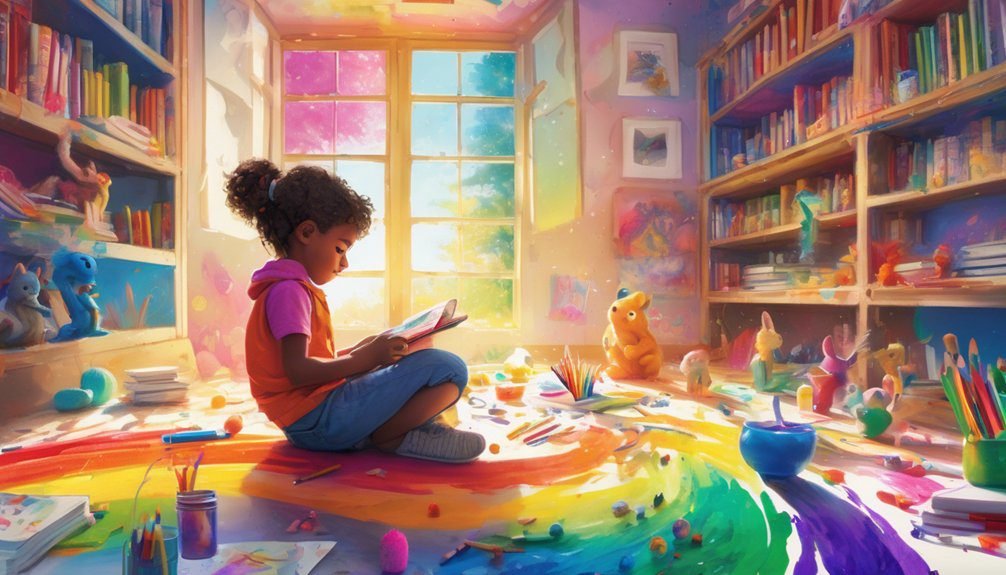
Coloring is more than just filling in shapes; it’s a powerful way for your child to unleash their artistic expression.
As they choose colors and create scenes, they’re developing problem-solving skills and fostering original thoughts. This creative process not only boosts imagination but also builds a foundation for innovative thinking in the future.
Unleashing Artistic Expression
Unlocking the door to artistic expression can ignite creativity and imagination in children. When you encourage your child to color, you open up a world of artistic exploration.
Each stroke of the crayon allows them to experiment with color theory, discovering how different hues interact and evoke emotions. This process not only enhances their understanding of art but also fosters self-expression.
By choosing colors and designs, children learn to communicate their feelings and ideas visually, building confidence in their artistic abilities. As they navigate their creative journey, they develop a unique voice, celebrating individuality.
Ultimately, coloring becomes a powerful tool for nurturing creativity, inspiring your child to dream big and express themselves freely.
Developing Problem-Solving Skills
As children explore their artistic side through coloring, they also encounter various challenges that stimulate their problem-solving skills. When faced with a blank page or a set of colors, they must think critically about how to achieve their vision.
This process encourages them to develop problem-solving strategies, whether it’s deciding which colors to blend or how to fill a tricky shape. As they experiment, they learn to adapt their approach, reflecting on what works and what doesn’t.
These moments of trial and error enhance their critical thinking abilities, allowing them to make informed choices. By engaging in coloring, your child not only expresses creativity but also builds essential skills that will aid them in navigating challenges throughout life.
Fostering Original Thought
While many activities can nurture creativity, coloring stands out as a unique way to foster original thought in children. When kids pick up crayons or markers, they’re not just filling in lines; they’re exploring original concepts and expressing their emotions.
This freedom encourages them to think beyond the conventional, allowing for imaginative solutions to emerge. As they choose colors and create their own designs, they learn to trust their instincts and develop a sense of individuality.
This process not only enhances their artistic skills but also strengthens their ability to innovate and approach problems creatively. By regularly engaging in coloring, children can cultivate a mindset that values originality, setting the stage for future creative endeavors and thoughtful problem-solving.
Promoting Emotional Expression
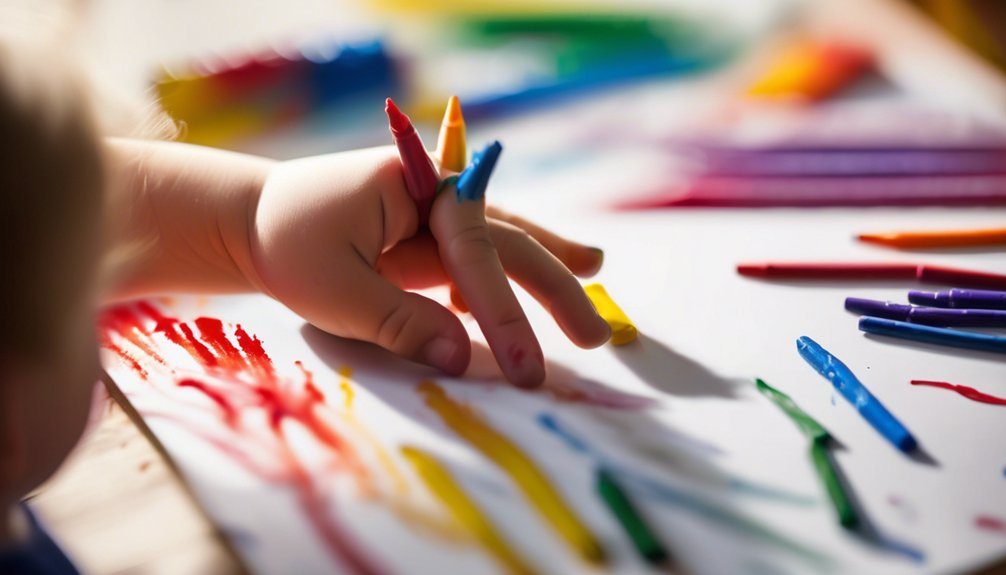
Coloring isn’t just a fun activity; it offers your child a unique outlet for emotional expression.
By engaging in this creative process, they can enhance their mood regulation and develop self-awareness skills.
You’ll find that as they color, they might open up about their feelings, fostering deeper emotional connections.
Encouraging Creative Outlets
When children engage in creative activities like coloring, they often find a powerful outlet for their emotions. Coloring allows them to express feelings they might not yet understand or articulate. By choosing various coloring themes and using different art materials, kids can explore their emotions in a safe environment.
| Coloring Themes | Benefits |
|---|---|
| Nature | Connects with tranquility |
| Fantasy | Sparks imagination |
| Emotions | Facilitates expression |
| Abstract | Encourages freedom |
Each theme helps children tap into their inner world, making it easier to process what they’re feeling. These creative outlets are essential for emotional development, fostering a sense of individuality and self-awareness.
Enhancing Mood Regulation
Engaging in creative activities like coloring can significantly enhance a child’s ability to regulate their mood. When kids choose colors, they’re often expressing their feelings—whether it’s bright hues for joy or darker shades for sadness.
This process fosters emotional connections, allowing children to explore and articulate their emotions in a safe environment. As they color, they can reflect on their experiences, helping them feel more in control of their emotions.
This form of expression not only soothes anxiety but also encourages self-discovery. By understanding their color choices and what they represent, children can enhance their emotional awareness, making it easier to navigate their feelings in daily life.
Ultimately, coloring serves as a powerful tool for mood regulation.
Building Self-Awareness Skills
As children express their feelings through art, they naturally develop self-awareness skills that are crucial for emotional growth. Engaging in coloring allows them to explore their emotions and reflect on their experiences, enhancing their emotional awareness. These self-reflection activities help children identify what they feel, promoting healthier emotional management.
| Emotional Expression | Benefits |
|---|---|
| Joy | Builds confidence |
| Anger | Encourages coping skills |
| Sadness | Fosters empathy |
| Fear | Enhances resilience |
Building Self-Esteem and Confidence
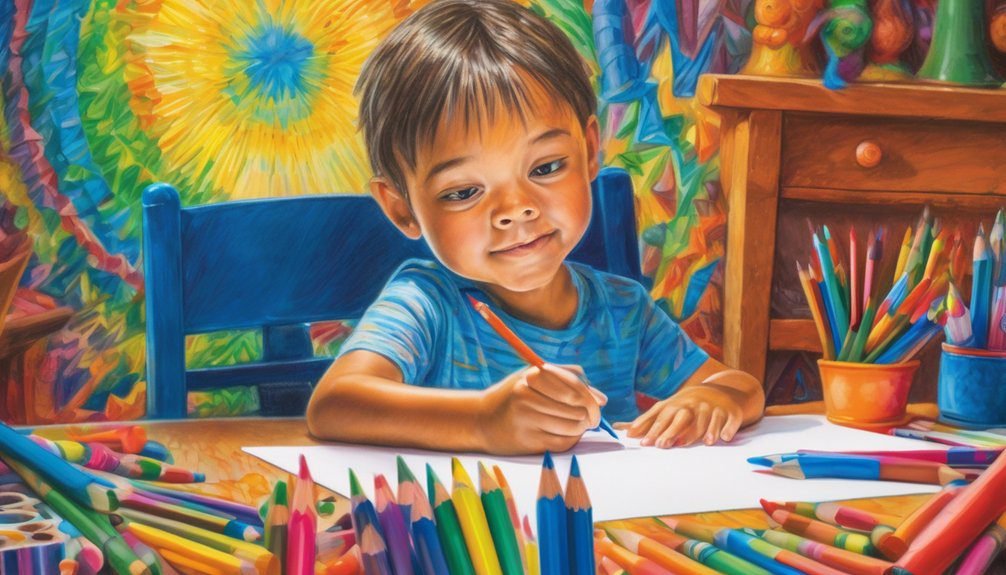
Coloring isn’t just a fun activity for kids; it plays a vital role in building self-esteem and confidence. When children create their own colorful masterpieces, they experience a sense of accomplishment, which acts as a powerful form of positive reinforcement. Every completed drawing reinforces their belief in their abilities, making them more willing to tackle new challenges.
Incorporating self-affirmation techniques, like encouraging kids to express what they love about their artwork, helps them recognize their unique talents. This not only boosts their confidence but also fosters a positive self-image.
As they receive praise from parents and peers, their self-esteem flourishes, allowing them to embrace creativity and develop resilience. Ultimately, coloring becomes a key tool in nurturing a child’s self-worth.
Supporting Cognitive Development
While many view coloring as merely a pastime, it significantly supports cognitive development in children. Engaging in coloring activities enhances cognitive flexibility, allowing kids to think creatively and solve problems. As they choose colors and develop their designs, they strengthen their memory retention, recalling details about shapes and patterns.
| Cognitive Skill | Impact of Coloring |
|---|---|
| Cognitive Flexibility | Encourages creative problem-solving |
| Memory Retention | Boosts recall of shapes and colors |
| Focus | Improves concentration |
| Fine Motor Skills | Enhances hand-eye coordination |
| Visual Perception | Develops spatial awareness |
Incorporating coloring into your child’s routine can nurture their cognitive skills, fostering a well-rounded development that carries into their future learning experiences.
Fostering Social Skills and Collaboration

Engaging in coloring activities also presents a fantastic opportunity for children to develop their social skills and learn the value of collaboration. By participating in group activities, kids can experience the joy of teamwork, fostering friendships and social bonding.
As they share colors and ideas, they enhance their communication skills and engage in peer interactions that strengthen their connections.
- Encourage collective creativity through collaborative art projects.
- Participate in team projects that require cooperation and compromise.
- Use coloring sessions as a platform for friendship building.
- Introduce cooperative games that involve coloring tasks.
- Create a supportive environment where sharing colors becomes second nature.
These experiences not only boost their artistic skills but also lay the groundwork for healthy social interactions throughout their lives.
Reducing Stress and Anxiety
When kids dive into coloring, they often find a soothing escape from the pressures of daily life. Engaging in mindful coloring allows them to focus on the present moment, helping to quiet racing thoughts and anxiety.
As they fill in shapes and choose colors, they experience a sense of control that can be incredibly therapeutic. This simple act can shift their attention away from stressors, promoting relaxation and emotional well-being.
The repetitive motions and creativity involved in coloring can lower cortisol levels, which helps to reduce stress. By incorporating this enjoyable activity into their routine, you’re not only providing an outlet for expression but also equipping them with a valuable tool for managing their emotions effectively.
Encouraging Mindfulness and Relaxation
Coloring can serve as a powerful tool for encouraging mindfulness and relaxation in children, as it invites them to immerse themselves in the present moment. By focusing on colors and patterns, kids can engage in mindful breathing and tap into relaxation techniques that benefit their overall well-being.
- Enhances concentration and focus
- Encourages self-expression and creativity
- Provides a calming routine after a busy day
- Fosters emotional regulation through art
- Promotes a sense of accomplishment with finished pieces
When children color, they learn to slow down, reflect, and appreciate the process, making it a valuable practice for developing mindfulness.
This creative outlet not only helps manage stress but also nurtures a sense of peace and tranquility.
Frequently Asked Questions
What Age Should Children Start Coloring Activities?
Most children start coloring around 18 months, hitting key coloring milestones by age three. By then, age recommendations suggest they’ll enjoy exploring colors and shapes, enhancing creativity and fine motor skills as they progress.
How Often Should Children Color for Maximum Benefits?
Think of coloring as watering a plant; the more you nurture it, the better it grows. For optimal duration, aim for 15-30 minutes, several times a week, ensuring consistent coloring frequency for maximum benefits.
Are There Specific Coloring Tools Recommended for Young Children?
You should choose washable crayons for young children, as they’re safe and easy to clean. Encourage various coloring techniques, like blending and shading, to enhance their creativity and fine motor skills while keeping it fun.
Can Coloring Help With Learning Disabilities?
Yes, coloring can enhance cognitive development for children with learning disabilities. By exploring various coloring techniques, you can engage their creativity and improve focus, which may lead to better learning outcomes and increased confidence in their abilities.
What Types of Coloring Pages Are Best for Skill Development?
Animal themes and geometric shapes are great choices for skill development. They engage kids’ creativity while enhancing fine motor skills and cognitive recognition. You’ll notice improvements as they color, explore shapes, and express their imagination.
Conclusion
Incorporating coloring into your child’s routine can have profound effects on their development. Did you know that studies show children who engage in creative activities like coloring can improve their fine motor skills by up to 50%? By allowing your child to express themselves through this simple yet powerful activity, you’re not just fostering creativity; you’re also enhancing their emotional and social skills. Embrace coloring as a valuable tool for your child’s growth and well-being, and watch them thrive.