
If you want a coloring book that does more than fill quiet time, nature-themed pages can help you spot animals, plants, bugs, and habitats while you color. You’ll also find books that match different ages and interests, from simple outlines to detailed scenes that ask bigger questions about the world outside. The right choice can turn a few crayons into a small adventure, and the best options may surprise you.
Key Takeaways
- Choose nature coloring books with simple, clear illustrations that support observation and learning.
- Pick age-appropriate pages that match your child’s attention span and skill level.
- Look for books featuring animals, insects, trees, and flowers to spark curiosity.
- Select books with engaging details and facts that invite questions about habitats and nature.
- Use durable paper and roomy designs that make coloring easier and more enjoyable.
Why Nature Coloring Books Help Kids Learn
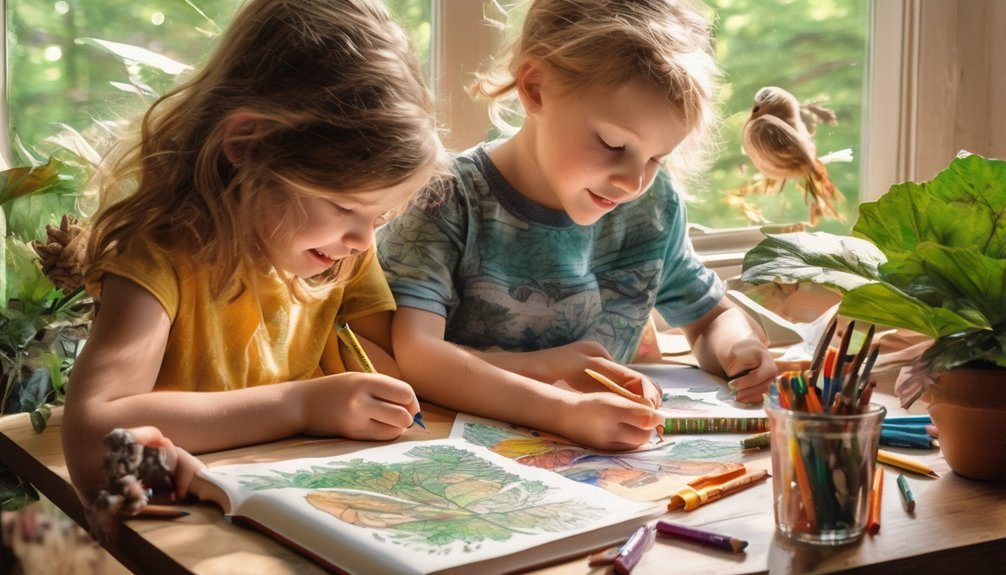
Nature coloring books help kids learn by turning simple pictures of leaves, animals, flowers, and trees into fun lessons. As you color, you notice shapes, patterns, and tiny details that build color recognition and sharpen your eye for the natural world.
You also guide your hand with each crayon stroke, which strengthens fine motor skills and hand-eye coordination. When you stay inside the lines, you practice focus and patience without feeling pressured.
These pages can spark questions, too, so you may ask about butterflies, birds, or seasons while you color together. That makes learning feel warm, playful, and personal.
Best of all, you can enjoy quiet time while your child grows curious about nature and confident with every page.

How to Choose the Right Nature Coloring Book
Once you know how much kids can learn from coloring, the next step is picking a book they’ll actually enjoy using.
Look for pages that match your child’s age and attention span, with clear outlines and enough detail to spark curiosity without feeling overwhelming. You’ll also want paper that can handle crayons, markers, or colored pencils, so creative expression feels easy and fun.
If your child likes to practice coloring techniques, choose books with a mix of simple shapes and richer scenes. Check that the themes invite questions about plants, seasons, and habitats, helping you turn coloring time into conversation.
A good nature coloring book should feel inviting, not demanding, so your child keeps reaching for it again and again.
Best Nature Coloring Books for Animal Lovers
If your child loves animals, the best nature coloring books will keep that excitement alive with pages full of pets, woodland creatures, birds, ocean life, and wild animals from around the world. You can pick books that mix simple outlines with richer scenes, so your child learns while coloring.
| Book feature | Why it matters |
|---|---|
| Realistic animals | Builds recognition |
| Animal habitats | Teaches where animals live |
| Big pages | Easier coloring |
| Wildlife conservation facts | Sparks caring |
These books help you talk about animal habitats, compare fur, feathers, and scales, and notice how each creature fits its world. When you choose titles with gentle facts, you also support wildlife conservation in a way your child can feel proud of.
Nature Coloring Books for Bugs and Insects
When your child is fascinated by tiny creatures, bugs and insects coloring books can turn that curiosity into a fun learning activity. You can help them notice bug anatomy, from antennae and wings to segmented bodies and six legs, while they color each page.
These books often show beetles, butterflies, bees, and ladybugs in simple, inviting scenes that make learning feel playful. You’ll also find pages that hint at insect habitats, so your child can imagine where each creature lives and moves.
This hands-on activity builds observation skills, supports focus, and sparks questions you can answer together. When you color side by side, you create a calm moment that feels personal, warm, and full of discovery.
Nature Coloring Books With Trees, Flowers, and Plants
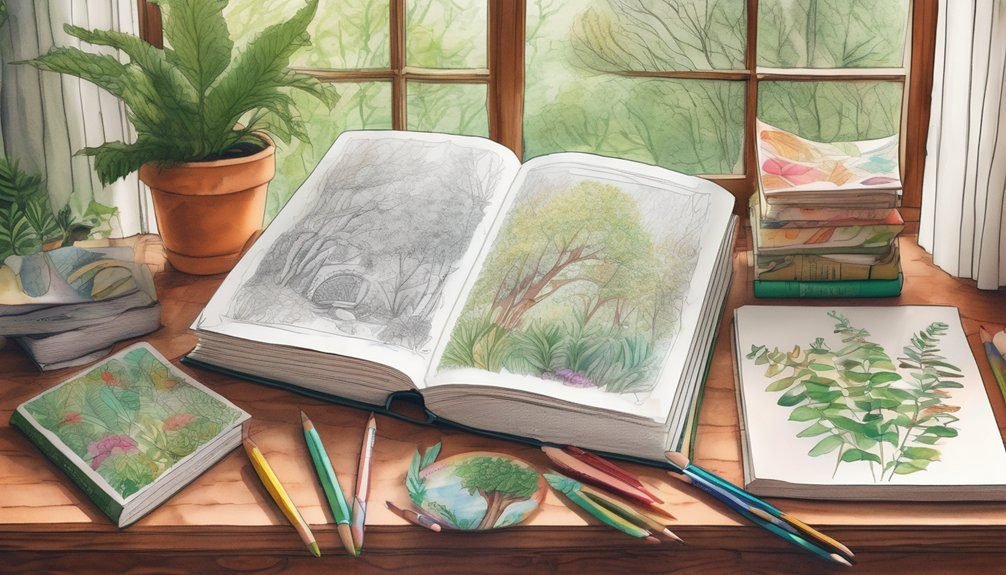
After exploring tiny crawlers, your child can look at the bigger wonders of the outdoors with nature coloring books filled with trees, flowers, and plants. You’ll find pages that invite close attention, gentle creativity, and simple learning. These books can support tree identification and introduce flower symbolism, helping your child notice leaf shapes, petals, and stems.
| Feature | Why it helps | Kid-friendly idea |
|---|---|---|
| Trees | Build observation | Color oak, pine, and maple |
| Flowers | Spark curiosity | Match bright petals |
| Plants | Grow vocabulary | Name roots and leaves |
| Details | Improve focus | Trace veins and bark |
| Symbols | Add meaning | Talk about kindness |
You can sit together, color side by side, and make each page feel personal, calm, and warm.
Nature Coloring Books That Teach Ecosystems
Nature coloring books that teach ecosystems help your child see how plants, animals, water, and weather work together in one shared home. You can use each page to spark simple chats about ecosystem diversity, from ponds and forests to deserts and coral reefs.
As your child colors a bee, frog, or bird, you’ll point out how every living thing depends on food, shelter, and space. These books also make habitat preservation feel personal, because your child can see why clean water, healthy soil, and safe places matter.
The pictures invite gentle curiosity, and you get to share discoveries side by side. That connection can turn coloring time into a warm, meaningful lesson about nature’s balance and care.
Nature Coloring Books by Age Group
Toddlers usually need bold outlines, simple shapes, and roomy pages that make coloring feel easy and fun, while preschoolers can handle more detail as they learn to stay inside the lines.
You can choose age appropriate themes like flowers, insects, and forest animals to keep little hands interested.
For early elementary kids, look for scenes with habitats, seasons, and labeled plants, which invite curiosity and gentle learning.
Older kids often enjoy intricate leaves, birds, and ocean life that let them practice shading and other coloring techniques.
When you match the book to your child’s skill level, you help them feel capable, relaxed, and excited to create.
That sweet spot keeps coloring rewarding, builds confidence, and makes every page feel like theirs.
Fun Ways to Use Nature Coloring Books at Home
Once you’ve picked a nature coloring book that fits your child’s age, you can turn it into a simple, creative activity at home.
Try setting up a cozy coloring corner with crayons, pencils, and real leaves or flowers nearby for inspiration. You can talk about each animal, plant, or season as you color, which makes the page feel more alive.
Add short coloring activities like matching colors to real bird feathers or counting petals together. Afterward, hang the finished pages on the fridge or make a mini nature gallery.
You can also pair the book with outdoor exploration by taking a walk and spotting the same shapes or creatures your child just colored. This makes learning feel warm, playful, and personal.
Frequently Asked Questions
What Paper Quality Prevents Marker Bleed-Through in Coloring Books?
Thick, heavyweight paper with at least 160 gsm helps prevent marker bleed-through. You’ll get better results with alcohol-based or water-based marker types when you layer coloring techniques lightly, and you’ll feel more confident using fewer pages.
Are Nature Coloring Books Available With Perforated Pages?
Yes, you can find nature coloring books with perforated pages, and they’re a cut above for kids’ engagement. You’ll tear out finished art easily, share it proudly, and keep little hands happily creating.
Can These Books Be Used for Homeschool Science Lessons?
Yes, you can use them for homeschool science lessons. You’ll boost science engagement by pairing pages with your homeschool curriculum, then discussing plants, animals, habitats, and seasons. They make learning hands-on, fun, and memorable.
Do Any Nature Coloring Books Include Glow-In-The-Dark Pages?
Yes, some do, though they’re rare—like hidden stars in a forest. You’ll find glow in the dark features in a few special editions, adding creative night time fun and extra magic for kids.
Are There Bilingual Nature Coloring Books for Kids?
Yes, you’ll find bilingual nature coloring books for kids, and they’re great for bilingual benefits and language learning. You can explore animals, plants, and habitats in two languages, making coloring feel fun, cozy, and educational.
Conclusion
So, which nature coloring book will you choose first? You’ve got plenty of great options to help your child explore animals, bugs, plants, and ecosystems while having fun. By picking a book that matches their age and interests, you can keep them curious, creative, and engaged. Whether you color together at home or use the pages to spark conversations, you’ll turn simple coloring time into a hands-on way to learn about the natural world.