
Coloring isn’t just a fun pastime for kids; it’s a powerful tool for developing fine motor skills. As you guide children through the process, you’ll notice how their fingers strengthen and coordination improves. This activity fosters patience and decision-making, laying groundwork for more complex tasks. But what specific techniques can you use to maximize these benefits? Let’s explore the various aspects of coloring that can enhance fine motor development.
Key Takeaways
- Coloring engages fingers and hands, enhancing grip and coordination essential for fine motor skills development.
- Using various coloring tools like colored pencils, markers, and crayons promotes experimentation and skill refinement.
- Intricate designs and themed coloring books challenge hand-eye coordination while encouraging focus and patience.
- Regular coloring practice helps children transition from reluctance to enthusiasm, reinforcing consistent skill enhancement.
- Celebrating small milestones in coloring progress motivates continued engagement and improvement in fine motor skills.
Understanding Fine Motor Skills
Fine motor skills are essential for everyday tasks, from buttoning your shirt to writing a note. These skills involve the small muscles in your hands and fingers, enabling precise movements.
You use fine motor skills when you tie your shoes, grasp a pencil, or manipulate small objects. Developing these skills is crucial, especially for children, as they form the foundation for more complex tasks later in life.
Fine motor skills are vital for tasks like tying shoes and writing, laying the groundwork for more complex abilities in the future.
It’s not just about dexterity; it’s also about hand-eye coordination and control. Practicing activities that require detailed movements helps strengthen these skills.
With time and effort, you can enhance your fine motor abilities, making daily tasks easier and more enjoyable. Understanding this concept is the first step toward improvement and mastery.

The Benefits of Coloring for Children
Coloring offers numerous benefits for children, particularly in developing fine motor skills. When you hand your child crayons or colored pencils, they engage their fingers and hands in precise movements. This practice strengthens their grip and coordination, essential for tasks like writing and buttoning shirts.
Coloring also encourages focus and patience, as they learn to stay within lines and complete their artwork. Moreover, it stimulates creativity and self-expression, allowing your child to explore colors and shapes freely. As they choose colors and create designs, you’ll notice an increase in their decision-making skills.
How Coloring Supports Adult Development
While many associate coloring with childhood, it can be a powerful tool for adults too. Engaging in coloring activities helps you tap into your creativity, providing a much-needed escape from daily stressors.
As you focus on filling in intricate designs, you enhance your fine motor skills and hand-eye coordination. This creative process also encourages mindfulness, allowing you to stay present in the moment and reduce anxiety.
Furthermore, coloring can stimulate your brain, improving concentration and problem-solving abilities. By incorporating this simple yet effective activity into your routine, you not only foster emotional well-being but also support cognitive development.
Choosing the Right Coloring Tools
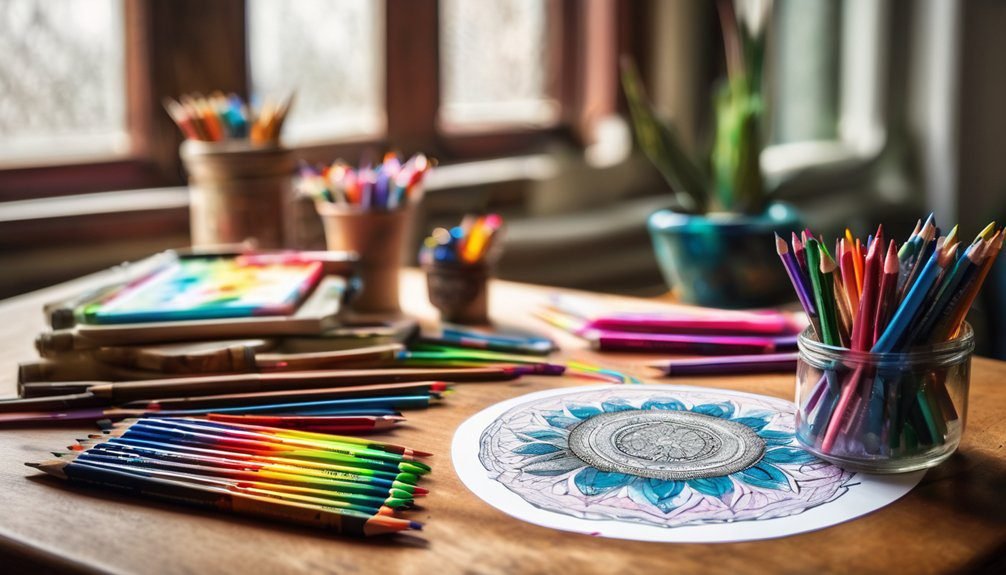
Choosing the right coloring tools can make all the difference in your creative experience. You’ll want tools that not only inspire you but also support your fine motor skills. Here’s a quick comparison to help you decide:
| Tool Type | Benefits |
|---|---|
| Colored Pencils | Great for precision and detail |
| Markers | Bold colors, easy to grip |
| Crayons | Smooth application, beginner-friendly |
Consider how each tool feels in your hand and how it complements your coloring style. Experiment with different options to find what suits you best. Ultimately, the right tools can enhance your enjoyment and boost your fine motor skills while you color!
Techniques to Enhance Fine Motor Skills Through Coloring
As you dive into the world of coloring, employing specific techniques can significantly enhance your fine motor skills.
Start by using various grip styles with your coloring tools; try holding the crayon or marker between your thumb and forefinger to develop precision. Experiment with different coloring pressures—light strokes for delicate areas and firmer ones for broader sections—to improve control.
Explore different grip styles and pressures while coloring to refine your precision and control.
Incorporating intricate designs, like mandalas or patterns, challenges your hand-eye coordination and encourages focus. Don’t forget to switch hands occasionally; this promotes ambidexterity and strengthens both sides of your brain.
Lastly, take your time and enjoy the process; mindfulness during coloring can lead to better overall motor control and concentration.
Incorporating Coloring Into Daily Routines
Incorporating coloring into your daily routine can be a fun and effective way to boost fine motor skills without feeling like a chore. You can easily integrate coloring into various parts of your day. For instance, set aside time during breakfast or before bedtime.
Here’s a simple guide to help you get started:
| Time of Day | Activity |
|---|---|
| Morning | Color a morning greeting card |
| Afternoon Snack | Color while enjoying a snack |
| After School | Choose a coloring book page |
| Dinner Preparation | Color while waiting for food |
| Before Bed | Wind down with calming colors |
These moments not only enhance skills but also create a relaxing break in your day. Enjoy the process!
The Connection Between Coloring and Creativity

Coloring isn’t just a way to boost fine motor skills; it also sparks creativity. When you pick up those crayons or markers, you unleash your imagination. Each stroke on the paper invites you to explore colors, shapes, and patterns, allowing your mind to wander freely.
You’re not just filling in spaces; you’re creating a personal masterpiece that reflects your unique perspective. This process encourages you to think outside the lines, experimenting with different techniques and styles. You start to see the world differently, noticing colors and details you might overlook otherwise.
Embracing this creative outlet not only enhances your artistic skills but also boosts your confidence. So, grab your coloring tools and let your creativity flow!
Coloring Activities for Different Age Groups
At every age, coloring can be a fun and beneficial activity, tailored to suit different developmental stages. For toddlers, large crayons and simple shapes encourage grip and control.
As children grow, introduce more detailed coloring pages featuring their favorite characters or scenes, which helps refine their dexterity. Preschoolers can benefit from themed coloring books that incorporate shapes, numbers, or letters, blending learning with creativity.
For school-aged kids, consider mandalas or intricate designs that challenge their focus and precision. Teens might enjoy adult coloring books, which offer stress relief and promote mindfulness.
No matter their age, you’ll find that engaging in coloring activities can significantly enhance fine motor skills while providing a creative outlet for self-expression.
Overcoming Challenges in Fine Motor Development
While coloring can significantly boost fine motor skills, some children may face challenges in their development. You might notice your child struggles with gripping crayons or controlling their hand movements. It’s essential to be patient and understanding during this process.
Start with thicker crayons or markers to make it easier for them to hold, and encourage short, fun coloring sessions to build their confidence. Incorporate activities like tearing paper or squeezing playdough to strengthen their hand muscles.
Success Stories: Real-Life Examples of Improvement
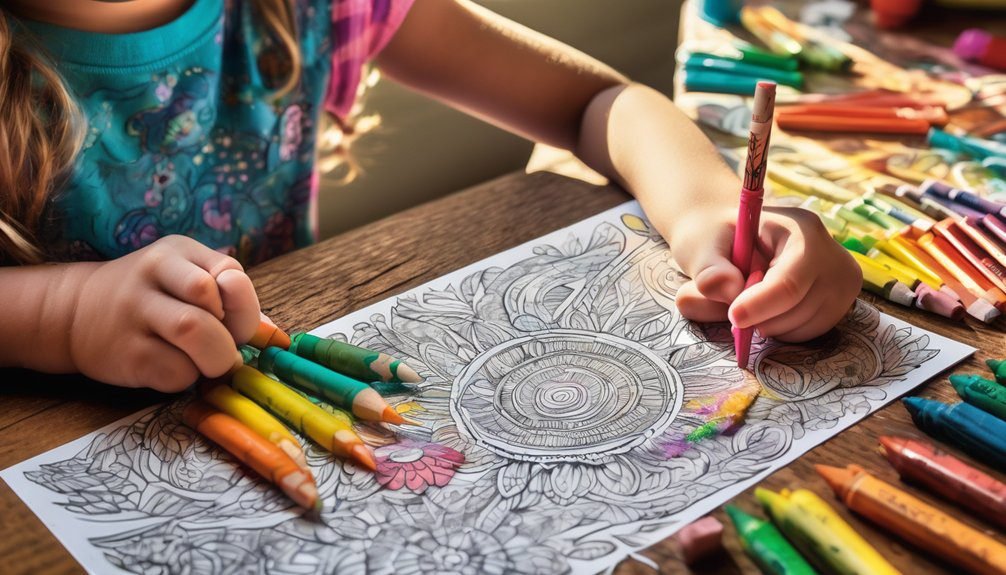
Seeing progress in fine motor skills can be incredibly rewarding for both children and parents.
Take, for example, Emily, who struggled with holding crayons. After regular coloring sessions, she developed a stronger grip and more control. Her confidence soared as she began to stay within the lines.
Emily transformed her crayon grip through coloring sessions, gaining control and confidence as she learned to stay within the lines.
Then there’s Liam, who found it hard to cut paper. With practice, his precision improved dramatically, allowing him to create intricate designs.
Parents often share how their kids, once frustrated, now eagerly pick up coloring books, excited to express their creativity.
These stories highlight that regular coloring not only enhances fine motor skills but also boosts self-esteem.
Embrace these moments; they’re proof that progress is possible and worth celebrating!
Frequently Asked Questions
How Often Should Children Color to Improve Fine Motor Skills?
You should encourage your child to color several times a week. Regular practice helps strengthen their hand muscles and improve coordination, making it easier for them to handle writing tools and other fine motor tasks effectively.
Are Digital Coloring Apps Effective for Fine Motor Skill Development?
Yes, digital coloring apps can be effective for fine motor skill development. They offer precision and control, allowing you to practice hand-eye coordination. Just make sure to balance screen time with traditional coloring activities for best results.
What Age Is Appropriate to Start Coloring for Skill Enhancement?
By age two, kids can start coloring with chunky crayons, enhancing their grip and control. You’ll notice improvements in their dexterity and creativity with regular practice, laying a strong foundation for future skills.
Can Coloring Help With Handwriting Improvement in Older Children?
Yes, coloring can improve handwriting in older children. It strengthens hand muscles, enhances grip, and promotes control. By practicing coloring regularly, you’re helping them develop the coordination needed for better writing skills.
Do Specific Colors or Themes Influence Fine Motor Skill Engagement?
Sure, picking pink and purple unicorns will totally enhance your fine motor skills! In reality, specific colors or themes can engage you differently, making tasks feel easier or more enjoyable, thus improving your skills effectively.
Conclusion
Incorporating coloring into your child’s routine can make a significant difference in their fine motor skills development. Did you know that studies show children who engage in activities like coloring are 20% more likely to demonstrate improved hand-eye coordination? By providing the right tools and techniques, you’re not just encouraging creativity; you’re setting them up for success in more complex tasks later on. So grab those crayons and let the coloring begin—your child’s skills will flourish!