
You can color a cat, trace a letter, and count a flower. With the right coloring book, you help a child learn colors, shapes, words, and numbers while they have fun. You’ll also build focus, hand control, and confidence. The best part is that simple pages can turn into small lessons, and the next page may surprise you.
Key Takeaways
- Learning coloring books combine creative play with letters, numbers, colors, and vocabulary practice.
- Age-appropriate pages help children learn with confidence through simple, engaging challenges.
- Fun themes like animals, nature, holidays, and helpers keep kids curious and interested.
- Coloring activities build hand strength, focus, and direction-following skills.
- Friendly prompts and questions turn coloring time into relaxed, playful learning moments.
What Are Learning Coloring Books?
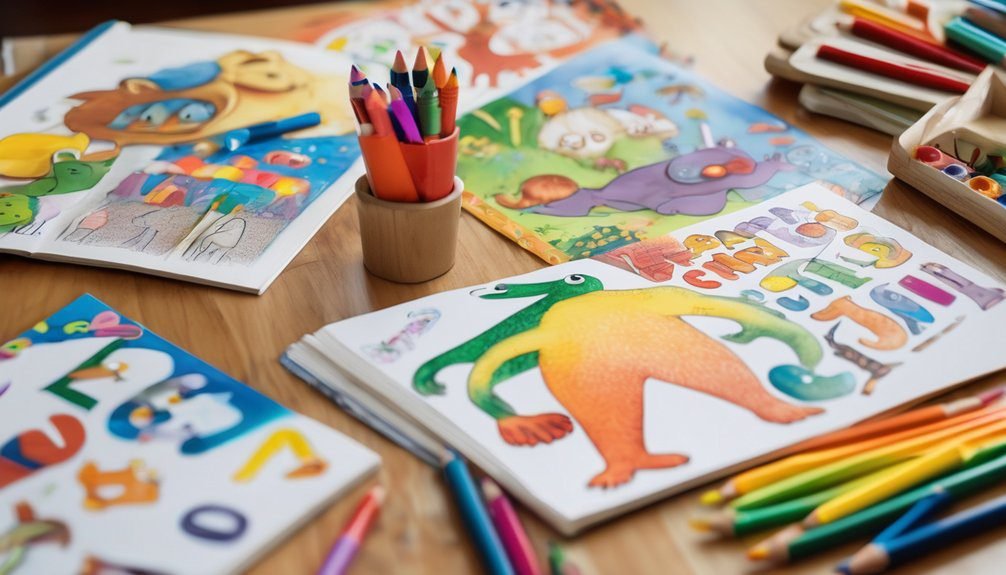
Learning coloring books are special books that help you learn while you color. You can fill their pages with bright crayons, markers, or pencils while exploring letters, numbers, shapes, animals, and more.
These books invite you to practice creative expression, so your choices of color and style can shine. As you trace, match, and notice details, you also support cognitive development in a fun, gentle way.
You might see simple pictures, friendly prompts, or tiny challenges that make each page feel like a game just for you. Learning coloring books are made to feel welcoming, so you can relax, create, and enjoy discovering new ideas.

They’re a sweet mix of play and learning that keeps you close to the joy of making something beautiful.
How Coloring Books Help Kids Learn
Coloring books do more than keep you busy—they help you learn in fun, simple ways. When you color, you practice holding crayons, staying inside lines, and noticing shapes and patterns. That strengthens your hand muscles and boosts cognitive development.
You also learn colors, numbers, letters, animals, and new words as you fill each page. If you choose bright shades or mix your own, you use creative expression and make each picture feel like yours.
Coloring can help you focus, follow directions, and finish a task from start to end. It can also calm big feelings, so learning feels easier.
Every page gives you a chance to explore, create, and grow a little more each time you color.
Choose the Right Coloring Book by Age
As kids grow, their coloring books should grow with them. You can choose pages that match your child’s developmental milestones, so they feel proud, calm, and capable.
Little hands need chunky shapes and simple lines, while older children enjoy more detail and gentle challenge. Pick age appropriate themes that feel friendly and familiar, and your child will stay interested longer.
- Ages 2–3: big pictures, thick outlines, few choices.
- Ages 4–5: simple scenes, clearer details, basic counting or letters.
- Ages 6+: finer designs, more steps, and room for creativity.
When you match the book to your child’s age, you help learning feel natural. You’re not just giving crayons—you’re giving confidence, one colorful page at a time.
Best Learning Themes for Kids
Animals, numbers, letters, and nature scenes make coloring time both fun and educational. You can guide your child toward creative themes that spark curiosity, like farms, oceans, space, and friendly dinosaurs. These choices help your little one stay excited while building focus and imagination.
Look for interactive designs with hidden objects, simple matching tasks, or pages that invite tracing and finding. Your child can explore holidays, seasons, jobs, and community helpers too, which makes each page feel familiar and cozy.
Pick themes that reflect your child’s interests, because that personal touch keeps coloring joyful and meaningful. When you choose books with warm, inviting pictures, you give your child a playful way to learn, relax, and feel proud of every finished page.
Coloring Books That Teach Letters and Numbers
How can you make learning the alphabet and counting feel like play? You can choose coloring books that turn each page into a small victory. As you color letters and numbers, you build alphabet recognition and number association without pressure. You’ll help your child notice shapes, repeat sounds, and connect symbols with meaning.
- Trace each letter, then color it slowly.
- Say the number aloud while filling it in.
- Match one bright color to every page for easy recall.
These books invite you to sit close, share smiles, and cheer each tiny win. Your child learns better when the activity feels warm, calm, and fun.
These books invite cozy moments, shared smiles, and little celebrations, making learning feel warm, calm, and fun.
With every crayon stroke, you’re helping skills stick while making sweet memories together.
Coloring Books for Shapes and Animals
When you pick coloring books for shapes and animals, you turn simple pages into fun lessons. You guide little hands through shapes exploration and animal recognition while keeping every page playful and warm.
| Shape | Animal |
|---|---|
| Circle | Cat |
| Square | Bear |
| Triangle | Fish |
As you color, you can point to each rounded circle, neat square, or pointy triangle, and your child can match it with the friendly animal beside it. This gentle pairing helps young minds notice differences, remember names, and feel proud of each bright choice. You don’t need fancy tools—just crayons, curious eyes, and a cozy moment together. These books invite sweet learning and make every picture feel like a tiny shared adventure.
How to Turn Coloring Into a Learning Activity
You can turn coloring time into a learning activity by asking simple questions as your child works, like “What color is this?” or “Can you find the big red shape?” While they color, point out letters, numbers, shapes, and animals, and encourage them to name each one out loud. This warm back-and-forth helps your child stay focused and curious.
- Try coloring techniques that match a lesson, like tracing edges or filling patterns.
- Ask your child to count crayons, spots, or stars for quick practice.
- Celebrate every answer to build confidence and joy.
These playful moments offer educational benefits without feeling like school. You’re teaching through love, laughter, and gentle guidance, making each page a little discovery.
Simple Ways to Use Coloring Books Every Day
A few easy coloring habits can fit into almost any day and help your child enjoy a calm, creative routine. You can keep crayons nearby so coloring feels simple to start after breakfast, before homework, or right before bed.
Try giving short creative prompts, like coloring a happy animal or a rainy sky, to spark imagination. During quiet time, sit together and make it one of your favorite interactive sessions, where you both talk, laugh, and share ideas.
Offer simple prompts like a happy animal or rainy sky to spark imagination and make coloring time interactive.
You can also use coloring books while waiting at appointments or during travel. These small moments help your child practice focus, express feelings, and enjoy learning without pressure.
When you make coloring a daily habit, you create warm, playful time together.
Frequently Asked Questions
How Do I Choose Eco-Friendly Coloring Books for Children?
You choose eco-friendly coloring books by checking for sustainable materials like recycled paper and soy inks, then pick educational themes your child’ll love. You’ll support learning, protect nature, and keep coloring fun and gentle.
Can Coloring Books Help Children With Special Learning Needs?
Yes, you can use coloring books to support children with special learning needs; they offer therapeutic benefits and boost cognitive development. You’ll help your child focus, express feelings, and build confidence through playful, calming practice.
What Coloring Supplies Are Safest for Young Children?
You’ll want crayons, colored pencils, and markers made with safe materials and non toxic options. Choose chunky, washable tools, avoid small parts, and pick products labeled age-appropriate so your little one can color happily.
How Can I Store and Organize Finished Coloring Pages?
You can sort finished pages in a binder or labeled folder; it’s a sweet coincidence when today’s favorite fits tomorrow’s shelf. Try coloring page storage bins and simple organization tips to keep art neat and easy.
Are Digital Coloring Books as Effective as Paper Ones?
Yes, you’ll find digital coloring books can be just as effective as paper ones, especially for digital engagement and artistic expression. You get bright tools, easy fixes, and playful fun, though paper still feels wonderfully hands-on.
Conclusion
When you open a coloring book, you’re handing your child a little map to a brighter world. Every crayon stroke becomes a stepping stone, and every page is a tiny adventure where letters, numbers, animals, and shapes wake up and smile. You’re not just filling spaces with color—you’re helping your child grow confidence, curiosity, and joy. Keep turning the pages, and you’ll see learning bloom like a garden after rain.