
There’s an intriguing theory that coloring can significantly boost focus and productivity. Research suggests that this simple activity engages both hemispheres of your brain, promoting a state of mindfulness that enhances creativity. But how exactly does this work in practice? Exploring the science behind coloring may reveal unexpected benefits that could transform your daily routine and work environment.
Key Takeaways
- Coloring activates both brain hemispheres, enhancing holistic and divergent thinking, which boosts creative problem-solving skills.
- Engaging in coloring fosters a meditative state, allowing innovative ideas to surface and improving overall focus.
- The repetitive motion of coloring reduces anxiety and stress, promoting a healthier mindset conducive to productivity.
- Incorporating scheduled coloring sessions can recharge mental energy and enhance attention span throughout the day.
- Coloring can be used in professional settings for team-building, offering a creative outlet that enhances collaboration and productivity.
The Science Behind Coloring and Focus

While you might think of coloring as a simple childhood pastime, recent studies reveal its surprising potential to enhance focus and productivity. The coloring neuroscience suggests that engaging in this activity activates specific brain areas associated with concentration and mindfulness.
When you color, you’re not just filling in shapes; you’re also stimulating your brain’s right hemisphere, which is linked to creativity and holistic thinking. This dual engagement fosters a state of flow, leading to improved cognitive benefits like enhanced attention span and reduced anxiety.
How Coloring Enhances Creativity
Engaging in coloring not only sharpens focus but also serves as a powerful catalyst for enhancing creativity. By choosing different coloring styles, you unlock various avenues for artistic expression that stimulate your mind.
This process encourages divergent thinking, allowing you to approach problems from unique perspectives. Here are some ways coloring fosters creativity:

- It activates both hemispheres of the brain, promoting holistic thinking.
- The repetitive motion of coloring can lead to a meditative state, freeing your mind for innovative ideas.
- Experimenting with colors and patterns can inspire new concepts in your work.
Stress Relief Through Coloring

Coloring serves as an effective tool for stress relief, offering a simple yet impactful way to unwind. Engaging with coloring books allows you to immerse yourself in a meditative state, where the repetitive motions and focus on colors can quiet your mind.
Empirical studies suggest that this form of therapeutic art reduces anxiety and increases feelings of relaxation. As you fill in intricate designs, you’re not just creating art; you’re activating your brain’s reward system, which releases dopamine—often referred to as the “feel-good” neurotransmitter.
This process can help alleviate the burdens of daily stressors, providing a refreshing mental break. By incorporating coloring into your routine, you can foster a healthier mindset and enhance your overall well-being.
Choosing the Right Coloring Materials
Selecting the right coloring materials can significantly influence your experience and outcomes. Your choice of coloring tools and material types affects not just the aesthetic but also your engagement level.
Choosing the right coloring materials greatly impacts your creative experience and overall engagement.
Consider these factors:
- Coloring Tools: Pencils, markers, or gel pens each offer different textures and vibrancy.
- Material Types: Paper quality matters; thicker paper can handle various mediums without bleeding.
- Personal Preference: Experiment with different combinations to find what resonates with you.
Research indicates that the tactile experience of coloring can enhance focus and creativity.
Incorporating Coloring Into Your Daily Routine
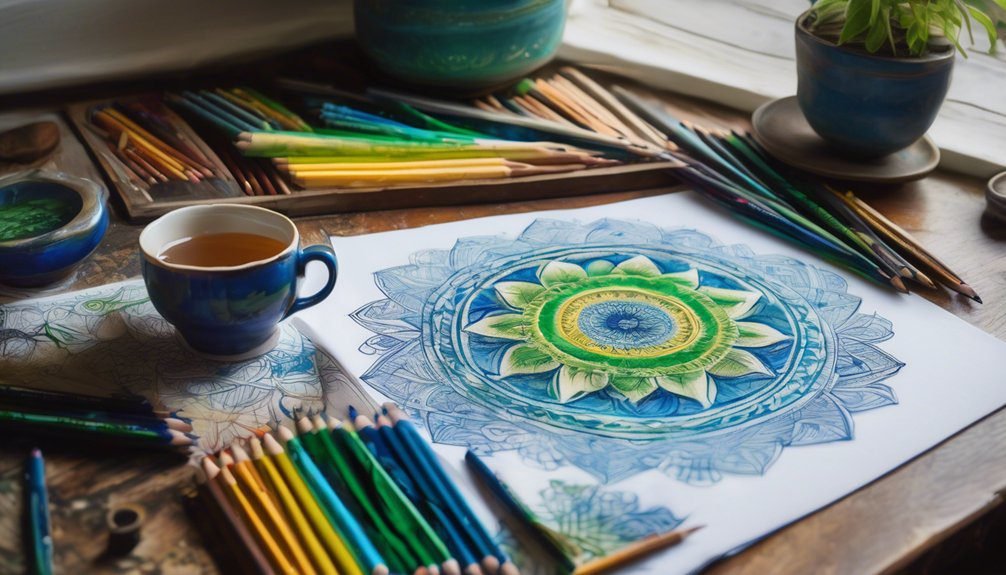
While many people view coloring as a leisurely activity, integrating it into your daily routine can significantly enhance your focus and productivity. Establishing coloring schedules as part of your daily rituals not only fosters creativity but also provides a mental break. Consider setting aside specific times during your day for coloring; this can help you recharge and refocus.
Here’s a simple framework to guide your integration:
| Time of Day | Activity | Duration |
|---|---|---|
| Morning | Color a mandala | 15 mins |
| Midday | Quick doodles | 10 mins |
| Afternoon | Themed coloring page | 20 mins |
| Evening | Relaxing patterns | 30 mins |
Coloring Techniques for Better Concentration
Engaging in specific coloring techniques can significantly enhance your concentration levels. By employing various coloring styles, you can tap into the psychological effects of color symbolism, which can help focus your mind.
- Choose Calming Colors: Opt for blues and greens to create a tranquil atmosphere, promoting mental clarity.
- Vary Your Techniques: Experiment with shading, patterns, or doodling; these methods stimulate creativity and keep you engaged.
- Set Intentions: Before starting, decide on a specific task or goal. This focused mindset channels your energy and attention effectively.
Using these techniques, you can transform your coloring session into a powerful tool for concentration, aligning colors and patterns with your mental objectives for optimal productivity.
The Benefits of Mindful Coloring

Mindful coloring offers a unique blend of relaxation and focus that can significantly enhance your mental well-being. By engaging in mindful techniques, you cultivate a state of awareness that reduces stress and promotes clarity.
As you choose colors, you’re also tapping into color symbolism—understanding how hues can influence emotions and thoughts. For instance, blue may evoke calmness, while yellow can inspire creativity. This intentional selection fosters a deeper connection to your feelings, allowing you to process emotions in a constructive manner.
Furthermore, the repetitive action of coloring can quiet your mind, making it easier to concentrate on tasks afterward. Ultimately, mindful coloring isn’t just an art; it’s a powerful practice that supports cognitive function and emotional health.
Coloring as a Break for Increased Productivity
Taking a break to color can serve as a powerful mental reset, allowing you to step away from tasks and recharge your cognitive resources.
Engaging in this creative activity not only enhances your focus but also stimulates innovative thinking, leading to better problem-solving upon returning to work.
Mental Reset Benefits
While you might often find yourself immersed in tasks that demand intense concentration, stepping away for a short coloring session can serve as a powerful mental reset.
This brief escape offers significant benefits:
- Enhanced mental clarity: Shifting your focus allows your mind to declutter, improving overall cognitive function.
- Cognitive refreshment: Engaging in a creative activity helps break the monotony, reinvigorating your thought processes.
- Improved mood: The simple act of coloring can elevate your emotional state, fostering a more productive work environment.
These mental reset benefits not only clear your mind but also enhance your ability to tackle challenges with renewed vigor.
Boosting Creative Thinking
When you immerse yourself in a coloring session, you’re not just engaging in a leisurely activity; you’re actively stimulating your brain’s creative pathways. This form of creative exercise can unlock new ideas and perspectives, allowing your mind to wander freely.
By using imaginative prompts, you can challenge yourself to think outside the box, enhancing your ability to innovate. Research suggests that such breaks can lead to improved problem-solving skills and increased originality in your work.
As colors blend and shapes form, you’re giving your brain a chance to reset and recharge. So, don’t underestimate the power of a coloring break; it might just be the spark your creativity needs to thrive.
Enhancing Focused Mindset
Coloring for just 10 to 15 minutes can significantly enhance your focused mindset, making it a powerful tool for boosting productivity. This mindfulness practice allows your brain to reset, promoting clarity and concentration. Engaging in coloring acts as a focus exercise, breaking the monotony of tasks and revitalizing your mental energy.
- Reduces stress and anxiety, creating a calm environment for thought.
- Stimulates creativity, enabling you to approach problems with a fresh perspective.
- Improves hand-eye coordination, fostering better focus on detailed tasks.
Incorporating short coloring sessions into your routine can sharpen your ability to concentrate, making you more efficient and productive in your work. It’s a simple yet effective method to enhance your overall performance.
Real-Life Success Stories: Coloring in Action
As you explore the transformative effects of coloring, you’ll find numerous success stories that illustrate its impact on focus and productivity. For instance, participants in coloring workshops often report enhanced concentration and reduced stress. Community events that incorporate coloring activities have shown significant improvements in collaboration and creativity.
| Participant | Activity Type | Outcome |
|---|---|---|
| Sarah | Coloring Workshop | Increased focus in meetings |
| Tom | Community Event | Enhanced teamwork |
| Lily | Office Coloring Session | Boosted creativity |
These examples highlight how engaging in coloring can lead to tangible benefits, making it a valuable tool for anyone seeking to improve their focus and productivity in various settings.
Frequently Asked Questions
Can Coloring Help With Anxiety and Depression Symptoms?
Yes, coloring can help with anxiety and depression symptoms. Its benefits include promoting mindfulness, enhancing relaxation, and providing an outlet for expression, leading to significant anxiety relief and improved emotional well-being through creative engagement.
What Age Groups Benefit Most From Coloring for Focus?
Children benefit from coloring during crucial developmental stages, enhancing focus and creativity. Adults, however, find mindfulness through coloring, reducing stress. Both age groups gain unique advantages, illustrating coloring’s universal appeal across different life phases.
Are There Specific Coloring Books Recommended for Productivity?
Yes, specific coloring books can enhance productivity. Look for those with intricate patterns or mindfulness themes. Popular recommendations include “Secret Garden” and “Lost Ocean,” which stimulate creativity while keeping you engaged in your tasks.
How Long Should I Color to See Productivity Benefits?
You should color for at least 15 to 30 minutes to experience noticeable productivity improvement. This duration allows your mind to relax, enhancing focus and creativity, leading to better outcomes in your tasks afterward.
Can Digital Coloring Apps Be as Effective as Traditional Coloring?
Absolutely, digital coloring apps can be just as effective as traditional methods. They offer unique coloring techniques that spark your digital creativity, allowing you to express yourself and enhance focus in a modern, engaging way.
Conclusion
Incorporating coloring into your daily routine can transform your focus and productivity like a lightning bolt of inspiration. By activating both hemispheres of your brain, coloring not only enhances creativity but also serves as a powerful stress reliever. As you experiment with different techniques and materials, you’ll find that this simple activity can lead to profound changes in your mental clarity and efficiency. Embrace the meditative nature of coloring—your mind deserves this vibrant recharge!