
Coloring together can be a rewarding way for you and your child to connect. It nurtures creativity and strengthens your bond, all while improving their fine motor skills. By choosing the right materials and setting a calm atmosphere, you can transform a simple activity into a cherished experience. Imagine the stories you could create together through colors. Curious about how to enhance this experience even further?
Key Takeaways
- Coloring together enhances emotional connection, communication, and family bonding while creating cherished memories.
- Select high-quality coloring materials like pencils, crayons, and eco-friendly options for a safe and vibrant experience.
- Set up a comfortable, distraction-free space with good lighting and calming ambiance to encourage creativity.
- Explore themed projects and storytelling to deepen engagement and enhance artistic skills through collaboration.
- Celebrate your child’s artwork by creating keepsakes, framing favorites, or hosting mini art shows to share creations.
The Benefits of Coloring Together
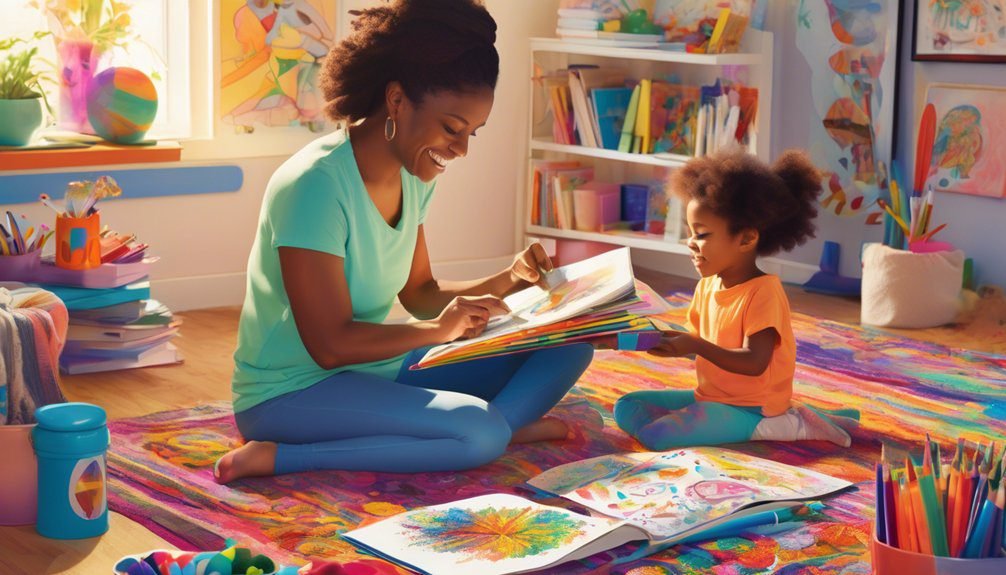
When you sit down to color with your child, you’re not just filling in shapes and lines—you’re building a connection that nurtures their emotional and social development.
The coloring benefits go beyond creativity; they foster communication and cooperation. As you share crayons and discuss colors, you’re teaching your child to express feelings and ideas. This shared activity promotes family bonding, creating cherished memories that strengthen your relationship.
You’ll notice their confidence grow as they see your interest in their work, reinforcing their sense of self-worth. Moreover, coloring together can be a calming experience, helping both of you unwind and connect after a busy day.
Choosing the Right Coloring Materials
Choosing the right coloring materials can make all the difference in your child’s creative experience. Start by selecting high-quality coloring pencils and various crayon types that suit your child’s age and preferences.
Watercolor paints can add a magical touch, while good-quality paper ensures the colors pop beautifully. Consider vibrant coloring books that ignite imagination, and don’t shy away from DIY materials for a personal touch.

Look for eco-friendly options too; they’re safer for your child and the planet. Pay attention to color palettes—offering a variety can inspire creativity and experimentation.
Ultimately, the right combination of materials can enhance your child’s artistic journey, making every coloring session an enjoyable adventure together.
Setting the Scene for a Fun Coloring Session

To set the scene for a fun coloring session, start by choosing a comfortable space where you and your child can relax and create together.
Gather all your coloring supplies—crayons, markers, and paper—so everything’s at your fingertips when inspiration strikes.
Finally, create a calming atmosphere with soft music or gentle lighting to make the experience enjoyable and stress-free.
Choose a Comfortable Space
Creating a cozy and inviting space can make all the difference in setting the mood for an enjoyable coloring session with your child.
Think about their preferred locations—whether it’s a comfy corner of the living room, a sunny spot by the window, or even a blanket fort in the backyard. Ensure the area is free from distractions, so you both can focus on the creative process.
Add soft cushions or a warm blanket to enhance the cozy atmosphere, making it feel special. Good lighting is essential, too; natural light or a warm lamp can brighten the mood.
Gather Coloring Supplies
Gathering the right coloring supplies sets the stage for an enjoyable and engaging session with your child.
By having quality art materials on hand, you’ll inspire creativity and make the experience more fun for both of you.
Here’s a quick list of essential coloring supplies to gather before you start:
- Colored pencils: Versatile and easy to control.
- Crayons: Great for younger kids and bold colors.
- Markers: Perfect for vibrant, expressive drawings.
- Paper: Choose a variety of textures and sizes for different effects.
- Stickers: Fun additions to enhance your artwork.
With these supplies ready, you’ll create a colorful environment that encourages your child’s artistic expression and keeps them engaged throughout the session.
Enjoy the creative journey together!
Set a Relaxing Mood
How can you transform your coloring session into a soothing, enjoyable experience? Start by setting the scene with some relaxation techniques. Dim the lights and arrange a comfortable space where you can sit together. Play calming music in the background to create a peaceful atmosphere. This will help both you and your child focus and unwind.
Here’s a simple table of ideas to enhance your coloring experience:
| Element | Description |
|---|---|
| Lighting | Use soft, warm lights or candles |
| Music | Choose gentle, instrumental tracks |
| Comfort Items | Include pillows, blankets, or snacks |
Creative Coloring Techniques to Try
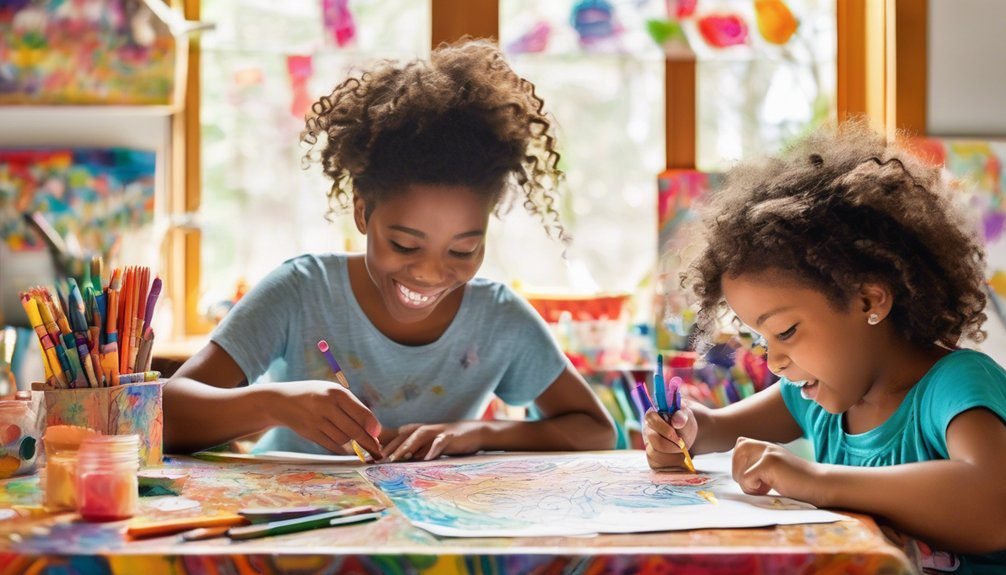
While you might think of coloring as a simple activity, there are countless creative techniques that can elevate it into a delightful experience for both you and your child.
Coloring is more than just a pastime; it can transform into a joyful bonding experience filled with creativity and exploration.
Exploring different methods can spark imagination and deepen your bond. Here are some fun ideas to try:
- Abstract designs: Let your child go wild with shapes and colors, creating their own masterpieces.
- Texture exploration: Use materials like sponges or fabric to add unique textures to your coloring.
- Color blending: Experiment with layering colors to create beautiful gradients and depth.
- Mixed media: Combine crayons, markers, and watercolors for a dynamic effect.
- Nature elements: Incorporate leaves or flowers for a touch of the outdoors in your artwork.
These techniques can make coloring even more enjoyable!
Incorporating Storytelling Into Your Coloring
When you sit down to color with your child, try weaving stories into the experience.
By creating colorful narratives around your drawings, you can bring characters to life and develop exciting plots together.
This not only enhances creativity but also sparks their imagination in ways that make art even more meaningful.
Creating Colorful Narratives
As you and your child pick up those colorful crayons and vibrant markers, consider diving into the world of storytelling to enhance your coloring experience. By creating colorful narratives, you can make your coloring time even more engaging and imaginative.
- Imagine the backstory of your colorful characters.
- Develop a simple narrative arc as you color.
- Ask your child questions about their characters’ adventures.
- Encourage them to create dialogue between characters.
- Share your own stories to inspire their creativity.
This process not only brings the pages to life but also fosters a deeper connection between you and your child. Together, you’ll explore the magic of storytelling, enriching your time spent coloring and sparking creativity in ways you both may not expect!
Characters and Plot Development
Coloring isn’t just about filling in spaces with color; it’s an opportunity to develop characters and plotlines that come alive on the page. As you and your child choose colors, think about the character arcs you want to create.
Maybe your hero starts timid but gains confidence through challenges. You can even add plot twists by introducing unexpected elements, like a mysterious creature or a hidden treasure, that change your story’s direction.
Encourage your child to narrate the story as they color, helping to build connections between the visuals and the narrative. This interactive approach not only makes coloring more engaging but also nurtures storytelling skills, fostering creativity and imagination in both of you.
Enhancing Imagination Through Art
While you and your child bring characters to life on the page, consider how storytelling can enhance this creative experience. By weaving narratives into your coloring sessions, you foster imagination exploration and artistic expression.
Here are some ways to incorporate storytelling:
- Create backstories for each character.
- Encourage your child to describe scenes as they color.
- Ask questions about the character’s feelings and actions.
- Introduce new plot twists as you color together.
- Develop a story that evolves with each coloring session.
These activities not only make coloring more engaging, but they also enhance your child’s cognitive skills and emotional understanding.
Exploring Themed Coloring Projects
When you’re looking to spark creativity in your child, themed coloring projects offer a fantastic way to bond and explore new ideas together.
You can create a range of themed coloring ideas, like animals, outer space, or even favorite storybook characters. Choose a theme that excites both of you, and start brainstorming designs.
This project collaboration not only enhances artistic skills but also encourages open communication and teamwork. As you color, share stories or facts related to the theme, deepening the experience.
Celebrating Your Artwork and Creating Keepsakes
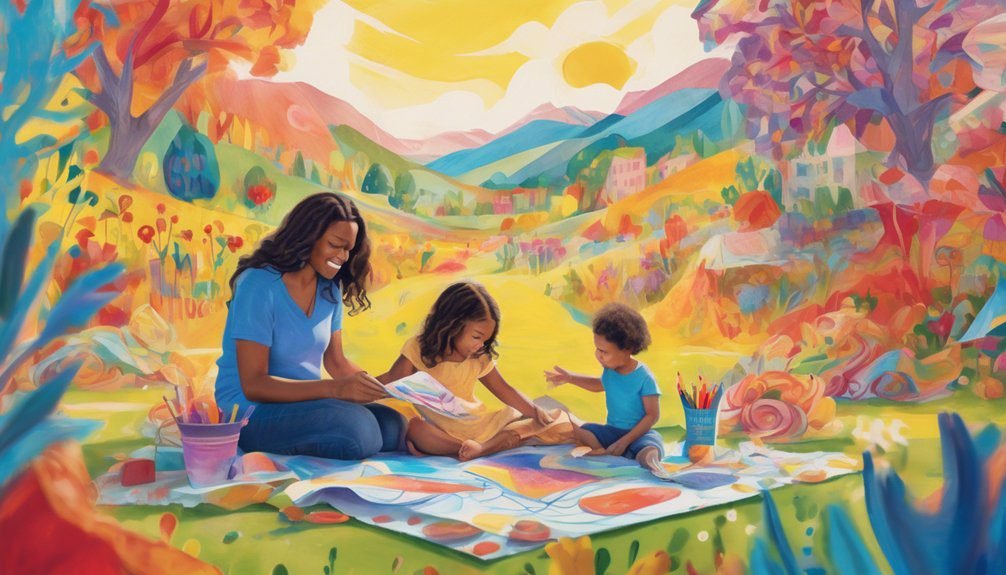
After spending quality time on themed coloring projects, it’s time to celebrate the wonderful creations you and your child have brought to life.
Preserving these artworks can create cherished keepsakes that last a lifetime. Here are some keepsake ideas to inspire you:
Cherish your child’s artistic creations by preserving them as lifelong keepsakes with these creative ideas.
- Frame your favorites for display in your home.
- Create a photo book featuring scanned or photographed artwork.
- Turn drawings into custom greeting cards or postcards.
- Use pieces as unique wrapping paper for gifts.
- Host a mini art show at home to showcase everything.
Frequently Asked Questions
What Age Is Appropriate for Introducing Coloring to Children?
You can introduce coloring around age two, a key toddler milestone. It fosters creativity, fine motor skills, and focus. Enjoy watching your child explore colors and shapes while reaping these wonderful cognitive and emotional benefits together.
How Can Coloring Help With Fine Motor Skills Development?
Coloring helps develop fine motor skills by encouraging precise movements, grip strength, and hand-eye coordination. You’ll notice your child mastering fine motor techniques, enhancing their dexterity and control while enjoying the creative coloring benefits together.
What Are Some Easy Cleanup Tips After Coloring Sessions?
To make cleanup easier, keep cleanup supplies like wet wipes and paper towels handy. For stubborn color stains, act quickly—dab, don’t rub, and use a stain remover suitable for your surfaces. You’ve got this!
Are There Any Safety Concerns With Coloring Materials?
When you dive into a colorful sea of creativity, remember to choose non-toxic materials. Chemical safety matters. Always check labels to ensure your supplies are safe, protecting both you and your little ones from potential harm.
How Can I Encourage My Child to Express Their Creativity?
Encourage your child’s creativity by offering creative prompts and imaginative themes. Ask open-ended questions, provide diverse materials, and celebrate their ideas. Your support fosters a safe space for self-expression, helping them thrive artistically.
Conclusion
Coloring together is like planting seeds in a garden of creativity and connection. As you cultivate this shared experience, you nurture not only your child’s artistic talents but also your bond. Each stroke of color tells a story, deepening your relationship and creating lasting memories. So, grab those crayons and let the colors flow—your time spent together will blossom into cherished moments that both you and your child will treasure for years to come.