
When you watch a child carefully color a picture, you might notice how their little fingers grip the crayon tightly. This simple act isn’t just about creativity; it plays a crucial role in developing fine motor skills. As they practice controlling their movements, they’re laying the groundwork for essential tasks later on. But how exactly does coloring contribute to their overall coordination and dexterity? Let’s explore the deeper connections involved.
Key Takeaways
- Coloring strengthens hand muscles by requiring gripping of crayons or markers, essential for fine motor skill development.
- Engaging in coloring activities improves hand-eye coordination, aiding in precision and control of hand movements.
- Practicing coloring within lines enhances grip strength, allowing for better control over coloring tools and movements.
- Using various coloring tools provides a workout for different muscle groups in the hands, promoting dexterity and coordination.
- The act of coloring boosts self-esteem as children master new challenges and develop independence through fine motor skills.
The Importance of Fine Motor Skills in Early Development
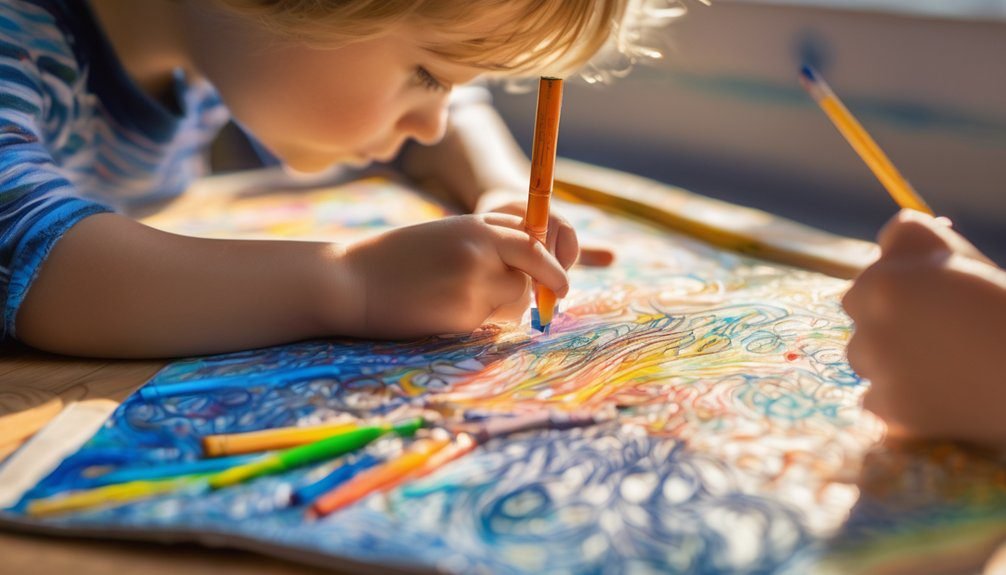
Fine motor skills are crucial in early development, as they lay the foundation for a child’s independence and confidence. These skills involve the use of small muscles in the hands and fingers, enabling kids to perform tasks like buttoning shirts, tying shoelaces, and using utensils.
When you encourage your child to engage in activities that enhance these skills, you’re helping them build coordination and control. This not only boosts their ability to carry out everyday tasks but also fosters self-esteem as they master new challenges.
As they progress, they’ll feel more capable, paving the way for future learning. Prioritizing fine motor skill development can set your child up for success in school and beyond.

How Coloring Engages Hand Muscles
Engaging in coloring activities offers a fun way to strengthen your child’s hand muscles. As they grip crayons or markers, they’re working those small muscles in their fingers and hands. This gripping action requires coordination and control, which is essential for developing fine motor skills.
When your child colors within the lines, they’re practicing precision and focus, further enhancing their dexterity. The varied pressure needed to create different shades teaches them how to adjust their grip, engaging different muscle groups.
Plus, switching between colors encourages them to move their hands in diverse ways, providing a comprehensive workout for their hand muscles. Overall, coloring isn’t just a creative outlet; it’s a practical way to promote physical development in young children.
The Connection Between Coloring and Coordination
While many parents may see coloring as just a fun activity, it actually plays a crucial role in enhancing your child’s coordination skills. When your child colors, they must control their hand movements to stay within the lines and create shapes. This practice requires eye-hand coordination, which is essential for many daily tasks.
As they choose colors and switch between crayons or markers, they’re improving their ability to coordinate their movements with their visual perception. You’ll notice that with time, your child’s precision and control will improve, making tasks like writing or tying shoelaces easier.
Encouraging regular coloring sessions can significantly boost their coordination, laying a strong foundation for more complex skills as they grow.
The Role of Grip Strength in Fine Motor Skills
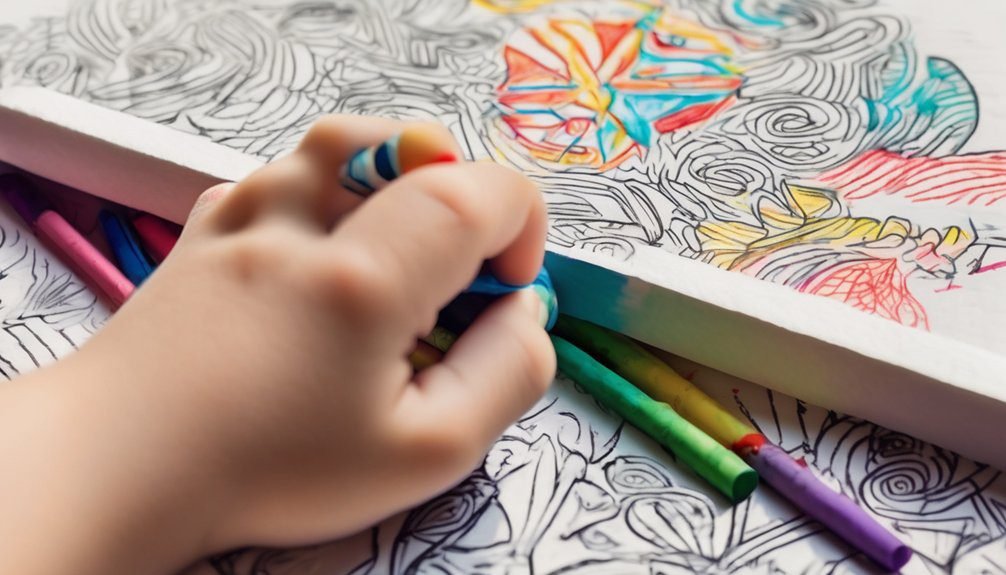
As your child colors, the strength of their grip plays a vital role in developing fine motor skills. A strong grip allows for better control of crayons or markers, leading to more precise movements. This not only enhances their coloring experience but also sets the foundation for writing and other tasks.
Here’s a quick overview of how grip strength impacts fine motor skills:
| Grip Strength Level | Effects on Fine Motor Skills | Examples of Activities |
|---|---|---|
| Weak | Limited control | Scribbling |
| Moderate | Better precision | Coloring within lines |
| Strong | Enhanced dexterity | Detailed drawings |
| Very Strong | Superior coordination | Writing and crafting |
| Optimal | Mastery of fine motor tasks | Complex art projects |
Activities to Enhance Coloring Benefits
Building on the importance of grip strength in fine motor skills, you can introduce various activities that enhance the benefits of coloring for your child.
Start with different coloring tools like thick crayons, markers, or colored pencils to improve their grip. Encourage them to color within shapes or follow dotted lines to promote control and precision.
Using various coloring tools helps enhance grip while improving control and precision through engaging activities like coloring within shapes.
You can also incorporate textured materials, like sandpaper or fabric, for added tactile experience. Try using stickers or stamps to create designs, which adds a fun element while exercising their fingers.
Lastly, set up themed coloring challenges, like racing against a timer or coloring with their non-dominant hand, to keep them engaged and motivated in developing their fine motor skills.
Incorporating Coloring Into Daily Routines
Integrating coloring into daily routines can be a fun and effective way to boost your child’s fine motor skills. Try setting aside specific times for coloring, such as during quiet afternoons or right after school. You could also incorporate coloring while waiting for appointments or during family gatherings.
Make it enjoyable by selecting coloring books featuring your child’s favorite characters or themes. Encourage creativity by providing various coloring tools, like crayons, colored pencils, and markers. Additionally, use coloring as a reward for completing chores or homework. This not only reinforces positive behavior but also makes coloring a cherished activity.
Frequently Asked Questions
What Age Should Children Start Coloring for Fine Motor Skill Development?
You can introduce coloring to children as early as 18 months. By then, they’ll enjoy scribbling, which lays the groundwork for fine motor skills. Encourage their creativity, and watch their skills develop naturally over time.
Can Coloring Help With Emotional Regulation in Children?
Studies show that 70% of children experience anxiety. Coloring can help you manage your child’s emotions by providing a calming outlet, allowing them to express feelings creatively, and fostering a sense of control and relaxation.
Are There Specific Coloring Tools That Enhance Fine Motor Skill Development?
Yes, using tools like chunky crayons, colored pencils, and markers can enhance fine motor skill development. Their varied grips and sizes encourage better control and coordination, making coloring a fun and effective way to practice these skills.
How Do Digital Coloring Apps Compare to Traditional Coloring for Skill Development?
Digital coloring apps often offer precision and variety, making intricate designs easier. However, traditional coloring promotes tactile feedback and grip strength. You’ll find each method enhances skills differently, so explore both for maximum benefit.
What Other Activities Can Complement Coloring for Fine Motor Skills?
You can complement coloring with activities like cutting shapes, threading beads, playing with clay, or building with blocks. These engaging tasks enhance hand-eye coordination and strengthen those important fine motor skills you’re working to develop.
Conclusion
Incorporating coloring into your child’s daily routine not only nurtures their creativity but also fortifies those essential fine motor skills. As they grip their favorite crayons, you might notice their confidence blooming, just as you did when you first learned to write. Coincidentally, those moments spent coloring together could spark conversations that enhance their communication skills, making it a delightful way to bond and promote development. So grab those crayons and let the colors unfold a world of growth!