
Did you know that coloring can actually shift your brain into a calmer state, similar to meditation? As you immerse yourself in this simple yet profound activity, you might find that your worries begin to fade, creating space for creativity and peace. It’s more than just a childhood pastime; it’s a powerful tool for managing anxiety. What if you could unlock this potential and transform your stress into something beautiful?
Key Takeaways
- Coloring activates brain areas that regulate emotions, helping to reduce anxiety and promote relaxation.
- Engaging in repetitive coloring motions fosters mindfulness, shifting focus away from stressors.
- Establishing a consistent coloring routine can cultivate a calming habit that enhances emotional resilience.
- Choosing the right materials and coloring books can inspire creativity and elevate the therapeutic experience.
- Participating in coloring communities fosters connections and support, enhancing the overall benefits of coloring therapy.
The Science Behind Coloring Therapy
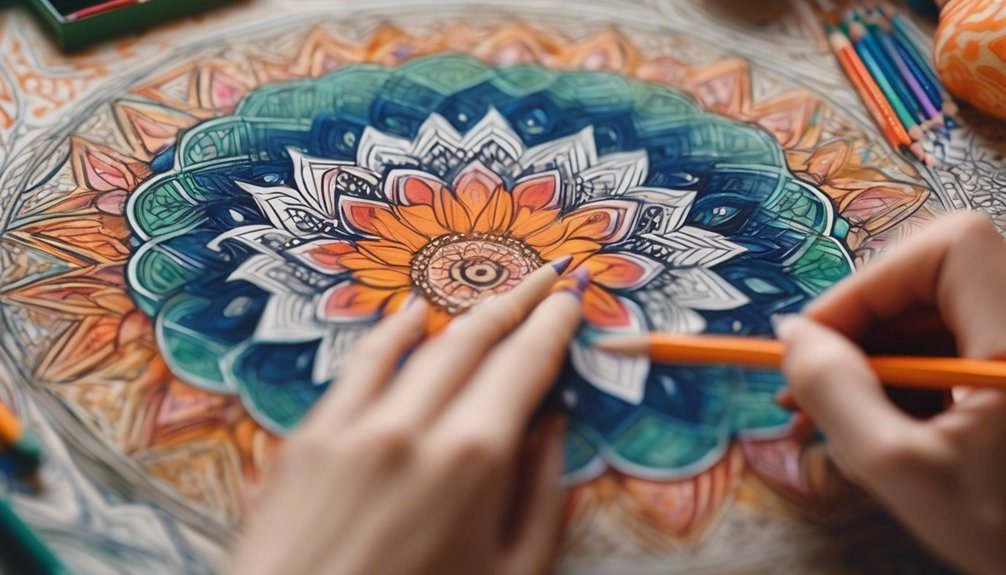
While you might think of coloring as a childhood pastime, research shows it can be a powerful tool for reducing anxiety. Neuroscience findings reveal that engaging in creative activities like coloring activates areas of your brain responsible for emotional regulation.
When you pick up those colored pencils, you’re not just filling in lines; you’re engaging in a therapeutic process that calms your mind. The repetitive motions and focus required help distract you from stressors, allowing your thoughts to settle.
As you immerse yourself in patterns and colors, you create a safe space where worries fade, and relaxation takes over. Embracing this simple yet effective practice can enhance your emotional resilience and foster a sense of well-being.
How Coloring Promotes Mindfulness
As you dive into the world of coloring, you’ll discover that it offers more than just a creative outlet; it’s a pathway to mindfulness. Each stroke of your colored pencil encourages a focus on the present moment, allowing your thoughts to quiet.
While you engage in this creative expression, you can practice mindful breathing, inhaling deeply as you select colors and exhaling slowly as you fill in shapes. This rhythm helps ground you, drawing your attention away from worries and into the vibrant hues before you.

The simple act of coloring invites you to embrace your feelings and thoughts without judgment, fostering a connection with yourself that’s both calming and liberating. In this space, mindfulness flourishes.
Benefits of Coloring for Anxiety Relief
Engaging in coloring not only nurtures mindfulness but also brings a host of benefits that can significantly alleviate anxiety.
By immersing yourself in various coloring methods, you create a safe space to express your feelings and thoughts. This simple act can shift your focus away from stressors, allowing your mind to relax and recharge.
Immersing in coloring creates a safe haven for self-expression, helping to redirect your focus and rejuvenate your mind.
The repetitive motion of coloring can be soothing, promoting a sense of calm and control. You’ll likely find that choosing colors and filling in designs offers a creative outlet, enhancing your mood.
These anxiety benefits can lead to improved mental clarity and a greater sense of well-being.
Choosing the Right Materials for Coloring
When you sit down to color, the right materials can make all the difference in your experience.
Think about what kind of paper feels best to you and which coloring tools spark your creativity.
Choosing supplies that resonate with you not only enhances your art but also deepens your relaxation and enjoyment.
Essential Coloring Supplies
Choosing the right coloring supplies can make all the difference in your therapeutic experience. Start with coloring books that resonate with you—whether it’s intricate mandalas or whimsical designs. These choices can inspire creativity and calm your mind.
Next, select your coloring tools. Colored pencils are great for precision and blending, while markers offer vibrant, bold colors that can energize your artwork. If you prefer a softer touch, gel pens can add a unique flair. Don’t hesitate to explore gel crayons or pastels, too!
Whatever you choose, ensure your supplies feel comfortable in your hands. The right materials can enhance your focus, making your coloring journey a soothing escape from anxiety. Enjoy the process and let your creativity flow!
Paper Types Explained
Selecting the right paper can significantly enhance your coloring experience. Different paper weights and texture variations cater to various coloring techniques, so you’ll want to choose wisely to find what suits you best.
| Paper Type | Weight (gsm) | Texture Variation |
|---|---|---|
| Standard Paper | 80-120 | Smooth |
| Mixed Media | 200-300 | Textured |
| Watercolor Paper | 300+ | Rough/Smooth |
Standard paper is budget-friendly but may buckle with heavy coloring. Mixed media offers more durability for various mediums, while watercolor paper supports wet techniques beautifully. By understanding these options, you can elevate your coloring journey and find joy in every stroke.
Techniques to Enhance Your Coloring Experience
To truly enhance your coloring experience, it’s important to consider not just the materials you use but also how you approach the process.
Integrating mindfulness into your coloring can transform it from a simple activity into a calming ritual, while your choice of colors can evoke powerful emotions.
Let’s explore these techniques together and discover how they can elevate your journey toward relaxation and creativity.
Choosing the Right Materials
While it might seem straightforward, picking the right materials for your coloring therapy can truly enhance your experience and deepen your sense of calm.
Start by exploring different coloring mediums—colored pencils, markers, or even watercolors. Each offers a unique experience, so choose what resonates with you. If you enjoy smooth, flowing colors, markers might be your go-to, while those who appreciate subtle shading may prefer colored pencils.
Don’t forget to consider your texture preferences; some people find joy in the grainy feel of textured paper, while others thrive on smooth surfaces.
Experimenting with various combinations can lead to delightful discoveries, making your coloring journey not just therapeutic, but also a personal expression of creativity and relaxation.
Enjoy the process!
Mindfulness Practice Integration
As you explore different materials for your coloring therapy, consider how mindfulness can elevate your experience to new heights.
Integrating mindfulness into your coloring not only enhances your creative expression but also brings significant mindfulness benefits. Here are three techniques to deepen your practice:
- Focus on Your Breath: Before you start, take a few moments to breathe deeply. This calms your mind, helping you stay present while coloring.
- Engage Your Senses: Notice the colors, textures, and even the sounds around you. This sensory awareness enriches your experience and grounds you in the moment.
- Set an Intention: Choose a positive affirmation or feeling to guide your session. This can transform your coloring into a profound act of self-care.
Embrace these techniques and watch your anxiety fade away.
Color Selection Psychology
Choosing the right colors can profoundly impact your emotional state and overall coloring experience. Think about color symbolism—each hue carries its own meaning. For instance, blue often evokes calmness, while yellow can inspire happiness.
When you select colors, pay attention to your emotional responses. Do certain shades bring back joyful memories or perhaps stir up feelings of nostalgia?
You might find it helpful to create a palette that resonates with how you’re feeling. If you’re seeking tranquility, lean towards softer, cooler tones. Conversely, choose vibrant colors when you want to energize your spirit.
Experimenting with different combinations can unlock creativity and provide a deeper sense of relief. Trust your instincts and let your emotions guide your palette for a truly fulfilling experience.
Integrating Coloring Into Your Daily Routine
Many people find that integrating coloring into their daily routine can be a soothing and effective way to alleviate anxiety.
To create a coloring schedule that promotes daily mindfulness, consider these simple tips:
- Set Aside Time: Dedicate 10-15 minutes each day, perhaps during your morning coffee or before bed, to immerse yourself in coloring.
- Create a Cozy Space: Designate a comfortable spot with good lighting. Surround yourself with your favorite coloring materials to make the experience inviting.
- Choose Mindful Themes: Select intricate designs or calming patterns that resonate with you, allowing your mind to focus solely on the colors and patterns.
Personal Stories: Transformative Experiences With Coloring Therapy
While you may think of coloring as a simple childhood pastime, countless individuals have discovered its profound ability to transform their mental well-being.
For many, joining the coloring community has been a lifeline. You’ll hear personal journeys of people who’ve faced anxiety and found solace in vibrant hues and intricate designs. One woman shared how coloring helped her regain focus during panic attacks, allowing her mind to quiet.
Another spoke of discovering a supportive circle through shared coloring sessions, where creativity flourished along with friendships. These stories remind us that, sometimes, a box of crayons can unlock healing, connection, and joy.
As you explore this colorful world, you might just find your own transformative experience waiting to unfold.
Frequently Asked Questions
Can Children Benefit From Coloring Therapy for Anxiety Relief?
Absolutely, children can benefit from coloring techniques. It not only fosters their creativity but also provides a calming outlet for anxiety. Engaging in this activity allows them to express emotions and find tranquility through art.
How Long Should I Color Each Day for Best Results?
Imagine a sanctuary where your worries fade away. For optimal duration, color daily for 20 to 30 minutes. Integrating this into your daily routine can transform moments of stress into peaceful reflections, nurturing your well-being.
Is There a Specific Coloring Book Recommended for Anxiety Relief?
There isn’t a one-size-fits-all coloring book, but choose ones with calming themes like nature or mandalas. Your favorite designs can enhance relaxation, so explore various options until you find what resonates with you.
Can Digital Coloring Apps Provide the Same Benefits as Traditional Coloring?
Can digital coloring apps really match traditional coloring’s calming effects? Absolutely! They offer unique digital benefits, allowing you to unleash your creative expression anytime. Embrace the flexibility and enjoy the soothing process, wherever you are.
Are There Any Age Restrictions for Using Coloring Therapy?
There aren’t strict age guidelines for coloring therapy; anyone can benefit. You’ll find various coloring techniques suitable for different ages, allowing everyone to express creativity and relax, no matter how young or old they are.
Conclusion
Incorporating coloring therapy into your routine can truly transform your approach to managing anxiety. Did you know that studies show just 20 minutes of coloring can significantly reduce stress levels? By allowing your mind to focus on the soothing rhythm of color and design, you create a sanctuary for emotional healing. So grab your favorite coloring tools and embrace this simple yet powerful practice. You deserve the calm and clarity that comes from nurturing your creativity.