
Have you ever considered how a simple act like coloring could transform your experience of grief? Engaging with colors and patterns can help you navigate complex emotions that words often fail to convey. It’s not just about creating art; it’s about finding solace in the process. As you explore this therapeutic practice, you might discover unexpected insights and connections. What might you uncover about yourself along the way?
Key Takeaways
- Coloring provides a safe outlet to explore and express difficult emotions related to grief.
- Engaging in coloring can serve as a meditative practice, promoting relaxation and reducing anxiety.
- Personalizing color choices allows individuals to connect their emotions to their artwork, aiding in the healing process.
- Different coloring materials and techniques can enhance emotional expression, making the experience more profound.
- Mindfulness during coloring helps ground individuals in the present, offering relief from overwhelming thoughts and feelings.
The Therapeutic Benefits of Coloring
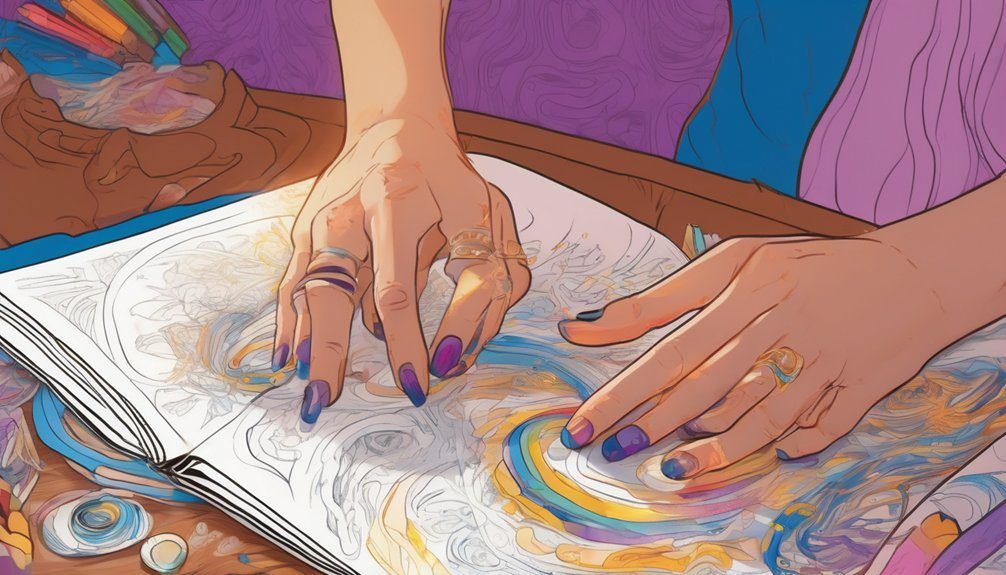
While you might think of coloring as a childhood pastime, it offers profound therapeutic benefits that can aid in processing grief. Engaging in this creative activity allows you to focus your mind and channel your emotions effectively.
As you fill in the colors, you gain a sense of control and calm, helping to reduce anxiety. The repetitive motion of coloring can serve as a form of meditation, allowing your thoughts to settle and providing a mental break from overwhelming feelings.
Additionally, choosing colors and creating patterns encourages self-expression, letting you communicate feelings that might be hard to articulate. By immersing yourself in this simple yet impactful activity, you’ll find an unexpected source of comfort during difficult times.
How Coloring Aids in Processing Grief
Coloring can be a powerful tool for processing grief, as it allows you to explore your emotions in a safe and structured way. When you pick up a coloring pencil, you create an opportunity to express feelings that might be hard to articulate. Each stroke becomes a release, helping you confront sadness, anger, or confusion without judgment.

The act of coloring engages your mind, drawing you into the present moment and providing a distraction from overwhelming thoughts. You can choose colors that resonate with your emotions, making the experience personal and meaningful.
As you fill in each space, you might find clarity in your feelings, gradually transforming your grief into something tangible, allowing you to heal and move forward.
Mindfulness and the Art of Coloring
Engaging in coloring not only helps you process grief but also invites mindfulness into your experience.
Coloring serves as a powerful tool for processing grief while nurturing mindfulness in your daily experience.
As you focus on each stroke, you become aware of the present moment, grounding yourself in the now. The vibrant colors and intricate patterns draw your attention, allowing your mind to quiet down.
You’ll find that this simple act can be meditative; it encourages you to breathe deeply and release tension. When you concentrate on choosing colors and filling shapes, you can let go of swirling thoughts and emotions.
This practice fosters an intimate connection between your feelings and the canvas, creating a safe space for self-reflection.
Embrace this mindful approach, and let coloring guide you through your journey of healing.
Choosing the Right Materials for Emotional Expression
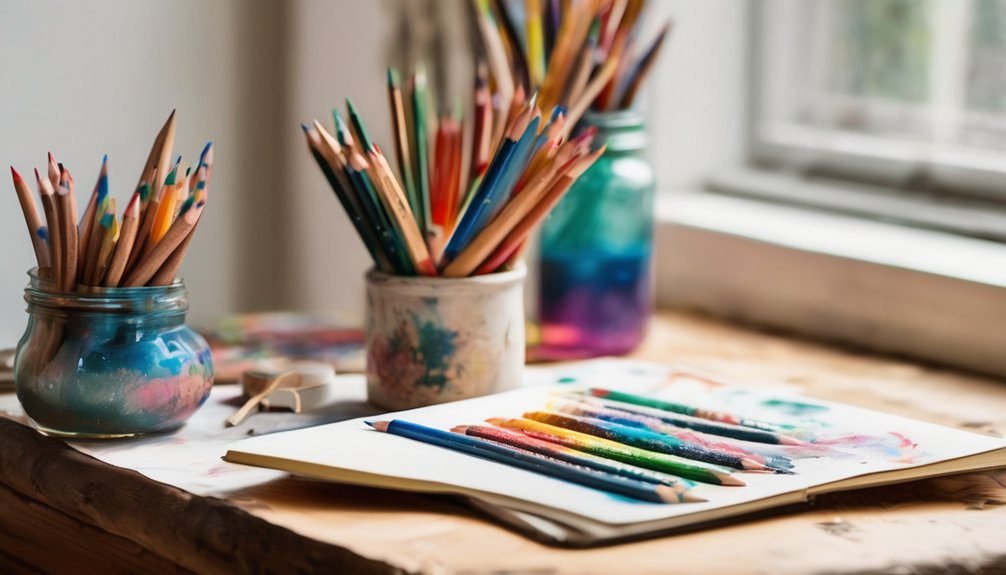
Selecting the right materials can significantly enhance your emotional expression during the coloring process. Start by choosing paper that feels good to you; thicker paper can handle various mediums without warping.
Next, consider your coloring tools—colored pencils, markers, or watercolors each offer different experiences. Pencils provide control, while markers can create vivid bursts of color.
Don’t forget about the importance of color selection; warmer colors might evoke passion or anger, while cooler tones can bring calmness. Experiment with different textures, too, like pastels or gel pens, to see what resonates with your emotions.
Ultimately, the materials you choose should empower you to express your feelings freely, making your coloring journey a personal and therapeutic exploration.
Techniques to Enhance Your Coloring Experience
While you immerse yourself in the coloring process, incorporating various techniques can elevate your experience and deepen your emotional connection to the artwork. Experimenting with different styles or tools can unlock new layers of expression. Try layering colors to create depth or using various strokes to reflect your mood.
Here’s a simple guide to enhance your coloring:
| Technique | Description | Emotional Impact |
|---|---|---|
| Color Layering | Apply multiple colors together | Adds complexity and warmth |
| Doodling | Include personal symbols | Personalizes your artwork |
| Textures | Use different tools for effects | Evokes unique feelings |
These techniques can help you explore your emotions and bring more meaning to your coloring journey.
Creating a Safe Space for Coloring
Creating a comfortable environment can significantly enhance your coloring experience. Choose a quiet spot where you feel at ease, free from distractions. Surround yourself with items that bring you comfort, like soft blankets, soothing scents, or your favorite music.
Ensure you have good lighting, so you can see your colors clearly without straining your eyes. Keep your coloring tools organized and easily accessible, allowing you to focus on your artwork rather than searching for supplies.
Consider incorporating elements that reflect your personality or emotions, creating a space that feels uniquely yours. Most importantly, give yourself permission to let go of expectations. Embrace the process, and let your creativity flow freely in this safe haven.
Sharing Your Artwork: Building Connections Through Creativity
As you share your artwork, you not only express your emotions but also open the door to connections with others who may resonate with your journey. Sharing allows you to create a community of support, where vulnerability meets understanding. You might find that your pieces spark conversations or inspire others to share their own stories.
| Your Artwork | Others’ Reactions |
|---|---|
| A depiction of loss | “I felt that too.” |
| Colors of joy | “This brightens my day!” |
| Abstract emotions | “I relate so much.” |
| Healing journeys | “You’ve inspired me.” |
Embracing this shared experience can foster healing, reminding you that you’re not alone in your emotions.
Long-Term Benefits of Incorporating Coloring Into Healing Practices
Healing through creativity brings a sense of peace and empowerment, making coloring a powerful tool in your healing journey. By incorporating coloring into your healing practices, you can experience several long-term benefits:
- Stress Reduction: Engaging in coloring can lower anxiety levels and promote relaxation.
- Emotional Expression: It allows you to express feelings you may struggle to articulate verbally.
- Mindfulness: Coloring encourages being present in the moment, enhancing your focus and awareness.
- Enhanced Creativity: Regular practice can stimulate your creative thinking, opening new avenues for self-discovery.
Incorporating these benefits into your routine can foster resilience and support your emotional healing over time.
Embrace the colors and let them guide you toward a brighter path.
Frequently Asked Questions
Can Coloring Help With Anxiety and Stress Management?
Yes, coloring can help with anxiety and stress management. It allows you to focus your mind, express creativity, and promote relaxation. You’ll find it a soothing activity that helps you unwind and regain control.
What Age Groups Can Benefit From Coloring for Emotional Healing?
All age groups can benefit from coloring for emotional healing. Whether you’re a child exploring feelings or an adult seeking calm, coloring provides a therapeutic outlet that fosters mindfulness and self-expression across all life stages.
How Often Should I Color to See Benefits?
Studies show that just 20 minutes of coloring can significantly reduce stress levels. You should aim to color several times a week; consistency will help you tap into its calming benefits and emotional release.
Are There Specific Colors Associated With Certain Emotions?
Yes, certain colors often evoke specific emotions. For instance, blue can bring calm, red may ignite passion, and yellow often sparks happiness. Experiment with different colors to see how they resonate with your feelings during coloring.
Can Digital Coloring Apps Provide the Same Benefits as Traditional Coloring?
Absolutely, digital coloring apps can offer similar benefits as traditional coloring. They let you express creativity and find calm, just like painting your own masterpiece—helping you navigate emotions and embrace moments of peace in your day.
Conclusion
Incorporating coloring into your healing journey can transform grief into a vibrant expression of emotions. For instance, imagine a woman named Sarah who, after losing her mother, found solace in coloring mandalas. Each stroke became a release, allowing her to process her feelings while creating beautiful art. As you embrace this creative outlet, you’ll discover the power of coloring in connecting with your emotions and fostering healing, one color at a time.