
Just like athletes warm up before a big game, artists can benefit from coloring warm-ups to enhance their practice. These exercises not only loosen your hand but also stimulate your creativity. By embracing various techniques and experimenting with colors, you can discover a deeper connection to your art. Curious about how these simple routines can transform your artistic journey? Let’s explore the essential components of effective coloring warm-ups.
Key Takeaways
- Engage in quick sketches to improve hand-eye coordination and loosen up before more detailed work.
- Experiment with color mixing to deepen understanding of color theory and enhance confidence in color choices.
- Incorporate texture exploration in warm-ups to familiarize yourself with different materials and techniques.
- Practice mindful doodling to stimulate creativity and free your mind for artistic expression.
- Use blending techniques like dry brushing and feathering to refine skills and create softer transitions in your artwork.
The Importance of Coloring Warm-Ups
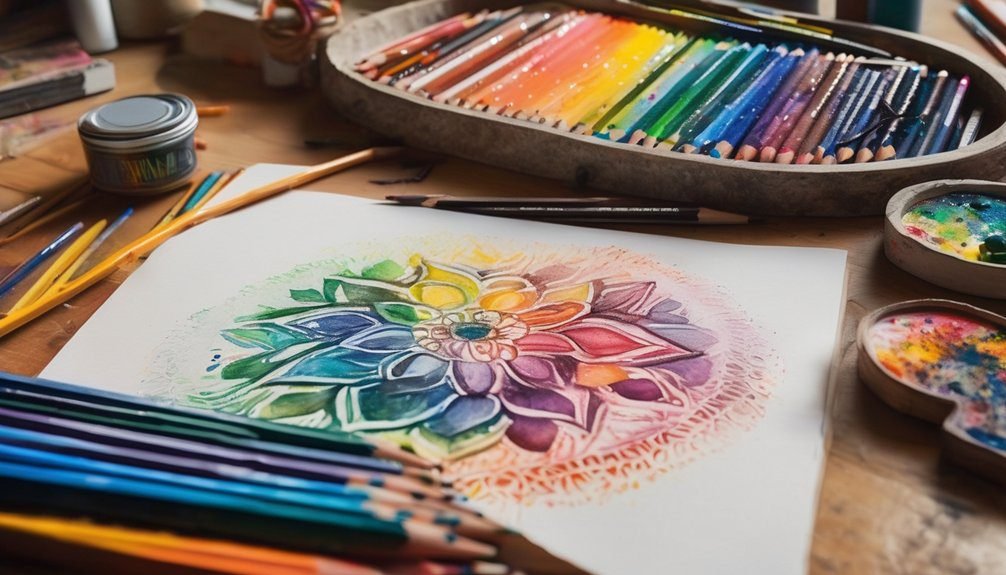
While you might think coloring warm-ups are just a fun way to start a class, they actually play a crucial role in developing your artistic skills.
These exercises help you loosen up, allowing your hand and mind to adapt to the creative process. By engaging in warm-ups, you enhance your dexterity, which is vital for executing more complex techniques later on.
You’ll also discover your personal style, as these sessions encourage experimentation with various colors and textures. Additionally, warm-ups can boost your confidence, helping you feel more prepared for the challenges ahead.
Basic Color Theory for Beginners
Understanding basic color theory is essential for any aspiring artist, as it forms the foundation of your creative palette.

You’ll want to familiarize yourself with the color wheel, which showcases primary, secondary, and tertiary colors. Primary colors—red, blue, and yellow—can’t be created by mixing others, while secondary colors are formed by blending two primary colors. Tertiary colors arise from mixing a primary with a secondary.
Additionally, grasp the concepts of warm and cool colors; warm colors evoke energy, while cool colors promote calmness.
Remember the importance of color harmony, as it enhances your artwork’s overall impact. By mastering these basics, you’ll gain confidence in your color choices and set the stage for further exploration in your artistic journey.
Blending Techniques to Explore
To create depth and dimension in your artwork, mastering blending techniques is crucial. One effective method is the dry brush technique, where you use a dry brush with minimal paint to create soft transitions.
Another approach is feathering, which involves light, quick strokes that gently overlap colors. You can also try the stippling technique, applying tiny dots to blend colors subtly.
For smoother blends, use a blending stump or your fingers to merge colors seamlessly. Don’t forget about layering; applying multiple thin layers allows for richer color depth.
Experiment with these techniques on practice sheets to see how they interact. Your blending skills will enhance your art, making it more engaging and visually appealing.
Emotional Impact of Colors
Colors can evoke powerful emotions, influencing how you and your audience feel about a piece of art. For instance, warm shades like red and orange can inspire passion and energy, while cool tones like blue and green often bring a sense of calm and tranquility.
When you choose colors, think about the mood you want to convey. A vibrant palette can energize viewers, while softer hues may create a more introspective atmosphere. Experiment with different combinations to see how they change the emotional tone of your work.
Quick Doodle Exercises
While you might think doodling is just a casual pastime, it can actually serve as a powerful tool for sparking creativity and warming up your artistic skills. Quick doodle exercises can help you loosen up, get your ideas flowing, and refine your techniques.
Here are three exercises to try:
- Continuous Line Drawing: Without lifting your pen, create a figure or object, letting your imagination guide you.
- Shape Combinations: Start with basic shapes—triangles, circles, and squares—and morph them into complex designs.
- Random Word Doodles: Pick a random word and illustrate it with a doodle that captures its essence, pushing your creativity to new heights.
These quick exercises will help you break through creative blocks and enhance your overall artistic expression.
Color Swatch Creation
Creating a color swatch is essential for any artist looking to develop a cohesive palette. By mixing various hues, you’ll discover the nuances that make your artwork unique.
Start by selecting a few primary colors, then experiment with blending them to create secondary and tertiary shades. Make sure to label each swatch with its corresponding color name or code for easy reference.
As you build your swatch book, try adding notes about the colors’ moods and how they interact with one another. This practice not only sharpens your color theory skills but also boosts your confidence when choosing colors for future projects.
Themed Color Palettes
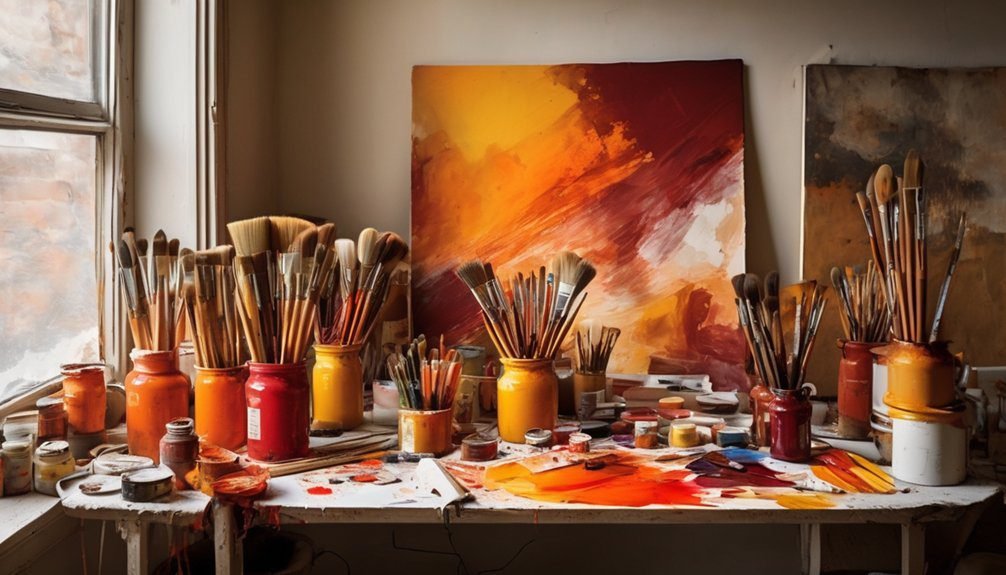
When you explore themed color palettes, you’ll find they can elevate your artwork by providing a unified visual experience.
Choosing a palette that resonates with a specific theme helps to convey mood and meaning effectively. Here are three examples to inspire you:
- Ocean Breeze: Soft blues and greens combined with sandy beige evoke the tranquility of a beach scene.
- Autumn Harvest: Warm oranges, deep reds, and golden yellows capture the essence of fall, bringing a cozy feel to your pieces.
- Vintage Romance: Muted pastels like dusty pinks, lavender, and pale mint create a nostalgic ambiance, perfect for dreamy illustrations.
Experimenting with these palettes won’t only strengthen your artistic voice but also enhance the emotional impact of your work.
Abstract Color Exploration
Exploring color in abstract art opens up a world of possibilities beyond traditional palettes. You can break free from realistic representations and dive into the emotional impact of color.
Start by selecting a few hues that resonate with you, then experiment with mixing them in unusual ways. Don’t be afraid to use bold contrasts or subtle gradients; both can convey powerful feelings.
As you paint, let your instincts guide you—allow colors to clash or harmonize organically. Remember, there’s no right or wrong in abstract exploration.
Focus on the journey rather than the destination, and let your creativity flow. By embracing spontaneity, you’ll discover unique combinations that reflect your personal vision and artistic voice.
Enjoy the process!
Collaborative Coloring Projects
Collaborative coloring projects can transform the way you engage with art and connect with others. These activities not only foster creativity but also create a sense of community among participants.
Imagine gathering with fellow artists to bring a large mural to life, your unique styles blending into a cohesive masterpiece.
Here are three ideas to spark your collaborative projects:
- Community Mural: Work together to design and color a vibrant mural, showcasing local culture and stories.
- Coloring Books: Create a shared coloring book where each artist contributes a page, offering their distinctive flair.
- Art Challenges: Set time-limited challenges where you and your peers color the same design in different styles, revealing diverse interpretations.
Dive into collaboration and watch your artistic bonds flourish!
Incorporating Warm-Ups Into Daily Practice
Incorporating warm-ups into your daily practice can significantly enhance your artistic skills and mindset. By dedicating just a few minutes each day to focused exercises, you’ll build confidence and develop your unique style. Here’s a simple warm-up routine to get you started:
| Time (min) | Activity | Purpose |
|---|---|---|
| 5 | Quick sketches | Improve hand-eye coordination |
| 5 | Color mixing | Enhance color theory understanding |
| 5 | Texture exploration | Experiment with materials |
| 5 | Mindful doodling | Stimulate creativity |
Try to stick to this routine consistently. You’ll notice improvements not just in your technique, but also in your overall artistic mindset. Embrace the process, and watch your skills flourish!
Frequently Asked Questions
What Materials Are Best for Coloring Warm-Ups?
You’ll find that colored pencils, markers, and watercolor paints work best for coloring warm-ups. Each medium offers unique textures and vibrancy, helping you explore your creativity and improve your skills effectively. Experiment and enjoy!
How Long Should Warm-Up Sessions Last?
Warm-up sessions should last about 10 to 15 minutes. Think of it as stretching before a run; a short time can significantly enhance your focus and creativity, setting the perfect tone for your artistic journey.
Can Warm-Ups Improve My Drawing Skills?
Yes, warm-ups can significantly improve your drawing skills. They help you loosen up, enhance coordination, and build muscle memory. Regular practice can lead to better control and creativity in your artwork, boosting your overall confidence.
Are There Any Specific Color Combinations to Avoid?
Sure, you can avoid combinations like green and red; they’re just perfect for making your art look like a holiday sweater disaster. Stick with complementary colors instead, and watch your work come alive beautifully!
How Can I Track My Progress With Warm-Ups?
You can track your progress by keeping a dedicated journal. Document each warm-up session, noting techniques, colors used, and your thoughts. Reviewing this over time will highlight improvements and areas needing more practice.
Conclusion
Incorporating coloring warm-ups into your routine is like planting seeds in a garden; with time and nurturing, your artistic skills will blossom. As you experiment with color and technique, you’ll uncover the vibrant hues of your unique style. Each warm-up is a brushstroke on the canvas of your journey, paving the way for creativity to flourish. Embrace these moments, and watch as your passion transforms into a masterpiece, reflecting the depth of your artistic soul.