
Imagine standing in front of a blank canvas, much like an artist poised before a fresh palette. Creating your own coloring designs can be a therapeutic escape, allowing you to express emotions and experiences in vibrant ways. As you explore tools and techniques, you might discover unexpected patterns within yourself. What if the process of crafting these designs leads you to insights you never anticipated? Let’s explore how you can transform your thoughts into beautiful, shareable art.
Key Takeaways
- Explore color theory to understand how different hues evoke emotions and enhance your designs.
- Choose the right tools, such as thick cardstock and markers, to elevate your coloring experience.
- Draw inspiration from nature, personal experiences, and cultural motifs to create unique patterns.
- Experiment with geometric shapes and symmetry to develop intricate and engaging designs.
- Share your work on social media and engage with your audience to build a supportive art community.
Understanding the Basics of Coloring Design

Coloring design is more than just filling in shapes; it’s a journey into creativity and relaxation. To truly embrace this experience, it’s essential to understand color theory and design principles.
Think about how colors interact; warm hues can evoke energy, while cool tones promote calmness. Experimenting with complementary colors can create striking contrasts that draw the eye.
Consider the dynamic relationship between warm and cool colors; each can transform your mood and enhance your artwork.
As you explore design principles, remember balance and harmony are crucial. Whether you’re arranging elements or selecting colors, aim for a pleasing composition that resonates with you.
This exploration isn’t just about aesthetics; it’s a way to express yourself and find joy in the process. So grab your colors, let your imagination soar, and enjoy every moment of this therapeutic adventure.
Tools and Materials for Creating Coloring Pages
Creating beautiful coloring pages starts with the right tools and materials at your fingertips. You’ll want to explore various paper options, like thick cardstock for a sturdy feel or textured papers that add depth to your designs.

If you’re leaning towards digital tools, software like Procreate or Adobe Illustrator can open up endless possibilities. These platforms allow you to experiment with colors and patterns without the mess of traditional materials.
Whichever route you choose, ensure your tools resonate with your creative spirit. Remember, the right combination can transform your artistic vision into a therapeutic escape, giving you the freedom to express yourself fully.
Embrace the process, and let your creativity flow!
Finding Inspiration for Your Designs
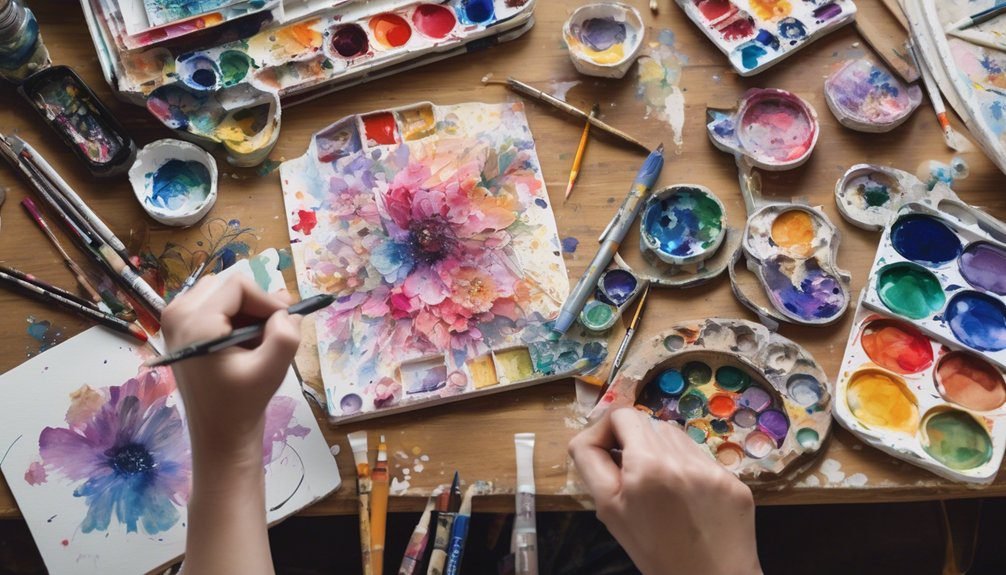
When you’re searching for inspiration, consider the world around you as a treasure trove of ideas waiting to be uncovered.
Draw from artistic influences and cultural motifs that resonate with you. Reflect on your personal experiences—what emotions do they evoke?
Use color psychology to explore how different hues can shape your designs. Nature elements, like flowers and landscapes, can ignite your creativity, while travel sketches can capture the essence of places you’ve visited.
Explore the power of color and nature to inspire your creative journey and enrich your designs.
Don’t overlook historical patterns or seasonal themes; they can add depth and context to your work.
Techniques for Drawing Unique Patterns
As you explore unique patterns, consider how geometric shapes can bring structure and harmony to your designs.
Nature-inspired motifs can also awaken your creativity, reminding you of the beauty around you.
Embrace the process, and let your imagination flow freely as you experiment with these techniques.
Geometric Shapes Exploration
While exploring geometric shapes, you’ll discover that each line and angle can unlock your creativity in unexpected ways. Embrace the journey of symmetry exploration, where balance and repetition create mesmerizing geometric patterns.
Start simple—draw circles, triangles, or squares, and then let your imagination guide you. Combine these shapes, play with scale, and experiment with angles to form intricate designs.
As you create, notice how the rhythm of your hand can bring a sense of peace and focus. Allow yourself to get lost in the process, using these patterns as a form of meditation. Each stroke can be a moment of mindfulness, helping you connect with your inner artist and express your unique vision.
Enjoy this therapeutic exploration!
Nature-Inspired Motifs
Nature offers an endless source of inspiration for creating unique patterns that resonate with our inner selves. You can start by sketching leafy landscapes, letting the curves of intricate vines guide your pencil.
Try incorporating floral patterns that evoke the beauty of blooming flowers, or add animal silhouettes to bring life to your designs. Seasonal motifs can reflect the changing world around you, while botanical illustrations invite serenity into your art.
Consider whimsical forests or underwater life to spark imagination, and don’t forget majestic mountain ranges for a touch of grandeur. By connecting with these elements, you’ll create therapeutic designs that not only soothe your mind but also express your creativity in a vibrant, meaningful way.
Incorporating Different Themes and Styles
When you dive into the world of coloring designs, you’ll discover that incorporating different themes and styles can transform your experience into something truly enriching.
Embracing theme integration allows you to explore various subjects, from whimsical fairytales to serene landscapes, giving your creativity the freedom to flourish.
Style fusion, on the other hand, invites you to blend techniques—think intricate mandalas mixed with bold graffiti.
This exploration not only enhances your designs but also deepens your connection to the process, making it more therapeutic.
As you experiment with diverse themes and styles, you’ll find that each stroke becomes a reflection of your emotions, allowing you to express yourself in unique and meaningful ways.
Digitizing Your Hand-Drawn Designs
Bringing your hand-drawn designs into the digital realm can be a thrilling experience that opens up a world of possibilities.
To start this transformation, follow these steps:
- Scan your images: Use a high-resolution scanner to capture every detail of your artwork.
- Edit the scanned images: Clean up any imperfections using photo editing software for a polished look.
- Vector conversion: Convert your images into vector graphics for scalability without losing quality. Programs like Adobe Illustrator can help with this.
- Save and organize: Store your designs in various formats, ensuring easy access and sharing.
Embrace this journey; it’s a wonderful way to breathe new life into your creativity and share your unique vision with others.
Testing Your Pages: Coloring Techniques
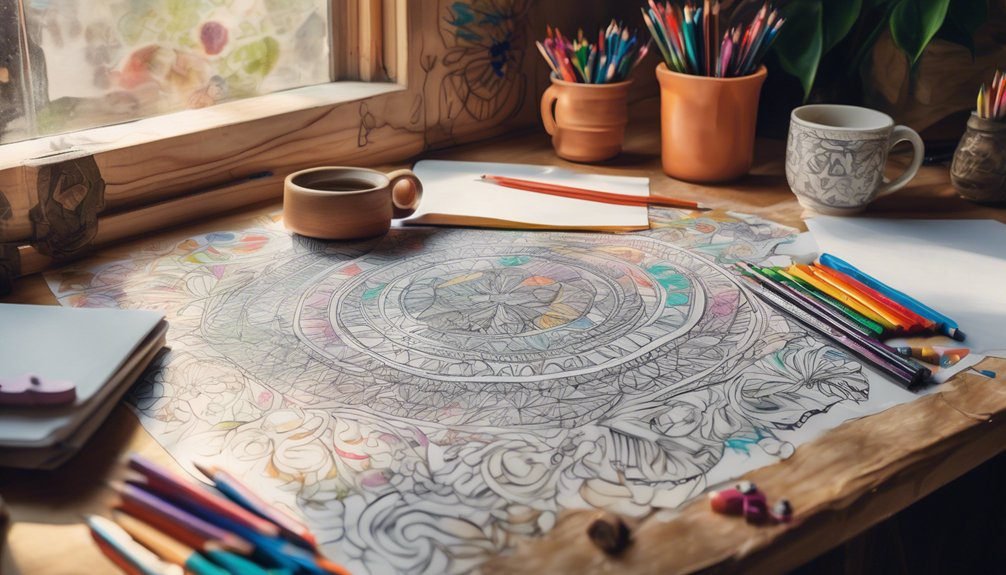
As you explore your coloring designs, don’t hesitate to experiment with different color palettes; it can be incredibly freeing.
Trying out various tools can also transform your experience, revealing new textures and effects that resonate with your emotions.
Experimenting With Color Palettes
How can you transform a simple design into a vibrant masterpiece? By experimenting with color palettes! Understanding color theory and creating color harmony can make all the difference in your artwork.
Here are four ways to explore your palette:
- Choose a Limited Palette: Select just three or four colors to create a cohesive look.
- Use Analogous Colors: Pick colors that sit next to each other on the color wheel for a soothing effect.
- Contrast for Impact: Incorporate complementary colors to make certain elements pop.
- Test Different Shades: Experiment with various shades and tints of your chosen colors to add depth.
Allow yourself to play and discover what resonates with you. Your creativity knows no bounds!
Exploring Different Tools
While you may have a favorite medium for coloring, exploring different tools can open up exciting new possibilities for your artwork. Whether you’re drawn to digital illustration or traditional sketching, trying new instruments can enhance your creative journey. Here’s a quick comparison to help you decide what to experiment with:
| Tool Type | Benefits | Best For |
|---|---|---|
| Colored Pencils | Precision and blending | Detailed designs |
| Markers | Bold colors and fast application | Large areas |
| Digital Software | Unlimited options and layers | Modern designs |
Embrace the therapeutic nature of this exploration; it’s not just about the outcome, but about the joy of discovering what resonates with you. Enjoy the process!
Sharing and Selling Your Coloring Pages
Many budding artists find joy in sharing their unique coloring pages with others. If you want to spread that joy further, consider these steps:
Sharing unique coloring pages can bring joy to both artists and their audience. Embrace the creative journey!
- Choose Your Platform: Use social media, Etsy, or your own website to showcase your work.
- Develop Marketing Strategies: Engage with your audience through regular posts, giveaways, or collaborations to create buzz.
- Select Pricing Models: Decide whether to offer free samples, sell individual pages, or bundle them for a better value.
- Gather Feedback: Encourage users to share their completed pages, which helps build community and trust.
Building a Portfolio of Your Creations

As you embark on your journey to build a portfolio of your coloring designs, remember that this collection isn’t just a showcase of your art; it’s a reflection of your unique creative voice.
Focus on creating a compelling portfolio presentation that highlights your best work and illustrates your growth as an artist. Curate pieces that resonate with you and potential clients, ensuring they align with your branding strategies.
Consider how colors, themes, and styles represent your artistic identity. Regularly update your portfolio to keep it fresh and relevant. This process can be therapeutic, revealing your artistic evolution and passion.
Ultimately, your portfolio will serve as a bridge connecting you to others who appreciate and seek your distinctive creativity.
Frequently Asked Questions
How Do I Choose Colors for My Designs?
Choose colors by exploring color theory and creating harmonious color palettes. Trust your instincts; let emotions guide you. Experiment with combinations that resonate with you, and don’t be afraid to step outside traditional boundaries for unique results.
Can I Use Coloring Designs for Commercial Purposes?
Yes, you can use coloring designs for commercial purposes, but you’ll need to ensure you have proper commercial licensing. Always check design ownership to avoid legal issues and protect your creative investments.
What Is the Best Paper for Printing Coloring Pages?
You’ll love using smooth, heavyweight paper for printing; it enhances colors beautifully. Try different paper types, like cardstock or watercolor paper, and explore various printing techniques. Your designs will come to life in vibrant detail!
How Can I Avoid Copyright Issues With My Designs?
To avoid copyright issues, focus on originality guidelines. Use your unique perspective for design inspiration, ensuring your creations reflect your personal style. This not only protects you, but also enhances your artistic journey.
What Software Is Best for Editing Digital Coloring Pages?
For editing digital coloring pages, consider vector editing software like Adobe Illustrator or Inkscape. Each offers unique features—explore software comparisons to find what resonates with your creative flow and enhances your artistic journey.
Conclusion
As you create your own coloring designs, remember that this journey is deeply personal and therapeutic. Just like Sarah, who found solace in designing intricate mandalas after a challenging time, you too can channel your emotions into art. Embrace the process, experiment with different styles, and don’t hesitate to share your work with others. Each stroke of your pen can bring joy, not just to you, but to those who color your creations. Let your art inspire connection and healing.