
Creating DIY coloring pages at home can be a rewarding way to express your creativity. You can start by gathering materials and choosing a theme that resonates with you. From there, sketching your designs allows for personal touch and uniqueness. Once you’ve crafted your pages, you might wonder how to best share your artwork or explore different coloring techniques. Let’s explore the steps to enhance your coloring experience.
Key Takeaways
- Gather materials like plain paper, colored pencils, and a comfortable workspace to create your coloring pages at home.
- Sketch original designs or use printable templates from online resources for unique coloring pages.
- Digitize your sketches by scanning them, and refine the images using software before printing.
- Experiment with various coloring techniques to enhance your artwork’s depth and vibrancy.
- Join online communities to share your creations, gain inspiration, and discover new coloring trends.
Gathering Your Materials
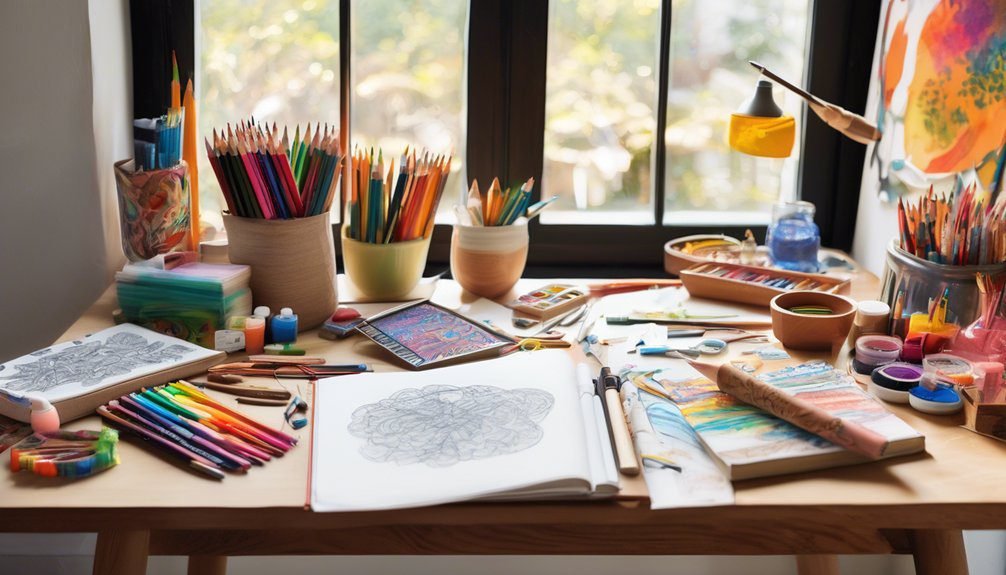
Before diving into your DIY coloring pages, you’ll want to gather your materials to ensure a smooth and enjoyable experience.
Start by selecting the right material types for your pages. You can use plain paper, cardstock, or even watercolor paper, depending on your coloring tools.
Choosing the right paper—plain, cardstock, or watercolor—can elevate your coloring experience.
Next, gather your essential tools: colored pencils, markers, or crayons. Each tool has its unique effect, so choose what suits your style best. A ruler, eraser, and sharpener can also come in handy to keep your workspace tidy.
Don’t forget a comfortable surface to work on, like a table or desk. Having everything prepared won’t only save time but also enhance your creativity as you immerse yourself in the coloring process.
Choosing a Theme for Your Coloring Pages
Now that you’ve gathered your materials, it’s time to think about what theme will inspire your coloring pages. Consider nature themes, like flowers or landscapes, which can evoke serenity.

If you’re feeling adventurous, dive into fantasy motifs featuring dragons or fairies. Seasonal designs are another option, bringing to life spring blooms or autumn leaves.
Geometric shapes can add a modern twist, while animal illustrations can appeal to wildlife lovers. Abstract patterns offer room for creativity, allowing you to explore colors freely.
You might also incorporate cultural symbols to celebrate heritage, or whimsical characters that spark joy.
Whatever you choose, ensure it resonates with you to make the coloring experience enjoyable and fulfilling.
Sketching Out Your Designs
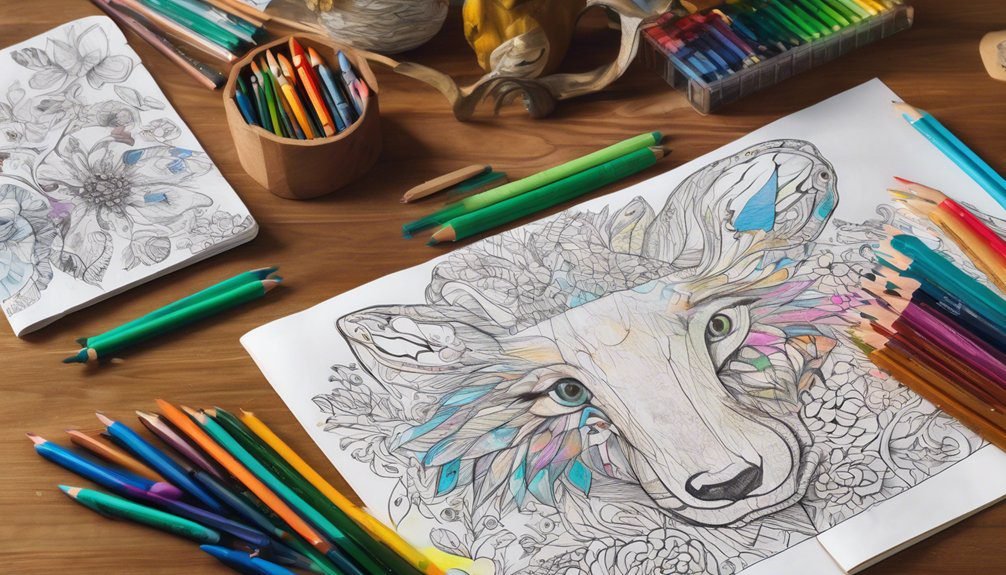
Sketching your designs is where the magic begins. With each stroke, you breathe life into your ideas.
To make your coloring pages truly captivating, consider these sketching techniques and gather some design inspiration:
- Use flowing lines to create movement.
- Experiment with shapes to evoke emotion.
- Incorporate nature elements for a calming effect.
- Play with patterns to spark interest.
- Mix styles for a unique touch.
Allow your creativity to flow as you explore different styles and themes.
Don’t worry about perfection; focus on expressing your vision. Remember, this is your artistic journey! Embrace the process and let each sketch bring you one step closer to a delightful coloring masterpiece.
Get ready to unleash your imagination!
Digitizing Your Artwork
Once you’ve completed your sketches, it’s time to bring them into the digital realm. Start by scanning your artwork at a high resolution to capture all the fine details.
Choose a scanner that suits your needs, whether it’s a flatbed or a handheld model. After scanning, save your images in a format like PNG or JPEG for easy access.
Select a suitable scanner, be it flatbed or handheld, and save your images in PNG or JPEG format for convenience.
Next, use software like Adobe Illustrator or Inkscape to refine your designs. These programs let you adjust brightness and contrast, ensuring your lines stand out.
You can also convert your images into vector format for easy resizing without losing quality. With your artwork digitized, you’re one step closer to creating beautiful, printable coloring pages!
Adding Details and Patterns
As you refine your coloring pages, adding details and patterns can elevate your designs and make them more engaging. Consider these techniques to enhance your artwork:
- Adding intricate details to create depth and interest.
- Incorporating geometric patterns for a modern touch.
- Using repetitive motifs to establish balance and harmony.
- Adding textures that invite the user to explore each section.
- Mixing organic shapes with structured designs to create contrast.
These elements not only make your coloring pages visually appealing but also invite creativity.
By thoughtfully integrating these features, you’ll transform your simple designs into captivating masterpieces that inspire relaxation and enjoyment.
Dive into the world of details, and watch your artwork come to life!
Printing Your Coloring Pages
When you’re ready to bring your coloring pages to life, printing them correctly is crucial for the best results.
Start by choosing the right coloring paper; thicker paper works best to prevent bleed-through from markers or heavy inks.
Next, adjust your printer settings to ensure optimal quality. Select the highest resolution available and choose the “best” or “photo” print mode for vibrant colors and sharp lines.
If your design includes intricate details, consider using a draft setting to save ink while still achieving a pleasing output.
Finally, do a test print on regular paper to check alignment before using your chosen coloring paper.
Following these steps will help you create stunning coloring pages you’ll enjoy for hours!
Tips for Coloring Techniques
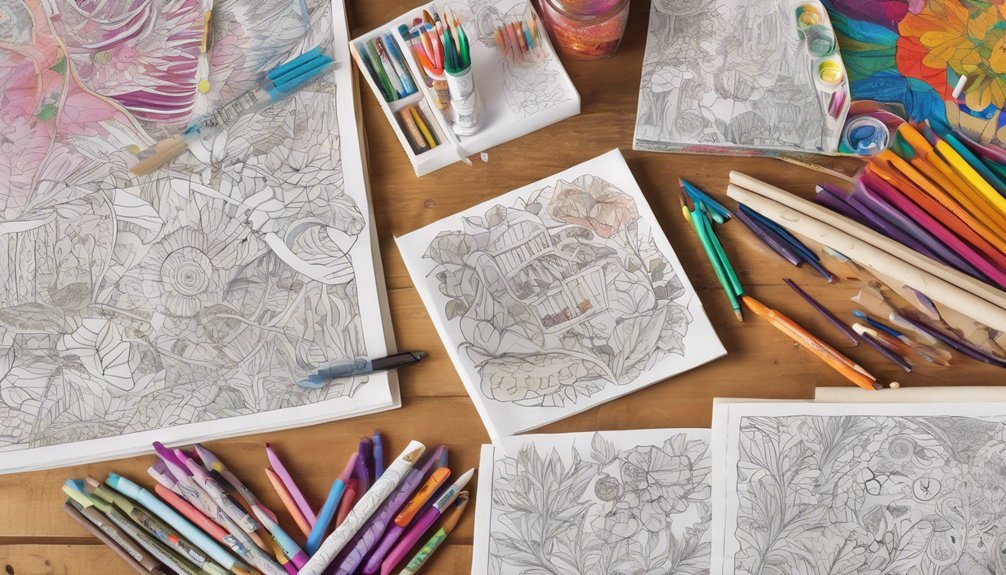
When coloring, blending colors can elevate your artwork to the next level, creating depth and vibrancy.
Don’t hesitate to experiment with patterns and textures; they can add unique flair to your pages.
Let’s explore some techniques that will make your coloring experience more enjoyable and visually stunning.
Blending Colors Effectively
To achieve stunning results in your coloring pages, mastering the art of blending colors is essential.
By understanding color theory and employing effective shading techniques, you can elevate your artwork to new heights. Here are some tips to blend colors effectively:
- Start with lighter colors and gradually add darker shades.
- Use a blending tool or your finger for a smooth transition.
- Experiment with different color combinations for unique effects.
- Keep your strokes consistent to maintain a cohesive look.
- Practice regularly to build your confidence and skill.
Exploring Patterns and Textures
While you explore patterns and textures in your coloring pages, you’ll discover how these elements can add depth and interest to your artwork. Experimenting with geometric shapes and organic patterns can elevate your coloring game. Here are some techniques to try:
| Pattern Type | Technique |
|---|---|
| Geometric Shapes | Use straight lines and sharp angles for a structured look. |
| Organic Patterns | Blend soft curves and flowing lines for a natural feel. |
| Textured Backgrounds | Layer colors to create depth and dimension. |
| Highlighting | Use lighter shades to emphasize certain areas. |
Sharing Your Creations
Sharing your creations can be one of the most rewarding aspects of DIY coloring pages. When you showcase your artwork, it not only inspires others but also builds a community of creativity.
Sharing your DIY coloring creations not only inspires others but also fosters a vibrant community of creativity.
Here are some effective sharing techniques to consider:
- Post on social media platforms to reach a wider audience.
- Create a dedicated blog or website to document your coloring journey.
- Join online forums or groups where fellow enthusiasts share their work.
- Host a local art event or workshop to connect with like-minded individuals.
- Exchange creations with friends or family for personal feedback.
Exploring Coloring for Relaxation
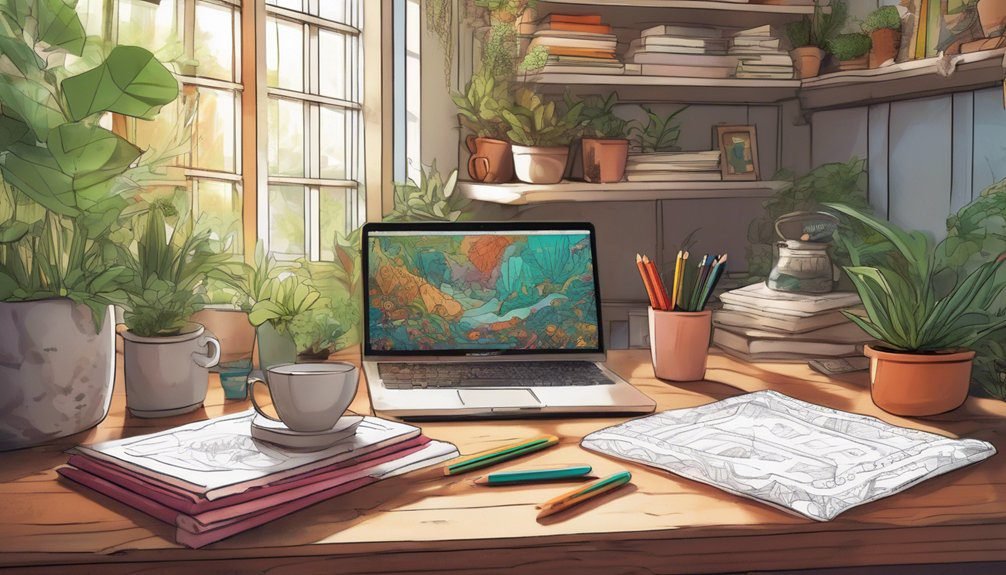
Coloring can be a delightful way to unwind after a long day, as it allows you to focus on the present moment and tap into your creative side. Engaging in this simple activity offers significant meditative benefits, promoting mindfulness and stress relief. When you immerse yourself in coloring, you’ll notice how quickly worries fade away, leaving you feeling refreshed.
Here’s a quick comparison of coloring’s effects:
| Activity | Effect |
|---|---|
| Coloring | Meditative benefits |
| Exercise | Physical wellness |
| Reading | Mental escape |
| Meditation | Deep relaxation |
| Socializing | Emotional support |
Frequently Asked Questions
Can I Use Digital Tools for Creating Coloring Pages?
Yes, you can definitely use digital tools for creating coloring pages! Explore various software options like Adobe Illustrator or Procreate to craft stunning digital illustrations that spark creativity and engage users of all ages.
What Types of Paper Are Best for Printing Coloring Pages?
For the best print quality, use heavy cardstock or bright white printer paper. These paper types hold ink well, preventing bleed-through and ensuring your coloring pages look vibrant and crisp, enhancing your overall coloring experience.
Are There Any Copyright Issues With Using Images From the Internet?
Yes, there can be copyright issues with using images from the internet. Always check image sourcing and copyright laws; otherwise, you might end up in a legal pickle as messy as a toddler’s art project!
How Do I Store My Coloring Pages After Printing?
You can store your coloring pages in a binder or folder for easy access and organization. Consider using labeled dividers for different themes, ensuring your coloring page organization stays tidy and your storage solutions remain effective.
Can I Create Coloring Pages for Commercial Use?
Yes, you can create coloring pages for commercial use, but you need to secure commercial licensing for any coloring page templates you use. Always check copyright restrictions to ensure compliance before selling your creations.
Conclusion
Creating DIY coloring pages at home is like planting seeds of creativity; with a little effort, they can blossom into beautiful works of art. By gathering your materials, choosing a theme, and sketching out designs, you set the stage for a rewarding experience. Don’t forget to share your creations and connect with others for inspiration. Remember, each stroke of color is a step toward relaxation and self-expression, making your coloring journey both enjoyable and fulfilling.