
If you’re looking for a simple way to help preschoolers learn letters, you can use alphabet coloring books to make each page meaningful. You’ll find that a letter, a picture, and a crayon can work together to build early skills in a calm, playful way. The right book can do more than keep little hands busy, and what it supports next may surprise you.
Key Takeaways
- Alphabet coloring books teach preschoolers letter recognition by pairing each letter with a simple, familiar picture.
- Coloring activities build fine motor skills, hand-eye coordination, and early writing readiness.
- They support language growth through letter sounds, naming objects, and repetition.
- Clear, sturdy pages with large letters and simple images work best for preschoolers.
- Short, playful sessions with chunky crayons help keep children engaged and focused.
What Are Alphabet Coloring Books?
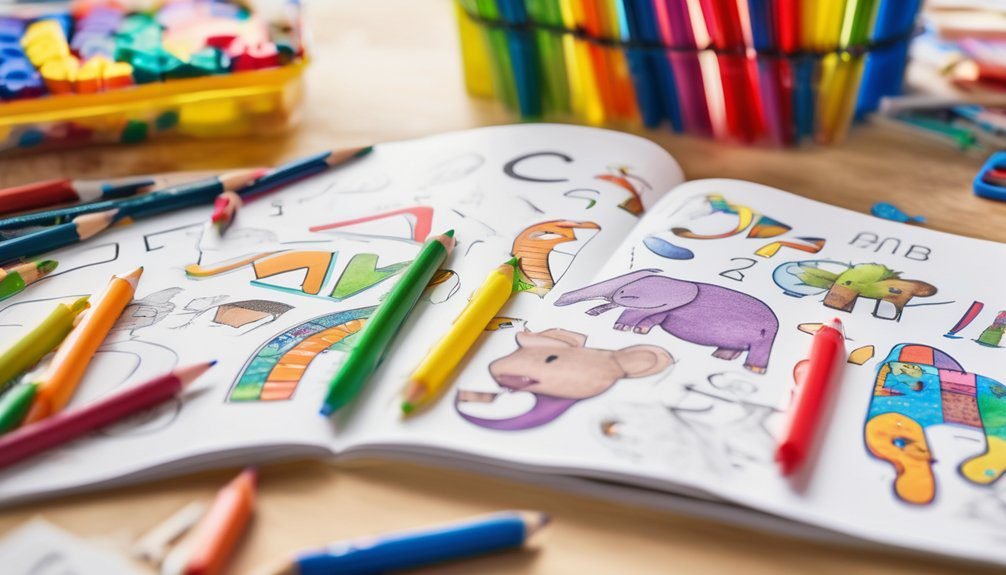
Alphabet coloring books are simple learning books that let your child color pictures of letters while practicing the ABCs. You’ll find one page for each letter, often paired with a matching image, like A for apple or B for bear.
These books turn early practice into interactive learning, giving you an easy way to sit close, talk about sounds, and guide little hands. Your child can trace, color, and name each letter while building familiarity with shapes and order.
They also invite creative expression, so your preschooler can choose colors and make each page feel personal. With clear designs and gentle repetition, you help your child explore letters in a warm, playful way that feels comforting and fun.
Why Preschoolers Learn Through Coloring
Preschoolers learn best through coloring because it keeps their hands busy, their minds focused, and their attention on one simple task at a time. You help your child enjoy coloring benefits that support cognitive development while they explore shapes and letters at an easy pace.

As they choose crayons, they practice motor skills, and each stroke encourages creativity enhancement. Coloring also gives your child a gentle way to show feelings, making emotional expression feel safe and natural.
You’ll notice focus improvement as they stay with the page longer, and color recognition grows when they name bright reds, blues, and yellows. Through visual learning, your preschooler connects what they see with what they remember, building a warm, playful learning moment you can share together.
Skills Alphabet Coloring Books Build
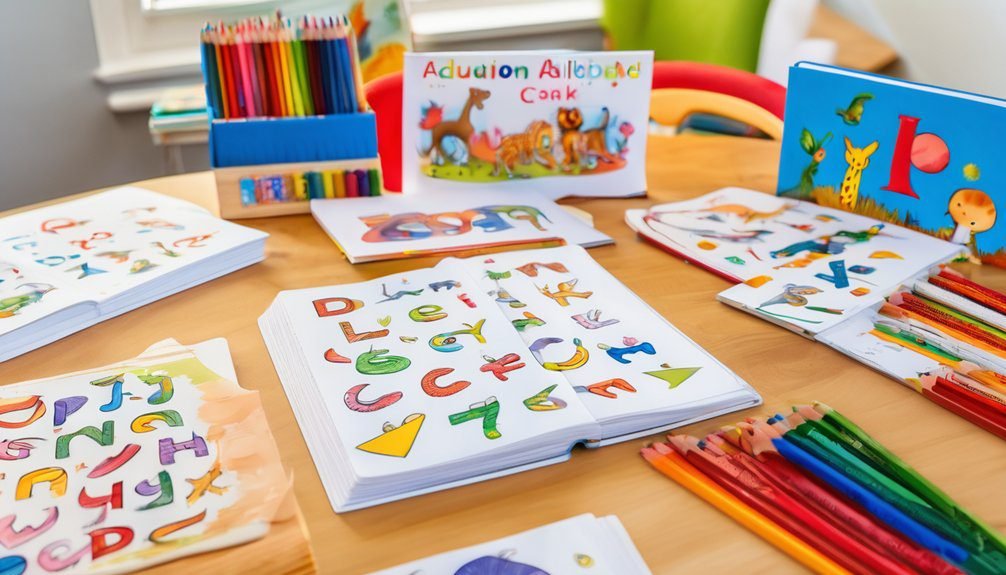
With every page, these coloring books help your child build early literacy skills by recognizing letters, matching them to sounds, and tracing simple shapes. You’ll notice letter recognition growing as your little one names each page and repeats familiar sounds with you. Coloring inside bold lines also strengthens fine motor skills, giving tiny hands better control and confidence.
| Skill | What Your Child Practices |
|---|---|
| Letter recognition | Spotting and naming letters |
| Fine motor skills | Holding crayons and guiding strokes |
| Language growth | Saying sounds and simple words |
As your child colors, you’re nurturing attention, hand-eye coordination, and early writing readiness. These gentle activities feel playful, yet they quietly build the foundation your preschooler needs for future learning.
How to Choose the Right Alphabet Book
As your child grows more confident with letters and sounds, the next step is finding an alphabet coloring book that fits their stage and interests. You can choose gently, knowing the right match keeps learning warm and inviting.
- Pick sturdy book formats that open flat and let little hands color without frustration.
- Look for clear letters, simple pictures, and age-appropriate tracing that supports early grip control.
- Notice color schemes that feel calm and cheerful, so your child stays focused and eager to finish each page.
You’ll also want pages with enough space for crayons or markers. A well-chosen book turns practice into closeness, letting you sit beside your child, celebrate each letter, and make every page feel like a small shared victory.
Popular Alphabet Coloring Book Themes
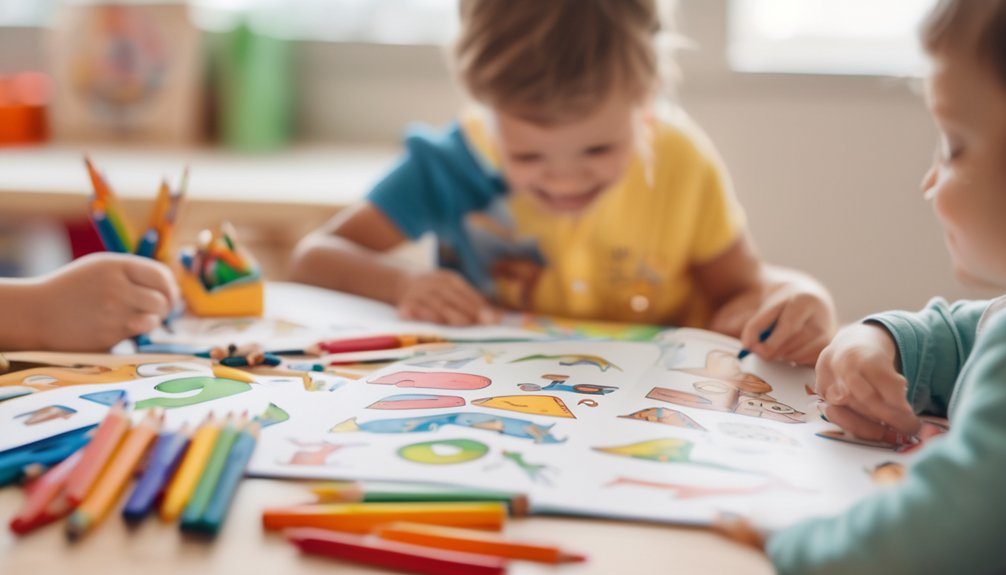
A few alphabet coloring book themes stand out right away because they connect letters to things preschoolers already love. You’ll notice animal characters, seasonal themes, and stories that feel warm and familiar. These pages often weave in cultural diversity, so your child sees many faces, foods, and traditions. Interactive elements like lift-the-flap art or dot paths can turn coloring into little educational games. Storytelling integration helps each letter feel alive, while simple art techniques invite crayon control and tracing practice. Character development appears too, as favorite friends return across pages.
| Theme | Letter Link | Child Appeal |
|---|---|---|
| Animals | A for alligator | Snuggly fun |
| Seasons | S for snow | Cozy scenes |
| Stories | B for bear | Gentle plot |
| Culture | M for mooncake | Fresh images |
| Games | T for tracing | Active learning |
You’ll keep your preschooler curious and smiling.
How to Use Alphabet Coloring Books
Once you’ve found a theme your preschooler loves, you can use alphabet coloring books in simple, playful ways that build early learning. Sit close, name each letter, and let your child repeat it while coloring. You can point to the picture, say the sound, and gently connect it to the letter shape.
Keep coloring techniques easy: crayons, markers, or pencils work well, and big strokes help tiny hands. Try these simple steps:
- Trace the letter together before coloring.
- Ask your child to find the matching sound.
- Praise effort to support letter recognition.
You’ll help your preschooler feel capable, connected, and proud. Short, warm sessions work best, especially when you stay patient and follow your child’s pace.
Alphabet Coloring Activities for Home and Class
Try a few simple alphabet coloring activities to keep learning playful at home or in class. You can invite your child to trace, color, and name each letter while you chat about sounds and words.
Use interactive activities like matching letters to objects, or let them fill themed designs with bright crayons for creative expression. In class, set out group projects where children color one large alphabet poster together, building social skills and fine motor control.
Add sensory play by offering textured paper or chunky tools. Turn pages into educational games by asking which letter begins a favorite animal or snack.
With story integration, you can read a short book, then color the matching letter and picture. These moments feel warm, hands-on, and happily personal.
Tips to Keep Preschoolers Engaged
To keep preschoolers engaged, switch between short, playful activities so they stay curious and successful. You can sit beside them, name each letter, and cheer every try.
Try these simple ideas:
- Offer chunky crayons and model easy coloring techniques, like gentle circles and neat strokes.
- Add interactive elements, such as tracing dotted letters, pointing to pictures, or matching sounds to colors.
- Let your child choose a favorite letter, then praise effort before perfection.
You’ll help little learners focus when you keep directions brief, routines predictable, and choices small.
If attention fades, pause for a stretch or a silly song, then return with a fresh page. Your calm encouragement makes coloring feel safe, fun, and personal.
Where to Find Alphabet Coloring Books
Where can you find alphabet coloring books for your preschooler? You can start with online retailers, where you’ll see many bright options and easy reviews.
Local bookstores often carry sturdy books your child can flip through right away. If you want something quick, printable resources from educational websites let you download pages at home.
These sites also offer simple letter activities that match early learning. Community libraries can be a lovely place to borrow books and discover new favorites together.
You might even try DIY projects, making your own alphabet pages with your child’s drawings, names, and favorite animals.
When you choose from these places, you give your preschooler fun ways to practice letters, colors, and fine motor skills while enjoying time with you.
Frequently Asked Questions
What Age Is Best to Start Alphabet Coloring Books?
You can start alphabet coloring books around age 2 to 3, when you’re building alphabet recognition and fine motor skills. You’ll make learning playful, and your child can enjoy simple letters, shapes, and colors.
Are Alphabet Coloring Books Suitable for Children With Special Needs?
Yes, you can use alphabet coloring books with special needs children, especially with adaptive tools. You’ll support learning, offer sensory benefits, and make each page engaging, gentle, and age-appropriate for their developmental needs.
Can Alphabet Coloring Books Improve Handwriting Readiness?
Yes, they can. When you notice your child gripping crayons just right, you’ll see handwriting readiness bloom by coincidence. Coloring alphabet pages builds fine motor skills, supports handwriting development, and makes practice feel warm, playful, and close.
How Often Should Preschoolers Use Alphabet Coloring Books?
You should let them use alphabet coloring books 2-3 times a week for short sessions. Your parent involvement helps keep it fun, and creative expression blooms when they color, trace, and explore letters happily together.
Do Alphabet Coloring Books Work Better With Crayons or Markers?
Crayons usually work better; their crayon benefits include better grip and less mess, while marker advantages offer brighter color and smoother lines. You’ll help your child build fine-motor skills without turning the table into a rainbow storm.
Conclusion
You’ve seen how educational alphabet coloring books can gently guide your preschooler toward letter recognition, sound play, and fine motor growth. By choosing a book that feels just right, you’re giving little hands and curious minds a calm, creative way to learn. As you color together, you’re not just filling pages—you’re nurturing focus, confidence, and warm connection. In these small, cheerful moments, learning doesn’t hurry; it simply blossoms, one letter at a time.