
Imagine a classroom where kids eagerly color in letters while associating them with fun animal images. This simple yet impactful activity not only makes learning enjoyable but also helps build essential skills. By engaging in educational alphabet coloring games, children can enhance their recognition of letters and sounds. But how can you effectively implement these games to maximize their benefits? Let’s explore some creative strategies and resources that can elevate this learning experience.
Key Takeaways
- Incorporate alphabet coloring pages featuring images that correspond to each letter to enhance visual recognition and engagement.
- Utilize phonics by encouraging children to say each letter’s name and sound while coloring, reinforcing their auditory skills.
- Create interactive games that include rhymes or songs related to each letter to make learning fun and memorable.
- Organize group coloring sessions to promote social interaction and collaborative learning among children.
- Explore online resources and apps for downloadable coloring pages and interactive activities to keep learning dynamic and diverse.
The Importance of Learning the Alphabet
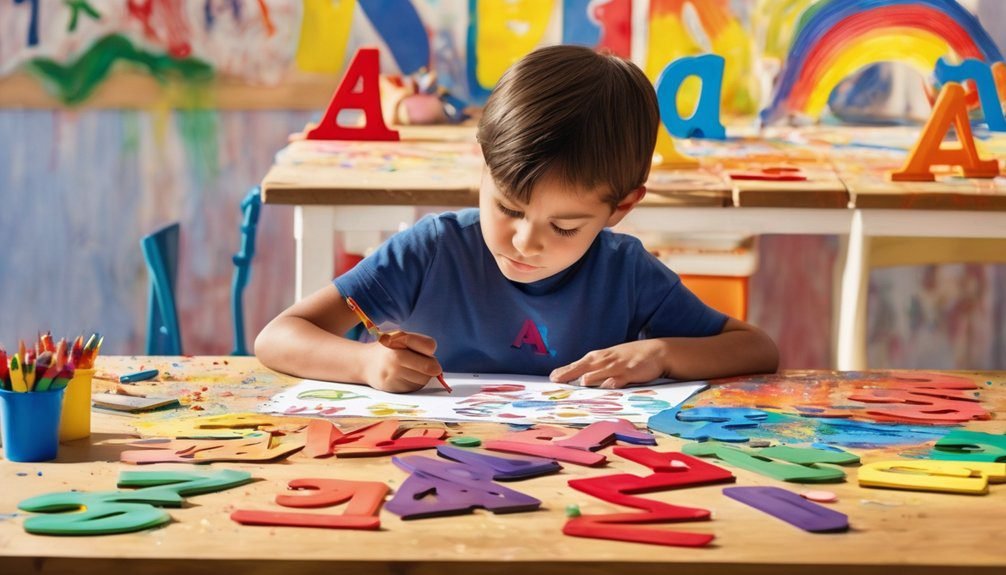
Learning the alphabet is a foundational step in a child’s educational journey. It sets the stage for reading and writing, enabling kids to communicate effectively. By mastering the letters, your child gains the tools needed to decode words and express their thoughts. This knowledge fosters confidence and curiosity, encouraging a love for learning.
Understanding the alphabet also aids in recognizing patterns and sounds, which are essential for language development. When children grasp the connection between letters and sounds, they can begin to blend them into words. This skill is crucial for their academic progress.

Creative Coloring Activities to Teach Letters
While engaging in creative coloring activities, kids can effectively learn the letters of the alphabet in a fun and interactive way. You can start by providing kids with alphabet coloring pages featuring different letters and images that correspond to each one. Encourage them to color each letter in bright, eye-catching colors, which helps reinforce their recognition.
You might also integrate themed projects, like creating a colorful collage for each letter using various materials such as stickers, glitter, or textured paper. This hands-on approach not only makes learning enjoyable but also enhances motor skills.
Additionally, consider organizing group coloring sessions where kids can share their creations, fostering collaboration and communication while learning.
Incorporating Sounds and Phonics Into Coloring Games
To enhance the alphabet coloring experience, you can easily incorporate sounds and phonics into the games. As your child colors each letter, encourage them to say the letter’s name and its associated sound.
For example, when coloring the letter “B,” ask them to say “B says /b/” while coloring. You can also create a fun rhyme or song for each letter to make it memorable.
Introduce items that start with the letter, like “B is for ball,” and encourage your child to draw or color these items as well. This interactive approach won’t only make coloring more enjoyable but will also reinforce phonics skills, helping your child connect letters with their sounds in a playful way.
Tips for Parents and Educators to Enhance Learning
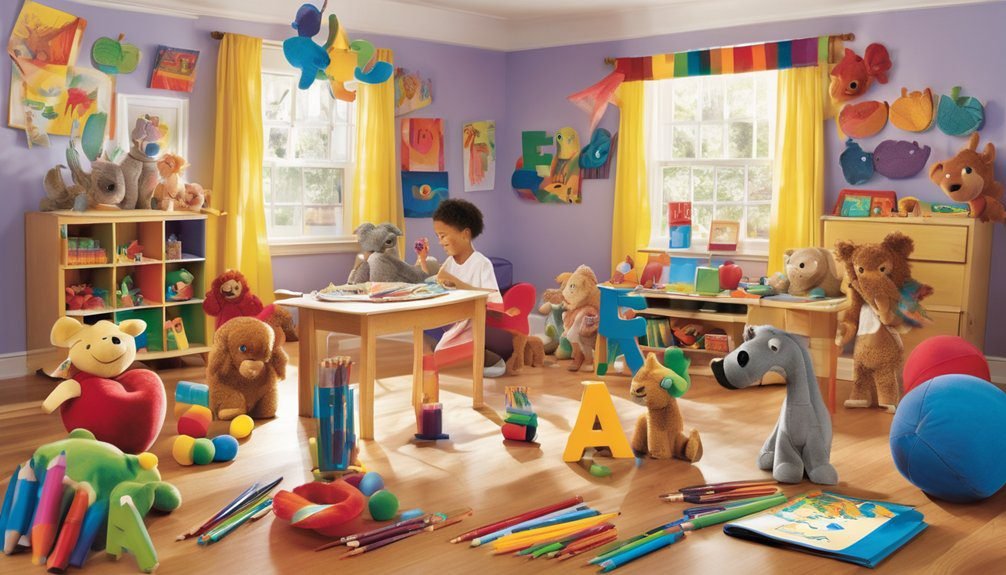
As you engage in alphabet coloring games with your child, consider incorporating a variety of strategies that can enhance their learning experience. Try to connect the letters with objects or animals they enjoy. Encourage them to say the letter sounds aloud as they color.
| Strategy | Description |
|---|---|
| Use Multi-Sensory Tools | Incorporate textures, like sandpaper letters, to engage different senses. |
| Create a Routine | Set specific times each week for coloring activities to build consistency. |
| Make It Social | Invite friends for group coloring sessions, fostering collaboration and fun. |
These tips can help transform coloring into a dynamic learning opportunity that keeps your child excited and involved!
Resources for Alphabet Coloring Pages and Activities
Finding engaging resources for alphabet coloring pages and activities can significantly enhance your child’s learning experience.
Start by exploring websites like Teachers Pay Teachers, where you can find a variety of downloadable alphabet coloring pages tailored for different age groups. Free resources are also available on sites like Education.com and Twisty Noodle, offering customizable coloring sheets.
Don’t forget about Pinterest; it’s a treasure trove of creative ideas and printables. You can also create your own alphabet coloring book by compiling images from magazines or online sources.
Using apps like ABCmouse can provide interactive coloring activities, making learning fun. Incorporate these resources into your routine, and watch your child’s literacy skills grow while they enjoy the artistic process!
Frequently Asked Questions
What Age Is Ideal for Starting Alphabet Coloring Games?
The ideal age for starting alphabet coloring games is around 3 to 4 years old. At this age, kids are curious and eager to learn, making it a perfect time to introduce them to letters.
Can These Games Help With Letter Recognition?
Yes, these games can significantly boost letter recognition; studies show kids who engage in interactive activities retain information 75% better. By coloring and playing, you’ll help them connect letters with sounds and shapes effectively.
What Materials Are Best for Coloring Activities?
Crayons, colored pencils, and washable markers are great materials for coloring activities. They’re easy to handle and come in various colors, making your experience fun and creative. Don’t forget to use thick paper to prevent bleed-through!
Are There Online Resources for Printable Alphabet Coloring Pages?
Absolutely! You can find a treasure trove of printable alphabet coloring pages online. Websites like Pinterest and educational blogs offer a variety of options to spark creativity and enhance learning in fun ways.
How Can I Assess My Child’s Progress in Learning the Alphabet?
You can assess your child’s progress by observing their ability to recognize letters, sound them out, and write them. Regularly engaging in fun activities and asking them to identify letters in everyday life helps too!
Conclusion
Inspiring creativity through educational alphabet coloring games is a wonderful way to lay the groundwork for your child’s literacy journey. Remember, “A journey of a thousand miles begins with a single step.” By engaging in these fun activities, you’re not just teaching letters; you’re nurturing a love for learning and communication. So gather some colors, make it a group activity, and watch as your little ones thrive in their quest for knowledge!