
Exploring detailed patterns to color can transform your downtime into a creative escape. You’ll discover how intricate designs not only spark your imagination but also offer a calming effect. With a variety of tools and techniques at your disposal, you can customize your experience. But what should you consider when choosing your patterns and colors? Let’s uncover the nuances that can elevate your coloring journey.
Key Takeaways
- Geometric designs feature sharp lines and shapes, perfect for precision coloring and enhancing fine motor skills.
- Whimsical art offers playful illustrations, allowing for creative expression and imaginative exploration.
- Nature motifs draw inspiration from flora and fauna, fostering a connection with the natural world.
- Mandalas are intricate circular designs that promote mindfulness and relaxation while coloring.
- Abstract art allows for freeform shapes and colors, encouraging experimentation and personal interpretation in your artwork.
The Benefits of Coloring for Relaxation

While you mightn’t think of coloring as a form of relaxation, it actually offers a simple way to unwind and de-stress.
When you sit down with your coloring materials, you engage in a mindful activity that allows your mind to focus on the present moment. This focus helps reduce anxiety and distracts you from daily worries.
As you choose colors and fill in patterns, you activate your creative side, which can boost your mood and enhance feelings of well-being. The repetitive motion of coloring also promotes a calming effect, similar to meditation.
Exploring Different Coloring Tools
Coloring can be a delightful escape, but the experience can vary greatly depending on the tools you choose. The right tools can enhance your creativity and make the process even more enjoyable.

Coloring offers a joyful retreat, especially when you select the right tools to elevate your creative experience.
Here are some options to consider:
- Colored Pencils: They allow for fine details and blending, perfect for intricate patterns.
- Markers: Quick and vibrant, markers can bring your designs to life with bold colors.
- Gel Pens: These offer a unique shine and smooth application, adding flair to your artwork.
- Watercolors: For a softer, more fluid look, watercolors can create beautiful washes and gradients.
Experimenting with different tools can unlock new dimensions in your coloring journey.
Enjoy discovering what resonates with you!
Types of Detailed Patterns to Color
Detailed patterns offer a rich tapestry of options for your coloring adventure. You can choose from geometric designs, whimsical illustrations, nature motifs, mandalas, and abstract art. Each type presents unique opportunities to express your creativity and explore different color combinations.
Here’s a quick overview of these patterns:
| Pattern Type | Description |
|---|---|
| Geometric Designs | Sharp lines and shapes |
| Whimsical Art | Playful, imaginative scenes |
| Nature Motifs | Flora and fauna inspirations |
| Mandalas | Circular, intricate designs |
| Abstract Art | Freeform shapes and colors |
Experimenting with these patterns can enhance your coloring experience, allowing you to dive into various themes and styles. Which one will you try first?
Tips for Choosing the Right Colors
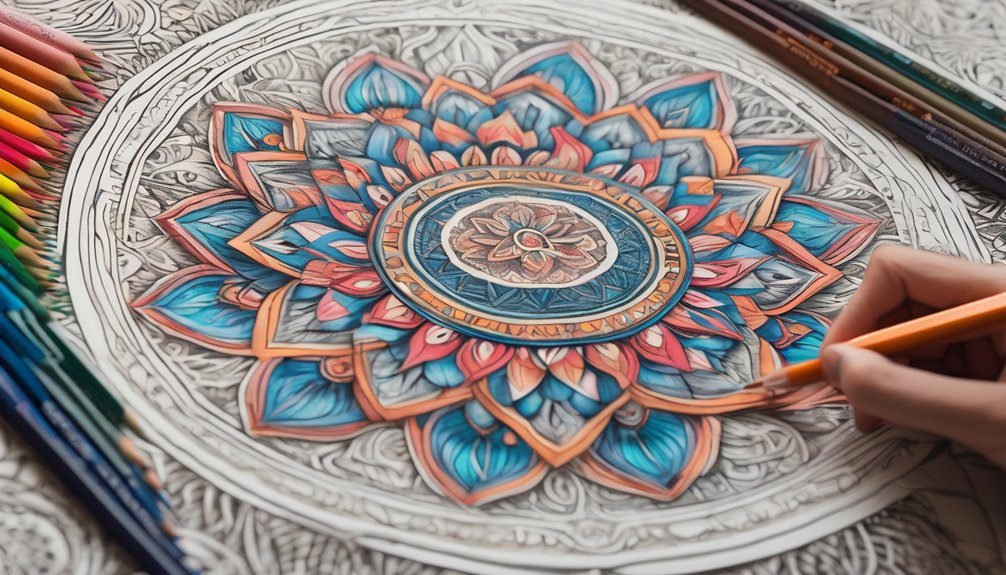
Choosing the right colors can elevate your experience with any pattern you decide to color. Here are some tips to help you select the perfect palette:
- Consider the Mood: Think about the feeling you want to convey. Warm colors can create excitement, while cool colors offer calmness.
- Use a Color Wheel: Familiarize yourself with complementary and analogous colors to create harmony in your design.
- Limit Your Palette: Choose a few colors (3-5) to avoid overwhelming your pattern and maintain cohesion.
- Test Before Committing: Try out color combinations on a scrap piece of paper. This way, you can see how they work together before applying them to your intricate design.
Enjoy the process and let your creativity shine!
Techniques for Coloring Intricate Designs
While diving into intricate designs can be daunting, employing effective techniques can make the process enjoyable and rewarding. Start by outlining your design with a fine liner or pencil, giving you a clear guide.
Choose a color palette that excites you, and stick to it to maintain harmony. Use different coloring tools—colored pencils, markers, or gel pens—to see what works best for you.
Select a vibrant color palette that inspires you and explore various coloring tools to discover your favorites.
Take your time, and don’t rush; it’s about enjoying the journey. Consider filling larger areas first, then move to smaller details. Experiment with layering colors for added depth and interest.
Finally, don’t hesitate to step back and evaluate your work, allowing you to appreciate your progress and make adjustments as needed. Happy coloring!
The Art of Blending and Shading
Mastering the art of blending and shading can elevate your coloring projects to a new level, allowing for more depth and realism in your designs.
You’ll create stunning visuals by layering colors and using smooth transitions. Here are some tips to enhance your skills:
- Choose the Right Tools: Use quality colored pencils or markers designed for blending.
- Layer Colors Gradually: Start with lighter shades and build up to darker ones for a natural effect.
- Use a Blending Tool: Try a blending stump or a cotton swab to smooth out colors.
- Practice Shading Techniques: Experiment with hatching and cross-hatching to add dimension.
With practice, you’ll see significant improvements in your coloring art. Enjoy the process!
Finding Inspiration for Your Coloring Projects
Where do you find the spark for your coloring projects? Inspiration can come from various sources. You might look to nature, art, or everyday life. Exploring these avenues can ignite your creativity and lead to stunning results.
Here’s a quick table to help you brainstorm:
| Source of Inspiration | Examples |
|---|---|
| Nature | Flowers, landscapes, animals |
| Art | Famous paintings, sculptures |
| Culture | Patterns, textiles, architecture |
| Emotions | Mood, memories, experiences |
| Color Theory | Color wheels, contrasting colors |
Dive into these sources, and don’t hesitate to mix and match. Your next coloring project can be a reflection of what inspires you most!
Creating Your Own Patterns to Color
Creating your own patterns to color can be a rewarding experience, as it allows you to express your unique style and creativity.
Designing your own coloring patterns offers a fulfilling way to showcase your individuality and artistic flair.
Here are some tips to get you started:
- Choose a Theme: Decide on a theme that inspires you, such as nature, geometric shapes, or abstract designs.
- Sketch Ideas: Grab a pencil and sketch out your ideas. Don’t worry about perfection; focus on the flow and structure.
- Add Details: Incorporate intricate details like swirls, dots, or lines to make your pattern more engaging.
- Test with Colors: Experiment with colors digitally or on paper to see which combinations resonate with your vision.
Enjoy the process, and let your creativity shine through your unique patterns!
Sharing and Showcasing Your Finished Artwork
Once you’ve completed your coloring patterns, sharing your artwork can be just as fulfilling as the creation process itself.
You can showcase your vibrant designs on social media platforms, joining communities that celebrate creativity. Consider posting your work on Instagram or Pinterest, where you can connect with fellow artists and receive feedback.
If you’re feeling adventurous, you could even host a local exhibition or participate in online contests. Don’t forget to use hashtags to expand your reach!
Sharing isn’t just about visibility; it’s a chance to inspire others and celebrate your journey. So, snap a photo, write a caption, and let your unique style shine.
Your artwork deserves to be seen and appreciated by others who share your passion!
Frequently Asked Questions
Can Coloring Improve Focus and Concentration?
Yes, coloring can improve your focus and concentration. Engaging in this creative activity allows your mind to relax, helping you block out distractions while enhancing your cognitive functions and promoting mindfulness in the process.
What Age Groups Benefit Most From Detailed Coloring?
Kids, teens, and adults all benefit from detailed coloring. It’s like giving your brain a refreshing spa day! While everyone gains focus, teens often find deeper concentration, and adults experience stress relief and creative expression.
Are There Online Communities for Coloring Enthusiasts?
Yes, there are plenty of online communities for coloring enthusiasts! You can join forums, social media groups, or dedicated websites where you can share your work, get inspiration, and connect with fellow coloring fans.
How Do I Store My Colored Artwork Safely?
You can store your colored artwork safely in a sturdy portfolio, keeping each piece flat and protected. Use acid-free sheets to prevent fading, and place them in a cool, dry space away from direct sunlight.
Can I Use Digital Tools for Coloring Patterns?
Yes, you can definitely use digital tools for coloring patterns! Programs like Procreate or Adobe Fresco provide various brushes and colors, letting you create vibrant, detailed artwork easily. Experiment and have fun with your creativity!
Conclusion
Coloring detailed patterns isn’t just a pastime; it’s a journey into a world where your imagination knows no bounds. As you explore different designs and techniques, you’ll discover a profound sense of peace and creativity that feels nothing short of magical. Embrace the joy of coloring, let your colors dance on the page, and don’t forget to share your masterpiece with others. After all, your artwork could inspire someone else to unlock their own vibrant world!