
You may notice that a simple coloring page can teach more than you expect. When you choose fun, educational books for preschoolers, you give your child a chance to practice fine motor skills, learn letters and shapes, and build confidence one crayon stroke at a time. The right pages can turn quiet moments into early lessons, and a few smart choices can make all the difference.
Key Takeaways
- Coloring books help preschoolers build fine motor skills, focus, and hand-eye coordination while having fun.
- Choose books with large, simple pictures, bold outlines, and sturdy pages for easier coloring success.
- Educational coloring books can teach letters, numbers, shapes, and early tracing skills.
- Fun themes like animals, space, seasons, and fairy tales keep preschoolers interested and engaged.
- Use thick crayons, color naming, and praise effort to make coloring a positive learning activity.
How Coloring Books Build Preschool Skills

Coloring books help preschoolers build important skills while they’ve fun. You give your child a simple way to practice fine motor skills as tiny hands grip crayons, stay inside lines, and control pressure. This repeated motion strengthens hand muscles and supports early writing.
Coloring also encourages artistic expression, so your preschooler can choose colors, make marks, and share feelings without needing many words. You’ll notice growing focus, too, because your child learns to finish a page and follow a simple task from start to end.
As your preschooler colors in animals, shapes, and scenes, you’re helping build hand-eye coordination, attention, and confidence. These small wins matter, and they make learning feel warm, personal, and exciting every day.

How to Choose Preschool Coloring Books
Now that you know how coloring supports preschool growth, you can choose books that match your child’s age and interests. Start by checking age appropriateness on the cover, then look inside for pages with large, simple images and plenty of space for tiny hands.
You’ll want coloring book types that invite success, such as bold outlines, sturdy paper, and a mix of familiar themes your child loves. If your preschooler gets frustrated easily, pick books with fewer details; if they enjoy a challenge, try slightly busier pages.
You can also choose books with tear-out sheets or spiral binding for easier use. Most of all, trust your child’s reactions. When a book feels fun and manageable, your little one stays engaged and proud.
Preschool Coloring Books for Letters, Numbers, and Shapes
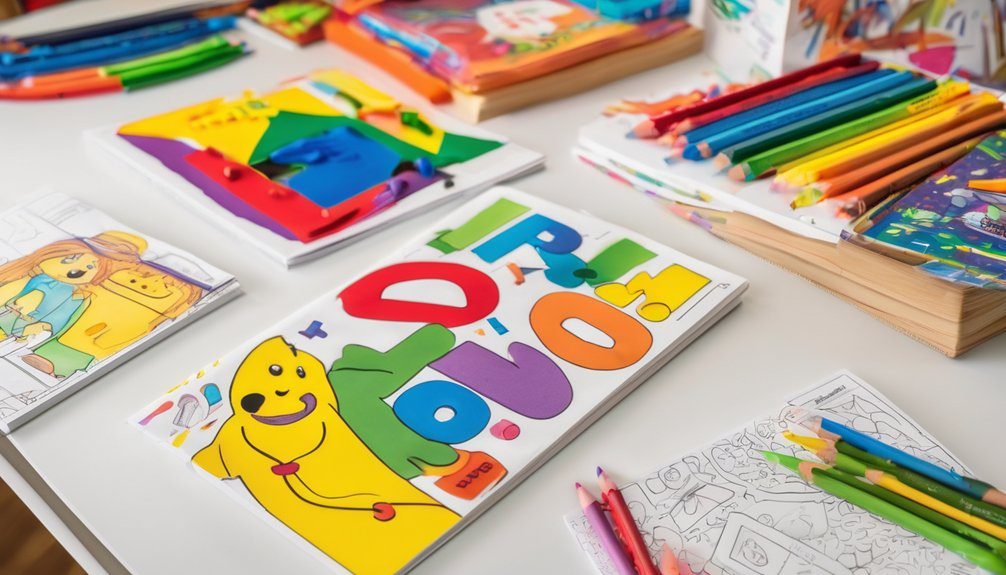
A preschool coloring book with letters, numbers, or shapes can turn early learning into a playful routine. You help your child connect each page with alphabet recognition by naming letters aloud as they color.
You can guide number tracing with simple strokes, letting tiny hands follow the lines before filling in the page. For shape identification, point to circles, squares, and triangles, then invite your little one to say each name.
These activities strengthen fine motor control as your child grips crayons, colors carefully, and learns to stay within borders. Keep sessions short, warm, and encouraging so learning feels safe and fun.
When you join in, you build confidence, support attention, and make each page feel like a shared success.
Fun Preschool Coloring Book Themes
Animal adventures, busy trucks, cheerful seasons, and favorite fairy-tale scenes can make preschool coloring time feel fresh and exciting. You can choose themes that match your child’s interests and build curiosity, too.
Try these favorites:
Try these favorites: animal adventures, seasonal scenes, space exploration, and underwater worlds to spark curiosity and fun.
- Animal adventures: Invite your child to name animals and notice colors.
- Seasonal scenes: Use spring flowers, summer sun, autumn leaves, and winter snow.
- Space exploration: Talk about stars, rockets, and the moon while they color.
- Underwater worlds: Point out fish, shells, and waves for lively details.
You can also add a fairy tale castle or community helpers like firefighters and doctors.
These themes help your preschooler connect pictures to real life, stretch language, and feel proud of each page.
Simple Coloring Activities for Early Learning
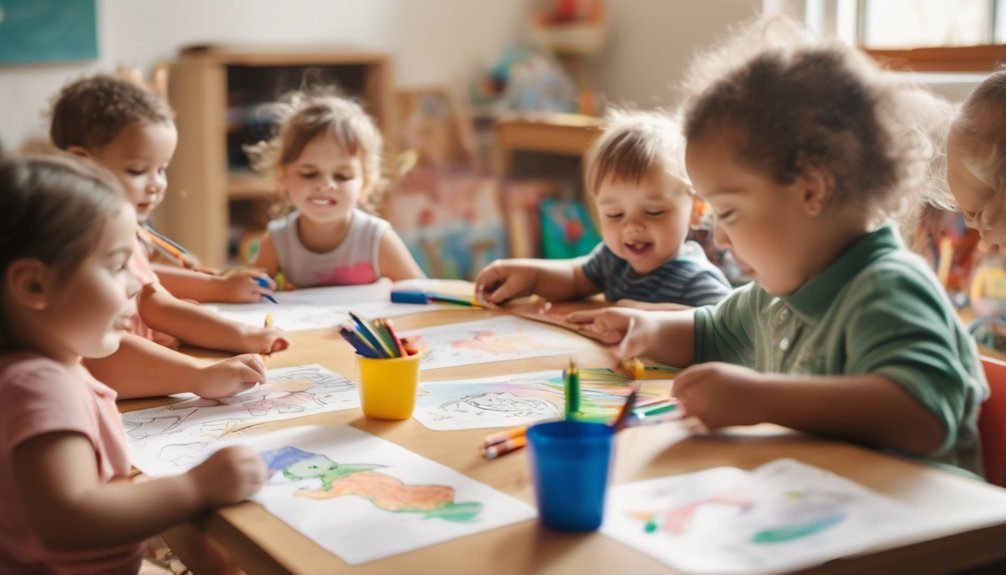
If you keep coloring activities simple, your preschooler can build early learning skills without feeling overwhelmed. You can begin with big shapes, thick crayons, and clear outlines so your child can practice control and hand strength.
Try naming colors aloud as you color together, then ask your little one to match, sort, or point to the same shade. These easy coloring techniques support focus, fine motor growth, and early language.
You can also invite creative expression by letting your preschooler choose colors freely for a sun, flower, or animal. Praise effort, not perfection, and keep sessions short so they stay fun.
When you make coloring playful and familiar, you help your child learn with confidence, joy, and connection.
Frequently Asked Questions
What Coloring Tools Are Safest for Toddlers?
You’ll keep toddlers safest with crayon safety in mind: choose chunky crayons, washable markers, and non toxic paints. You can guide simple coloring techniques, supervise closely, and avoid small parts that your child might mouth.
How Often Should Preschoolers Use Coloring Books?
You can offer coloring books daily for 10–20 minutes; surprisingly, those quiet crayons can spark big growth. You’ll support coloring benefits, creative expression, motor skills, and color recognition while keeping sessions playful and intimate.
Can Coloring Books Help With Left-Handed Grip?
Yes, coloring books can help with left-handed grip. You’ll build left handed benefits through grip development as you guide crayons, strengthen fingers, and practice control. Encourage short sessions, relaxed posture, and angled paper for comfort.
Are Digital Coloring Books Good for Preschoolers?
Yes, they’re good in moderation. You can gain digital art benefits, but keep screen time balance. You’ll want to guide choices, encourage tapping and dragging, and mix them with hands-on coloring for best preschool development.
How Do I Store Finished Coloring Pages?
You can store finished coloring pages in color storage solutions like folders, binders, or plastic sleeves, and try displaying artwork on walls or in a rotating frame. You’ll keep them safe, neat, and proudly visible.
Conclusion
When you choose fun, educational coloring books for your preschooler, you give them more than a quiet activity—you help them build skills that matter. Studies show that 85% of brain development happens before age five, so every page can support learning. You can use coloring time to practice letters, numbers, shapes, and colors while your child strengthens hand control and confidence. Keep it simple, playful, and encouraging, and you’ll make learning feel like fun.