
You can turn coloring time into a calm, creative break that keeps kids busy and thinking. With a few simple supplies, you can set up easy activities that match different ages, spark storytelling, and build focus at the same time. A themed page, a small challenge, or a cozy space can change the whole experience, and there’s more you can do with just a few thoughtful touches.
Key Takeaways
- Use simple coloring pages with large shapes and thick outlines to help kids feel successful.
- Pick fun themes like animals, castles, space, or favorite characters to keep them engaged.
- Add playful challenges, such as using only cool colors or coloring against a timer.
- Offer age-appropriate tools, like thick crayons for toddlers and detailed pages for older kids.
- Create a cozy coloring space with organized supplies, soft lighting, and a display area for finished art.
Easy Coloring Activities for Kids

Easy coloring activities help kids build confidence while they practice holding crayons, choosing colors, and staying within simple lines. You can offer large shapes, thick outlines, and simple pictures so your child feels successful right away.
Try gentle coloring techniques like filling one section at a time, using light pressure, or matching colors to mood. You can also add creative prompts, such as “color the sun warm” or “make the tree soft and calm,” to guide thinking without pressure.
Keep supplies nearby and let your child choose what feels right. When you stay present and encouraging, coloring becomes a cozy learning moment. Your child learns focus, control, and self-expression while enjoying a calm activity that fits easily into your day.

Coloring Themes Kids Love
Once your child feels comfortable with simple coloring pages, you can make the activity even more engaging by choosing themes they already love. You might offer animal adventures, where lions, frogs, and dolphins invite gentle storytelling.
Fantasy worlds with castles, dragons, and fairies can spark imagination and support creative thinking. Seasonal scenes help your child notice changes in weather, color, and nature throughout the year.
If your child lights up around favorite characters, those pages can deepen focus and joy. Space exploration pages encourage curiosity about planets, stars, and rockets, while underwater wonders introduce marine life and calm, flowing shapes.
When you choose familiar themes, you help your child feel seen, confident, and eager to color again.
Simple Ways to Make Coloring More Fun
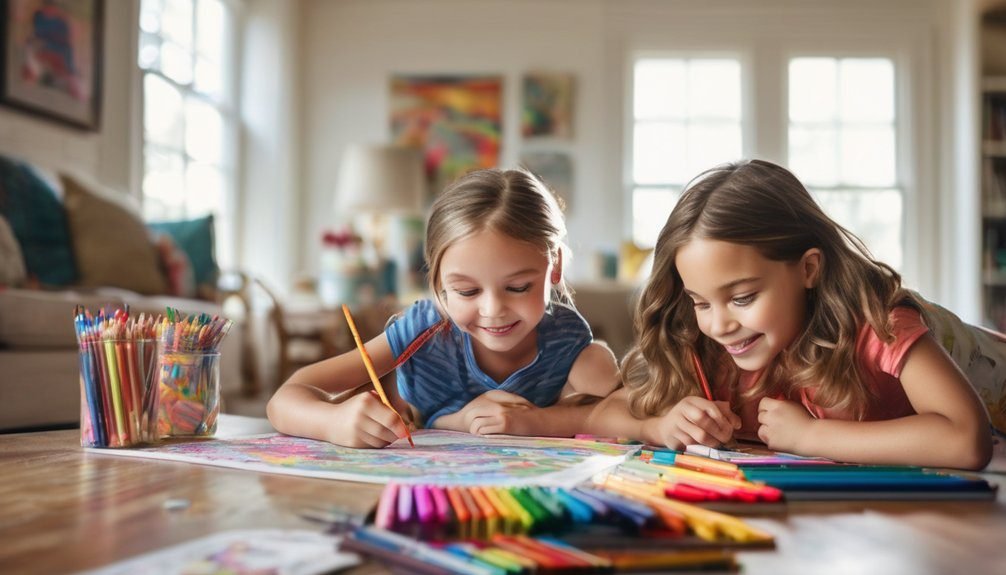
Coloring feels more exciting when you add a little variety to the routine. You can gently guide your child with small surprises that build confidence and spark creativity. Try these ideas:
- Offer coloring challenges, like using only cool colors.
- Make DIY coloring tools from sponges, cotton swabs, or taped crayons.
- Set a timer for a friendly race against the clock.
- Play soft music and color to the rhythm.
- Turn finished pages into a mini gallery at home.
You help your child stay engaged when you mix comfort with playful goals. These simple shifts support focus, fine motor skills, and joyful expression.
Keep the mood warm, and celebrate every choice. When you do, coloring becomes a shared moment that feels special, encouraging, and fun.
Coloring Activities by Age Group
As your child grows, you can match coloring activities to their changing skills and interests. For toddlers, offer large shapes, thick crayons, and age appropriate materials that invite grabbing, scribbling, and naming colors.
Preschoolers often enjoy simple scenes, stickers, and guided coloring pages that build focus and hand control. You can gently introduce coloring techniques like staying inside lines, blending two shades, or using short strokes.
For early elementary kids, try patterns, themed pages, and creative prompts that let them tell stories through color. Older children may love detailed designs, shading, and self-directed projects that stretch patience and fine motor skills.
When you choose activities that fit their stage, you support confidence, creativity, and joyful learning at home every day.
How to Set Up a Kid-Friendly Coloring Space
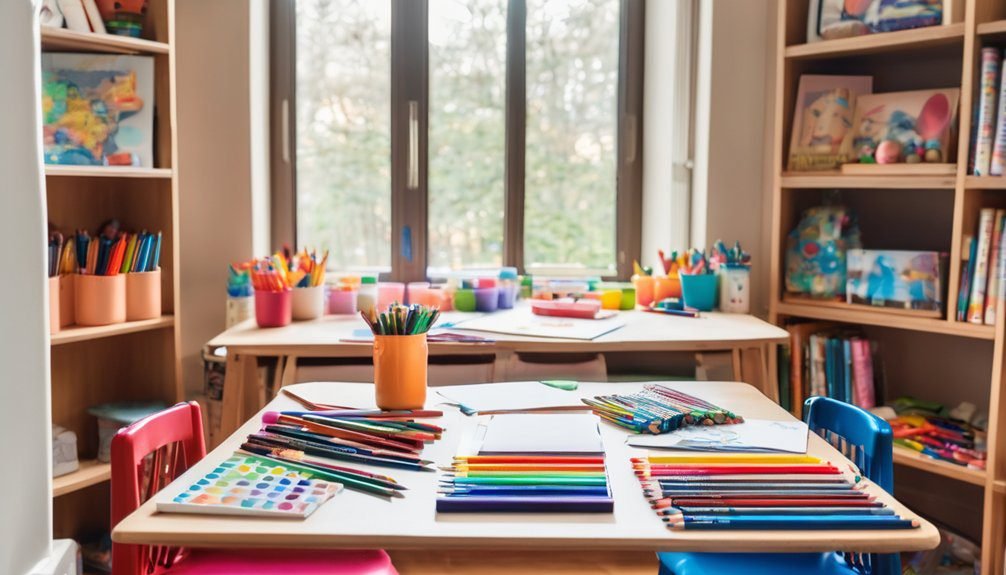
A cozy coloring nook can make creative time easier and more enjoyable for kids. You can set up a small table, soft light, and a chair that fits your child well. Keep coloring supplies within easy reach so they can choose freely and stay focused. Use creative organization to sort crayons, markers, and paper into labeled bins.
- Place washable covers on the surface
- Add a caddy for daily tools
- Store finished art in a folder
- Keep snacks and drinks away
- Include a calm wall space for display
When you build a space that feels safe and inviting, you help your child practice independence, attention, and pride in their work.
Keep it simple, and your child will return to it often.
Frequently Asked Questions
What Are the Best Coloring Tools for Avoiding Messes?
You’ll keep messes down with gel crayons and washable markers; they glide smoothly, wipe off most surfaces, and help you guide little hands confidently. Choose chunky, capped tools, and you’ll encourage creative, calm coloring.
How Can Coloring Help Improve a Child’s Focus?
Coloring can boost your child’s focus by training attention on one task; one study found 10 minutes of mindful coloring can lower stress. You’ll support mindfulness benefits and creative expression while they practice steady concentration.
What Are Some Travel-Friendly Coloring Ideas for Kids?
You can pack mini coloring books, travel supplies, and washable crayons for easy fun. Choose spiral-bound pads, stickers, or reusable boards. You’ll keep your child calm, creative, and learning wherever you go.
How Often Should Kids Take Breaks During Coloring Sessions?
You should let kids take a coloring break every 15 to 20 minutes to reduce eye strain. Encourage stretching, blinking, and drinking water so you support healthy break frequency and keep them comfortable.
Can Coloring Activities Support Early Learning Skills?
Yes, coloring can support early learning skills, like a gentle bridge to growth. You help build color recognition and fine motor skills while your child learns focus, coordination, and confidence through nurturing play.
Conclusion
When you make coloring at home feel like a small garden, your child can bloom in their own way. You’ve given them crayons like seeds, stories like sunlight, and a cozy nook like rich soil. As they color animals, worlds, and warm hues, they grow focus, confidence, and joy. Keep celebrating each page they finish, because every masterpiece shows how creativity can take root, stretch upward, and brighten your home.