
Have you considered the impact of growth mindset coloring pages in your classroom? These tools can transform the way students engage with challenges and develop resilience. As they immerse themselves in coloring, they not only express emotions but also reinforce key concepts. Imagine the conversations that could arise from this creative process. What if these simple pages could lead to profound insights about perseverance and personal growth? Let’s explore how you can implement this innovative approach.
Key Takeaways
- Growth mindset coloring pages promote positive thinking and resilience among students, encouraging them to embrace challenges and learn from failures.
- Integrating coloring activities into lessons boosts engagement, making learning enjoyable while reinforcing key concepts related to growth mindset themes.
- Use coloring pages to stimulate discussions on perseverance, goal-setting, and personal growth, fostering a supportive classroom environment.
- Coloring can serve as a calming transition activity, helping students focus and prepare for learning while enhancing their concentration and mindfulness.
- Pair coloring with reflective journaling and group discussions to deepen insights and personal connections to growth mindset principles.
Understanding Growth Mindset
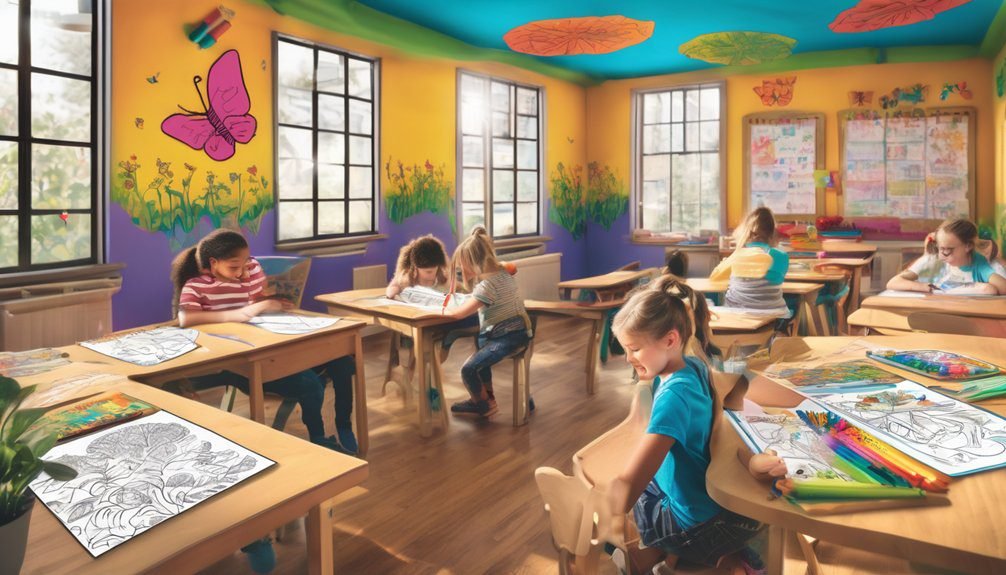
A growth mindset is like a powerful tool that can transform how you approach challenges and setbacks. Instead of seeing obstacles as insurmountable, you recognize them as opportunities for growth and learning.
When you adopt this mindset, you embrace the idea that intelligence and abilities can be developed through effort and perseverance. You understand that failure isn’t a reflection of your worth but a stepping stone toward improvement.
This perspective encourages you to take risks and stay resilient in the face of difficulties. By focusing on the process rather than just the outcome, you cultivate a love for learning.

Ultimately, nurturing a growth mindset empowers you to unlock your potential and fosters a more positive and proactive approach to life’s challenges.
The Importance of Coloring in Education
While you might think of coloring as just a fun activity, its role in education goes far beyond simple entertainment. Coloring fosters creativity, encourages fine motor skills, and aids in emotional expression. It also provides a calming effect, helping students focus better on their tasks.
Here’s a quick overview of how coloring impacts education:
| Aspect | Importance |
|---|---|
| Creativity | Encourages innovative thinking |
| Fine Motor Skills | Develops hand-eye coordination |
| Emotional Expression | Provides a safe outlet for feelings |
| Focus | Enhances concentration and mindfulness |
| Engagement | Makes learning enjoyable and interactive |
Incorporating coloring into your curriculum can create a more engaging learning environment, benefiting both you and your students.
Benefits of Growth Mindset Coloring Pages
Coloring pages that focus on a growth mindset provide unique benefits that enhance both creativity and personal development in students. When you engage with these pages, you encourage positive thinking and resilience.
As you color, you’re not just filling in spaces; you’re embracing challenges and learning from mistakes. This process helps build confidence, allowing you to express your thoughts and feelings freely.
Additionally, these activities foster a sense of achievement, reinforcing the idea that effort leads to improvement. By integrating growth mindset themes into coloring, you stimulate discussions about perseverance and goal-setting.
These activities build a sense of achievement, highlighting that effort drives improvement and inspires discussions on perseverance and goal-setting.
Ultimately, these pages create a supportive environment where you can explore your potential while enjoying a creative outlet, making learning both fun and impactful.
How to Integrate Coloring Pages Into Lessons
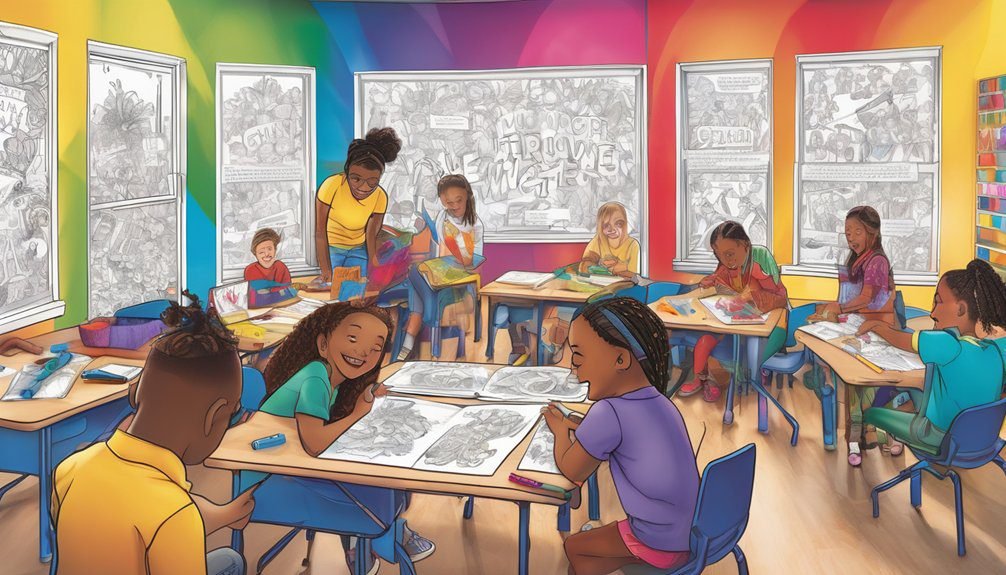
Integrating coloring pages into your lessons can transform the learning experience, as they provide an engaging way to reinforce key concepts. Here are some effective methods to incorporate them into your curriculum:
- Visual Learning: Use coloring pages that relate to your topic, allowing students to visualize concepts and enhance retention.
- Discussion Starters: After coloring, prompt discussions about growth mindset themes illustrated in the pages, encouraging critical thinking and reflection.
- Creative Breaks: Incorporate coloring as a calming activity during transitions or after intense lessons, helping students refocus and recharge.
Creative Ideas for Using Coloring Pages
Engaging students with coloring pages opens up a world of creative possibilities beyond traditional lessons. You can start by incorporating coloring pages into group activities, where students collaborate on a single design, fostering teamwork and communication.
Try using themed pages that align with current subjects, allowing students to express their understanding visually. You could also host a coloring contest, motivating students to showcase their artistic talents while reinforcing a growth mindset.
Consider using coloring pages as warm-up exercises to spark discussions or even as relaxation tools during stressful periods. By infusing creativity into your classroom, you’ll inspire students to think outside the box and appreciate the joy of learning through art.
Encouraging Reflection Through Coloring Activities
While students color, they can often find the space to reflect on their thoughts and feelings, making it a powerful tool for personal growth.
Coloring activities create a calm environment, allowing students to dig deeper into their emotions and experiences. Here are some ways to encourage reflection during coloring:
- Prompt Questions: Ask students to think about what the colors they choose represent in their lives.
- Journaling: Pair coloring with a short reflection journal where they can write about their thoughts while coloring.
- Group Discussions: Facilitate small group talks after coloring to share insights and feelings, fostering a supportive community.
Frequently Asked Questions
What Age Groups Are Best Suited for Growth Mindset Coloring Pages?
Growth mindset coloring pages work well for ages 5 to 12. Younger kids enjoy the creativity, while older kids can grasp deeper concepts. You’ll find these activities engaging and beneficial for their personal development.
Where Can I Find Printable Growth Mindset Coloring Pages?
Over 70% of educators believe creativity enhances learning. You can find printable growth mindset coloring pages on educational websites, teachers’ resource sites, or platforms like Pinterest. Just search, download, and start inspiring your students!
How Can Parents Use These Coloring Pages at Home?
You can use these coloring pages at home by encouraging your child to express their feelings while coloring. Discuss the growth mindset concepts as they work, reinforcing positive thinking and resilience through art and conversation.
Can Coloring Pages Be Used for Remote Learning Activities?
Yes, you can definitely use coloring pages for remote learning activities. They engage students creatively, encourage focus, and can complement lessons, making learning fun and interactive even from a distance. Just print and share!
Are There Specific Themes for Growth Mindset Coloring Pages?
Absolutely! You’ll find themes like perseverance, positivity, and resilience. Each page invites you to embrace challenges and inspire creativity, turning every coloring session into a delightful journey toward a growth-focused mindset. Enjoy the process!
Conclusion
Incorporating growth mindset coloring pages into your classroom can be a game changer. Did you know that students with a growth mindset are 47% more likely to embrace challenges? By using these coloring activities, you not only foster resilience and creativity but also help students connect with their emotions and reflect on their growth. So grab those coloring pages and watch as your students thrive in a supportive, engaging environment that encourages a love for learning!