
Have you ever felt overwhelmed by the demands of daily life? Art can be a crucial tool in combating that burnout. Engaging in creative activities offers you a way to express emotions and escape the stresses that weigh you down. It’s not just about making something beautiful; it’s about finding a renewed sense of purpose. Let’s explore how diving into artistic practices can transform your experience and help you reclaim your well-being.
Key Takeaways
- Engaging in art boosts mood through endorphin release, helping to alleviate feelings of burnout.
- Creative activities promote mindfulness, allowing individuals to focus and reduce distractions related to stress.
- Immersion in artistic expression serves as a form of meditation, fostering relaxation and calmness.
- Art provides a unique avenue for emotional expression, helping to process and release pent-up emotions that contribute to burnout.
- Incorporating art into daily life creates a sense of accomplishment, combating feelings of overwhelm and enhancing overall well-being.
The Connection Between Art and Mental Health

Art has a remarkable ability to foster emotional well-being and alleviate stress. When you engage with art, whether by creating or appreciating it, you tap into a powerful tool for enhancing your mental health.
You might find that painting, drawing, or even doodling allows you to express feelings you didn’t know you had. This creative outlet can act as a form of meditation, helping you focus your mind and quiet racing thoughts.
Additionally, surrounding yourself with art can elevate your mood, bringing joy and inspiration into your daily life. By making time for artistic activities, you’re not just reducing burnout; you’re also nurturing your mental resilience and promoting a healthier mindset.

Art as a Form of Emotional Expression
Many people find that engaging in creative activities provides a unique avenue for emotional expression. When you paint, write, or play music, you tap into feelings that words alone often can’t convey. This process helps you process emotions and release pent-up stress.
| Emotion | Art Form | Effect |
|---|---|---|
| Joy | Painting | Uplifts mood |
| Anger | Poetry | Provides catharsis |
| Sadness | Music | Offers comfort |
| Anxiety | Dance | Promotes relaxation |
The Therapeutic Benefits of Creative Activities
Engaging in creative activities can be a powerful antidote to stress and burnout.
When you immerse yourself in creativity, you not only express emotions but also reap therapeutic benefits.
Here are three ways creative activities can help you:
- Boosts Mood: Creating art releases endorphins, lifting your spirits and promoting happiness.
- Enhances Focus: Whether you’re painting or crafting, concentrating on your project helps you tune out distractions and reduces anxiety.
- Encourages Mindfulness: As you engage in the creative process, you become fully present, which calms your mind and fosters relaxation.
Reconnecting With Your Inner Self Through Art
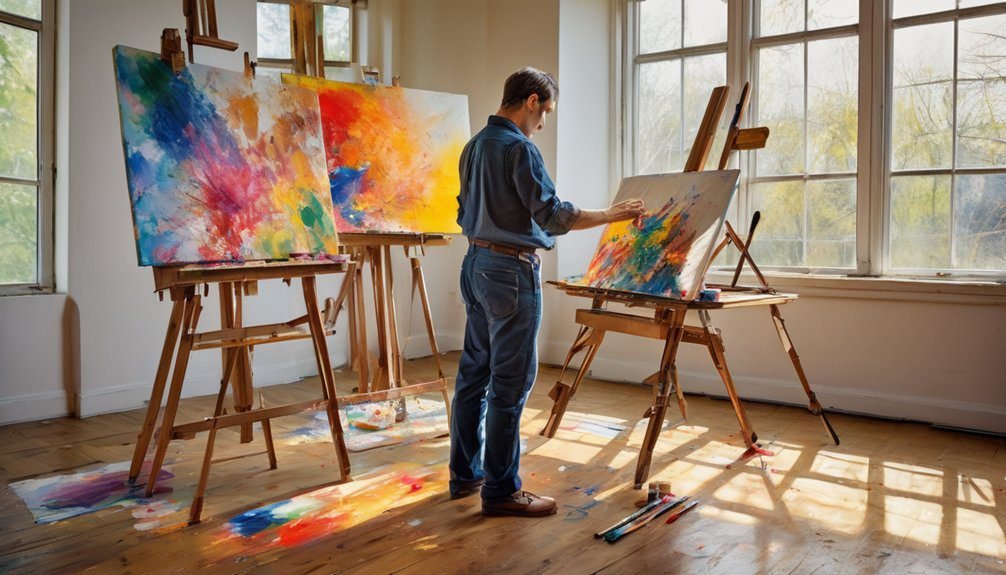
Creative activities not only provide therapeutic benefits but also serve as a gateway to reconnecting with your inner self. Engaging in art allows you to express emotions and thoughts that may be buried beneath daily stress. By picking up a paintbrush, writing, or sculpting, you tap into your subconscious, revealing insights about who you are.
| Art Form | Benefits |
|---|---|
| Painting | Encourages color exploration and emotional release |
| Writing | Fosters reflection and clarity |
| Sculpting | Engages tactile senses and creativity |
These activities help you rediscover passions and desires, guiding you back to your authentic self. Embrace the process, and you’ll find a renewed sense of purpose and identity through your creativity.
Building Community Through Collaborative Art Projects
While you might think of art as a solitary pursuit, collaborative art projects can transform that notion by fostering a sense of community and connection.
When you engage in these projects, you create bonds through shared creativity.
Imagine:
- Colorful murals painted together, each stroke representing a unique voice.
- Community sculptures constructed from found objects, telling collective stories through texture and form.
- Art festivals where diverse talents unite, celebrating creativity and sparking conversations.
Mindfulness and Focus in Artistic Practice
Artistic practice can serve as a powerful tool for cultivating mindfulness and focus, especially when you immerse yourself in the process.
When you engage in creating art, whether it’s painting, drawing, or sculpting, you naturally shift your attention away from distractions. This focus allows you to enter a state of flow, where time fades and worries diminish.
As you concentrate on the movements of your hands and the colors before you, your mind quiets, fostering a deep sense of presence. Each brushstroke or pencil line becomes a meditative act, grounding you in the moment.
Art as a Tool for Stress Relief
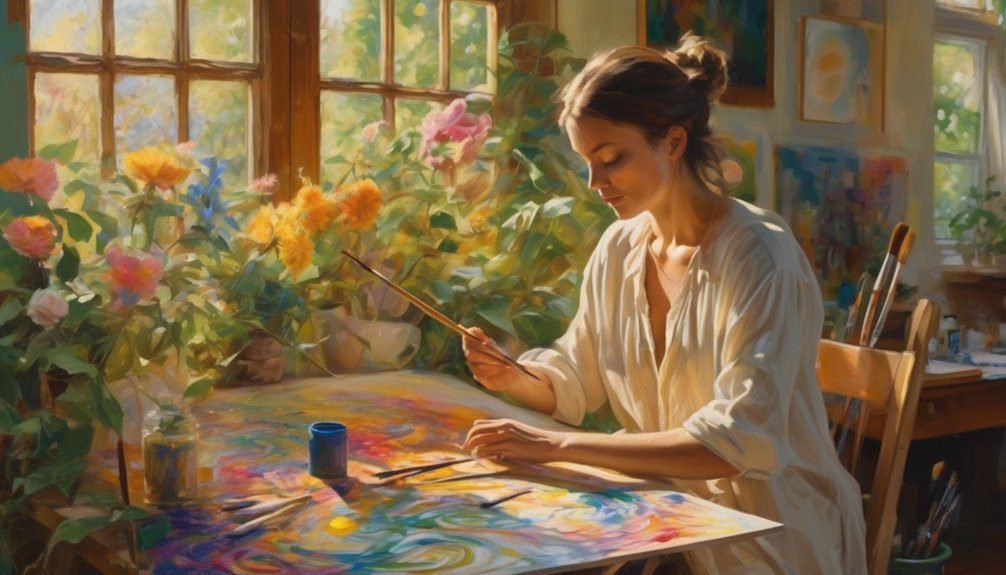
When you immerse yourself in creating art, it can serve as a powerful antidote to stress. Engaging in artistic activities allows you to escape daily pressures and channel your emotions into something tangible.
Here are three ways art can help relieve stress:
- Expressive Release: You can pour your feelings onto the canvas, giving voice to emotions that often go unspoken.
- Mindful Creation: The process of mixing colors or shaping clay demands your focus, helping to quiet racing thoughts and ground you in the present.
- Sensory Experience: The smell of paint, the texture of paper, and the vibrant hues ignite your senses, creating a soothing environment that fosters relaxation.
Inspiring a Sense of Accomplishment and Purpose
Creating art not only alleviates stress but also fosters a sense of accomplishment and purpose. When you engage in artistic activities, whether painting, writing, or crafting, you actively create something unique and personal.
Completing a project gives you a tangible result to be proud of, boosting your self-esteem and reinforcing your capabilities. This sense of achievement can transform your mindset, making you feel more fulfilled and motivated in other areas of your life.
Additionally, art allows you to express your emotions and thoughts, providing clarity and purpose in your daily routine. By dedicating time to your creative pursuits, you not only combat burnout but also cultivate a deeper understanding of yourself, enriching your overall life experience.
Practical Ways to Incorporate Art Into Your Life
Everyone can benefit from incorporating art into their daily lives, and it doesn’t have to be complicated.
Here are three simple ways to get started:
Explore your creativity with these three easy ways to incorporate art into your daily routine.
- Doodle or Sketch: Keep a small notebook handy and spend a few minutes each day drawing whatever comes to mind. Let your creativity flow without judgment.
- Coloring Books: Adult coloring books can be a fantastic way to unwind. Choose vibrant colors and lose yourself in the patterns, allowing your mind to relax.
- Visit Local Galleries: Spend an afternoon exploring local art galleries or exhibitions. Engaging with different styles can inspire you and rejuvenate your spirit.
Frequently Asked Questions
Can Anyone Benefit From Engaging in Artistic Activities?
Absolutely, anyone can benefit from engaging in artistic activities. You’ll discover new perspectives, boost your creativity, and find joy in self-expression. It offers a refreshing escape and can enhance your overall well-being significantly.
How Long Should I Spend on Art to Feel Its Benefits?
Spending just 15 to 30 minutes on art can work wonders, like a refreshing breeze on a hot day. You’ll feel the benefits more if you make it a regular part of your routine.
What Types of Art Are Best for Reducing Burnout?
Creative activities like painting, drawing, or crafting are best for reducing burnout. Engaging in music or dance can also help. Find what resonates with you, and let your imagination flow freely for maximum relief.
Is There a Specific Age Group That Benefits More From Art?
Sure, art’s just for kids, right? Actually, anyone can benefit at any age! Whether you’re young or older, engaging with art boosts creativity and offers a refreshing escape, making it invaluable for all age groups.
How Can I Find Local Art Programs or Classes?
You can find local art programs by checking community centers, libraries, or online platforms like Meetup. Don’t forget to explore social media groups or local art schools for classes that fit your interests and schedule.
Conclusion
Incorporating art into your life can be a breath of fresh air, lifting the weight of burnout off your shoulders. By tapping into your creative spirit, you not only express your emotions but also build connections and find joy in the process. Whether it’s painting, crafting, or collaborating, each stroke of creativity adds vibrant colors to your daily routine. So, pick up that brush or pencil—your journey to renewal and resilience starts with a simple act of creation.