
When you watch a child color inside a line for the first time, it’s like seeing a small hand unlock a bigger skill. You’re not just giving them a quiet activity; you’re helping them build grip, control, focus, and confidence. Coloring books can support the fine motor and attention skills children need for school, and the effects often show up before they can explain them. The next step is more revealing than you might expect.
Key Takeaways
- Coloring books strengthen fine motor skills and pencil grip needed for writing and other classroom tasks.
- They improve focus, attention span, and following instructions, which supports classroom readiness.
- Coloring builds visual discrimination, coordination, and problem-solving through shape, color, and space recognition.
- Completing coloring pages boosts confidence, patience, and a sense of success before school starts.
- Regular coloring routines encourage self-regulation, independence, and comfort with learning activities.
Key Skills Children Build With Coloring
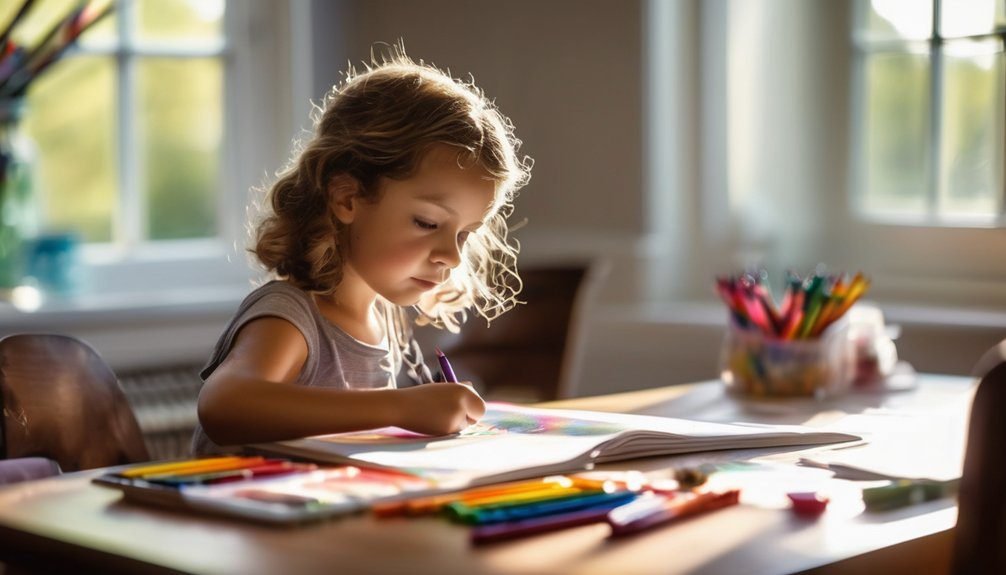
Coloring gives children more than a quiet activity—it helps them build the skills they need for school success. When you hand a child crayons or markers, you invite practice in hand control, focus, and patience. Each stroke strengthens fine motor muscles, helping little fingers learn to grip, guide, and adjust with care.
You also give them a safe way to notice shapes, patterns, and colors, which supports visual discrimination. As children explore coloring techniques, they learn to make choices, follow boundaries, and express ideas through artistic styles. This kind of play builds confidence because they can see their effort turn into something real.
Over time, you help them develop steady attention, coordination, and early problem-solving habits that matter in many learning settings.
How Coloring Supports School Readiness
When children color regularly, they practice the same skills that support a smooth start in school, from holding a pencil and staying seated to listening, completing tasks, and following directions.

You help them build school readiness by offering simple coloring techniques, like filling spaces carefully, choosing colors, and finishing one picture before moving on. These habits teach patience, attention, and follow-through in a way that feels safe and engaging.
Coloring also gives emotional benefits: it can calm worries, boost confidence, and help your child feel capable. As they make choices and complete a page, they learn to trust their effort.
Coloring can calm worries, build confidence, and help children trust their own effort.
That sense of success carries into classrooms, where readiness depends not just on knowledge, but on comfort, focus, and confidence.
Fine Motor Skills Through Coloring
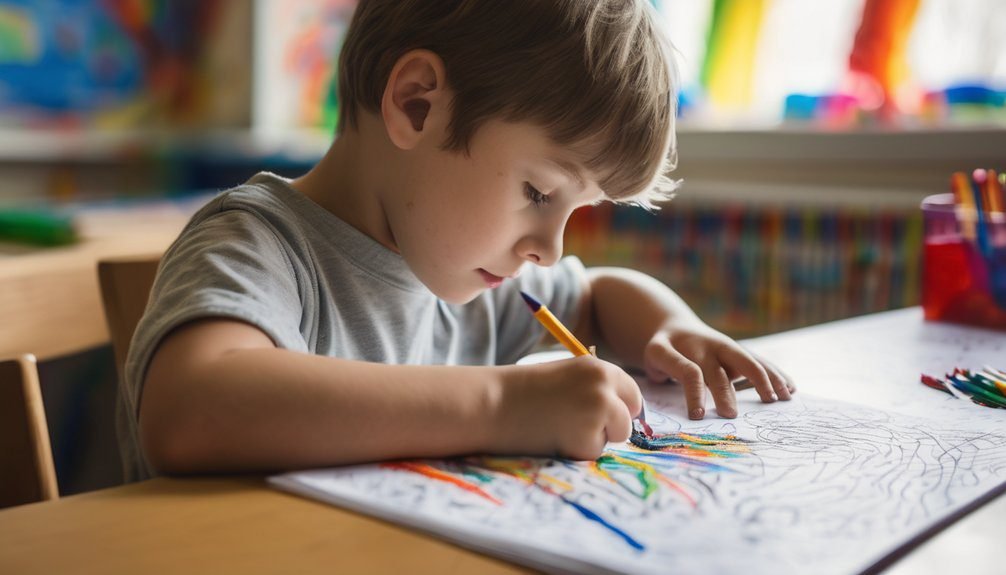
Small hand movements matter a lot when your child colors, because they’re building the fine motor control needed for school tasks like writing, cutting, and using classroom tools.
You can support this growth by offering crayons, pencils, and markers that invite gentle grip changes and steady pressure. As your child explores coloring techniques, they practice controlled wrist movement, finger strength, and careful hand positioning.
Different artistic styles, from broad strokes to tiny details, encourage your child to adjust movements with purpose. Research shows these repeated actions help young children gain the hand control they need for classroom independence.
When you color together, you create a calm, warm space where practice feels playful, and your child builds essential skills one thoughtful stroke at a time.
Improving Hand-Eye Coordination
As your child follows lines, stays inside shapes, and chooses where each color goes, they strengthen the hand-eye coordination needed for school tasks like writing, drawing, and using tools with control. You can support this growth by offering varied coloring techniques and gentle prompts that match their developmental level.
Different artistic styles, from bold blocks of color to careful shading, help their eyes guide their hands with increasing accuracy. Research shows that repeated visual-motor practice builds smoother movement and better spatial awareness.
- Small spaces invite precise strokes.
- Large shapes build confident control.
- Crayons, markers, and pencils challenge coordination differently.
- Simple picture changes refine visual tracking.
When you color together, you give your child a warm, hands-on way to practice coordination while feeling capable and encouraged.
Focus and Following Directions

Coloring also gives your child a chance to practice focus and follow simple directions. When you offer a page and a few clear steps, you help build attention span and strengthen listening skills. Your child learns to stay with one task long enough for task completion, which supports school readiness.
As your child colors, they also practice following instructions, holding steady concentration levels, and processing information in order. These small moments of effort can deepen spatial awareness because your child must notice where marks belong and how parts relate.
Coloring also invites critical thinking as your child chooses how to respond to the page. With gentle guidance, you help your child build the self-control and focus that classrooms expect.
Coloring Books for Color and Shape Recognition
Bright pages can turn color and shape recognition into a simple, hands-on lesson. When you sit with your child and name each crayon, you reinforce color theory and support early shape identification, which research links to stronger pre-reading and math readiness.
Coloring books invite repeated practice, so your child starts noticing circles, squares, triangles, and how colors compare and combine.
- You can say the color before your child fills it in.
- You can trace shapes with a finger first.
- You can ask, “Which one matches?”
- You can praise careful noticing, not speed.
This gentle routine builds vocabulary, attention, and visual discrimination. Your child learns to see details, remember names, and connect what the eyes notice with what the mind says.
Coloring Books for Creativity and Expression
When you give your child coloring pages, you also give them a safe way to make choices, try ideas, and show what they think and feel.
Research shows that open-ended coloring supports creativity because your child can decide colors, patterns, and details without one right answer. That freedom invites imaginative storytelling as they describe who lives in the picture, what’s happening, and why it matters.
You’ll also notice emotional expression: children often use bold strokes, soft shades, or repeated marks to match how they feel inside.
When you sit nearby and listen, you help your child connect thoughts, feelings, and language. These small moments strengthen self-expression in a gentle, child-centered way that fits naturally into early learning.
Building Confidence Before Kindergarten
As your child colors, they practice making decisions, finishing a task, and seeing that effort can lead to a result they’re proud of. That experience gives gentle self-esteem boosts and supports preschool readiness because your child learns, “I can do this.”
You’ll notice them stay with an activity longer, recover from mistakes, and trust their own choices more.
- They build confidence by completing small goals.
- They learn that effort matters more than perfection.
- They feel capable when they choose colors and stay focused.
- They enter kindergarten with more comfort in new routines.
Research shows these early wins strengthen motivation and emotional security. When you offer calm praise and space to try again, you help your child approach school with courage, curiosity, and a growing sense of competence.
Choosing the Right Coloring Books
Choose coloring books that match your child’s age, interests, and fine motor skills so the activity feels challenging but manageable. You’ll support age appropriateness by checking line thickness, page complexity, and number of details.
Look for theme variety, from animals to space, so your child stays engaged while building attention. Strong educational content can reinforce letters, numbers, shapes, and early vocabulary without feeling like work.
Interactive elements, such as trace-and-learn pages or simple prompts, invite active thinking. Different artistic styles help your child notice forms, patterns, and visual differences.
Cultural representation matters too, because children learn best when they see familiar and diverse lives reflected. Seasonal themes and character popularity can boost motivation, but choose books that still value creativity over imitation.
Simple Ways to Use Coloring at Home
You can turn coloring into a simple daily routine by setting out crayons, paper, and a few open-ended pages in a calm, well-lit space. You’ll help your child build fine motor control, attention, and confidence while you stay close and responsive.
- Offer short coloring sessions after breakfast or before bed.
- Model simple coloring techniques, like staying inside shapes or blending colors.
- Ask open-ended questions about choices, feelings, and stories.
- Join in for family bonding, letting your child lead the pace.
When you praise effort, not perfection, you encourage persistence and independence.
Keep materials easy to reach so your child can return often. These small moments support school readiness because they strengthen hand control, language, and self-regulation in a warm, familiar rhythm.
Frequently Asked Questions
How Often Should Children Color Each Week?
You should aim for coloring sessions 3 to 5 times weekly, keeping coloring frequency steady and enjoyable. This supports creative expression, fine-motor growth, and attention without overwhelming your child’s developing skills.
What Age Is Best to Start Coloring Books?
You can start coloring books around age 2, when you notice interest and simple grip control. Coloring builds fine motor skills and creative expression best when you follow your child’s readiness, not a strict age.
Are Crayons Better Than Markers for Beginners?
Like a quill in tiny hands, crayons usually suit beginners better. You’ll support crayon benefits: grip control, less mess, softer pressure. Markers can bring marker drawbacks like bleeding, overstimulation, and frustration for your child.
How Can Parents Encourage Reluctant Colorers?
You can encourage reluctant colorers by offering creative prompts and simple coloring techniques, like choosing favorite characters, mixing crayons, or coloring together. You’ll build confidence, fine motor skills, and joy without pressure.
Can Coloring Books Help Children With Special Needs?
Absolutely—coloring books can be a superhero tool for special needs children, boosting coloring benefits, sensory development, fine motor control, emotional expression, cognitive skills, and visual perception while you support them gently and lovingly.
Conclusion
Did you know that children who practice coloring build the fine motor control they need for writing much faster? When you give your child coloring books, you’re helping them strengthen grip, improve hand-eye coordination, and learn to focus on one task at a time. You’re also building confidence and creativity in a low-pressure way. These simple moments at home can help your child feel more prepared, capable, and ready to start school with confidence.