
Coloring sparks imagination, nurtures creativity, and develops fine motor skills. As your child picks colors and fills in shapes, they embark on a journey of self-expression. This simple activity does more than entertain; it lays the groundwork for problem-solving and emotional growth. Want to discover how these seemingly simple strokes can shape your child’s future?
Key Takeaways
- Coloring fosters imagination by allowing children to express unique perspectives and ideas through their artwork.
- Vivid colors stimulate creativity, encouraging children to experiment and associate colors with emotions and stories.
- The freedom to choose colors and design promotes self-expression, helping children articulate their feelings creatively.
- Engaging in coloring activities builds confidence as children showcase their creations, further inspiring their artistic pursuits.
- The process of coloring enhances cognitive growth, supporting problem-solving and critical thinking through artistic exploration.
The Benefits of Coloring for Child Development
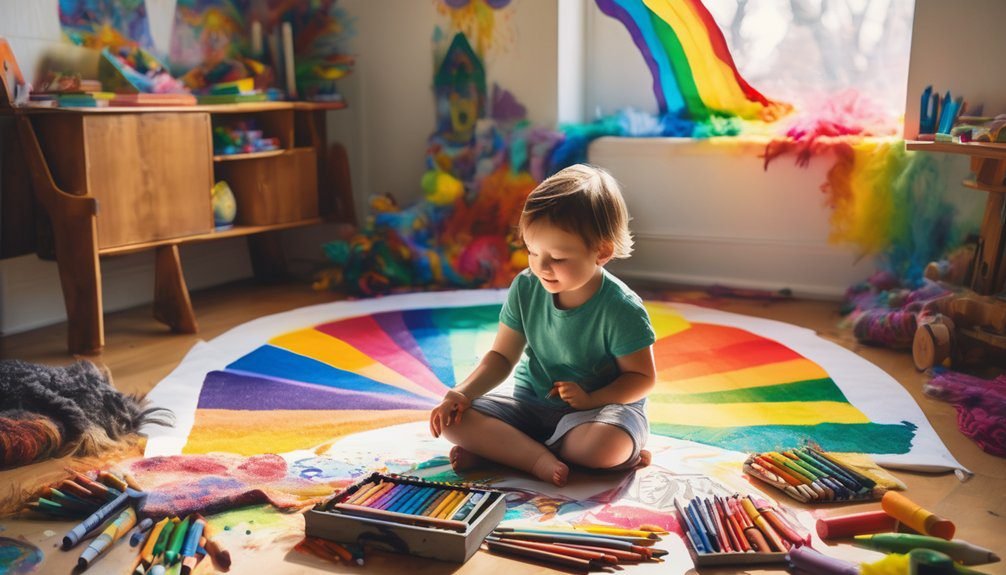
Coloring isn’t just a fun activity; it plays a crucial role in your child’s development. When your child picks up those crayons, they’re not just creating art; they’re exploring their imagination and expressing themselves.
This creative outlet helps them communicate feelings and ideas they mightn’t have the words for yet. As they choose colors and make decisions about their artwork, they’re learning to think critically and develop problem-solving skills.
Additionally, coloring can enhance their understanding of concepts like shapes and patterns, laying the groundwork for future learning. You’ll notice your child’s confidence growing as they proudly showcase their creations.
Encouraging this activity won’t only foster creativity but also support their emotional and cognitive growth.

Enhancing Fine Motor Skills Through Coloring
While your child enjoys coloring, they’re also honing their fine motor skills in significant ways. As they grip crayons or colored pencils, they develop hand strength and coordination. Each stroke requires control, improving their dexterity. This practice translates into everyday tasks like writing and buttoning shirts.
Here’s how coloring enhances specific skills:
| Skill | Activity | Benefit |
|---|---|---|
| Grip | Holding crayons | Strengthens fingers |
| Precision | Coloring within lines | Improves hand-eye coordination |
| Control | Blending colors | Develops fine motor control |
Each time your little one colors, they’re not just having fun; they’re building the foundation for essential skills that will benefit them in countless ways.
Encouraging Self-Expression and Personal Identity
Every child has a unique perspective and personality waiting to be expressed. Coloring provides a perfect canvas for them to explore and showcase who they are.
When kids choose colors, shapes, and themes, they reveal their thoughts and emotions. You’ll notice how they might gravitate toward vibrant hues or softer tones, reflecting their mood and identity.
Encouraging them to color without rules fosters confidence, allowing them to make choices that resonate with their individuality. As they fill the page, they learn to appreciate their preferences, which builds a sense of self.
Coloring freely nurtures confidence, empowering children to embrace their choices and develop a strong sense of self.
This process not only boosts creativity but also helps them articulate their feelings, making coloring a powerful tool for self-expression and personal growth.
The Role of Color in Stimulating Imagination

Vivid colors can ignite a child’s imagination like a spark in the dark. When you hand them a crayon or a paintbrush, you’re giving them the power to explore endless possibilities.
Each hue carries its own emotion and story—red can symbolize excitement, while blue may evoke calmness. By encouraging your child to experiment with colors, you help them unlock their creativity.
They’ll start to see the world differently, connecting colors to feelings, memories, and ideas. This exploration not only makes coloring fun but also fosters a vibrant inner world where imagination thrives.
Boosting Problem-Solving and Critical Thinking Skills
Coloring isn’t just about filling in shapes; it’s a powerful tool for boosting problem-solving and critical thinking skills. When you encourage your child to choose colors and create their own designs, they learn to make decisions. This process helps them evaluate options and consequences, honing their ability to think critically.
As they encounter challenges, like blending colors or fitting shapes together, they develop perseverance and resourcefulness. These experiences teach them to approach problems from different angles, fostering creativity in their solutions.
Moreover, coloring introduces spatial awareness and enhances fine motor skills, both of which are crucial for analytical thinking. By engaging in coloring activities, your child actively practices these skills in a fun, imaginative way, laying the groundwork for future cognitive growth.
Fostering Emotional Well-Being and Relaxation
While many activities can help your child relax, coloring stands out as a particularly effective way to foster emotional well-being.
When your child picks up a coloring tool, they enter a world of imagination and expression. This process allows them to channel their feelings, whether joy or frustration, onto the page. As they focus on colors and shapes, their minds can drift away from stressors, promoting a sense of calm.
Coloring also boosts self-esteem; completing a page gives a sense of accomplishment. Plus, it encourages mindfulness, helping your child stay present in the moment.
You’ll notice that after a coloring session, they often appear more relaxed, happy, and ready to face the world with renewed energy.
Connecting Coloring With Other Artistic Forms
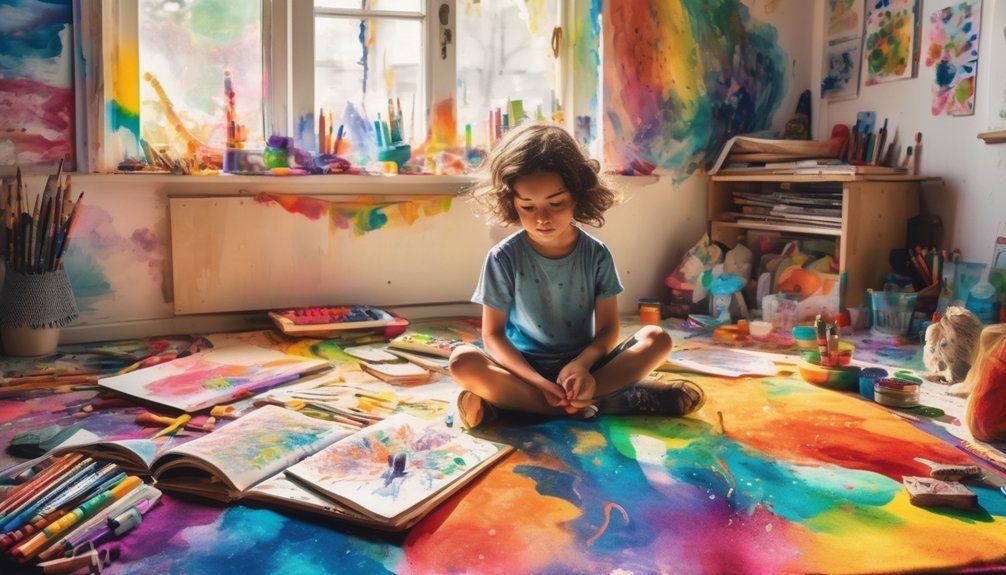
Artistic expression often flourishes when different mediums intertwine, and coloring serves as a fantastic gateway to explore other forms of creativity. By combining coloring with other artistic activities, you can enhance your child’s imaginative skills. For instance, mixing coloring with painting or drawing can lead to unique creations and innovative ideas.
Here’s a quick overview of how different art forms can connect with coloring:
| Artistic Form | Connection to Coloring | Benefits |
|---|---|---|
| Painting | Use colored pencils or crayons on canvas | Enhances texture exploration |
| Drawing | Create outlines to color in | Boosts fine motor skills |
| Collage | Incorporate colored elements | Encourages mixed media creativity |
| Sculpture | Color clay or 3D objects | Fosters spatial awareness |
Encourage your child to experiment!
Tips for Parents to Enhance the Coloring Experience
Enhancing your child’s coloring experience can transform a simple activity into a rich learning opportunity.
Start by providing a variety of coloring materials, like crayons, markers, and colored pencils, to spark creativity. Encourage your child to experiment with colors and techniques, reminding them that there are no wrong choices.
Set up a comfortable workspace free from distractions, allowing them to focus fully on their art. Engage in conversations about their artwork, asking open-ended questions to promote critical thinking.
Introduce themed coloring pages related to their interests, making the activity more engaging. Finally, consider incorporating music or storytelling to create a multi-sensory experience that fuels their imagination.
These tips can help your child explore their creativity while having fun.
Frequently Asked Questions
At What Age Should Children Start Coloring?
Children can start coloring as early as 18 months. At this age, you’ll notice their excitement with crayons. Encourage their exploration, and watch them develop fine motor skills and creativity as they color.
Can Coloring Help With Learning Disabilities?
Yes, coloring can help with learning disabilities. It enhances fine motor skills, aids concentration, and promotes visual-spatial awareness. Engaging in coloring activities can provide a therapeutic outlet, making learning more enjoyable and effective for your child.
What Types of Coloring Materials Are Best for Children?
For children, washable markers, crayons, and colored pencils are great options. They’re easy to grip, safe to use, and encourage creativity. Just make sure the materials are non-toxic and age-appropriate for your little one.
How Often Should Children Engage in Coloring Activities?
You might think once a month suffices, but really, your kids should color daily! After all, who wouldn’t want tiny Picassos in their living room? Just keep the crayons away from the walls, okay?
Is There a Link Between Coloring and Academic Performance?
Yes, there’s a link between coloring and academic performance. Engaging in coloring activities can enhance fine motor skills, focus, and creativity, all of which contribute positively to your child’s overall learning and academic success.
Conclusion
In conclusion, coloring isn’t just a fun activity; it’s a powerful tool for boosting your child’s creativity and development. Did you know that children who engage in creative activities like coloring score 20% higher on standardized tests? By encouraging your little ones to express themselves through colors, you’re nurturing their imagination, enhancing fine motor skills, and building their confidence. So, grab those crayons and let them unleash their creativity—you’ll be amazed at what they can create!