
Coloring isn’t just a fun activity; it plays a crucial role in your child’s early development. It enhances hand-eye coordination and fine motor skills while fostering creativity. As your child colors, they also improve their focus and develop critical thinking abilities. But the benefits go beyond just artistic expression. Discover how these simple coloring sessions can set the foundation for lifelong learning and growth.
Key Takeaways
- Coloring enhances fine motor skills and hand-eye coordination, essential for various developmental activities.
- It fosters creativity and imagination, allowing children to express their unique perspectives through art.
- Engaging in coloring improves focus, concentration, and persistence, teaching children to complete tasks with attention to detail.
- Recognizing and discussing colors boosts vocabulary and literacy skills, reinforcing educational foundations.
- Group coloring activities promote social interaction, emotional development, and a sense of accomplishment in children.
Enhancing Hand-Eye Coordination

While it may seem like just a fun activity, coloring plays a crucial role in enhancing your child’s hand-eye coordination. When your little one picks up a crayon or marker, they’re practicing the ability to coordinate their hand movements with what they see on the page.
As they navigate between staying within the lines and choosing colors, they develop essential skills. You’ll notice how they focus on the details, honing their precision and control. This simple act of coloring encourages them to engage with their surroundings, improving their spatial awareness.
Over time, you’ll see how this newfound coordination translates into other activities, making it a vital stepping stone for their overall development. So, encourage those colorful creations!
Developing Fine Motor Skills
Coloring is more than just a creative outlet; it’s a fantastic way to develop fine motor skills in young children. As your child picks up crayons or colored pencils, they’re engaging in precise movements that strengthen their hand muscles.

Each stroke requires coordination and control, helping them grasp the tools better and refine their grip. When they color within the lines, they practice focus and patience, enhancing dexterity. These skills are essential for tasks like writing and buttoning shirts later on.
Additionally, varying colors and techniques encourages them to experiment, further improving their finger agility. So, next time your child colors, remember it’s not just play; it’s an important step in their physical development.
Fostering Creativity and Imagination
As children immerse themselves in coloring, they unleash their creativity and imagination in ways that are truly magical. Each stroke of the crayon allows them to express their thoughts and feelings, transforming blank pages into vibrant worlds.
You’ll notice how they choose colors, mix hues, and create unique designs that reflect their individual perspectives. This process encourages them to think outside the box, experiment with ideas, and develop their artistic voice.
Whether they’re coloring within the lines or letting their imagination run wild, they’re exploring possibilities and storytelling through art. By providing them with the freedom to create, you’re nurturing their ability to envision, innovate, and dream, laying a strong foundation for their future creative endeavors.
Encouraging Focus and Concentration

When kids dive into coloring, they naturally hone their focus and concentration skills. As they pick colors and stay within the lines, they engage their minds in a way that fosters attention. This activity requires them to block out distractions and concentrate on their task.
You’ll notice how they become immersed in their artwork, which not only boosts their ability to pay attention but also enhances their patience. By encouraging your child to take their time with each stroke, you’re helping them develop a strong sense of focus.
Moreover, you can create an environment free from interruptions, making it easier for them to stay engaged. Ultimately, these skills will benefit them in various learning situations as they grow.
Promoting Color Recognition and Literacy
While kids engage in coloring, they also get a fantastic opportunity to promote color recognition and enhance their literacy skills. By identifying colors, children strengthen their vocabulary and develop critical thinking. You can encourage this by discussing colors and their names while they color.
Here’s a simple table to illustrate how different colors can be connected to words:
| Color | Associated Word | Example Activity |
|---|---|---|
| Red | Apple | Color an apple picture |
| Blue | Sky | Describe the sky color |
| Green | Grass | Draw and color grass |
These activities not only reinforce color recognition but also help kids associate colors with words, boosting their overall literacy development. So, grab those crayons and let the learning begin!
Building Emotional Intelligence
Coloring doesn’t just enhance literacy skills; it also provides a unique avenue for building emotional intelligence. When you encourage your child to express their feelings through colors and drawings, you’re helping them recognize and articulate their emotions. As they choose colors to represent their mood, they learn to connect feelings with visual expression.
Moreover, coloring can initiate discussions about emotions. You can ask questions like, “Why did you pick that color?” or “How does this picture make you feel?” This opens up channels for communication, fostering empathy and understanding.
As your child navigates their own emotions through art, they also develop a greater awareness of others’ feelings, laying the groundwork for meaningful relationships in the future.
Supporting Cognitive Development

As your child engages in coloring activities, they’re not just having fun; they’re also sharpening their cognitive skills.
Coloring helps improve hand-eye coordination, which is crucial for tasks like writing and typing later on. It also encourages your child to recognize shapes, colors, and patterns, enhancing their visual processing abilities.
By deciding which colors to use and how to fill spaces, they develop planning skills and learn to follow a sequence. This creative outlet allows them to express their thoughts, fostering imagination and critical thinking.
As they experiment with different techniques, they strengthen their ability to focus and concentrate, laying a strong foundation for future learning.
Embrace these moments, as they’re pivotal for your child’s cognitive growth.
Strengthening Problem-Solving Skills
When your child picks up a crayon, they’re not just creating art; they’re also tackling problem-solving skills. Each stroke on the page presents choices and challenges that help them think critically.
Here’s how coloring nurtures their ability to solve problems:
Coloring fosters essential problem-solving skills by encouraging decision-making, planning, and adaptability in your child’s creative process.
- Decision-Making: Your child decides which colors to use and where to apply them, enhancing their ability to make choices.
- Planning: They may sketch a plan for their drawing, learning to visualize the end result before executing it.
- Adjustments: If a color doesn’t work, they learn to adapt, finding solutions to improve their artwork.
These experiences in coloring translate into stronger problem-solving skills that will benefit them in everyday life and future learning.
Encouraging Social Interaction
While engaging in coloring activities, children naturally find opportunities to interact with their peers. As they share crayons, trade coloring pages, and discuss their artistic choices, they practice essential social skills.
You’ll notice them learning to take turns, listen to each other’s ideas, and express their opinions respectfully. These interactions promote teamwork and collaboration, fostering friendships that extend beyond the coloring table.
When kids work together on a project, they build confidence in their social abilities and learn the value of cooperation. Encouraging group coloring sessions can spark conversations, allowing children to connect and bond over their creations.
Ultimately, these shared experiences lay the foundation for strong communication skills that will benefit them in school and life.
Instilling a Love for Learning
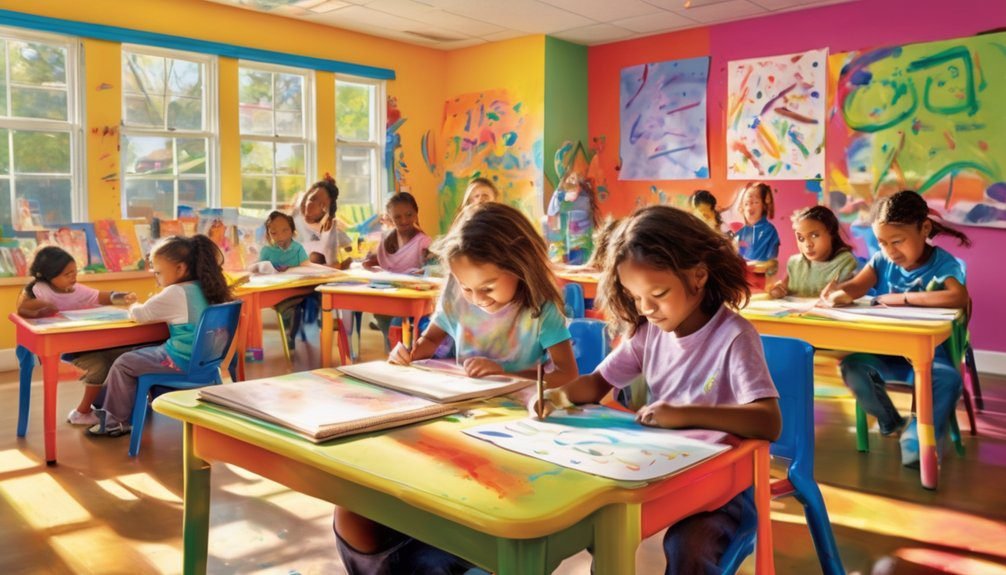
Coloring not only enhances creativity but also plays a crucial role in instilling a love for learning in young children. When kids engage in coloring, they develop a sense of accomplishment and joy, which fosters a positive attitude towards education.
Here are a few ways coloring can ignite that passion:
- Encourages exploration: Kids experiment with colors and techniques, sparking curiosity about the world around them.
- Builds confidence: Completing a coloring page boosts self-esteem, making them eager to tackle new challenges.
- Promotes focus: Coloring requires concentration, teaching them the value of persistence and attention to detail.
Frequently Asked Questions
At What Age Should Children Start Coloring for Educational Benefits?
Children can start coloring as early as 18 months. At this age, you’ll notice their curiosity and motor skills developing. Engaging them with crayons and paper helps foster creativity and lays the foundation for future learning.
What Types of Coloring Materials Are Best for Young Children?
For young children, washable markers, thick crayons, and colored pencils are best. These materials encourage grip development and creativity while minimizing mess. Choose non-toxic options to ensure safety as your child explores their artistic side.
How Often Should Children Engage in Coloring Activities?
You might think coloring’s just a fun distraction, but it shouldn’t be overlooked. Aim for daily engagement, even if it’s just a few minutes. Consistency helps develop creativity, focus, and fine motor skills in your child.
Can Coloring Help Children With Special Needs?
Yes, coloring can significantly help children with special needs. It enhances fine motor skills, encourages creativity, and provides a calming effect, making it a valuable tool for expression and improving focus during learning activities.
Are There Specific Coloring Techniques That Enhance Learning?
Absolutely! Techniques like color blending, shading, and using patterns can enhance learning. These methods encourage creativity and fine motor skills, making the experience engaging. You’ll be amazed at how much your child can grow through coloring!
Conclusion
You might think coloring is just a fun activity, but it’s so much more! By picking up those crayons and letting your creativity flow, you’re not only having a blast but also boosting essential skills like hand-eye coordination and literacy. Plus, you’re fostering your imagination and building confidence along the way. So, don’t underestimate the power of coloring—embrace it as a valuable tool in your early learning journey and watch your skills soar!