
Is it true that coloring can actually boost your confidence in art? Many adults find themselves hesitant when it comes to creative expression, often fearing judgment from others. However, engaging in coloring can provide a unique opportunity to explore your artistic side without pressure. As you navigate this creative journey, you’ll discover how simple designs can lead to greater self-assurance and personal expression. What might this mean for your own artistic pursuits?
Key Takeaways
- Engaging in coloring allows adults to express themselves without fear of judgment, fostering confidence in their artistic choices.
- Starting with simple designs builds skills and encourages a sense of accomplishment, boosting self-esteem over time.
- Emphasizing personal enjoyment over perfection helps adults embrace their unique artistic style and reduces anxiety about their work.
- Regular practice through coloring improves techniques, leading to greater self-assurance in one’s artistic abilities and decision-making.
- Connecting with a community of colorists provides support and encouragement, reinforcing confidence in sharing and developing artistic skills.
The Therapeutic Benefits of Coloring for Adults
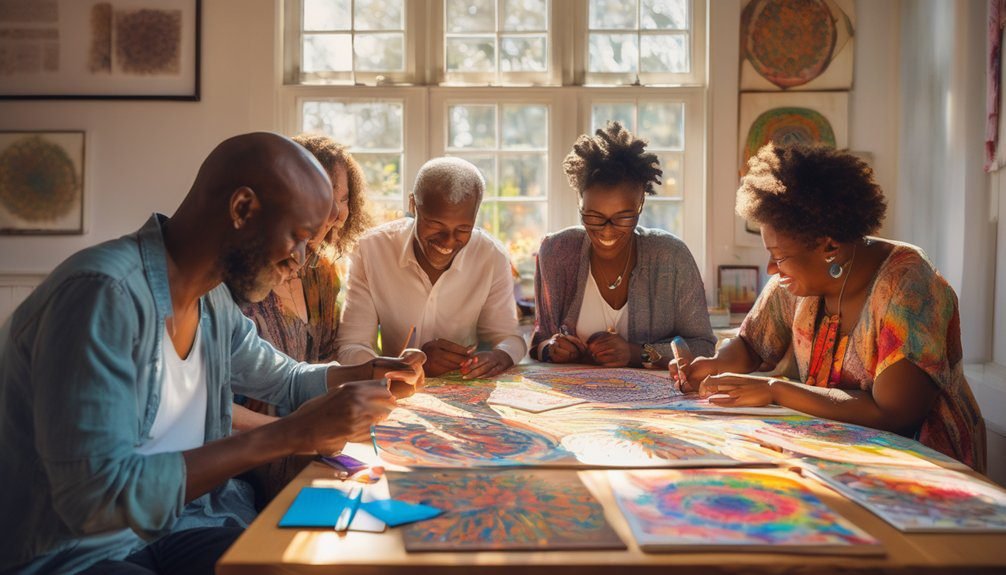
While you may not think of coloring as a serious activity, it actually offers significant therapeutic benefits for adults. Engaging in coloring can help reduce stress and anxiety, providing a calming effect that allows you to focus on the present moment.
As you immerse yourself in choosing colors and filling in patterns, your mind can escape the daily grind, promoting relaxation. This simple act stimulates creativity and enhances your mood, making it easier to express your feelings and thoughts.
Additionally, the repetitive motions involved can be meditative, fostering a sense of mindfulness. By incorporating coloring into your routine, you can improve your mental well-being while rediscovering joy in a playful, artistic outlet.
Overcoming the Fear of Judgment
Many adults hesitate to embrace coloring due to a fear of judgment from others, but this creative outlet can be a powerful tool for self-expression and growth.

To overcome this fear, consider these strategies:
- Start small: Begin with simple designs that require less commitment.
- Focus on enjoyment: Remember that coloring is about personal pleasure, not perfection.
- Create a safe space: Find a comfortable environment where you feel free to express yourself without criticism.
- Share selectively: Share your work only with supportive friends or family who encourage your creativity.
Embracing Creative Freedom
Embracing creative freedom allows you to explore your imagination without constraints, transforming coloring into a liberating experience.
When you pick up those colored pencils or markers, you’re not bound by rules or expectations. You can choose colors that speak to you, mix and match, or even stray from traditional palettes.
Each stroke becomes a personal expression, reflecting your unique perspective and style. This process encourages you to trust your instincts, fostering a sense of autonomy in your artistic choices.
As you color, you’ll discover that there’s no right or wrong, only your vision. This freedom cultivates confidence, empowering you to take risks and embrace your creativity fully.
The Role of Mindfulness in Coloring
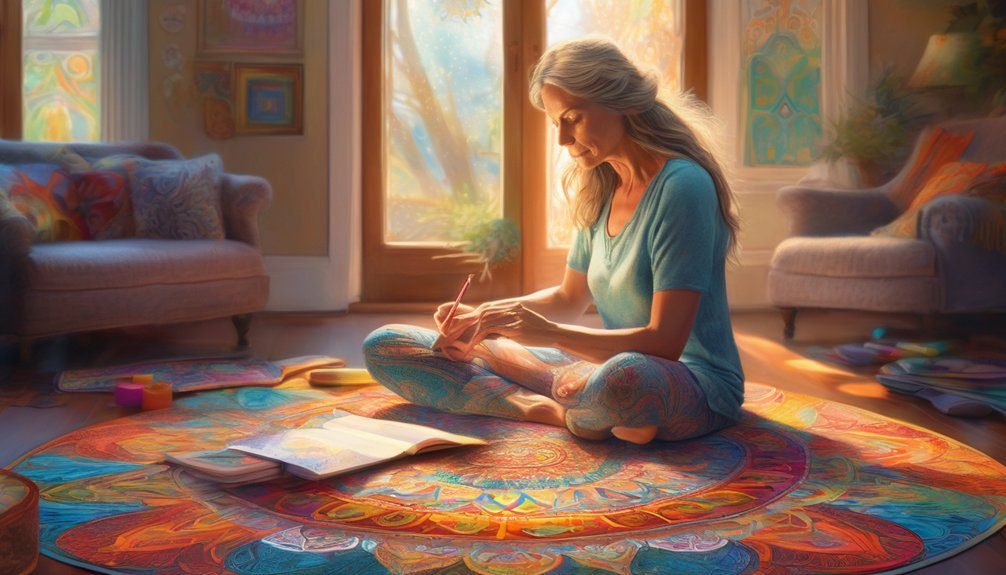
As you immerse yourself in coloring, mindfulness naturally takes center stage, allowing you to focus on the present moment. This practice helps reduce stress and anxiety, creating a calming sanctuary where your mind can relax.
By concentrating on the colors and patterns, you engage fully with the task at hand, enhancing your creative experience.
Mindfulness in coloring can help you:
- Cultivate awareness of your thoughts and feelings
- Enhance your ability to concentrate
- Encourage a sense of accomplishment with each completed piece
- Foster a deeper connection to your creative expression
Through these elements, coloring becomes more than just a pastime; it transforms into a powerful tool for building confidence and self-assurance in your artistic journey.
Exploring Different Coloring Techniques
Mindfulness in coloring not only fosters a deeper connection to your creative expression but also opens the door to various techniques that can enhance your artistic journey.
Experimenting with different coloring tools, like colored pencils, markers, or watercolors, can dramatically change your results. Try layering colors to create depth or blending shades for a smooth transition.
Don’t shy away from using unconventional materials, like pastels or gel pens, to add texture and interest. You might also explore techniques like stippling or hatching to develop unique patterns.
Each method offers a new way to express yourself, boosting your confidence as you see your skills evolve. Dive into these techniques and discover what resonates with your style!
Building Artistic Skills Through Practice
Practicing your coloring skills regularly can lead to noticeable improvements in your artistic abilities. As you engage with your coloring projects, you’ll not only enhance your technique but also build your confidence.
Regular practice of coloring not only sharpens your technique but also boosts your confidence in your artistic journey.
Here are some effective ways to practice:
- Experiment with Color Blending: Try mixing colors to see how they interact and create new shades.
- Work on Shading Techniques: Incorporate light and shadow to add depth to your artwork.
- Set Small Goals: Focus on completing specific sections or mastering certain techniques during each session.
- Try Different Mediums: Use colored pencils, markers, or watercolors to expand your skill set and discover your preferences.
With consistent practice, you’ll find your artistic skills growing, making coloring even more enjoyable.
Connecting With a Community of Colorists
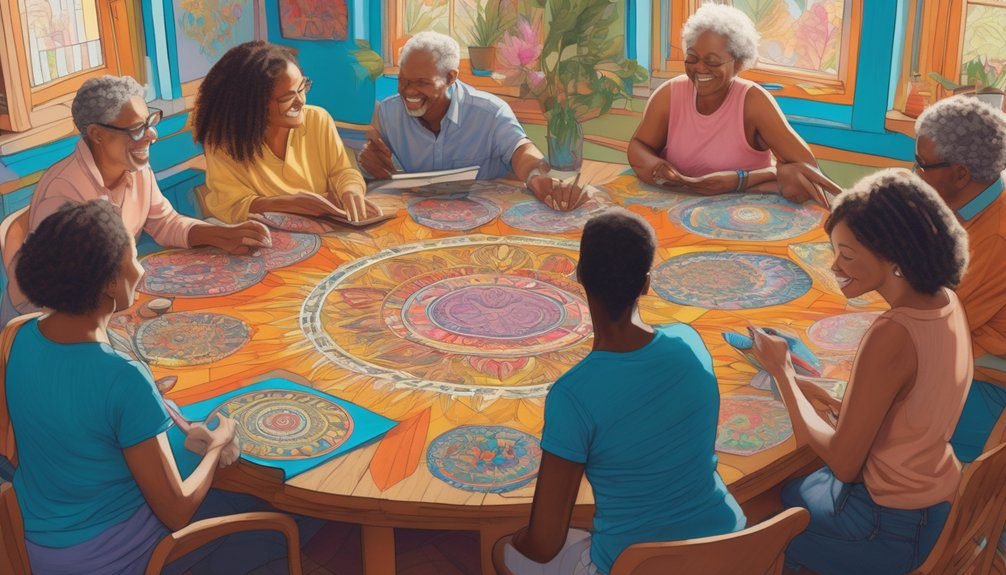
Connecting with a community of colorists can significantly enhance your coloring experience and boost your confidence. Engaging with others who share your passion allows you to exchange ideas, techniques, and inspiration. You might find support in online forums or local groups, where everyone celebrates each other’s progress.
Here’s a quick look at the benefits of connecting with fellow colorists:
| Benefit | Description |
|---|---|
| Inspiration | Discover new techniques and color palettes. |
| Feedback | Receive constructive criticism to improve. |
| Motivation | Stay accountable by sharing goals and progress. |
| Friendship | Build lasting connections with like-minded people. |
| Resources | Access tips on materials and tools to enhance your skills. |
Joining a community can make your coloring journey even more rewarding!
Coloring as a Form of Self-Expression
Coloring offers a unique outlet for self-expression, allowing you to explore your emotions and creativity without judgment. As you choose colors, you engage in a personal dialogue with your inner self.
Coloring invites you to connect with your inner self, exploring emotions and creativity freely and without judgment.
This freedom encourages you to convey feelings that might be hard to express verbally. Here’s how coloring facilitates self-expression:
- Emotional Release: Use colors to reflect your mood, letting go of stress and anxiety.
- Creative Exploration: Experiment with different palettes to discover your unique style.
- Personal Storytelling: Each completed piece tells a story, sharing your experiences and thoughts.
- Mindfulness Practice: Focus on the act of coloring, promoting relaxation and self-awareness.
Transitioning From Coloring to Original Art Creation
Transitioning from the vibrant world of coloring to creating original art can feel like a natural evolution for many. You’ve built a foundation of creativity and confidence through coloring, and now it’s time to explore your unique voice.
Start by experimenting with different mediums—watercolors, charcoal, or digital tools—whatever excites you. Don’t be afraid to draw inspiration from your colored pieces; they can serve as a springboard for your original ideas.
Set aside time to doodle, sketch, or paint without pressure. Remember, it’s not about perfection but expressing your thoughts and emotions.
As you practice, you’ll discover your style and grow more comfortable in your artistic journey, turning your colored creations into a canvas for originality.
Frequently Asked Questions
What Materials Are Best for Adult Coloring?
For adult coloring, use high-quality colored pencils, gel pens, or markers. Choose paper designed for coloring to prevent bleed-through. Experiment with different materials to find what works best for your style and preference.
How Much Time Should I Dedicate to Coloring?
You should dedicate at least 15 to 30 minutes daily to coloring. Isn’t it amazing how even a short session can boost your mood and creativity? Find what works for you and enjoy the process!
Can Coloring Improve My Focus and Concentration?
Yes, coloring can improve your focus and concentration. Engaging in this mindful activity allows you to tune out distractions, helping you develop better attention skills while enjoying a creative outlet that calms your mind.
Are There Specific Coloring Books Recommended for Adults?
Absolutely! You’ll find adult coloring books featuring intricate designs, mandalas, and nature scenes. While some focus on relaxation, others inspire creativity. Just pick one that resonates with you, and start enjoying the therapeutic benefits!
How Can I Incorporate Coloring Into My Daily Routine?
You can incorporate coloring into your daily routine by setting aside 15 minutes each morning or evening. Keep a coloring book handy, choose a cozy spot, and let your creativity flow while you unwind.
Conclusion
As you pick up your colored pencils and fill in that final blank space, a sense of accomplishment washes over you. You’ve faced your fears, embraced your creativity, and shared your journey with others. But what if this is just the beginning? Imagine transforming those vibrant pages into your own original artwork. The thrill of creation awaits, and it’s closer than you think. Will you take that leap into uncharted territory, where your true artistic self lies?