
You might think coloring is just a quiet pastime, but you’re actually helping children build the fine motor control they’ll use every day. As they grasp crayons, guide lines, and adjust pressure, they strengthen hand muscles, improve grip, and sharpen hand-eye coordination. Those small actions support later skills like writing and cutting, yet the biggest gains often show up in ways you may not expect…
Key Takeaways
- Coloring strengthens small hand and finger muscles needed for writing, cutting, and other everyday tasks.
- It improves hand-eye coordination by matching hand movements to what children see on the page.
- Following lines and shapes helps children practice control, precision, and visual tracking.
- Repeated gripping and coloring motions build hand strength and reduce fatigue over time.
- Coloring also supports attention, planning, and confidence through focused, creative practice.
What Fine Motor Skills Do Kids Build Through Coloring?
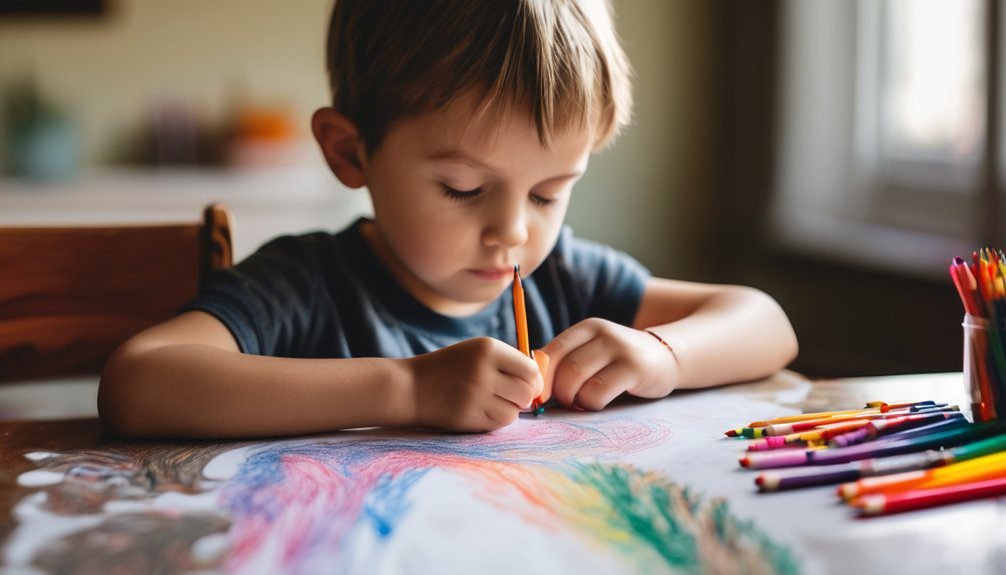
Coloring helps children strengthen the small muscles in their hands and fingers that they need for everyday tasks like holding a pencil, buttoning a shirt, and using scissors.
You also help them practice hand-eye coordination, visual tracking, and precise control as they follow lines and shapes. Research shows that different coloring techniques, such as staying inside borders or shading lightly, ask kids to notice space, direction, and pressure.
That careful practice supports attention and planning, too. When you invite artistic expression, you give children a safe way to explore choices, make marks, and build confidence while they create.
These fine motor skills grow naturally through repeated, playful coloring, and you can support them by offering simple tools, varied pages, and gentle encouragement.

How Coloring Builds Hand Muscles and Grip
As children color, they repeatedly squeeze, release, and steer crayons or pencils, which helps build the small hand muscles needed for a steady grip. You can think of each stroke as a tiny workout that supports muscle engagement in the fingers, thumb, and palm.
Over time, that repeated effort can improve grip strength, making it easier to hold tools without fatigue. Research on early childhood development shows that regular, playful hand use helps children practice controlled pressure and sustained holding.
When you offer coloring often, you’re giving your child a gentle way to strengthen their hands while feeling calm and capable. That support matters, because stronger hands can make everyday tasks feel less tiring and more successful.
Why Coloring Improves Hand-Eye Coordination?
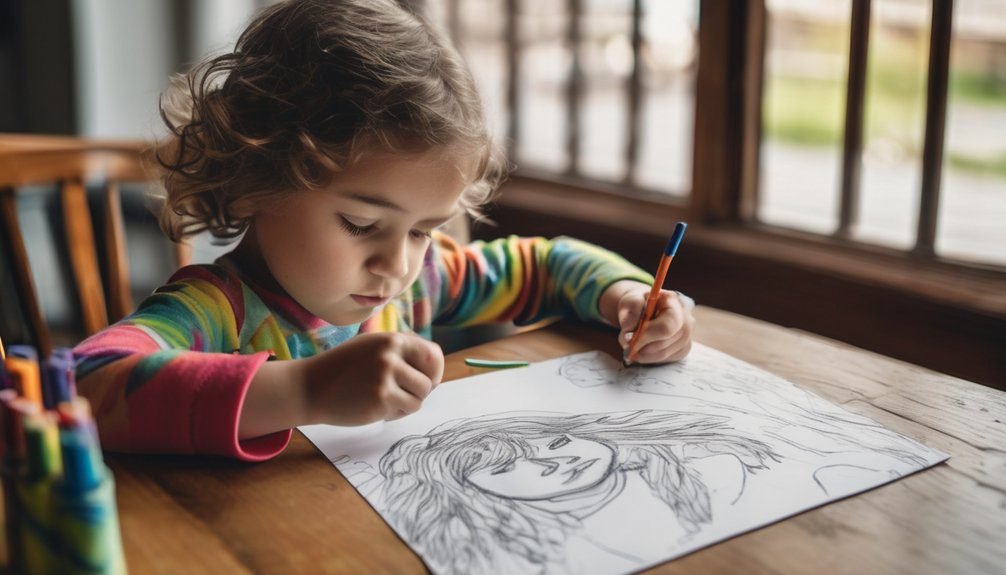
Those same small hand movements do more than build strength—they also help children connect what they see with how they move. When you color, your eyes guide your hand across the page, and that steady back-and-forth builds hand-eye coordination.
As you choose coloring techniques like staying inside lines or filling tiny spaces, you practice visual tracking, which means following shapes, edges, and patterns with focus. Research shows that repeated coordination tasks can strengthen the brain’s ability to send clear movement signals.
You may notice your child slowing down, correcting strokes, and adjusting pressure; these moments matter. They show growing control, awareness, and confidence.
With each page, you’re helping your child learn to respond to visual cues with purposeful, gentle movement.
How Coloring Supports Writing and Cutting
Tiny coloring strokes help prepare children for two important school skills: writing and cutting. When you guide your child through coloring, you’re strengthening the hand muscles they use to hold a pencil and control scissors. Research shows that repeated grip practice builds stability, while careful movement improves precision. Different coloring techniques, like staying inside lines or changing pressure, support steady control and creative expression.
| Skill | Coloring action | Benefit |
|---|---|---|
| Writing | Short strokes | Better pencil control |
| Cutting | Turning paper | Safer scissor use |
| Both | Focused coloring | Stronger coordination |
You can feel proud when your child slows down, notices details, and gains confidence. These small motions today help them write and cut with greater ease tomorrow.
Best Coloring Activities for Fine Motor Skills
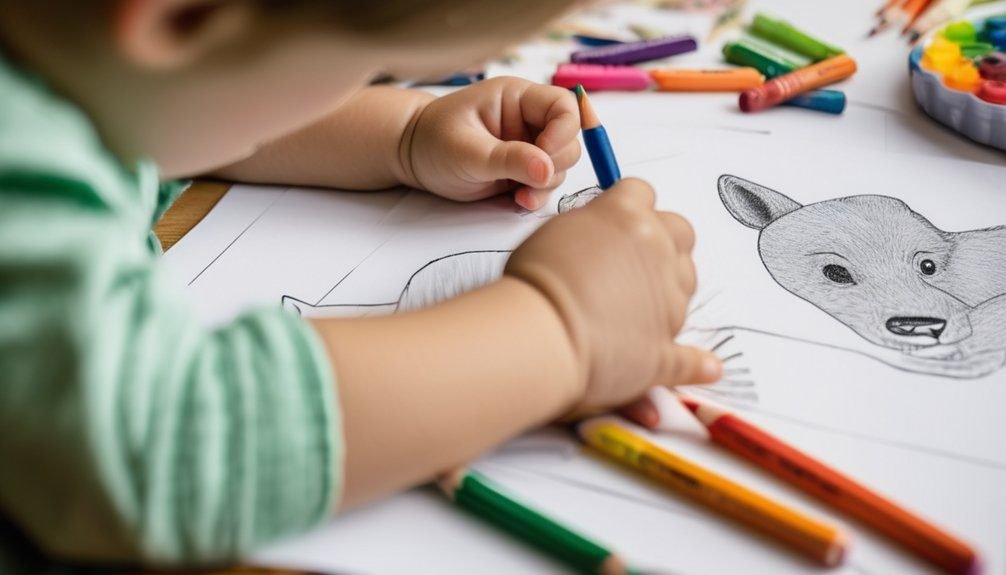
Once your child is ready to build on those coloring skills, the best activities are the ones that ask for controlled hand movements, attention, and a little creativity.
You can offer small spaces to color, simple patterns, and pictures with varied shapes, because research shows these choices encourage grip control and hand-eye coordination.
Try coloring techniques like staying inside bold outlines, filling in tiny sections, or matching colors by category. These tasks help your child practice pressure control and steady wrist movement without feeling overwhelmed.
You’ll also support creative expression, which keeps practice enjoyable and emotionally meaningful. When your child feels safe to experiment, fine motor growth often comes more naturally.
Short, regular coloring moments can build confidence while strengthening the skills needed for everyday tasks.
How to Make Coloring More Skill-Building
To make coloring more skill-building, give your child simple structure without removing the fun. You can offer thicker crayons first, then try thinner coloring tools as control improves. Short coloring sessions help your child practice grasp, wrist movement, and pressure without fatigue.
You might trace big shapes, follow dotted lines, or color small sections to encourage careful hand use. Studies on early motor learning suggest that varied, repeated practice builds coordination best when tasks stay engaging. Keep choices open so creative expression still leads the activity; that freedom supports attention and confidence.
Sit nearby, name colors, and gently model slow strokes. When you balance guidance with play, you help your child strengthen fine motor control while keeping coloring joyful and personal.
How to Tell Coloring Is Helping
You can often tell coloring is helping when your child stays engaged a little longer, uses a steadier grip, or begins making more controlled marks over time.
You might also notice less hand fatigue, smoother wrist movement, and growing confidence with crayons or pencils. These are meaningful coloring benefits because they show improving coordination between small muscles and visual attention.
Research on early motor development suggests repeated, enjoyable hand tasks support control and endurance.
Watch for your child choosing smaller spaces, staying within lines more often, or switching colors with easier finger coordination.
Just as important, creative expression should still feel fun. When coloring becomes both focused and joyful, you’re likely seeing fine motor growth alongside emotional comfort.
Frequently Asked Questions
What Age Should Children Start Coloring?
You can start offering coloring around 18 months, when your child can grasp crayons and enjoys scribbling. Coloring benefits support developmental milestones, and you’ll want to follow your child’s readiness, not a strict age.
Which Coloring Tools Are Easiest for Beginners?
Crayons are usually easiest: over 70% of beginners grip them comfortably. You should choose chunky options for better crayon selection, and soft-tip washable markers for marker preferences. You’ll help little hands build confidence.
How Often Should Kids Color Each Week?
Aim for coloring 3–5 times a week; you can adjust coloring frequency based on your child’s energy and interest. Regular sessions support creative expression, and research suggests brief, enjoyable practice works best for kids.
Can Coloring Help Left-Handed Children Differently?
Yes—your left-handed child can benefit differently. I once watched a lefty trace rainbows like a mirrored river; with left handed techniques, coloring supports motor skill development, and research shows handedness just changes grip and paper position.
What Signs Show a Child Enjoys Coloring?
You’ll notice coloring enthusiasm when a child asks for crayons, stays focused, smiles, and proudly shows finished pages. They may use creative expression with bold choices, revisit coloring often, and relax while coloring.
Conclusion
Coloring gives your child more than a calm activity—it builds the fine motor control they’ll use every day. In fact, research shows that a child’s hand strength and coordination can improve with regular pencil-and-crayon practice. When your child colors, they’re strengthening fingers, improving hand-eye coordination, and preparing for writing and cutting. So keep offering coloring time; you’re helping them grow skills, confidence, and independence one stroke at a time.